Write a comment
Stew with chicken hearts and potatoes

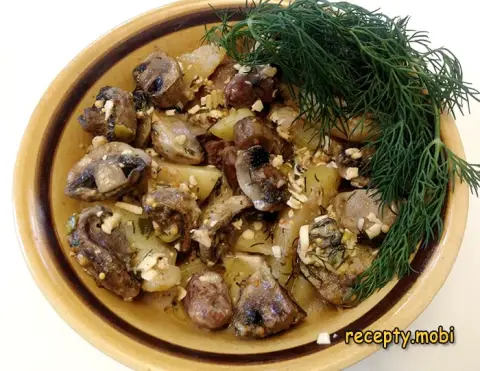
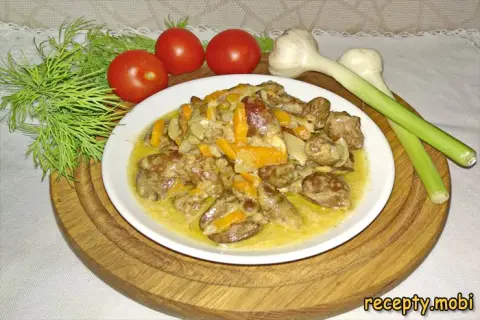
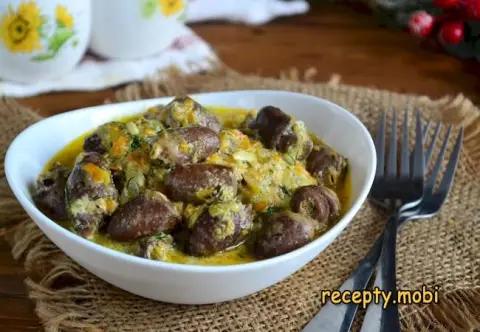
Stew with Chicken Hearts and Potatoes

Ragout is a quite simple and very tasty dish. The traditional French-inspired preparation produces remarkable home-cooking-quality results that elevate basic chicken hearts into sophisticated multi-vegetable hearty ragout applications worthy of family tables and weekday meal applications throughout the entire year for proper home cooking consistently across various traditional international culinary traditions. Moreover, it is liked by almost everyone: both children and their parents. The story of the origin of this delicacy is quite dramatic. It is said that the residents of the besieged city of Languedoc first made ragout during the Hundred Years' War. At that time, people were dying of hunger. To survive, it was decided to light a large fire in the main square and put a huge cauldron over it. A lot of time has passed since then, but ragout still remains a beloved dish of many nations.

Preparation time: 60 minutes.

Yield8 servings.
Calories198 kcal per 100 grams of the dish.
CuisineInternational.

Ingredients

Show ingredients
  • chicken hearts – 500 g;
  • potatoes – 500 g;
  • eggplants – 2 pcs;
  • salt – 2 teaspoons;
  • bell pepper (fleshy) – 2 pcs;
  • tomatoes – 300 g;
  • green peas – 1 can;
  • sunflower oil – 100 g;
  • black ground pepper – 0.5 teaspoon.

Preparation

  1. Prepare the chicken hearts. First, transfer the offal to a deep bowl, rinse them, and dry on paper towels. Grease a large frying pan with vegetable oil and place the chicken hearts in it. Remember that other vegetables will be added to the offal during cooking. Therefore, it's best to choose the largest frying pan for making ragout.
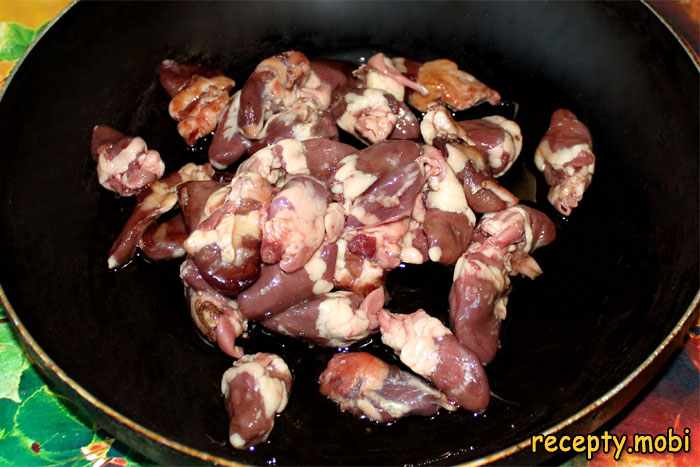
    Chicken hearts prepared
  2. Slightly brown the hearts on all sides over high heat. While the offal is frying, prepare the potatoes: peel them, wash with a brush, and cut into long, fairly large sticks. Add the potatoes to the frying pan with the browned offal.
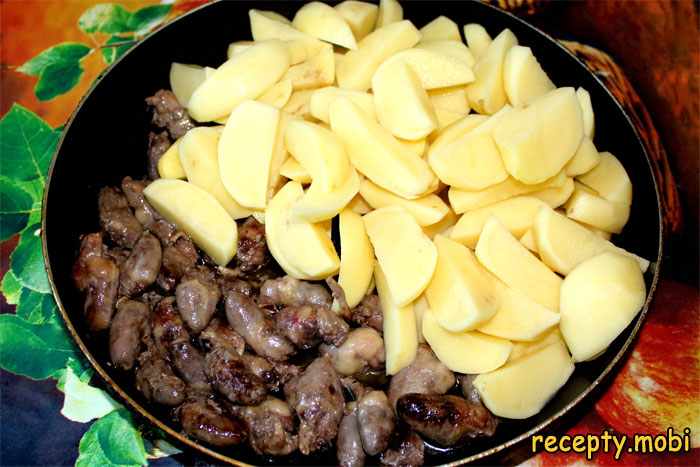
    Chicken hearts and potatoes together
  3. Mix the potatoes with the hearts and cover with a lid. Do not remove the frying pan from the heat, but remember to stir the contents occasionally. Meanwhile, prepare the pepper and eggplant. Peel the eggplants, cut them into small cubes, and salt them. Prepare the pepper: rinse it, remove the seeds, and cut into thin strips. Rinse the eggplant cubes, then add the prepared eggplants and pepper strips to the frying pan.
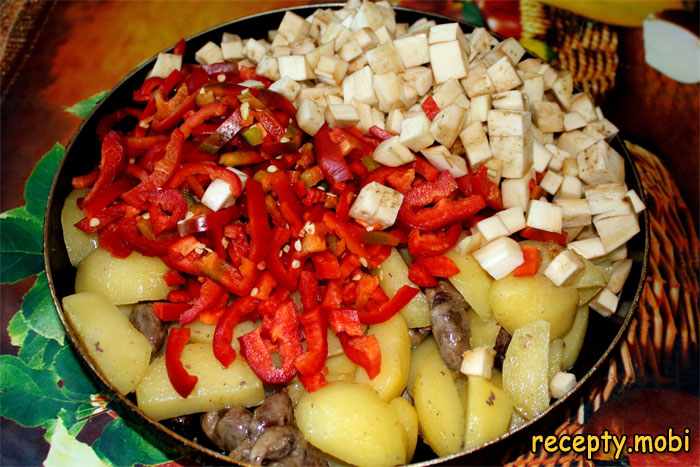
    adding eggplant and pepper to stew
  4. Slightly fry the contents of the frying pan. While the vegetables and hearts are cooking, prepare the tomatoes: pour boiling water over them, carefully remove the skin with a knife, and cut them into small slices.
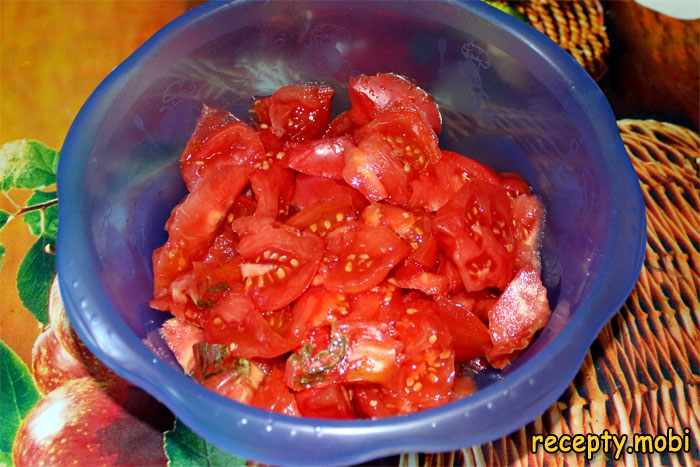
    Tomatoes for stew
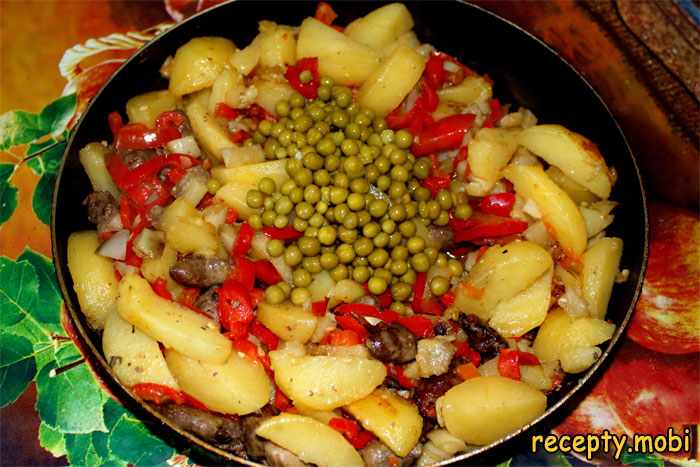
  5. Meanwhile, the eggplants and peppers should become soft. Add the green peas to the frying pan, having previously drained the excess liquid from them.
    adding green peas to stew
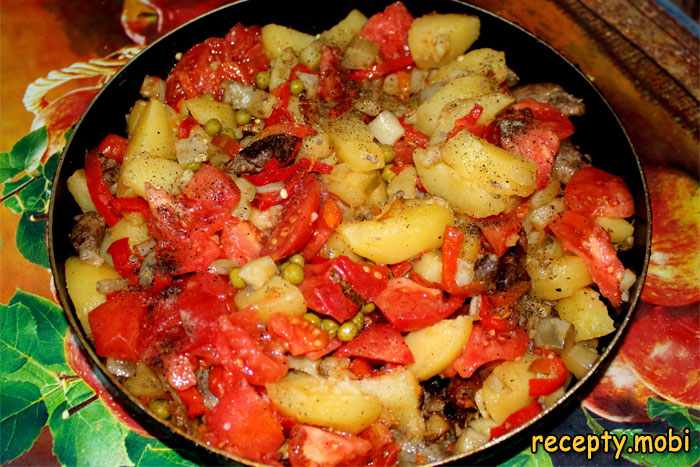
  6. Stir the future ragout, then add the tomatoes to the vegetables and chicken offal. Salt and pepper the dish for proper finished seasoning balance.
    adding tomatoes to stew
  7. Reduce the heat and simmer the delicacy under a closed lid for 15-20 minutes. During this time, the juice released by the tomatoes during stewing should evaporate.
    Stew simmering covered
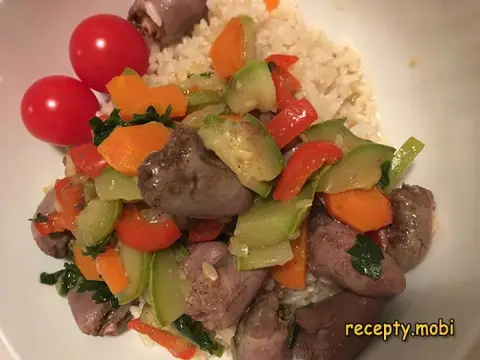
  8. Ragout is served only hot. It's best served with a platter of fresh vegetables. Enjoy your meal!
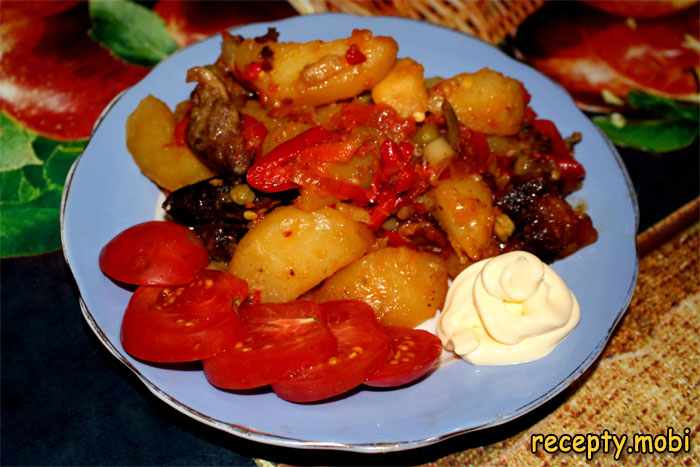
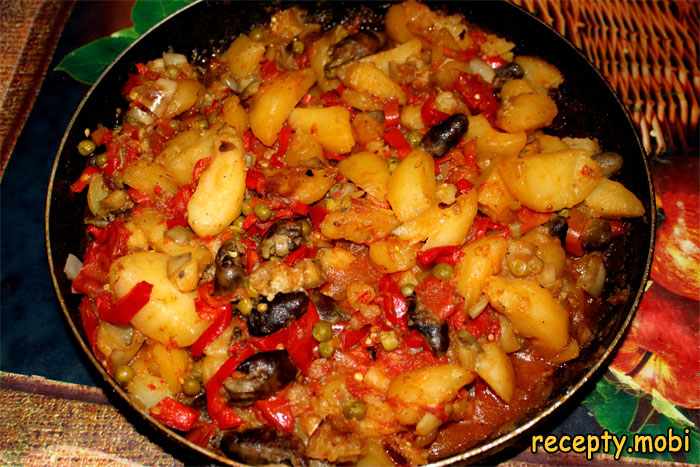
    Stew finished served
    Stew with chicken hearts finished

Tips and Tricks

Tip 1. Use fresh chicken hearts (not frozen-thawed) for the best finished tender clean-flavor results. Frozen-thawed hearts produce tough off-flavored inferior results; fresh quality chicken hearts produce the proper signature tender mild character authentic to traditional Russian-French ragout preparations. Trim excess fat and vessels for cleanest finished appearance. The chicken-heart quality matters more than home cooks typically realize for finished ragout quality and overall family-meal success consistently across batches reliably across various international cooking occasions throughout the year for proper traditional results.

Tip 2. Salt eggplants and rinse before adding for proper finished mild non-bitter character. Adding raw unsalted eggplants produces bitter results; properly salted-then-rinsed eggplants produce the proper signature mild tender character authentic to traditional ragout preparations. The same eggplant-preparation principle elevates many eggplant preparations including eggplant caviar with garlic for winter and similar Mediterranean-Russian preparations across various traditional culinary occasions throughout the year reliably.

Tip 3. Add tomatoes last for finished proper acidity balance and visual appeal. Adding tomatoes too early breaks down vegetables; properly end-added tomatoes produce the proper signature fresh-tangy character authentic to traditional ragout preparations. The patient end-tomato principle pays back significantly in finished ragout-quality consistently across batches and various Mediterranean-Russian stew preparations throughout the year for proper traditional results worth showcasing reliably across various international family-meal occasions throughout the year for proper home-cooking results.

Tip 4. Pair the finished chicken hearts ragout with traditional accompaniments for proper presentation. Serve hot with fresh vegetable platter, alongside dollop of sour cream, with tartar mayonnaise sauce, or as standalone hearty meal for proper finished family-meal applications. Pair with crusty homemade bread for substantial dinner spreads, alongside fresh garden salad for traditional accompaniment, or with hot tea for elegant family meal presentations worth showcasing across various entertaining occasions reliably throughout the year.

FAQ

Can I use other organ meat?

Yes, chicken livers, beef hearts, pork hearts, or turkey hearts all work as substitutes producing distinct character. Each option produces distinct character: chicken hearts are mildest and most traditional, chicken livers are richest, beef hearts are most substantial, turkey hearts are leanest. Adjust cooking time accordingly — livers need only 10-15 minutes, beef hearts need 30-40 minutes for proper doneness. Choose based on personal preference and availability for proper finished variations consistently throughout the year reliably.

How long does ragout keep?

Stored covered in the refrigerator, the ragout keeps for 3-4 days at peak quality. The flavors meld and improve over the first 24 hours as components marry beautifully. Reheat gently in pan to preserve vegetable texture. The ragout freezes adequately for up to 2 months — thaw in refrigerator overnight before reheating. Best consumed within 3 days for the brightest most appealing finished results across multiple meal applications throughout the year reliably.

Can I add other vegetables?

Yes, zucchini, carrots, mushrooms, celery, or green beans all work beautifully as additions. Each addition produces distinct character: zucchini adds tender substance, carrots add sweetness and color, mushrooms add umami depth, celery adds aromatic notes, green beans add freshness. Mix and match seasonal vegetables for endless variations across various international ragout traditions throughout the year for proper personalized finished results consistently across various family-meal occasions reliably.

Why is my ragout too watery?

Three usual causes: too much liquid from tomatoes, lid stays on too long during final simmer, or not enough vegetable evaporation time. Address proper end-stage uncovered simmering, adequate evaporation time, and proper tomato ratio for consistently thick results. The combination of proper timing and evaporation produces dramatic texture-quality reliably across various international ragout preparation sessions throughout the year for proper traditional results consistently.

Write comments...
symbols left.
or post as a guest
Loading comment... The comment will be refreshed after 00:00.

Be the first to comment.