avg —
Baked Fish Fillet

Instructions
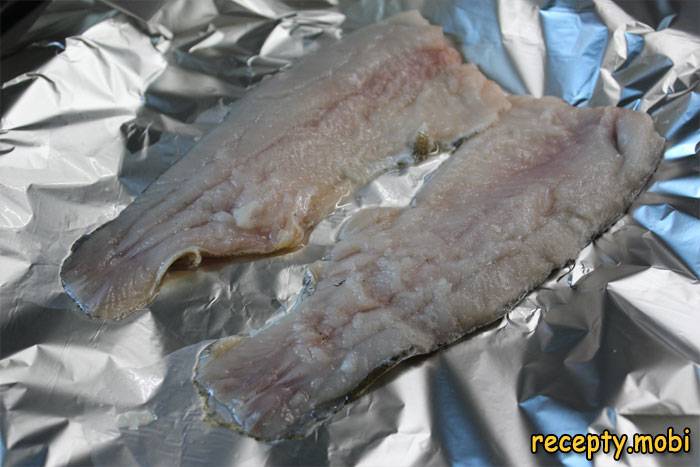
Fillet the fish carcass. Use any river fish – carp, large crucian carp, common carp, tench, white amur, pike or pikeperch. Take off the fillet with a sharp, flexible knife, moving along the spine from the tail towards the head. Salt the prepared fillet well and leave it for half an hour – the salt draws out the muddy smell and excess moisture, and the flesh becomes firmer and cleaner.
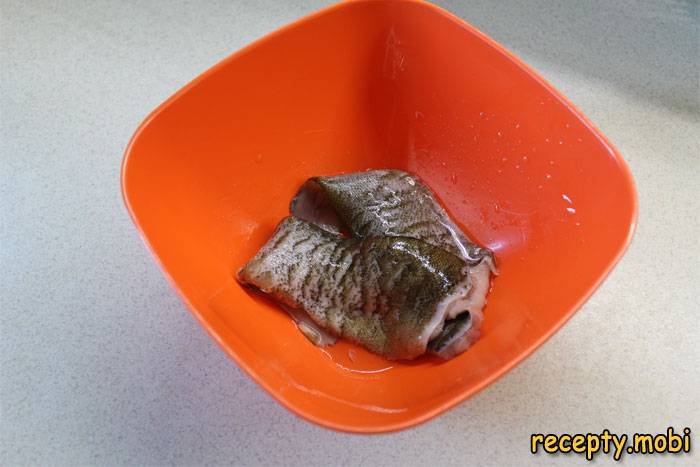
Rinse the fish from excess salt with cold water and pat it dry with paper towels. If it is left wet, the water will dilute the marinade and the fish will bake less well. Lay the fillet on a sheet of foil, skin side down: this way the flesh will not stick and will lift off easily with a spatula.
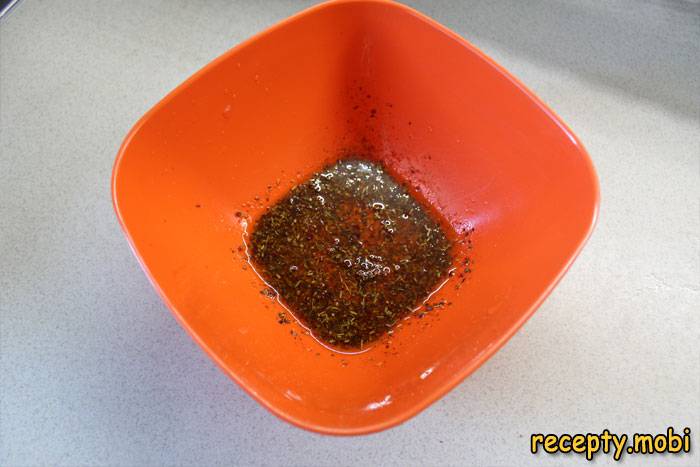
Combine all the marinade ingredients: soy sauce, herbs, oil and spices. Mix them and leave for 5 minutes to let the aromas develop – the dried herbs should soak up the oil and soy sauce, otherwise they will stay as bland little "crumbs" on the fish.
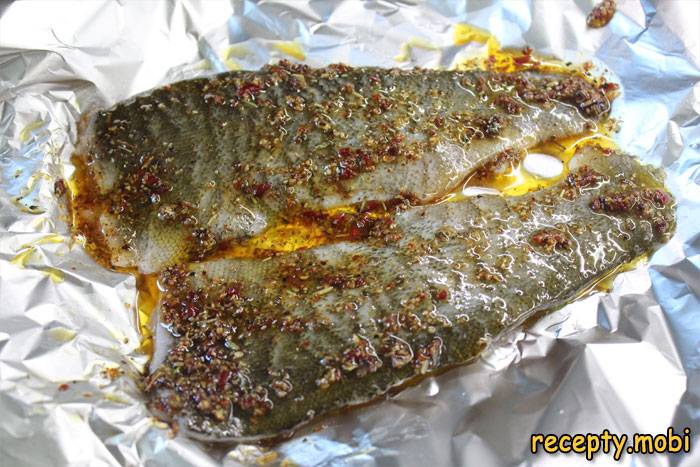
Generously rub the fish fillet with the marinade on all sides, including the inner folds. Leave it to marinate for another 5 minutes – there is no need to keep it longer, because the fish is already salted. Put it into a well-heated oven for 15 minutes at 175 °C – it is exactly this temperature that gives a tender texture without drying it out.
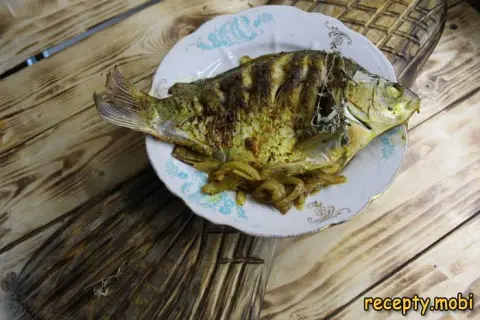
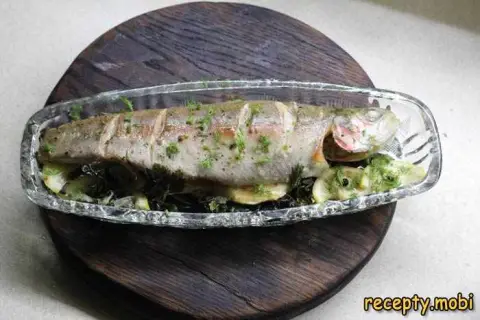
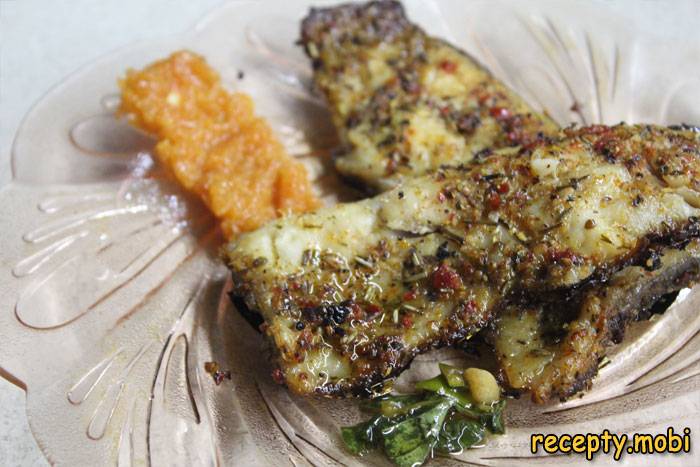
The spicy, tasty fish fillet in its aromatic marinade is ready! Check for doneness with a fork: the flesh should flake easily. Place the fish on a serving dish and add some hot chilli sauce or a wedge of lemon.


Tips
- 1
Be sure to salt the fillet 30 minutes ahead – this removes the specific smell of river fish and makes the flesh firmer.
- 2
A marinade with soy sauce gives Asian notes – try adding sesame oil and grated ginger for a brighter flavour.
- 3
Do not overcook the fish in the oven – the fillet dries out in 5 extra minutes. I cook salmon in foil using a similar method.
- 4
Serve with boiled rice, mashed potato or baked vegetables – the fish is satisfying on its own and does not need complicated side dishes.
FAQ
Which fish is best for baking in the oven? +
Any river fish with tender flesh will do: carp, large crucian carp, common carp, pikeperch, pike, tench or silver carp. Sea fish works too – sea bream, sea bass, salmon and cod are cooked on the same principle, but without the preliminary salting (sea fish has no muddy smell). The baking time depends on the thickness of the fillet: 1.5 cm – 12 minutes, 2.5 cm – 15–17 minutes, 3 cm and more – up to 20 minutes.
Can it be baked without foil? +
Yes, but the fish may turn out drier – the foil creates a steamer effect and keeps it juicy. Without foil, lay the fillet on an oiled baking tray or parchment, baste it with the marinade every 5 minutes and cover it with a sheet of foil for the last 5 minutes of baking. Without foil the crust comes out more golden, but there will be less juiciness.
What to serve with baked fish fillet? +
It goes well with boiled long-grain rice, mashed potato, cauliflower purée, and a fresh vegetable salad of tomatoes and cucumbers. Among sauces, tartare, sour cream with dill, garlic, or a classic white wine sauce all suit it. A dry white wine – sauvignon blanc or pinot grigio – is good with the fish.
- Comment
or post as a guest
Be the first to comment.