avg —
Hake Cutlets (with Frozen Green Peas and Spinach)

Instructions
Rinse the thawed hake (600–700 g) thoroughly under cold running water. Fillet the fish: run a sharp knife along the backbone and lift off the fillet in one piece together with the skin, then slide the fillet off the skin – this is the quickest way to get clean, bone-free fillet. To save time, you can use ready-made hake fillet.
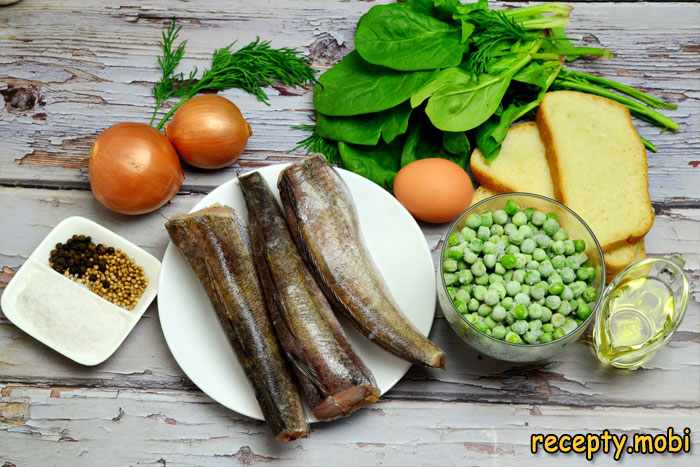
Cut the two peeled onions into quarters – a blender will handle pieces this size easily. Grind the onion together with the hake fillet in a blender bowl until smooth – this takes 30–40 seconds on high speed. A blender gives a more delicate texture than a mincer.
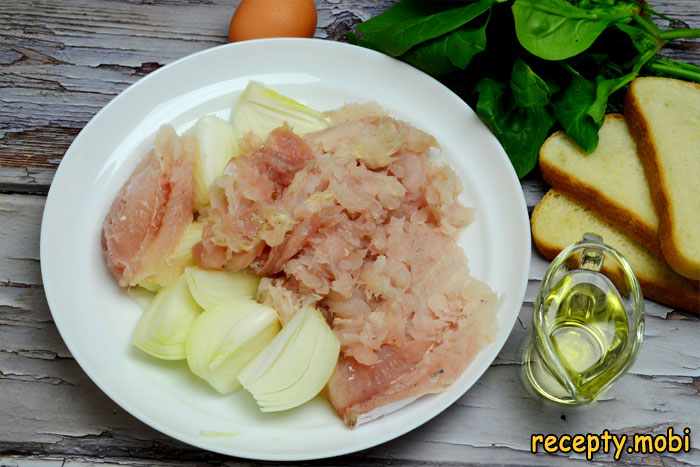
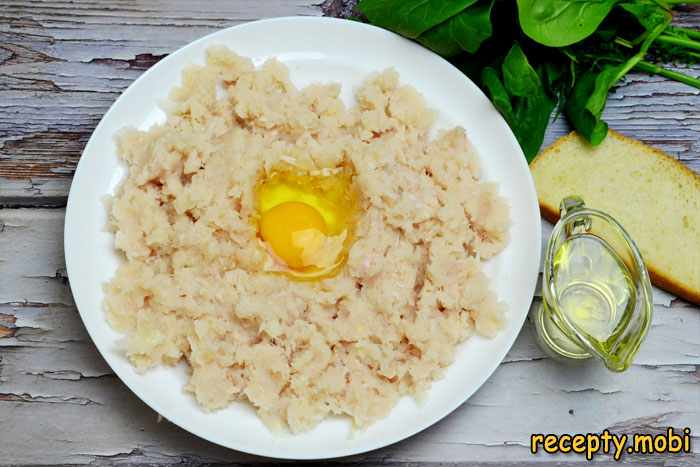
Transfer the fish mince to a deep bowl and add 1 egg – it binds the mixture and stops the cutlets from falling apart while frying. The egg should be fresh and at room temperature.
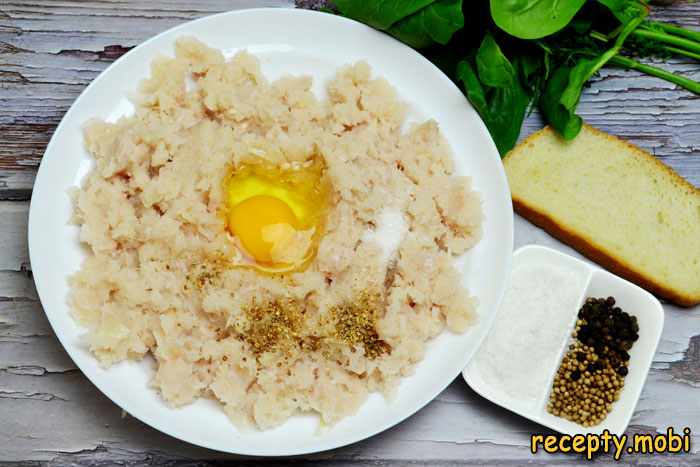
Add 1 teaspoon of salt to the mince. Separately, grind the black peppercorns (1/2 tsp) and coriander seeds (2/3 tsp) in a mortar or coffee grinder and sprinkle them over the mince – freshly ground spices keep their aroma after the cutlets are fried three times better than ready-ground spices from a packet.
For these cutlets it is better to use yesterday's slightly dried bread – it crumbles more easily and binds the mince better. Crumble 3 slices of wheat bread by hand into small crumbs and add them to the mince. No soaking in milk – the bread will absorb the excess moisture from the fish.
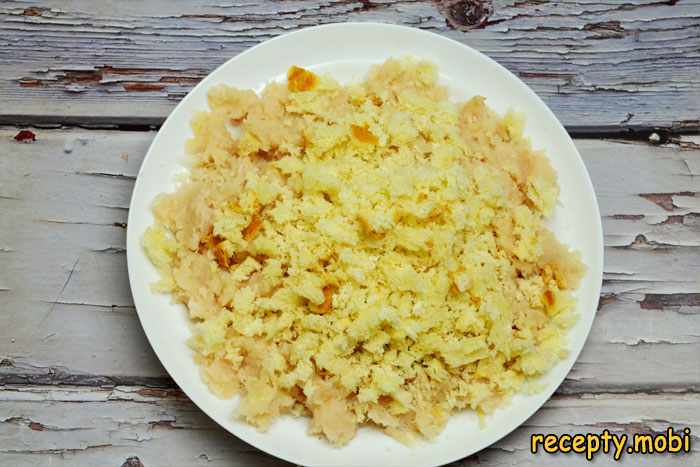
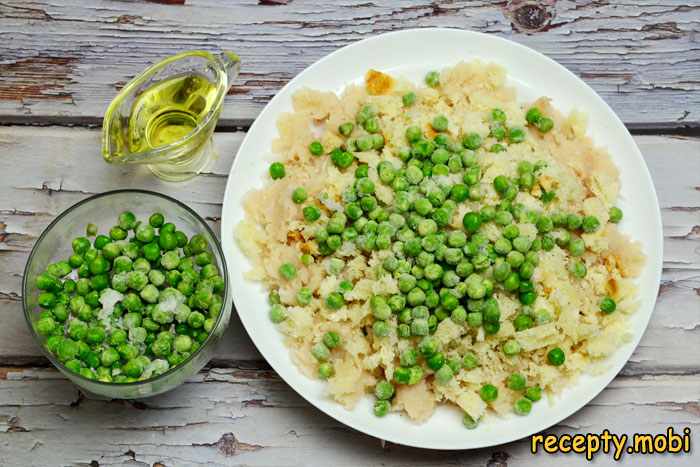
Add the green peas (100 g) to the mince while still half-frozen – soft, fully thawed peas get crushed when shaping the cutlets and lose their form. Half-frozen peas keep the attractive "pea-in-the-mince" structure that shows on the cut.
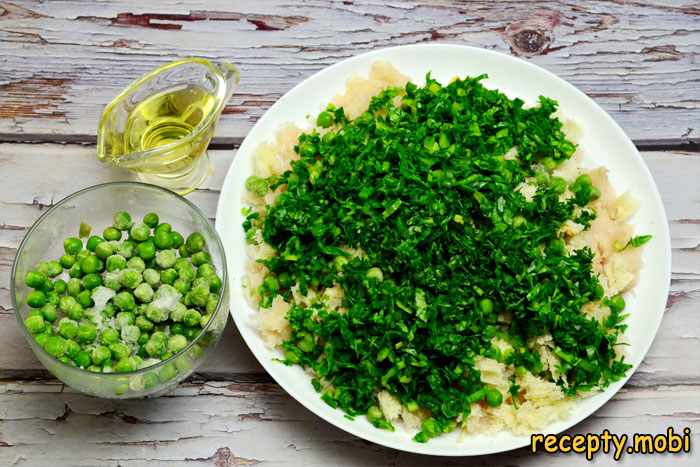
Thaw the frozen spinach (50 g) and squeeze out the excess water by hand. Finely chop the spinach leaves and the fresh dill (10 g) – don't use the stems, as they leave tough fibres in the cutlets. Add the greens to the fish mince.
Mix the mince thoroughly by hand for 2–3 minutes until smooth – all the ingredients should be evenly distributed. With damp hands, shape round cutlets 6–7 cm in diameter and 1.5–2 cm thick. This shape holds while frying and gives a nice cut.
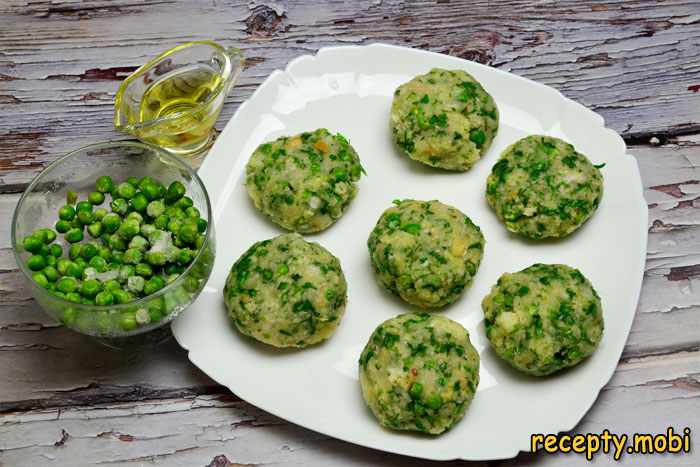
Cutlets with green peas take longer to fry than ordinary fish ones. Heat 80 ml of sunflower oil in a large frying pan over medium heat, add the cutlets and fry for 4–5 minutes over low heat until golden. Then carefully flip them, cover the pan and turn the heat to minimum. The spinach and peas will release liquid – the cutlets slowly stew in this vegetable juice for 12–15 minutes. This stage gives perfect doneness inside.
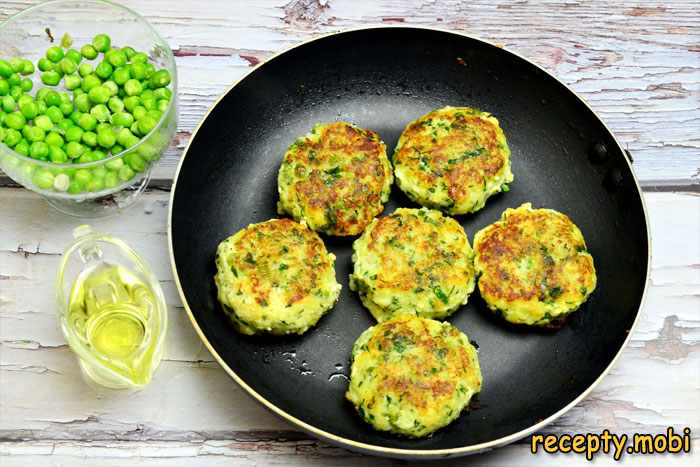
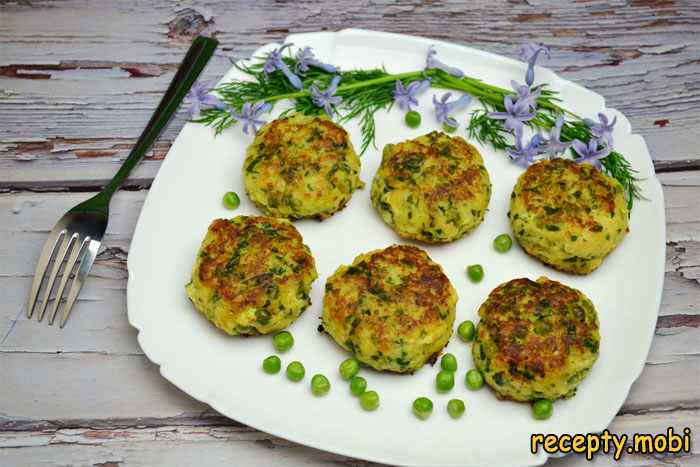
I serve the homemade hake cutlets hot, straight from the pan – fragrant, juicy, with visible peas and flecks of green. A side dish can be buckwheat porridge, durum-wheat pasta, basmati rice or mashed potatoes. A light fresh-vegetable salad rounds out the dish.


Tips
- 1
Don't use canned peas – they give a watery texture and won't create the right flavour effect. Use only frozen or fresh young peas for a genuinely bright taste.
- 2
Add the peas to the mince strictly half-frozen – that way they won't get crushed when shaping the cutlets and will keep their attractive pea shape on the cut of the finished cutlet.
- 3
Freshly ground spices release their aroma and keep it after frying. Use a mortar or coffee grinder – the difference compared with ready-ground spices is significant, the aroma is three times richer.
- 4
Cooled homemade cutlets make excellent sandwiches – cut open a roll or piece of toast, add a spicy sauce, a lettuce leaf and a piece of cutlet. A perfect packed lunch for work or school.
FAQ
Can I replace the hake with another fish in this recipe? +
Yes, pollock works well (a budget option, dry without soaking), as do cod (a premium choice with firm flesh), haddock (a delicate texture, similar to cod) and navaga (a seasonal delicacy). All of these are white, low-fat fish that bind well with vegetable additions. Use any fresh or frozen white sea fish with a minimum of bones. The recipe is not suitable for oily fish (mackerel, capelin) – their flavour clashes with the delicate vegetables. The proportions stay the same: 600–700 g of clean fillet.
Why do hake cutlets fall apart while frying? +
The main reasons are: the mince is too wet (squeeze the excess water from the thawed fish and spinach, and add 2–3 tablespoons of dry breadcrumbs); not enough binding ingredients (you need 1 egg plus bread, without them the fish mince crumbles); the mince wasn't chilled before frying (put it in the fridge for 20 minutes – cold mince holds its shape better); the pan isn't hot enough (the first side should set immediately, within 30 seconds). The most common mistake is wet hake after thawing. Always pat the fillet dry with paper towels.
Can I bake the hake cutlets in the oven instead of frying? +
Yes, this is an excellent lighter option. Place the shaped cutlets on a baking tray lined with parchment, drizzle with olive oil (2–3 tbsp for the whole batch) and bake at 180 °C for 25–30 minutes, turning them halfway through. The calorie count drops from 143 to 110 kcal per 100 g. Five minutes before they are done you can switch to the grill to form a golden crust. In the oven the cutlets come out more fluffy and juicy, with no excess fat – ideal for healthy eating and a children's menu.
What can I use instead of spinach in the cutlet recipe? +
Good substitutes are: frozen broccoli (50 g, finely chopped), white cabbage (100 g, thinly shredded and crushed with salt), courgette (100 g, grated and squeezed of water), and young nettle or sorrel leaves (a seasonal option). Basil or rocket leaves (50 g) will give a more piquant flavour. The principle is the same: a green vegetable for colour and vitamins, without tough fibre. Fresh spinach (100 g fresh = 50 g frozen) also works – first scald it with boiling water and squeeze out the water. The version with nettle is especially fragrant in spring.
- Comment
or post as a guest
Be the first to comment.