avg —
Mackerel with Vegetables in the Oven

Instructions
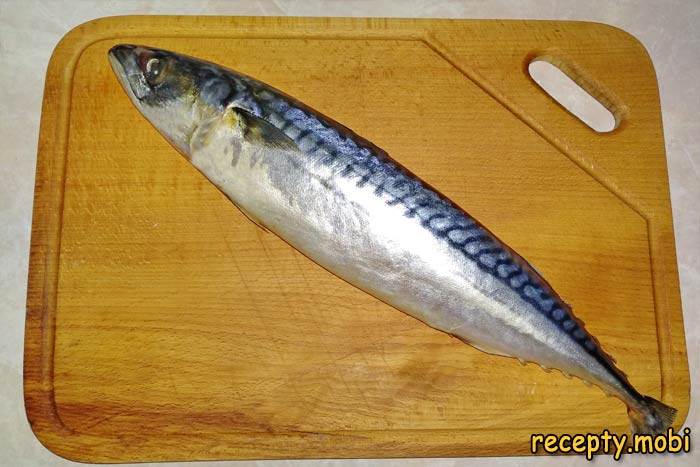
I choose fresh mackerel (600 g) with a wide back – such fish are fattier, juicier and tastier when baked. I check freshness by the gills (they should be bright red), the eyes (clear, not cloudy) and the firmness of the body (it springs back quickly when pressed). Frozen mackerel will also do, but fresh is always tastier.
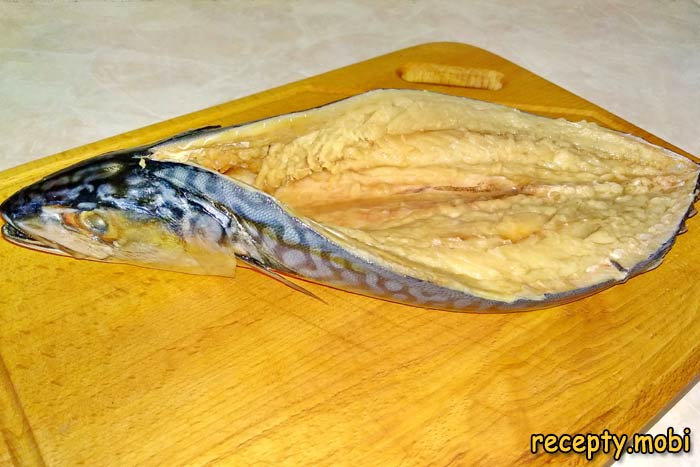
With a sharp, thin knife I cut the mackerel along the back, following the spine from head to tail, without cutting through the belly – "butterfly" style. I carefully remove the spine and the rib bones with tweezers. I cut off the gills, take out the entrails and rinse the inside thoroughly. Removing the bones is the key to eating the fish comfortably when serving it to guests.
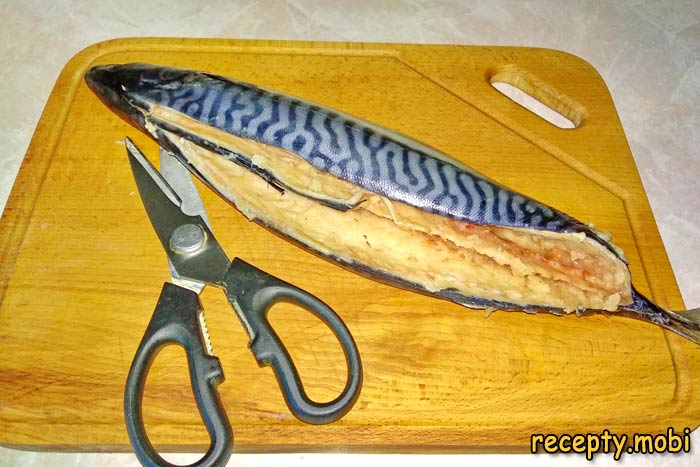
I open the prepared fish like a "boat" (a book) on the table, skin side down. I pat it dry thoroughly with a paper towel, inside and out – damp fish absorbs the marinade poorly and gives a "boiled" texture instead of a golden one when baked. A dry surface is the basis of a beautiful golden crust.
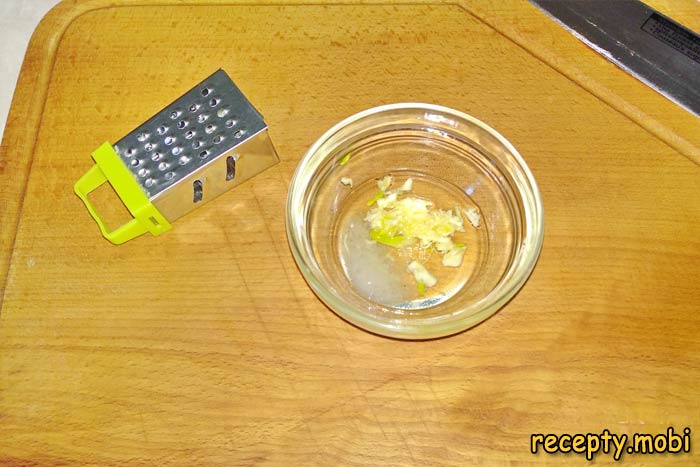
In a small bowl I mix 1 tbsp of vegetable oil, salt, black pepper and crushed garlic (2 cloves through a press). This makes an aromatic marinade for the mackerel. The garlic opens up in the oil and gives the fish a characteristic "Mediterranean" aroma.
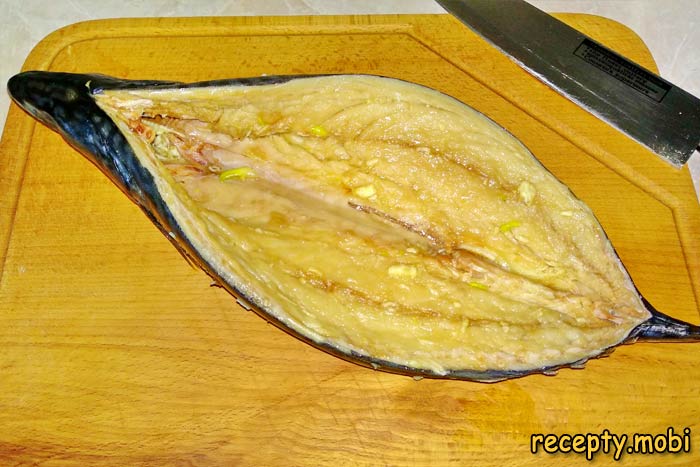
I rub the mackerel thoroughly with the prepared marinade on all sides, inside and out. I do not miss a single spot. I leave it to marinate for 30–40 minutes at room temperature so the marinade soaks deep into the flesh. Without marinating, the fish would taste bland.
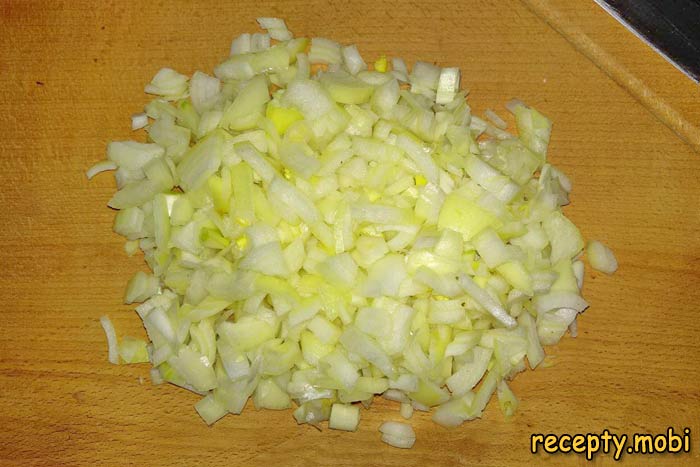
Meanwhile I prepare the vegetable filling: I finely dice the onion (2 pcs) into 3–5 mm cubes. A fine dice lets the onion "dissolve" into the overall mass and not stand out in the finished filling as separate "islands".
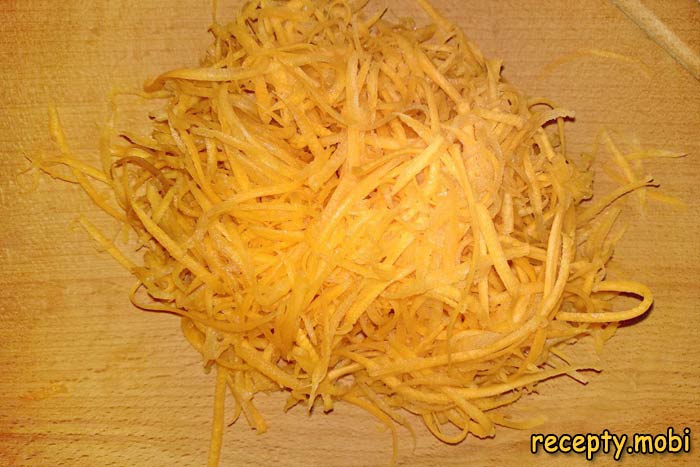
I grate the carrot (1 pc) on a coarse grater for an airy texture in the filling. A coarse grater is better – a fine one would turn the carrot to mush during frying. The carrot gives the filling sweetness, colour and juiciness.
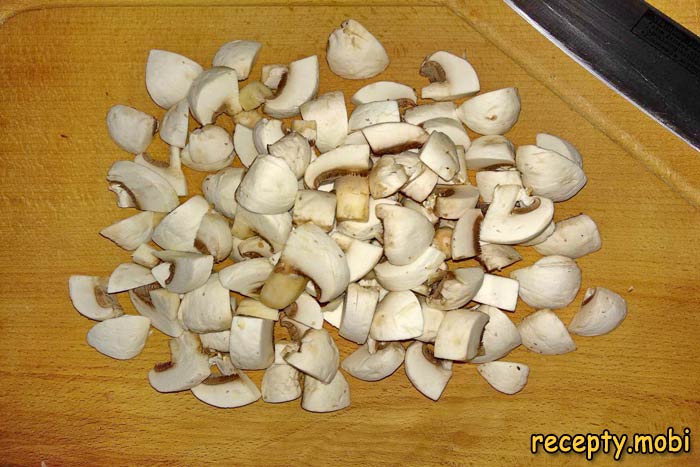
I clean the champignons (250 g) of any soil with a brush and cut them into thin slices, 3–5 mm. Not "finely" – slices work better in the filling than cubes. I do not wash them with water, as the mushrooms would absorb it and release liquid during frying. Cleaning with a brush is the rule for all kinds of mushrooms.
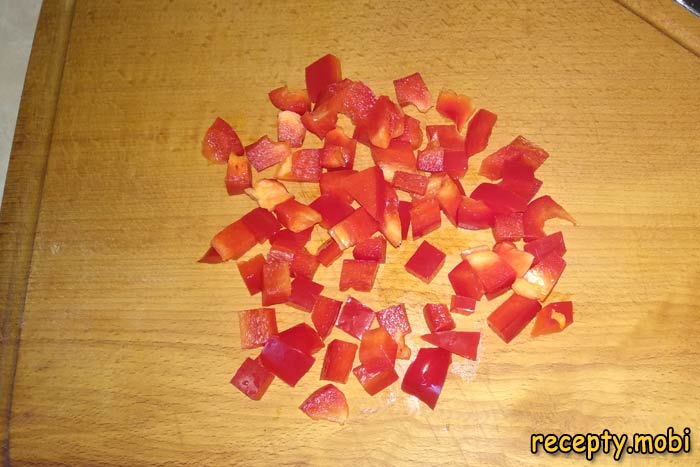
I clean the bell pepper (1 pc) of its seeds and cut it into medium cubes, 5–7 mm. I remove the white pith inside, as it gives bitterness. I use red or yellow pepper – it gives the filling a bright colour and a sweet taste.
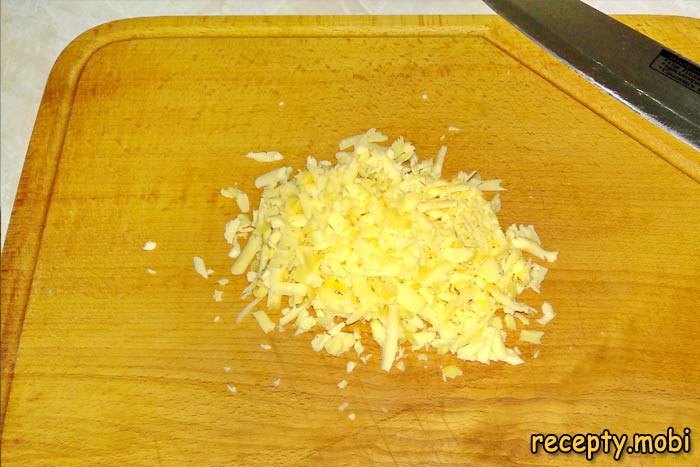
I grate the hard cheese (150 g) on a medium grater – "medium" strips of cheese give a beautiful cheese crust when baked. I use a neutral, easily melting cheese such as Gouda or Maasdam, which are ideal for baking. Chill the cheese beforehand for easier grating.
In a large frying pan with 1 tbsp of vegetable oil I fry the onion and carrot for 5 minutes until soft, then add the champignons and bell pepper and cook for another 7–10 minutes until all the mushroom liquid has evaporated. I season with salt and pepper and add the Provencal herbs. I cool the filling completely before stuffing the fish.
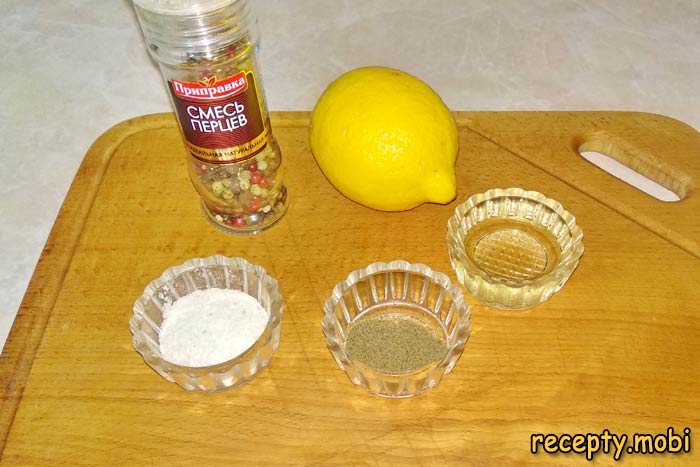
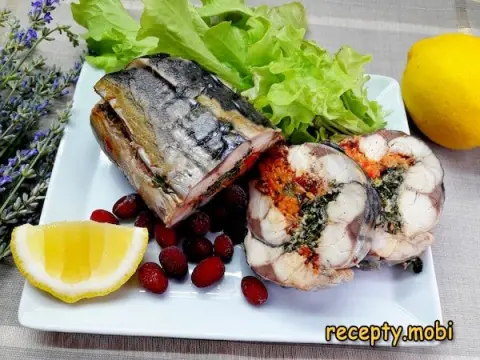
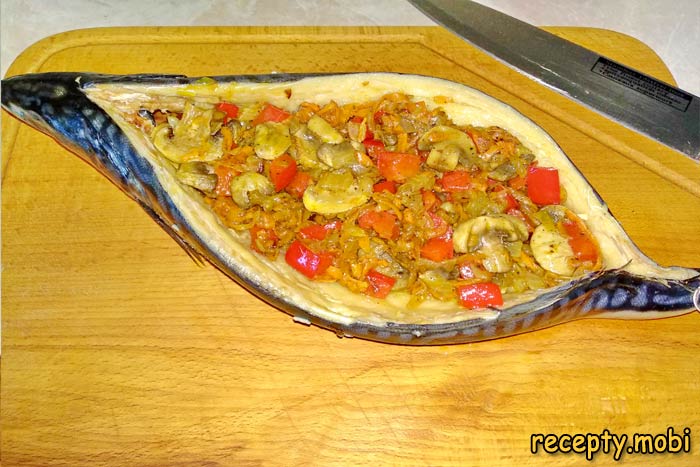
I sprinkle the marinated mackerel with lemon juice (1 tbsp) – it removes the characteristic "fishy" smell and adds freshness. I fill the fish "boat" with the cooled mushroom filling, packing it firmly but not "overfilling" – I leave room for the cheese crust on top.
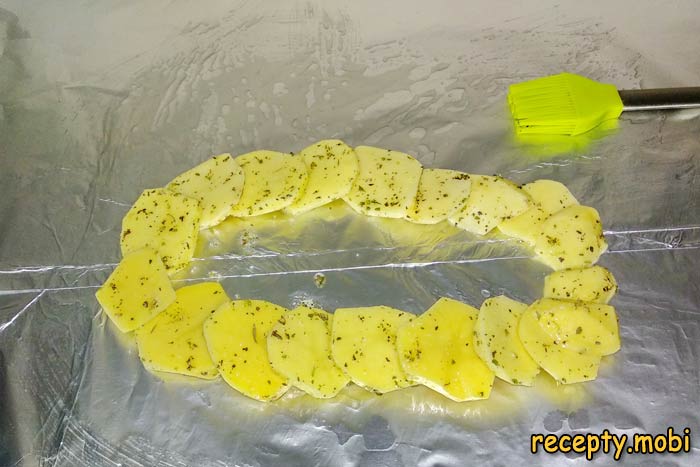
I peel the potatoes (5 pcs) and cut them into thin slices, 3–5 mm – this thickness will bake evenly in the time it takes to cook the fish. I transfer them to a bowl and mix with 1 tbsp of vegetable oil, Provencal herbs and salt. I lay them out as a "cushion" on oiled foil or a baking tray.
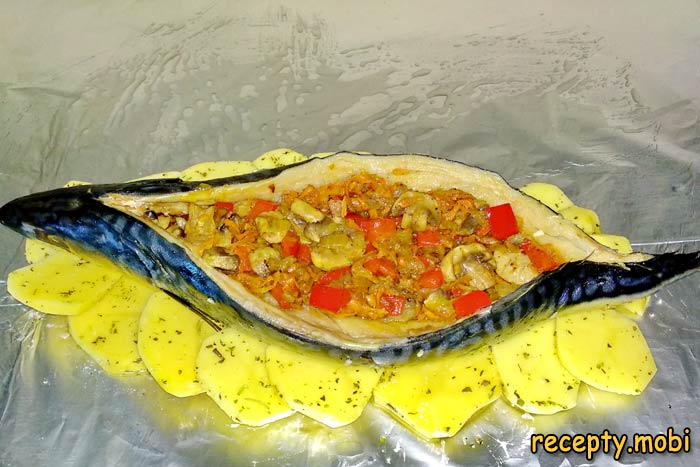
I carefully place the stuffed mackerel "boat" on top of the "cushion" of potato slices. The potatoes will work as an "absorbing layer" for the fish juices and at the same time become an aromatic side dish soaked in the flavour of the sea and the aroma of the mushrooms.
I generously sprinkle the whole surface of the stuffed filling with grated cheese (150 g) – the cheese crust becomes a "lid" for the boat. The cheese bakes into a beautiful golden crust and at the same time "seals" the filling against drying out.
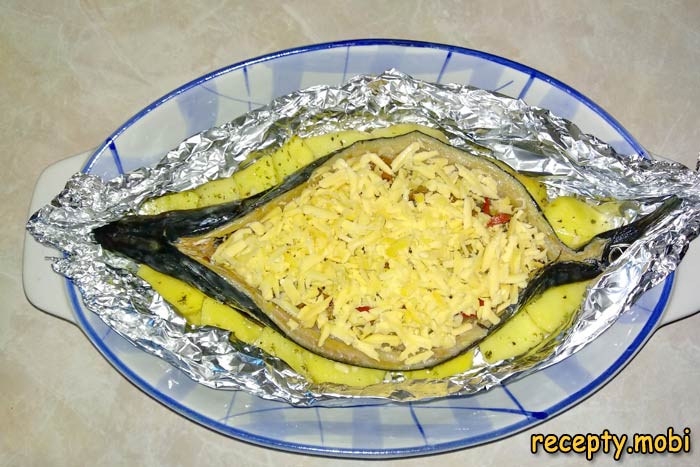
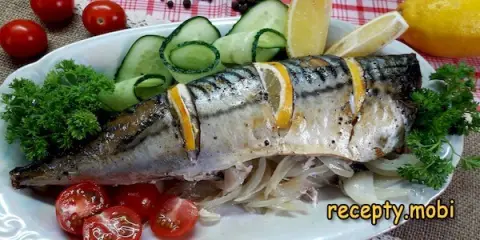
I bake in a preheated oven at 180 °C for 40–45 minutes, until the fish is cooked and the cheese crust is a beautiful golden colour. I check for doneness – the fish flesh should flake easily with a fork, the potatoes underneath should be soft, and the cheese golden and bubbling. The mackerel with vegetables in the oven is ready!
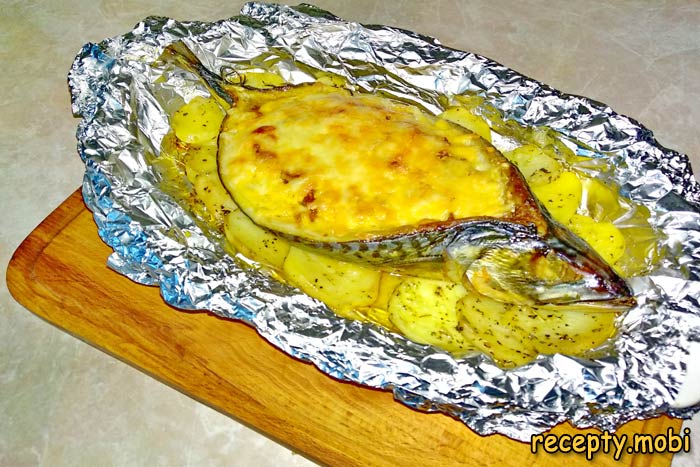
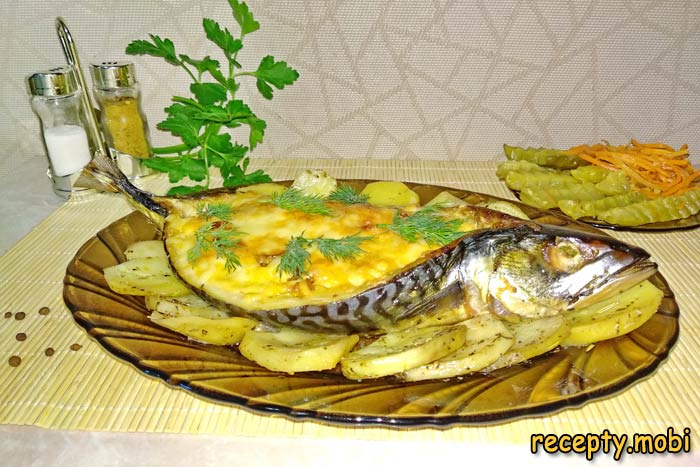
I take the finished dish out of the oven and garnish it with fresh herbs (parsley, dill) for a contrast of colour and freshness. I serve it straight from the dish or carefully transfer it to a serving platter together with the potato "cushion". The striking festive presentation in the shape of a "boat" will impress your guests.


Tips
- 1
Mackerel is easier to fillet when slightly frozen (15–20 minutes in the freezer) – the knife glides evenly and the bones separate easily from the flesh.
- 2
The potatoes on the "cushion" underneath soak up the fish juices and turn out incredibly tasty – do not skip this side dish.
- 3
Sprinkling with lemon juice removes the specific "fishy" smell – an essential step for a delicate presentation. I bake mackerel in foil on a similar principle.
- 4
The "boat" shape with its open filling is convenient for guests – everyone can see the layers, and it is easy to divide into portions with a sharp knife.
FAQ
What other fish can I use? +
Any oily fish of a similar size will do: fresh herring (a classic substitute with a similar taste), rainbow trout (more tender and "gourmet"), salmon (a premium option), chum salmon and pink salmon (more affordable red fish). Among the budget options are pollock or hake, but they are less fatty and may turn out a little dry. Sea bass, gilt-head bream and seabass are a "Mediterranean" option with white flesh. The main condition is that the fish must be large enough (from 500 g) and firm in structure so that it holds the "boat" shape with the filling.
Can the dish be made without mushrooms? +
Yes, the champignons can be left out or replaced. Alternatives: more vegetables (increase the amount of carrot and pepper, add courgettes), boiled rice (for heartiness), diced boiled eggs (a protein note), prawns (a gourmet seafood option). Without mushrooms the filling turns out "lighter" in taste, but still delicious. Among the vegetable options are diced courgettes and aubergines with tomato paste – a "Mediterranean" filling. Mushrooms give a "woodland" aroma; without them the filling has a "fresher" taste.
How long does the finished dish keep? +
The finished baked mackerel with vegetables keeps in the fridge for up to 2 days in a tightly closed container. The next day the dish is even tastier – the flavours finally come together and the filling soaks up the fish juices. Before serving, reheat in the oven for 10–15 minutes at 100 °C – a microwave will dry out the cheese on top and make the fish "rubbery". Do not freeze the cooked fish, as defrosting destroys the texture of the flesh. Ideally, eat it fresh on the day it is made for maximum taste and aroma.
What to serve the mackerel with? +
The potatoes underneath are a built-in side dish, and you can additionally serve: a fresh salad (Greek, or a vegetable mix) for contrast, boiled basmati rice, buckwheat with butter, steamed vegetables (broccoli, cauliflower). For sauces – tartare, soured cream with herbs, garlic yoghurt, homemade mayonnaise with lemon. For drinks – a dry white wine (Riesling, Chardonnay, Sauvignon Blanc), a semi-dry sparkling wine, or a light lager. It is ideal for a festive family dinner or for entertaining guests – a striking presentation and a fantastic taste.
- Comment
or post as a guest
Be the first to comment.