avg —
Pollock with Vegetables Baked in the Oven

Instructions
I prepare all the ingredients from the list. The vegetables can be chosen to your own taste and the season: instead of cauliflower you can use broccoli, instead of eggplants – zucchini. The main thing is to keep roughly the same overall volume, so that everything bakes evenly together with the fish.
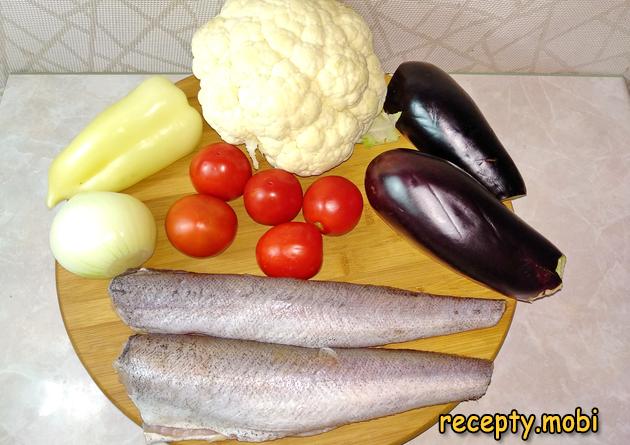
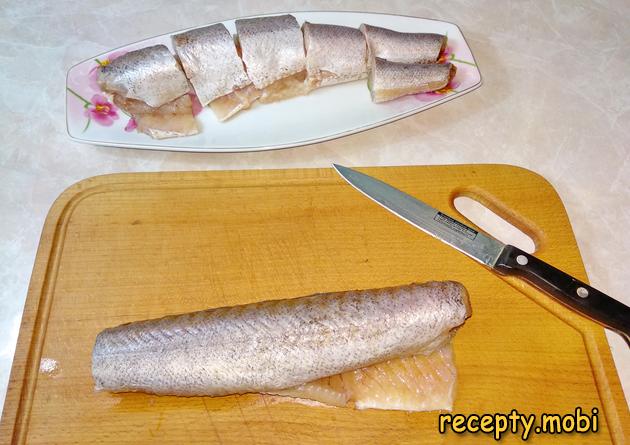
I wash the pollock carcasses thoroughly, clean out the insides and cut off the fins. I cut the fish into portion-sized pieces 3–4 cm wide. I dry the pieces well with a paper towel – wet fish releases a lot of juice, and the dish will end up "boiling" rather than baking.
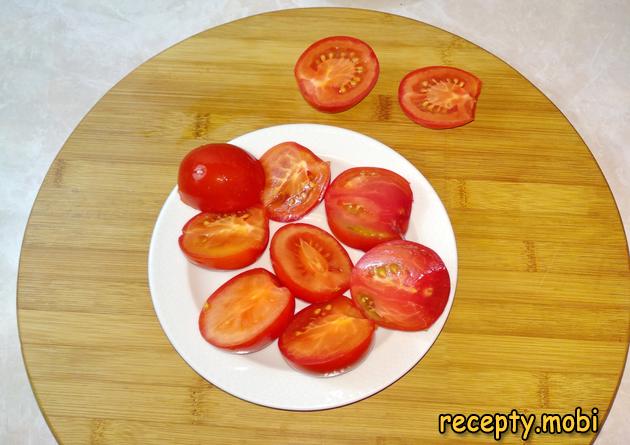
I cut large tomatoes into four pieces, and medium ones in half. I don't chop them small: while baking the tomatoes release juice and become softer, and a large cut helps them keep their shape and texture.
I cut the bell pepper coarsely too – into 3–4 cm pieces. Large slices keep their shape after baking and give the whole dish a characteristic sweetish aroma.
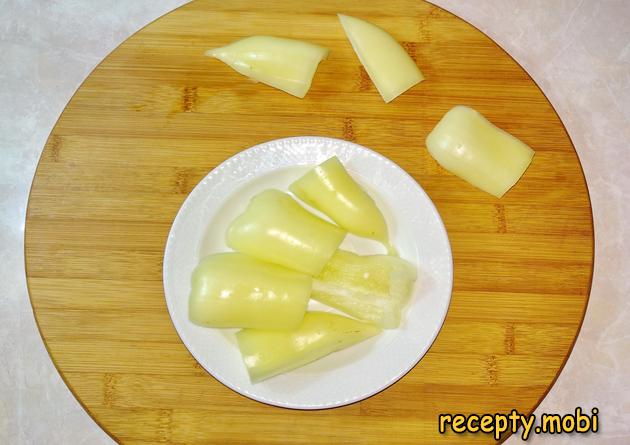
I shred the onion into thin half-rings. If you like, you can lightly salt it and press it with your hands – that way the onion "weeps" faster and gives its sweetness to the vegetable bed.
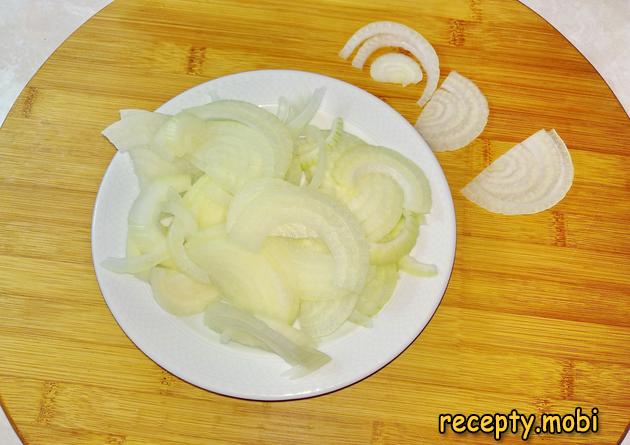
I cut the eggplants into large pieces, trying to keep them the same size. Even cutting is important – otherwise some pieces stay raw while others fall apart into a purée.
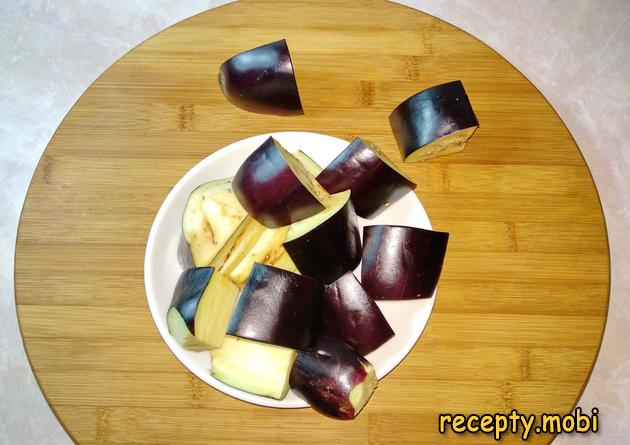
If the cauliflower florets are small I leave them as they are, and cut large ones into equal pieces. Equal-sized pieces are the key to even cooking of the whole vegetable bed.
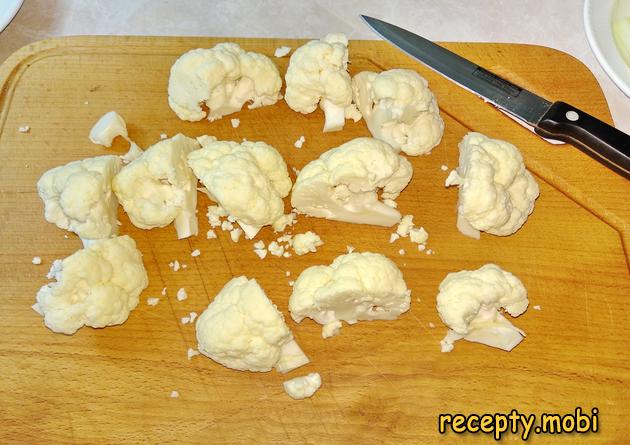
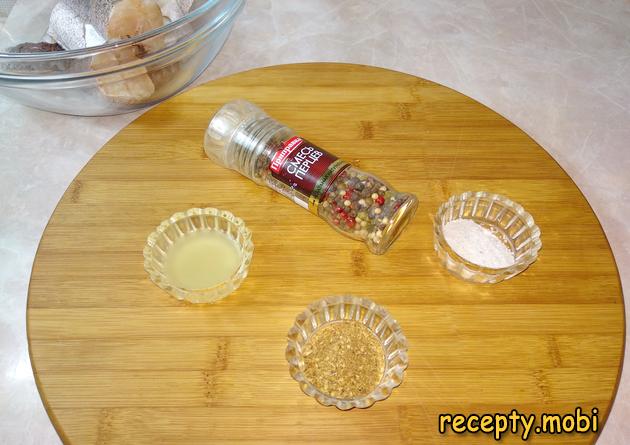
I salt the fish and season it with the spices from the list: pepper, fish seasoning if you like, a few drops of lemon juice. I choose mild spices – pollock is a delicate fish and is easily overpowered by strong aromas.
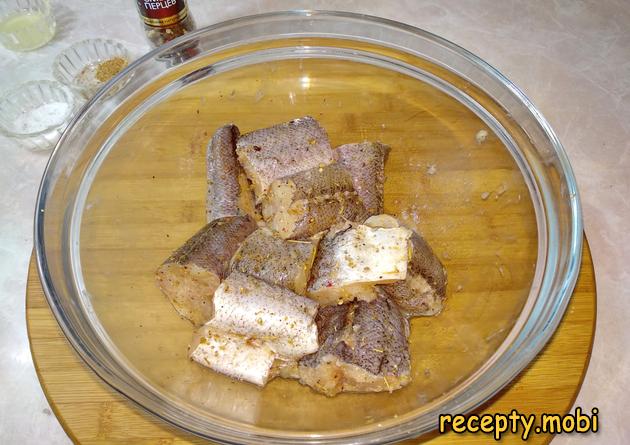
I leave the marinated fish for 5–7 minutes, so the spices have time to penetrate the fibres. A longer marinade is not needed for delicate pollock – it absorbs the aromas quickly anyway.
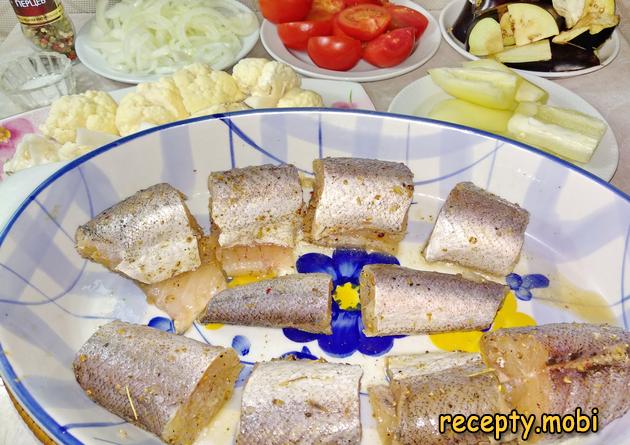
I lightly grease the baking dish with vegetable oil and lay out the fish. You need only a little oil – it prevents sticking but does not take part in the flavour of the dish.
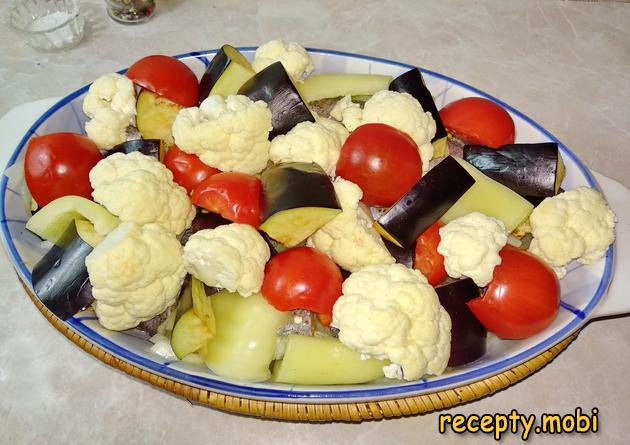
I arrange the vegetables freely on top of and around the fish. A free arrangement gives a nice "homemade" look and lets every piece get a share of the sauce.
I mix the sour cream and mayonnaise in a separate bowl – the result is a smooth white sauce. A 1:1 ratio gives a balanced taste: the sour cream adds a slight tang, the mayonnaise adds richness.
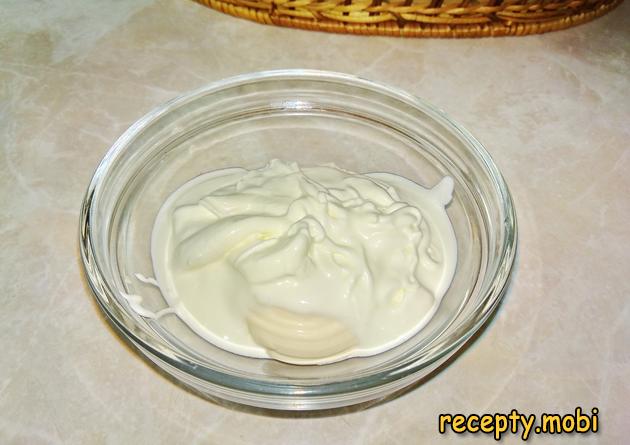
I transfer the sauce into a bag or piping pouch and apply it in a thin mesh over the dish. A thin mesh is important: there is no need to cover everything completely, otherwise the top will turn out "boiled" rather than golden. I preheat the oven to 185 °C.

The fish with vegetables cooks for 20 minutes under a lid or foil, then another 30 minutes without the lid – until done and golden. Both stages matter: under the lid the vegetables stew, and without the lid they get a golden crust on top.
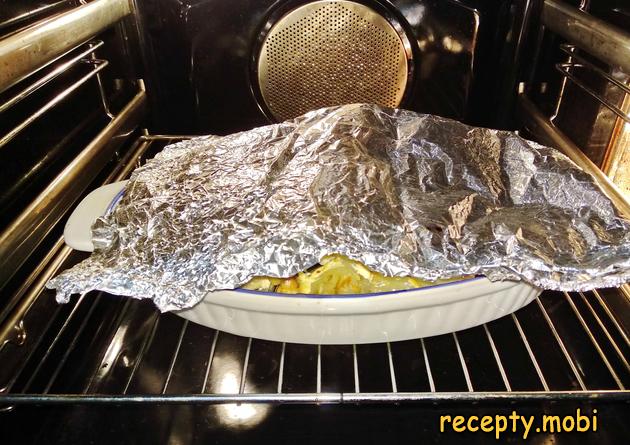
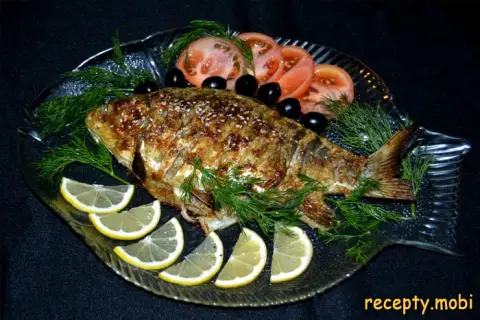
The pollock with vegetables baked in the oven is ready. I bring it straight to the table in the baking dish – it saves on washing-up and creates a "homemade" atmosphere. A full lunch or dinner in a single dish!



Tips
- 1
Be sure to pat the fish dry with a paper towel before marinating – wet pollock releases a lot of liquid and the dish will "stew" instead of baking.
- 2
You can salt the eggplants in advance and leave them for 15 minutes – they will release their bitterness, after which you rinse and dry them. This is especially important for mature eggplants.
- 3
The vegetables can be varied by season: in summer add zucchini, in autumn – pumpkin, in winter – frozen broccoli. I use a similar principle in other fish bakes.
- 4
Don't spread the sour cream and mayonnaise sauce in a solid layer – leave a "mesh" so the fish can brown on top. Otherwise you'll get a "stewed" dish.
Video

FAQ
What can I replace pollock with in this recipe? +
Instead of pollock you can use any white sea fish: cod, hake, haddock, saithe, blue whiting or pike-perch. They all have a similar density of flesh and a delicate taste – the cooking time will not change. Red fish (salmon, trout) will also work, but it has a different texture and a more pronounced flavour – you'll get a different dish, fattier and more aromatic. I don't recommend river fish (crucian carp, pike, catfish) – it has a lot of bones and a specific taste that goes poorly with the sauce.
Can I cook it without mayonnaise? +
Yes, the mayonnaise can be replaced entirely with sour cream (4 tbsp of sour cream in total instead of 2+2) – you'll get a "lighter" version with a fermented-milk note. Plain unsweetened yoghurt, thick cream, or kefir with flour (1 tsp of flour + 3 tbsp of kefir) will also work. Homemade mayonnaise is a great option too – it is less harmful than shop-bought and gives a pleasant creamy taste. Without the sauce the dish turns out a little "dry" – the fish doesn't soak up the vegetable juices as well.
How do I tell when the fish is done? +
Pollock is ready when the flesh has turned opaque white and separates easily from the bones with a fork. When you press the fish with a finger it should spring back – "soft" means raw, "hard" means overdried. The colour changes from translucent pinkish-grey to milky white. If the fish is done but the vegetables are still raw, cover the dish with foil for 10 minutes so the vegetables finish in their own steam without overdrying the fish.
How long does the finished dish keep? +
Pollock with vegetables keeps for 2 days in the refrigerator in a closed container. It is best reheated in the oven at 150 °C under foil for 15–20 minutes – in the microwave the fish becomes "rubbery". I don't recommend freezing it – when defrosted the fish loses its texture and the vegetables become watery. It's better to cook it for 1–2 days and eat it fresh – the taste and benefits are at their maximum.
- Comment
or post as a guest
Be the first to comment.
Related recipes