avg —
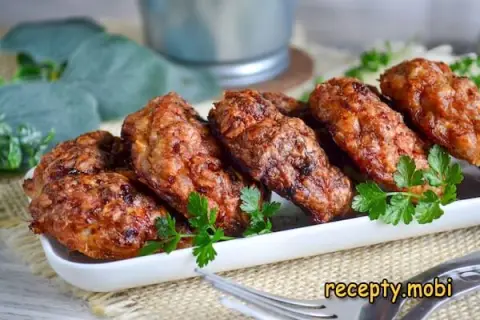
Georgian Dumplings with Minced Meat in a Skillet

Instructions
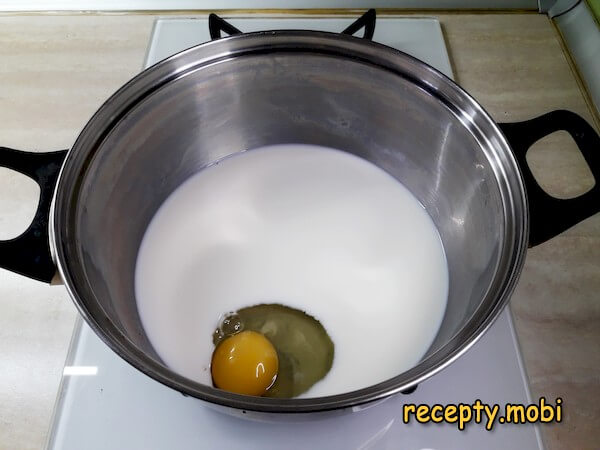
These Georgian dumplings have a very unusual method for making the dough – it turns out incredibly tender, rolls out easily and yet does not tear, taking happily to any handling. I put all the dough ingredients except the flour itself into a saucepan. I set the hob to medium heat and start to warm the mixture.
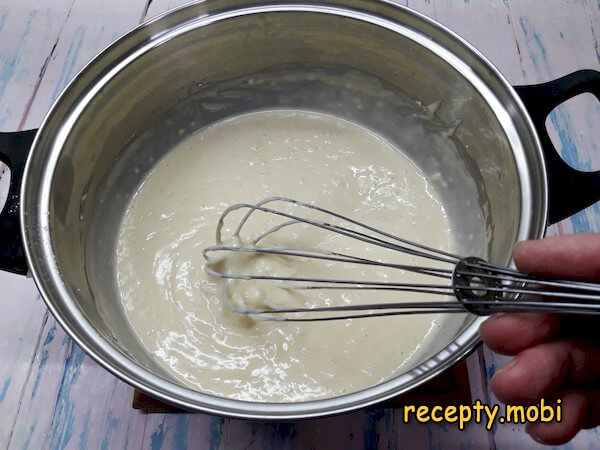
I add the flour little by little, working with a whisk all the time so the egg does not set too early. I bring it to the consistency of pancake batter.
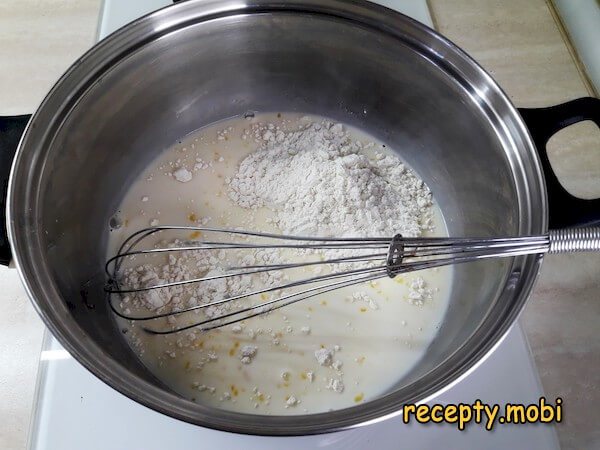
Gradually the mass will start to clump, that is, it cooks into a custard.
I turn off the hob and add the remaining flour straight away.
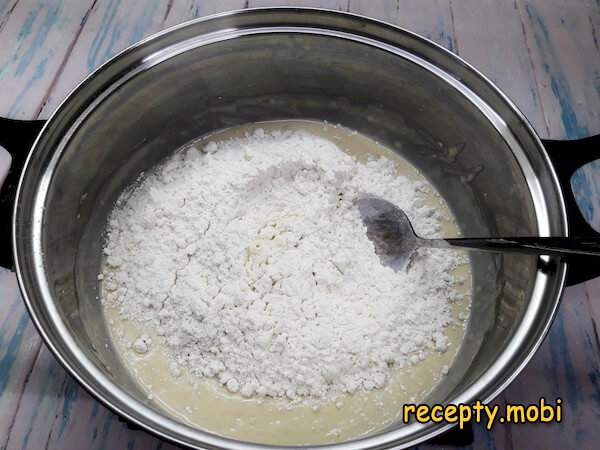
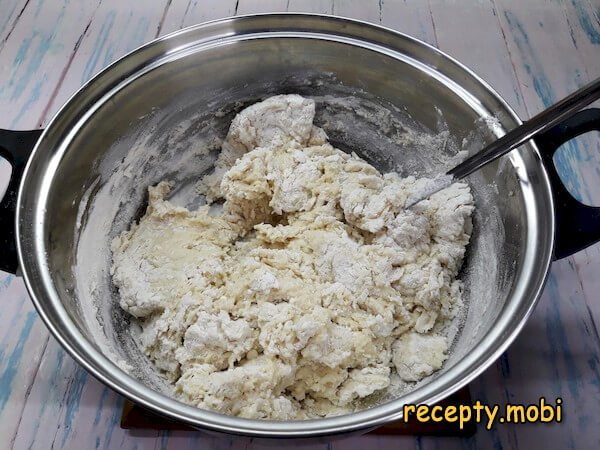
I stir everything with a spoon, bringing the wet and dry parts together into clumps. Then I knead the dough by hand on the table, dusting in the flour reserved for kneading as needed. I let the dough rest under cling film while the pouring sauce is being made.
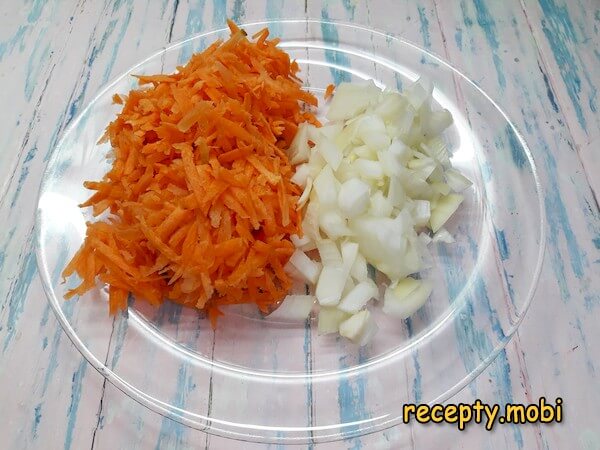
I coarsely grate the carrot. I grate or chop the onion.
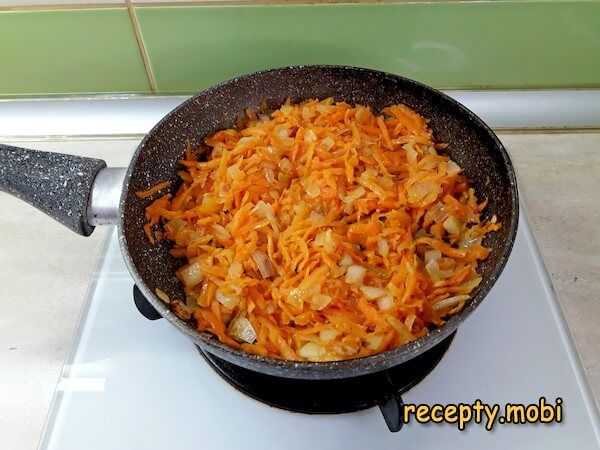
I fry the vegetables in a skillet with a little oil until soft.
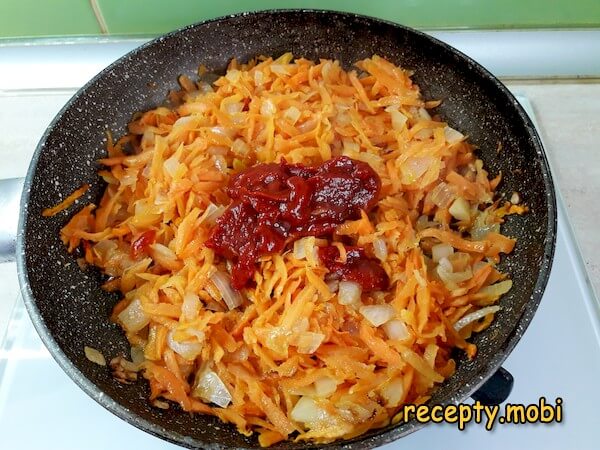
I add the tomato paste here.
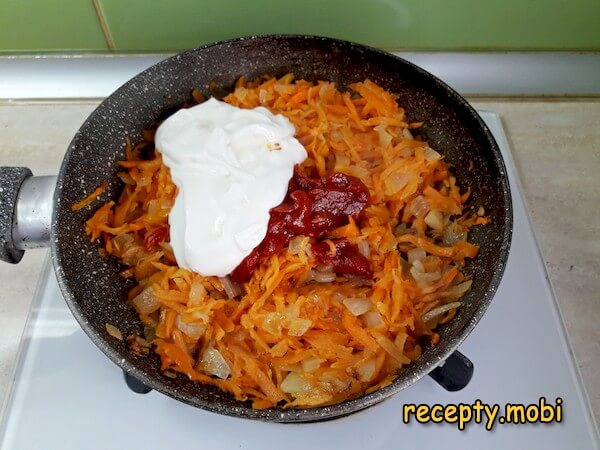
And then the sour cream straight away. I warm the sauce for a couple of minutes, season with salt and take it off the hob.
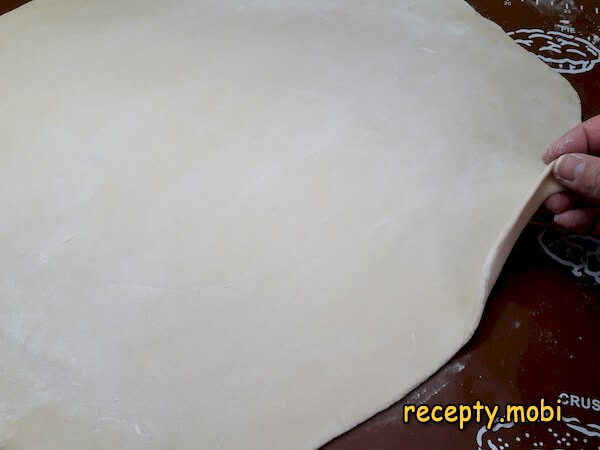
I roll the dough out on the table into a large sheet (up to 2–2.5 mm thick).
I spread the meat filling over the entire surface.
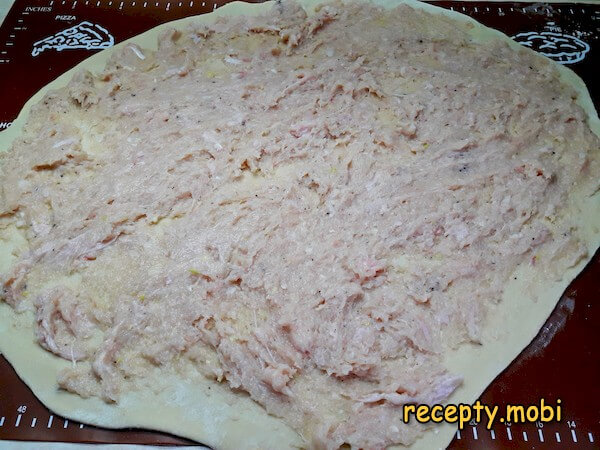
I roll it up into a long, tight roll.
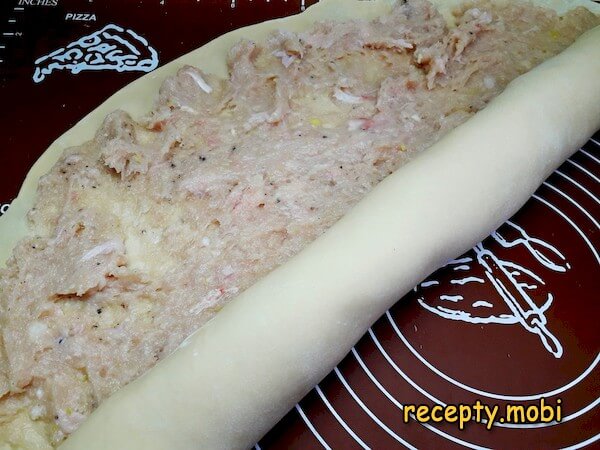
I pinch the open edge to the main sheet.
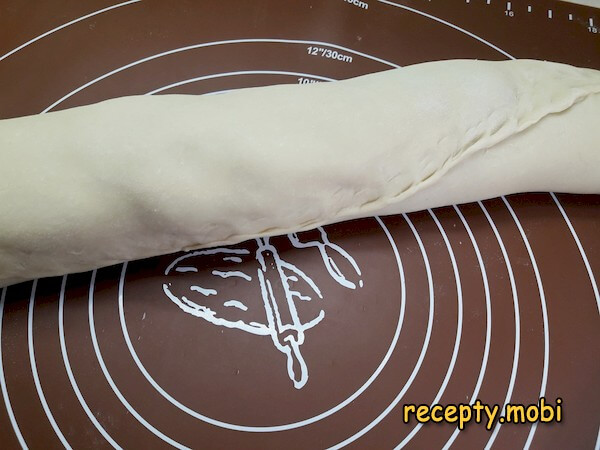
I cut the dough sausage, rolled into a spiral, into equal rounds (about 5 cm each).
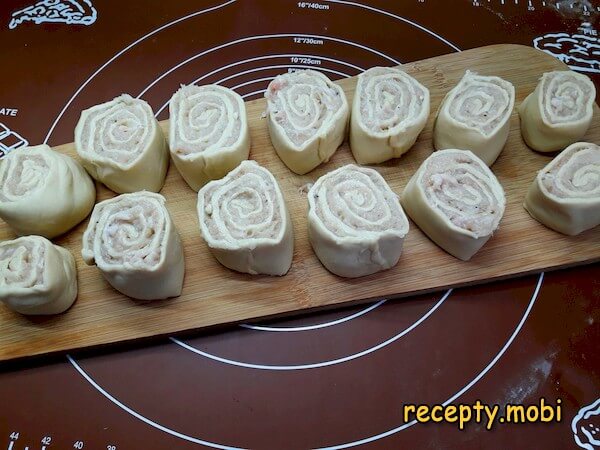
In heated oil I seal (fry) the bottom of the pieces until golden.
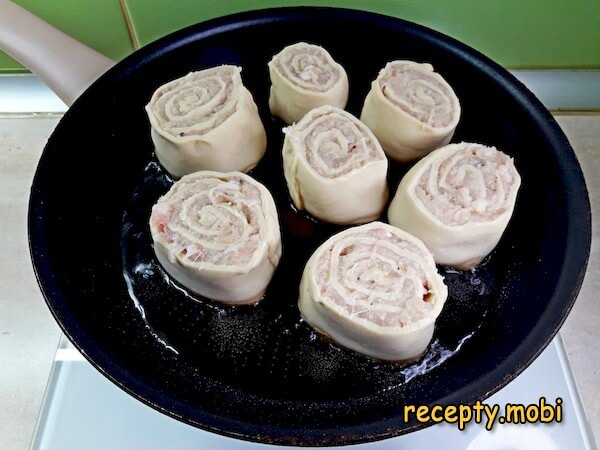
The tops of the Georgian dumplings can be fried as well, or left unsealed. A mix of sealed and open tops looks attractive when serving.
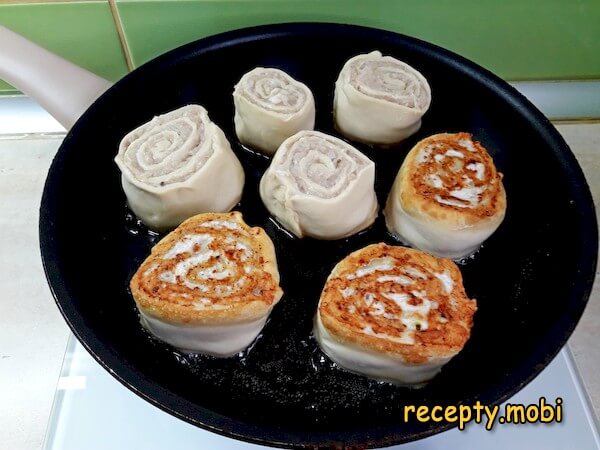
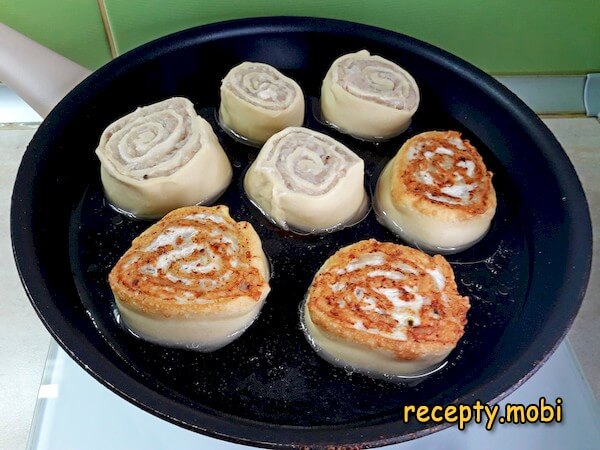
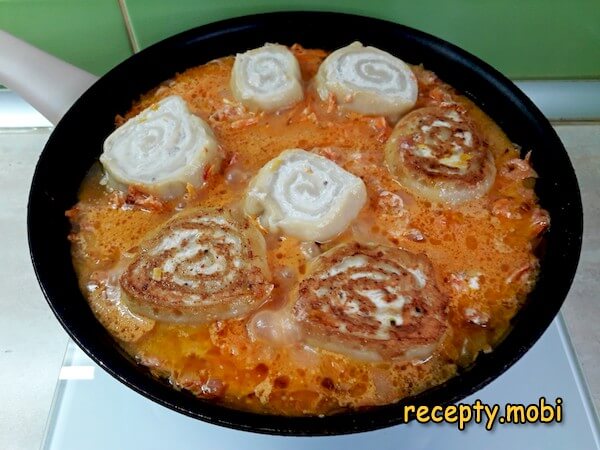
I pour water into the skillet up to half the height of the rolls. Let the hussars simmer under a lid for about 10 minutes.
I distribute the pouring sauce into the gaps between the rolls. If after this the level of the vegetable sauce does not reach the top of the pieces, I add a little more water.
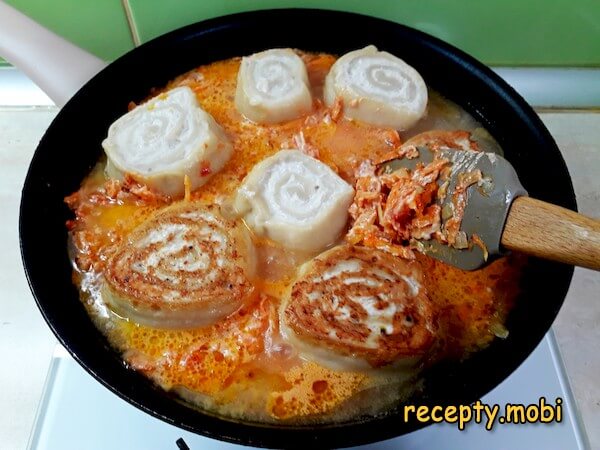
I cover everything with a lid. I set the heat a little above the lowest setting and let the Georgian dumplings with minced meat simmer in the skillet for another 20 minutes.


Tips
- 1
CUSTARD DOUGH ON THE HOB – the "secret" to tenderness. Warming the milk mixture while adding flour gives elasticity, so the dough does not tear when you roll it up.
- 2
FRYING THE BOTTOM – the "secret" to the shape. Without it the rolls "fall apart" during simmering and the filling leaks out.
- 3
SAUCE UP TO HALF THE HEIGHT – the right way to simmer. Fully covered they "fall apart", with no liquid they burn.
- 4
A SECOND BATCH IN THE FREEZER – a "family make-ahead". Frozen ones keep for a month; cook them straight from frozen. The same principle works for other kinds of lazy dumplings.
FAQ
Which mince should I choose? +
Chicken is ideal (as in the recipe – lean and tender). Alternatives: a 50/50 pork and beef mix (the classic, more filling), beef (lean), turkey (good for children) and lamb (an Eastern note). Fresh shop-bought mince – check the composition (no soy, starch or phosphates). Freshly ground at home tastes better. A fat content of 15–20% is optimal for chicken. Defrost frozen mince in the fridge for 6–8 hours. A mince-to-dough ratio of 400 g to 350 g of flour is optimal. For a "premium" version, use farm-sourced meat; for a "diet" version, turkey.
What is custard dough? +
Custard dough made with milk (as in this recipe) is a unique technique in which the liquid is warmed with the egg until it thickens, then "finished" with the remaining flour. The result: dough that is very elastic, rolls out thinly without tearing and does not "leak" during simmering. An alternative is to use boiling water (as in ordinary custard pelmeni). For these rolls you specifically need the milk version – it gives tenderness. Do not confuse it with the choux pastry used for éclairs (a different technique). The method is common in Ukrainian and Georgian cuisines. The downside: you have to knead it straight after warming, otherwise it "cools down" and loses its properties.
How long do Georgian dumplings keep? +
Cooked ones keep in the fridge in a container with a lid for 2–3 days. To reheat, warm them in a skillet with 1 tbsp of water under a lid for 5 minutes, or in the microwave for 1–2 minutes. Raw shaped ones keep in the freezer for up to 2 months (spread out on a board, then transferred to a bag). Cook them straight from frozen, without defrosting (fry then simmer right away, with 5–7 minutes more cooking time). Do not leave raw ones at room temperature for longer than 30 minutes. On the second day the dish "matures" and the flavour becomes richer. It is ideal as a "family make-ahead" – a double portion.
What to serve Georgian dumplings with? +
The Georgian classic: with sour cream (thick) and fresh herbs (parsley, coriander, dill). As a dish on its own – the pouring sauce is already there. With black or rye bread. With a glass of wine or chacha for a "Georgian" presentation. With a glass of red semi-sweet. With a cup of herbal tea for a warming supper. For a "family lunch" – with a vegetable salad. For a picnic – cooled, in foil. For a "children's" lunch – with mash or buckwheat. With a hot sauce (adjika, tkemali) for those who like it spicy. A versatile dish for winter evenings.
- Comment
or post as a guest
Be the first to comment.