avg —
Manti with meat and potatoes

Instructions
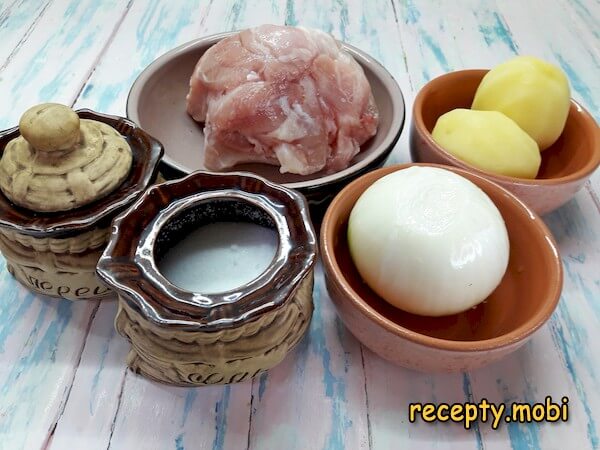
I get the ingredients ready for the dough.
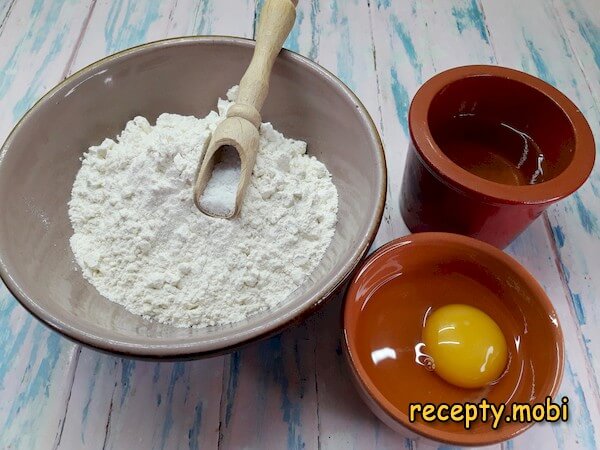
I also set out the filling ingredients on the table.
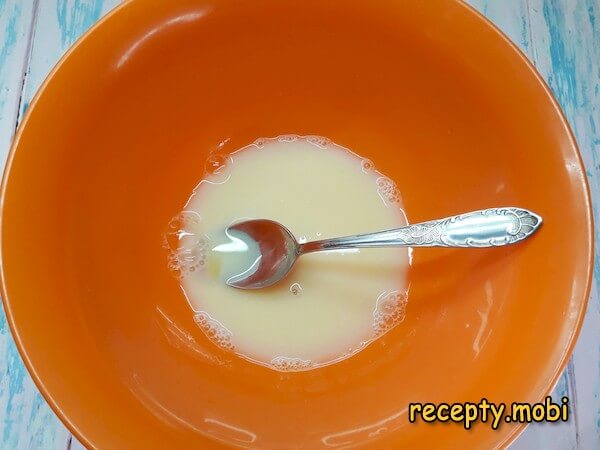
You need to start this dish with the dough for manti, since it has to rest for a while, and in the meantime you can get on with the filling. In a wide bowl I mix the water, salt and egg.
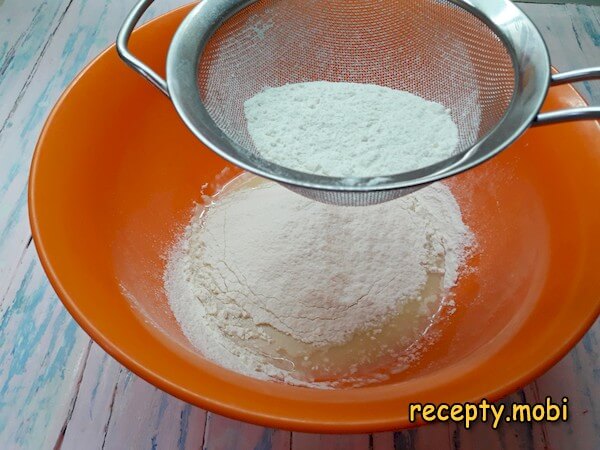
I mix in the flour, first passing it through a sieve.
On a flat surface I knead a very stiff dough.
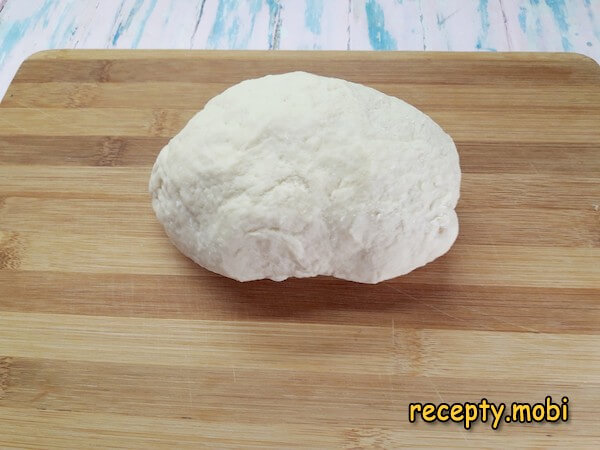
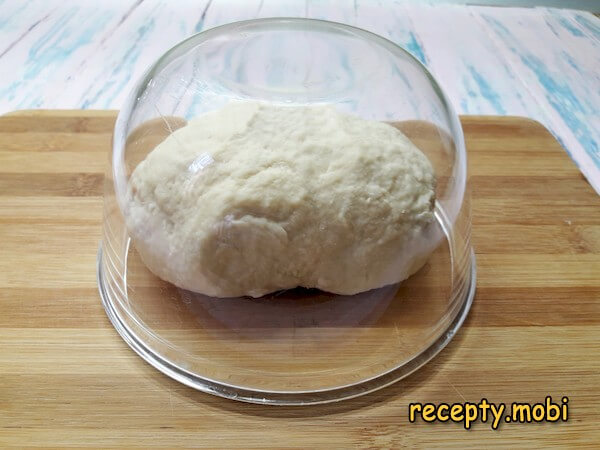
I cover it with a small bowl and leave it standing on the table while the filling is being prepared.
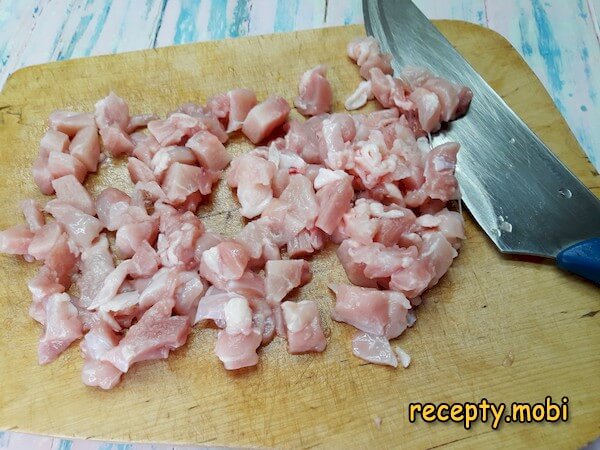
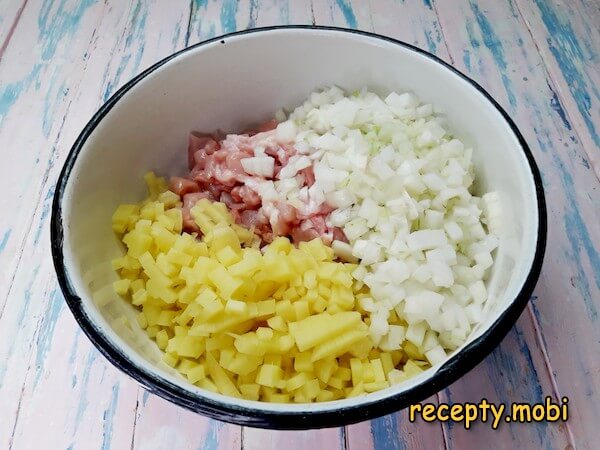
I cut the slightly frozen meat as finely as possible.
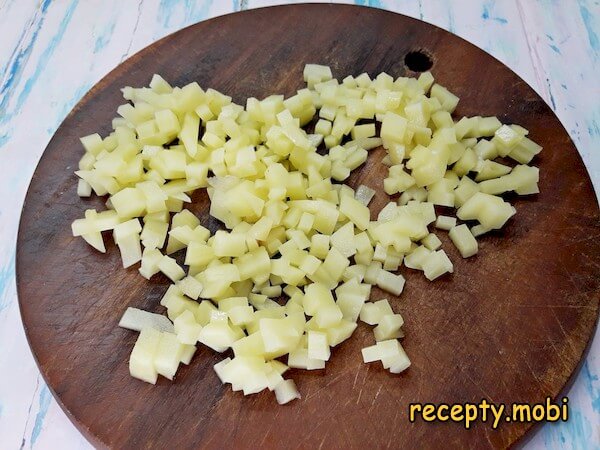
I chop the potatoes into similar cubes.
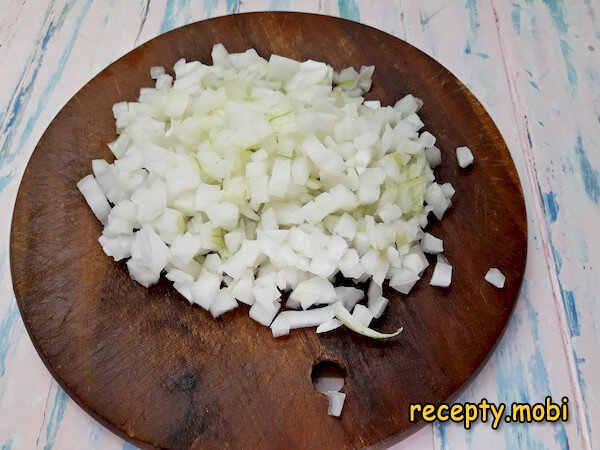
I do the same with the onion.
I put all the chopped ingredients into a bowl.
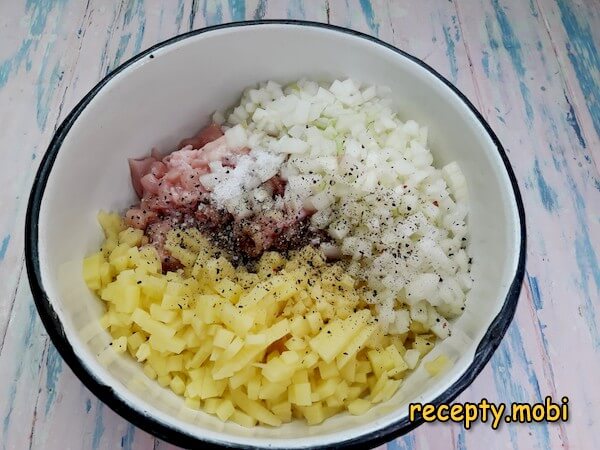
I pepper and salt the filling.
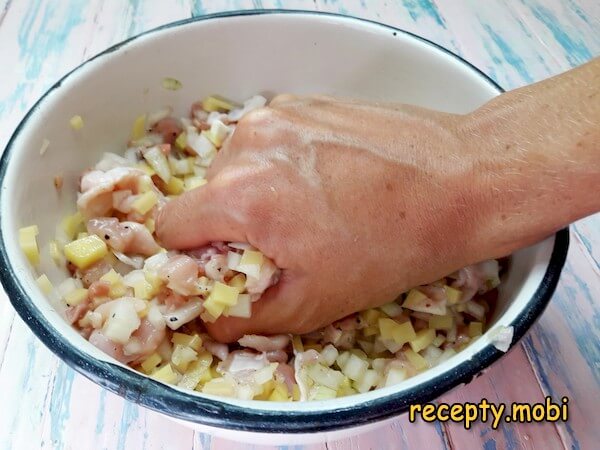
I mix it with my hands so that all the pieces are evenly distributed throughout.
I cut a small piece off the dough (so it is easier to work with). I roll it into a sausage shape and divide it into pieces.
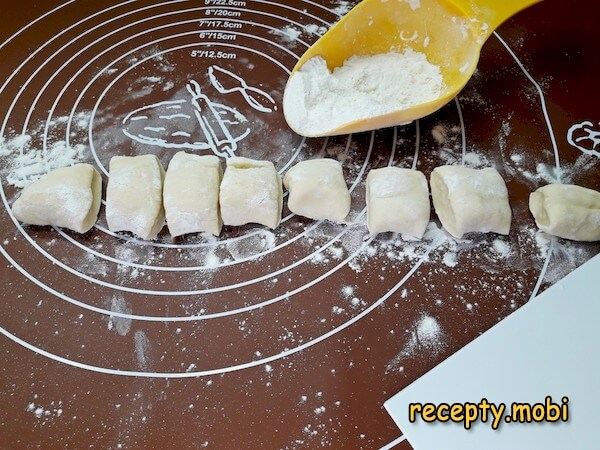
I dust the sticky ends with flour and flatten them slightly.
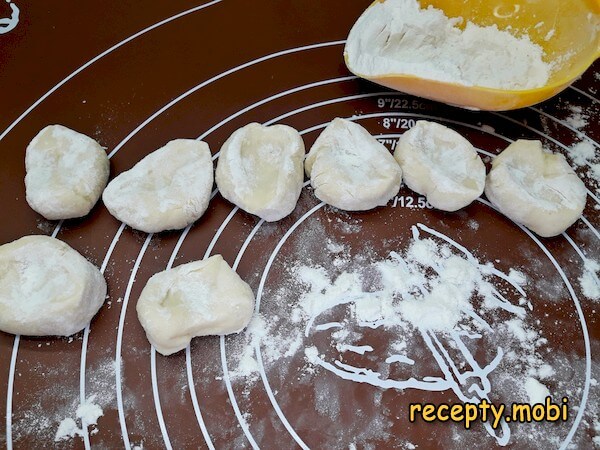
I roll them out very thinly into circles, 9–10 cm in diameter.
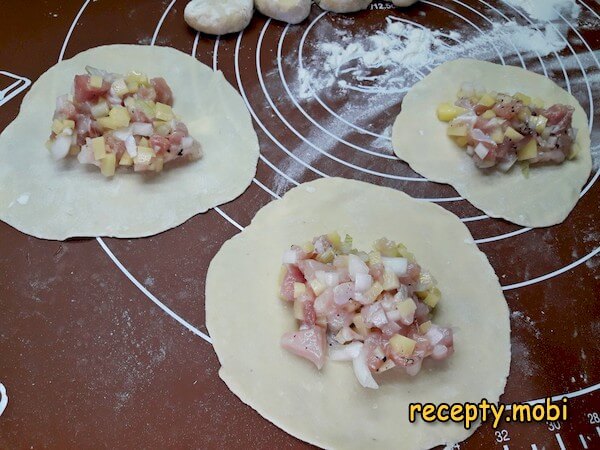
I place 1.5 tablespoons of filling on each.
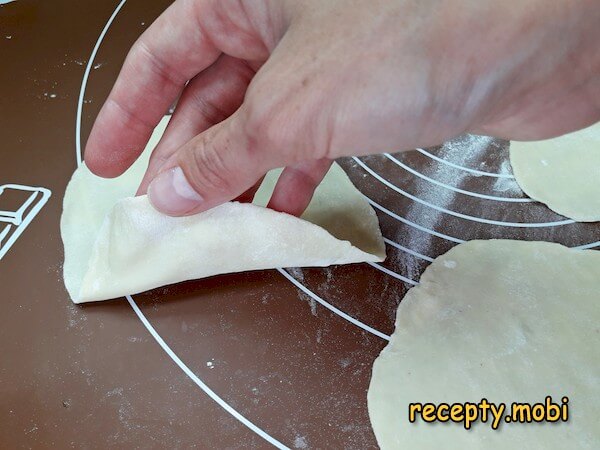
I join the opposite edges with a short segment at the centre of the round.
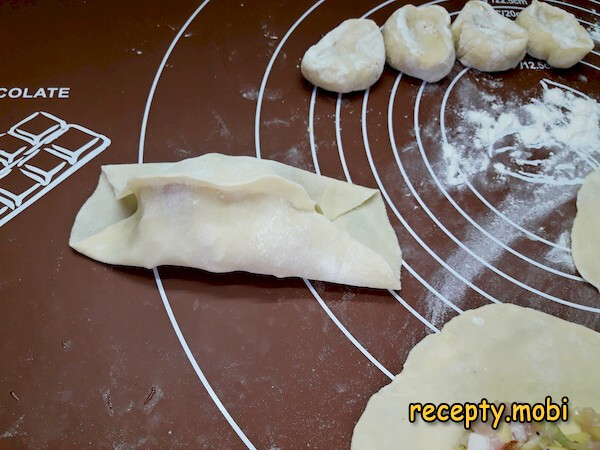
Perpendicular to this segment, I pinch the ends together.
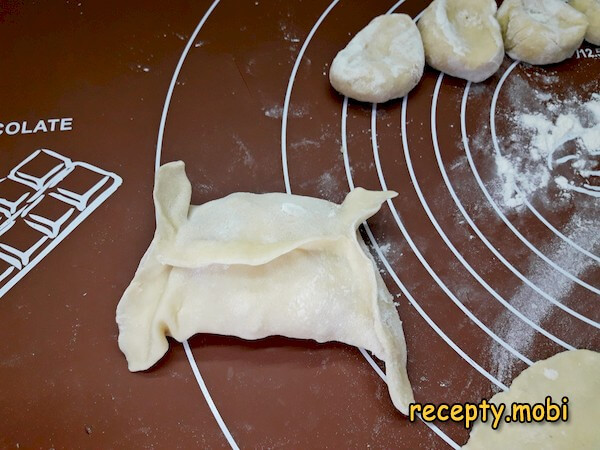
I bring the tips from the right and left ends towards each other and pinch them together.
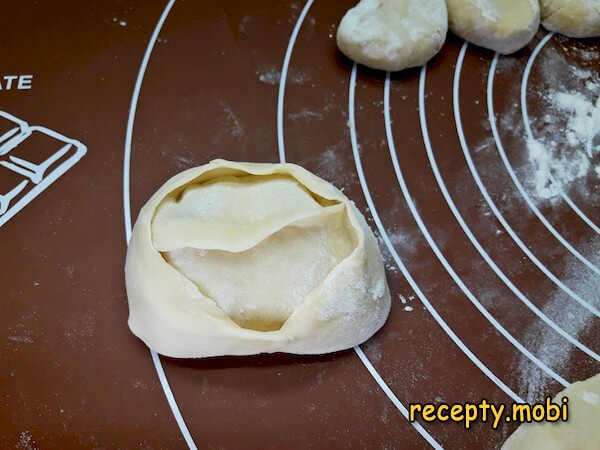
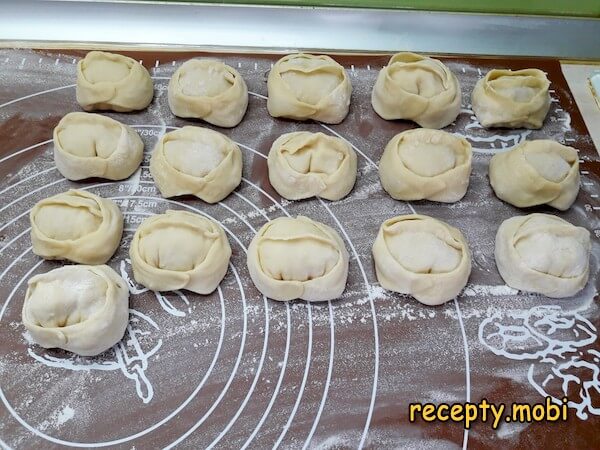
I shape all the manti with meat and potatoes this way, placing them on a floured surface.
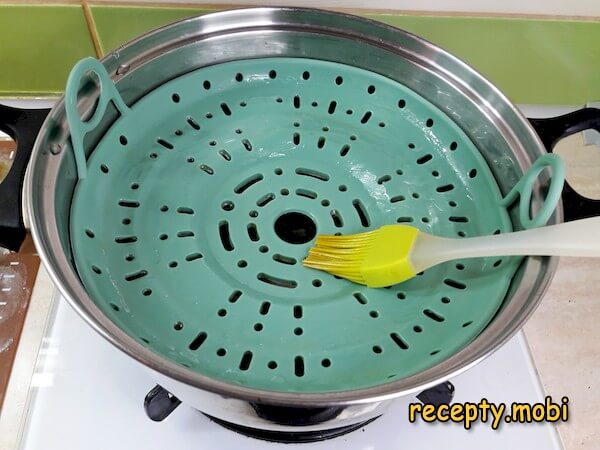
I grease the tray of a real or improvised steamer with vegetable oil. I wait for the water in it to come to the boil (it must not touch the tray).
I lay out the dumplings spaced a little apart from one another. I cover them with the lid and set the heat just below medium.
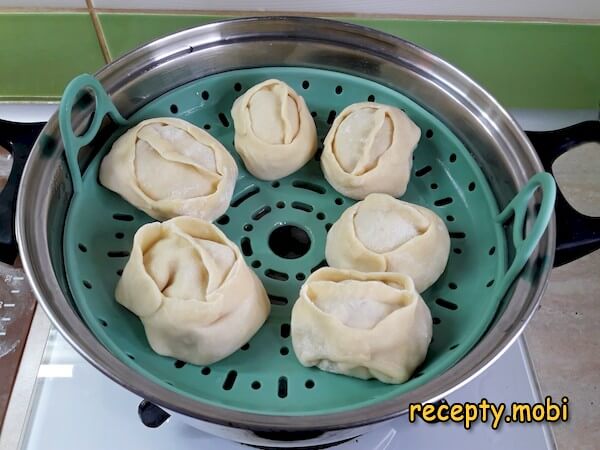
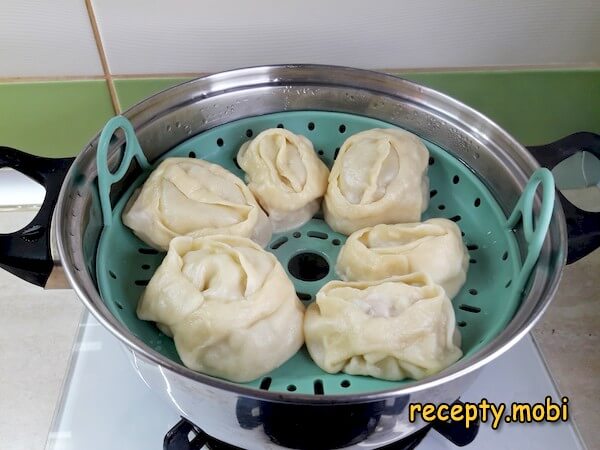
After half an hour the manti take on a glossy sheen and are ready.


Tips
- 1
Freeze the meat slightly – the secret to cutting it. After 30 minutes in the freezer the meat is easy to cut into small cubes and does not smush apart.
- 2
Cut it, don't mince it – the secret to juiciness. The cubes keep the juice inside, whereas minced filling will dry out.
- 3
A stiff dough – the secret to the shape. With 280–300 g of flour to 100 ml of water the dough is firm and the manti will not tear.
- 4
Grease the steamer tray – the secret against sticking. Without oil the manti will stick to the bottom; with oil they come away easily. The same principle works for other kinds of steamed dumplings.
FAQ
Which meat should I choose? +
The classic Uzbek choice is lamb, or a 50/50 mix of lamb and beef. Good alternatives are chicken thighs (as in this recipe – more tender and lighter), pork with a layer of fat (juicier), turkey (200 g plus 50 g of fat for a lighter version) or beef (250 g plus 50 g of fat for the classic version). Do not use meat from a mincer (it spoils the juiciness), skinless chicken breast (too dry) or lean game. Freeze the meat for 30 minutes to make it easier to cut.
What can I use instead of potatoes? +
Good alternatives are pumpkin (120 g – the Uzbek classic, with a slightly sweet note), courgette (120 g – more delicate, good for summer), turnip (120 g – a rustic version) or finely chopped white cabbage (120 g – a Chinese-style accent). Do not use carrot (it changes the flavour) or sweet potato (too sweet). Cut the cubes the same size as the meat (3–5 mm) so everything cooks at once. For meat-free manti, use pumpkin, onion and spices; for the Uzbek classic, lamb with pumpkin; for a Russian version, potato with beef.
How long do manti keep? +
Raw dumplings keep in the freezer for up to 2 months (lay them out one by one on a board, freeze them, then tip them into a bag). Cooked manti keep in the fridge for 1 day – any longer and the dough goes soft and loses its springiness. Before serving, reheat them in the steamer for 5 minutes or in the microwave for 1–2 minutes (with a drop of water). Cooked manti keep in the freezer for up to 2 weeks; thaw them straight onto the steam. Fresh manti are at their best in the first 30 minutes; by the next day the dough goes stale. Do not leave them at room temperature for more than 4 hours, as the meat spoils. It is best to shape and cook them straight away.
What to serve with manti? +
The Uzbek classic is thick sour cream (the Russian way), or qatiq (an Uzbek fermented milk drink). They also go well with spicy tomato adjika, garlic sauce or horseradish, with mayonnaise and herbs (the Russian way), with soy sauce (the Asian way), or with vinegar and herbs. They are served with a glass of cold vodka (the Russian way) or with green tea (the Uzbek way). With meat broth, a separate small bowl is offered – the broth is poured into a bowl together with the manti. Serve them with chopped onion and herbs. It is a versatile hot dish for a family meal.
- Comment
or post as a guest
Be the first to comment.