avg —
Whole Chicken in the Oven in Foil

Instructions
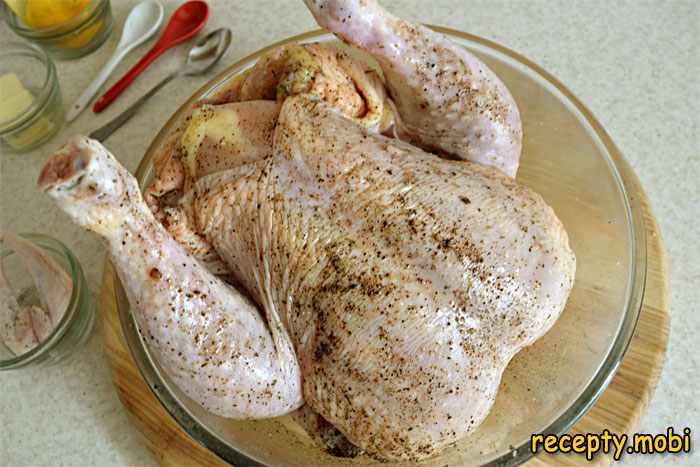
Remove the outer parts of the wings from the chicken (cut along the 'elbow' bend), where there is actually no meat. Pour all the spices into your palm and rub the chicken carcass thoroughly, both outside and inside. Cover it with plastic wrap or foil and place it in a cool place, such as the bottom shelf of the refrigerator, to marinate for 2 to 7 hours.
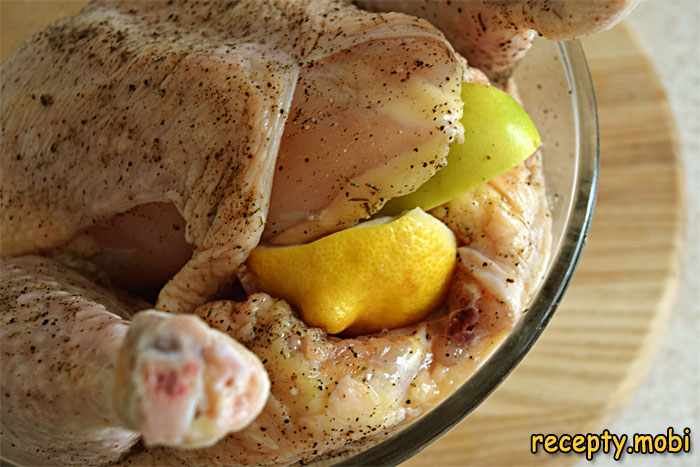
Cut the apple into 3 wedges and place it along with the lemon inside the chicken for the aroma of the finished dish.
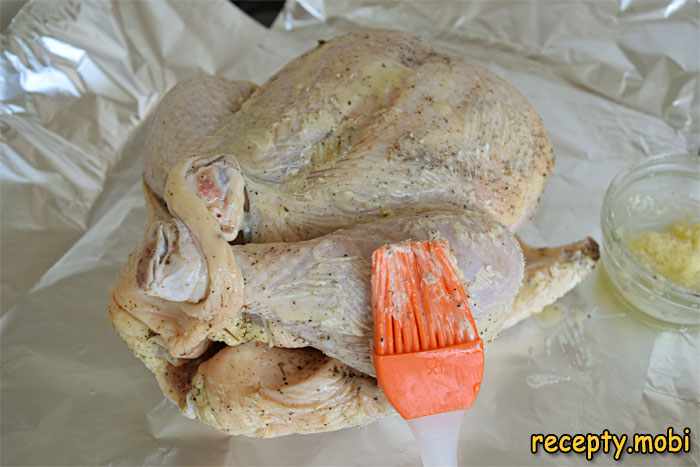
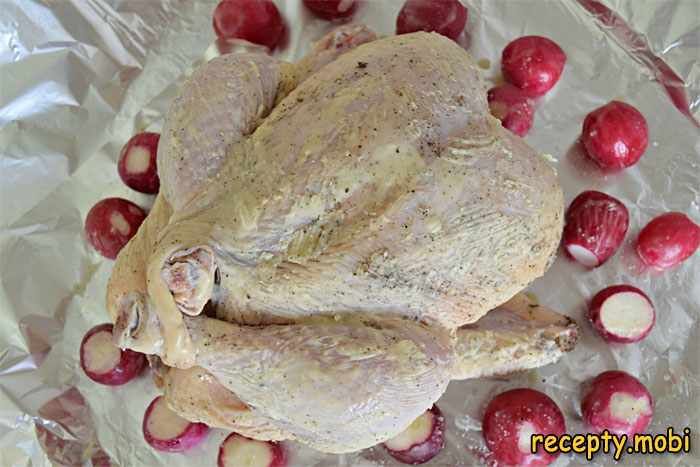
Lay foil (crosswise) on a baking sheet and place the chicken in the center. Melt the butter and thoroughly coat the skin of the carcass with it. This will give a tasty crust when baking the meat.
Rinse the radishes with water and trim the tails. Arrange the root vegetables around the carcass, brush each with oil and salt them.
Cover the preparation (chicken and radishes) with foil, and place it in a hot oven (220 C) for 35 minutes.
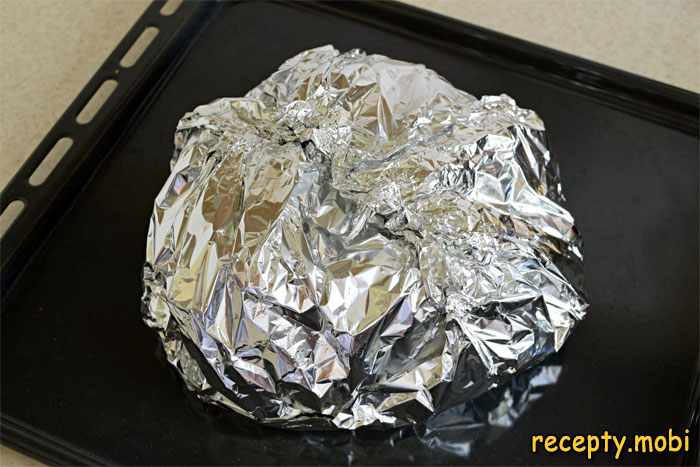
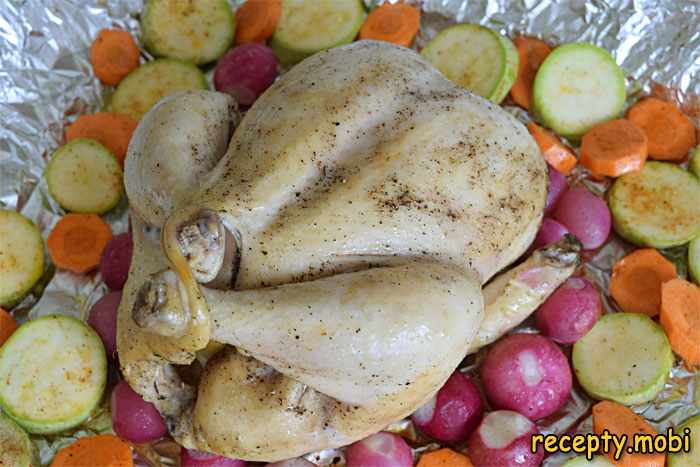
Remove the dish, carefully open the foil, and coat the chicken skin with oil again. If desired, at this stage, you can place rings of zucchini and carrots around the chicken carcass. Pre-season them with paprika, hot pepper, salt, and drizzle with olive oil. This way, you can prepare an additional side dish for the chicken.
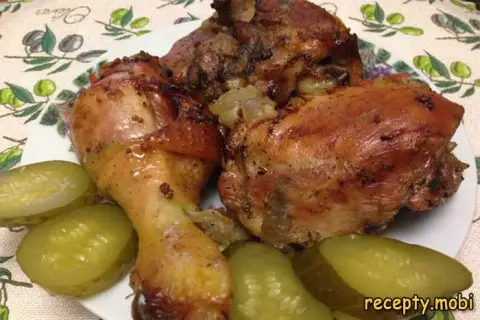
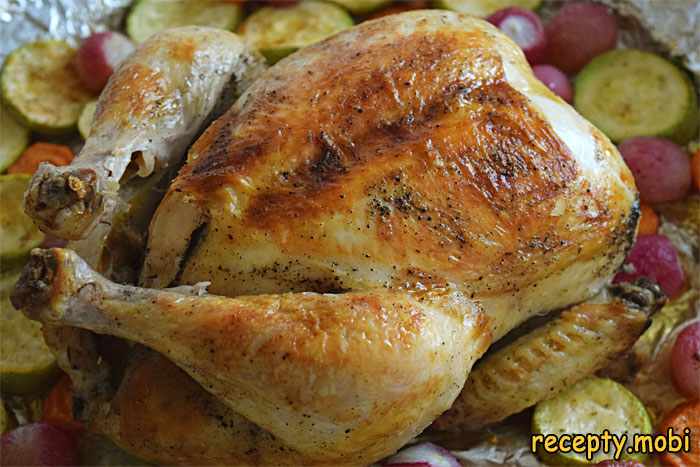
Send the dish back to cook (you can turn on convection) at the same temperature for another 30-35 minutes. Do not cover with foil. The skin of the finished chicken should become an appetizing brown color, and pink juice should stop flowing when puncturing the breast. The whole chicken baked in foil is ready.The mustard oil found in radishes softens the meat fibers, making the roasted chicken very tasty. The method of processing the ingredients and the simplicity of the recipe allow you to prepare the chicken in advance without much effort, thus saving time when needed.
Tips
- 1
Marinate chicken for full 7 hours for best finished flavor depth. Skipping or shortening marinating produces flat one-dimensional results; properly 7-hour refrigerator-marinated chicken (with spices rubbed thoroughly inside and out) produces the proper signature deeply-flavored juicy character authentic to traditional whole-chicken oven preparations. The marinating time matters more than home cooks typically realize for finished chicken-quality and overall family-meal success consistently across batches reliably across various weekday meal occasions throughout the year for proper traditional results consistently.
- 2
Two-stage foil-and-uncovered baking for proper finished crispy skin. Single-stage covered baking produces pale wet skin; properly two-stage technique (35 min covered foil + 30-35 min uncovered at 220 C) produces the proper signature crispy golden skin authentic to traditional whole-chicken oven preparations. The same two-stage principle elevates many roast-poultry preparations including butter-basted preparations across various traditional international culinary occasions throughout the year reliably.
- 3
Stuff cavity with apple and lemon for proper finished aromatic moistness. Empty cavity produces drier results; properly apple-lemon-stuffed cavity produces the proper signature aromatic moist character authentic to traditional whole-chicken roasting preparations. The patient stuffing principle pays back significantly in finished chicken-quality consistently across batches and various whole-bird preparations throughout the year for proper traditional results worth showcasing reliably across various family-meal occasions for proper home-cooking results.
- 4
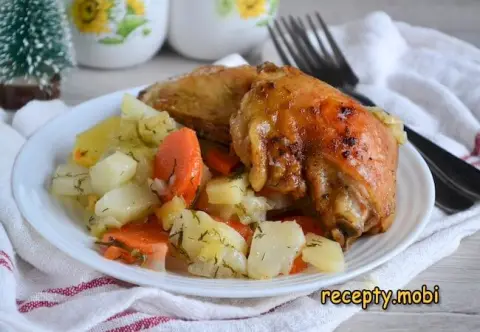
Pair the finished foil-baked chicken with traditional accompaniments for proper presentation. Serve hot with the roasted radishes, alongside fresh garden salad, mashed potatoes, or with hot tea for elegant family-meal presentations worth showcasing across various entertaining occasions reliably. Pair with crusty homemade bread for substantial dinner spreads throughout the year for proper traditional results worth showcasing reliably across various family-meal occasions throughout the year.
FAQ
Can I use other vegetables instead of radishes? +
Yes, carrots, potatoes, parsnips, beets, sweet potatoes, or root vegetables all work beautifully as substitutes producing equally delicious results. Each option produces distinct character: radish provides signature mustard-oil tenderizing effect, carrots add sweetness, potatoes add substance, parsnips add earthy depth, beets add color and sweetness. Cut vegetables to similar size for even cooking. Mix and match seasonal vegetables for endless variations across various international whole-chicken traditions throughout the year for proper personalized finished results consistently across various meal occasions reliably.
How long does baked chicken keep? +
Stored covered in the refrigerator, the chicken keeps for 3-4 days at peak quality. The flavors meld and improve over the first 24 hours as components marry beautifully. Carve before storing for easier reheating. Reheat covered in oven at 180 degrees C to preserve juiciness. The chicken meat freezes adequately for up to 3 months — thaw in refrigerator overnight before reheating. Best consumed within 2-3 days for the brightest most appealing finished results across multiple meal applications throughout the year reliably across various family-meal occasions.
Can I skip marinating? +
Yes, you can reduce marinating time to 30-60 minutes for quicker preparation producing acceptable results. Each option produces distinct character: full 7-hour marinating produces deeply-flavored juicy authentic preparation, short marinating produces lighter surface-only flavor. For best balance, marinate at least 2 hours minimum. Increase salt-pepper quantity slightly when shortening marinating time for proper surface seasoning. Choose based on time availability and flavor depth preferences for proper finished chicken variations consistently throughout the year reliably.
Why is my chicken dry? +
Three usual causes: skipping the foil-covered first stage allowing too-rapid moisture loss, overcooking past doneness, or oven temperature too high. Address proper foil-covered first 35-minute stage, careful checking with thermometer or juice clarity test, and proper 220-degree C temperature with monitoring for consistently juicy results. The combination of proper foil staging, accurate doneness testing, and correct temperature produces dramatic juiciness-quality reliably across various roast-poultry preparation sessions throughout the year for proper traditional results consistently.
Bon appetite!
- Comment
or post as a guest
Be the first to comment.