avg —
Duck in a Multicooker

Instructions
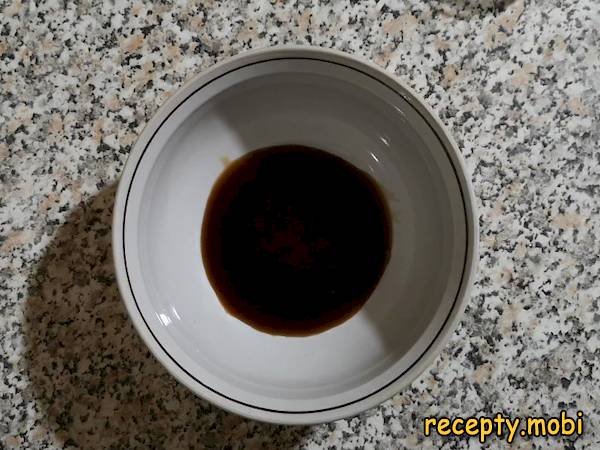
First, I prepare the marinade for the duck. I pour 3 tbsp of soy sauce into a separate bowl. Soy sauce gives an "Asian" note and replaces part of the salt in the recipe.
I add 1 tsp of ground garlic. Dried garlic will not "burn" during long cooking, unlike fresh garlic.
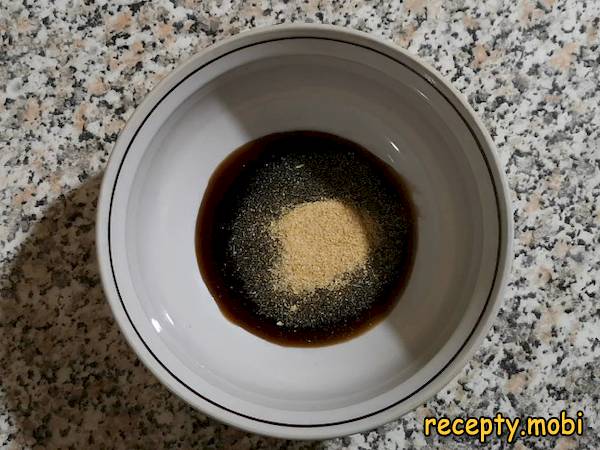
I add 1 tsp of paprika. Paprika gives the marinade a characteristic reddish colour and a warm, spicy note.
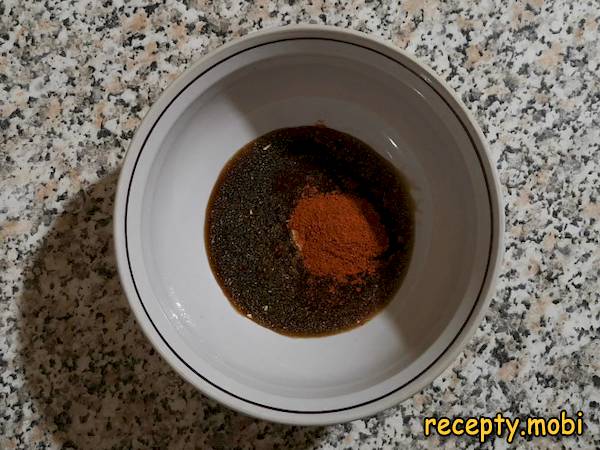
I add 1 tsp of thyme. Thyme is a classic "herbal" companion to poultry, especially duck.
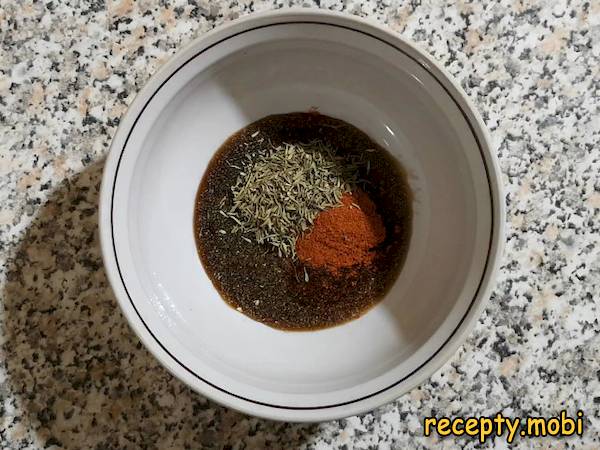
I add 2 tbsp of honey. Honey gives a characteristic glossy crust and sweet notes in the finished dish.
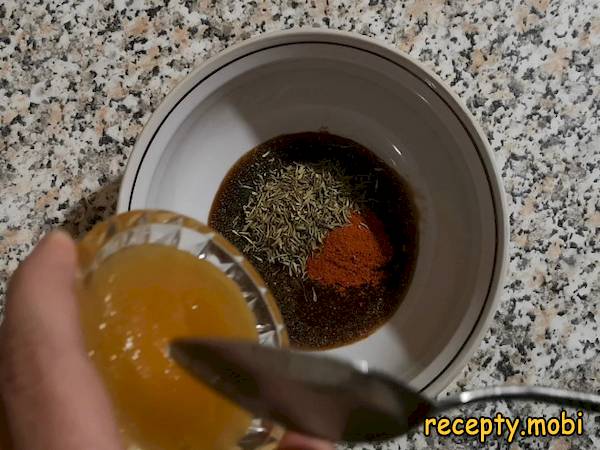
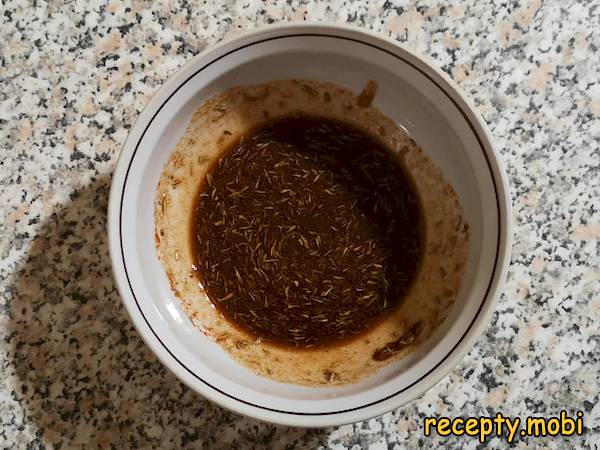
I mix all the ingredients in the bowl until smooth. The marinade should turn out thick and aromatic.
I rub the duck thoroughly inside and out with the prepared marinade. Especially carefully inside the carcass, so the meat is soaked through from all sides.
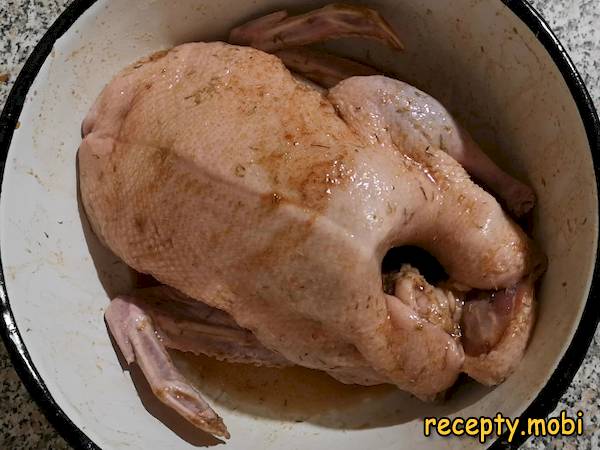
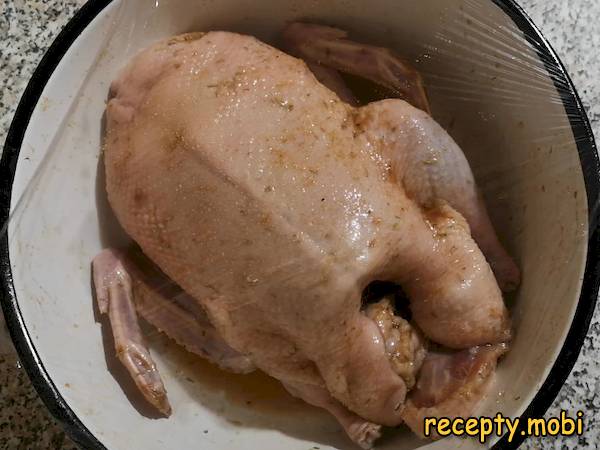
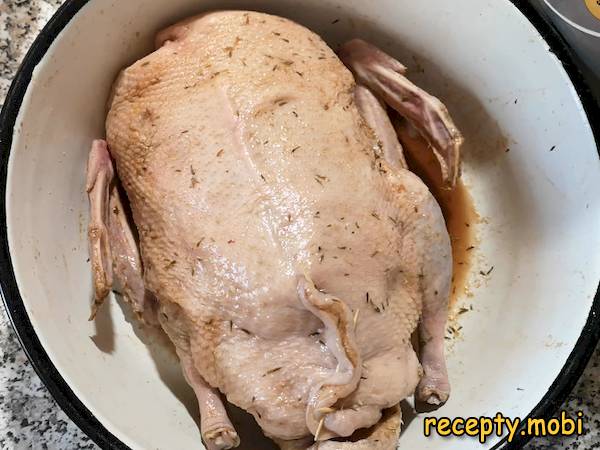
I cover it with cling film and put it to marinate for 4 hours in a cool place. I turn the duck over occasionally for even marinating.
Once the duck has marinated, I prepare the stuffing. I cut the apple and orange into pieces. The fruit gives "juiciness" from the inside and a characteristic fruity aroma.

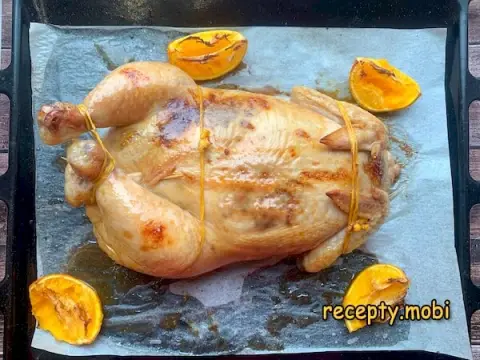
I stuff the duck with the apples and oranges. I pin the opening of the duck shut with toothpicks or sew it up with culinary thread – so the stuffing does not fall out during cooking.
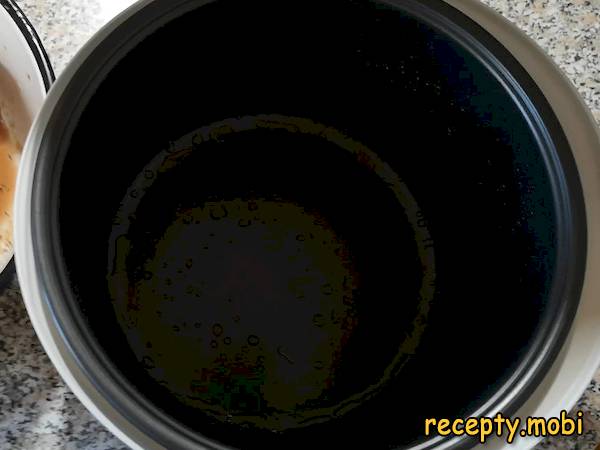
I grease the multicooker bowl with vegetable oil so the duck does not stick to the bottom while cooking.
I place the duck carcass in the bowl and close the multicooker. The duck should fit freely in the bowl.
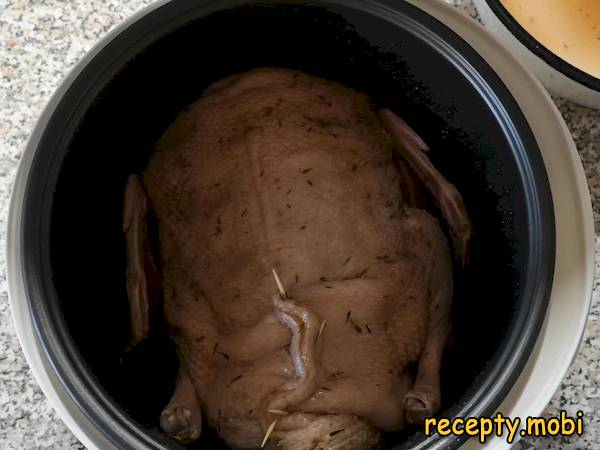
I set the "Baking" mode for 40 minutes. This mode gives a high temperature and good "baking" from below.
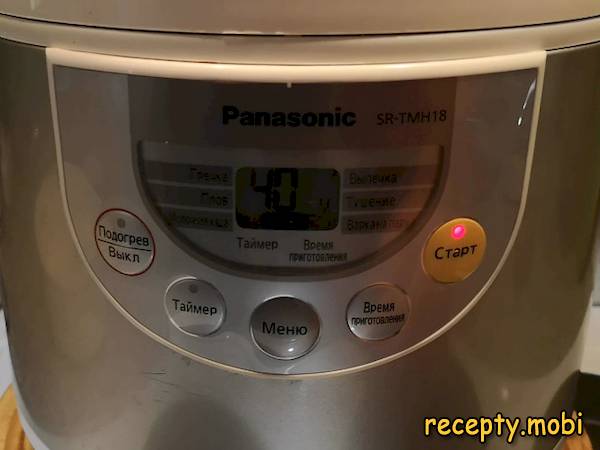
When the mode finishes, I turn the duck over and set the "Baking" mode again for 40 minutes. Cooking on both sides is the secret to even cooking in a multicooker.
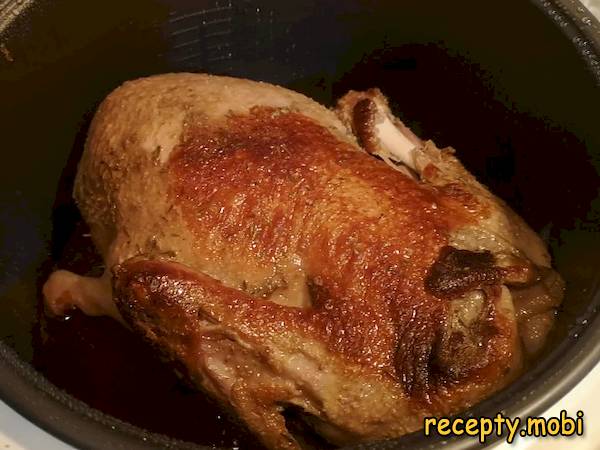
I check for doneness with a toothpick. If the liquid runs clear without any traces of blood, the duck is ready. If it is pink – another 10–15 minutes on the "Baking" mode.
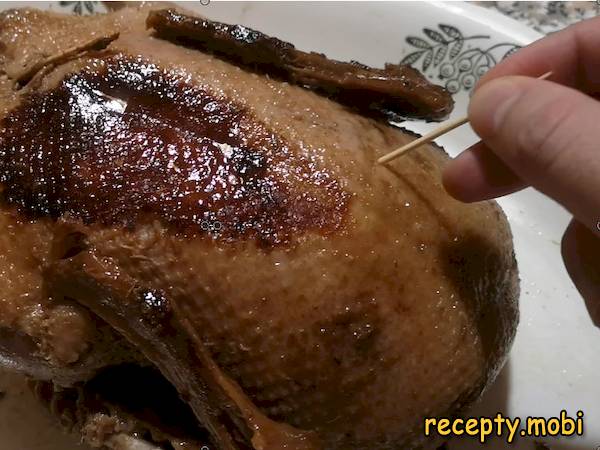
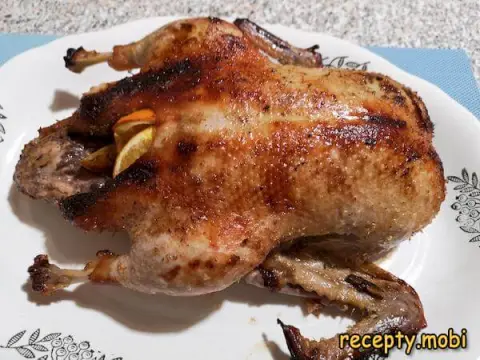
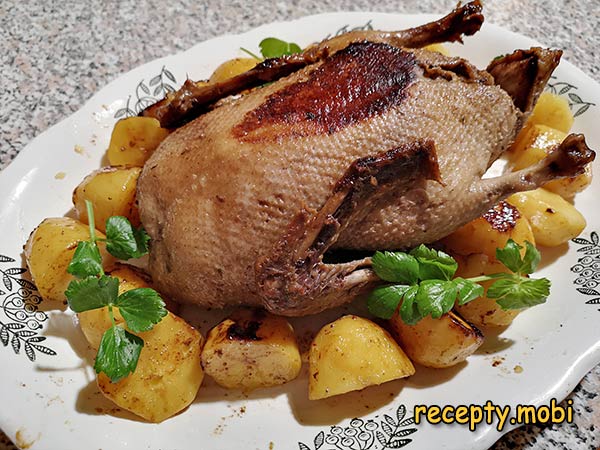
I serve the duck with potatoes and fresh herbs. Cook duck with oranges and apples in a multicooker using this recipe – a simple and tasty festive dinner.


Tips
- 1
Marinate the duck for AT LEAST 4 hours, preferably overnight – this is the secret to tender and aromatic meat. A short marinade (1 hour) will not give enough effect.
- 2
Cooking on both sides for 40 minutes each is a must for the multicooker. With heat only from the top, the duck will be more cooked on the bottom than on the top.
- 3
Fruit inside the carcass is the secret to juiciness: it releases juice when heated and soaks the meat from within. I use a similar principle in other duck dishes.
- 4
A carcass of 1.5 kg is ideal for a medium-sized multicooker. A large duck (2+ kg) may not fit or may bake poorly.
Video

FAQ
Is the recipe suitable for other multicooker models? +
Yes, the recipe is universal for any multicooker with a "Baking" (or "Roasting") mode. Recommendations: Redmond – "Baking" mode for 40 + 40 minutes (as with Panasonic); Polaris – the same; Philips – "Roasting" mode for 40 + 40 minutes. If your model has no "Baking" mode, use "Stewing" for 60 + 60 minutes (longer, but the meat will also turn out tender). For a pressure cooker – the "Poultry" or "Stewing" mode for 30–35 minutes under pressure.
What can replace soy sauce in the marinade? +
Alternatives: salt + 1 tbsp lemon juice + 1 tbsp olive oil (for a soy-free version), Worcestershire sauce (a more "European" note), or 2 tbsp balsamic vinegar + 1 tsp salt. Without a "salty" base the duck will turn out bland. Soy sauce gives a characteristic "depth" of flavour and a slightly caramel colour. To keep the eastern direction of the original recipe, soy sauce is the best choice.
What can replace the apple and orange in the stuffing? +
Alternatives: quince (a refined, fragrant option), pears (more delicate), tangerines (a lighter citrus note), prunes + dried apricots (a winter option), or sauerkraut (a Russian-German tradition). The main thing is fruit or vegetables with a touch of sourness to balance the richness of the duck. Without stuffing the duck will be less juicy and aromatic, so be sure to stuff it with something.
How long does the cooked duck keep? +
In the refrigerator – 3–4 days in a closed container. Reheat in the oven at 150 °C under foil for 10–15 minutes (with 1–2 tbsp of water on the bottom). In the microwave the duck becomes "rubbery". You can freeze it in portions for 1–2 months – defrost in the refrigerator for 8–10 hours. Be sure to keep the duck fat left in the bowl – it is wonderful for frying potatoes with herbs.
- Comment
or post as a guest
Be the first to comment.