avg —
Chashushuli Recipe: Georgian Beef Stew with Tomatoes

Instructions
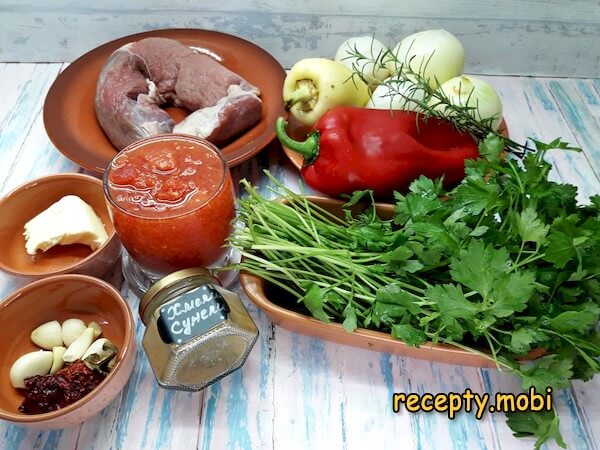
Prepare the ingredients. Use plain tomato juice with pulp, not a seasoned tomato drink. Alternatively, grate ripe tomatoes and weigh out 300 g of the pulp. A heavy pan with a lid helps the stew cook evenly.
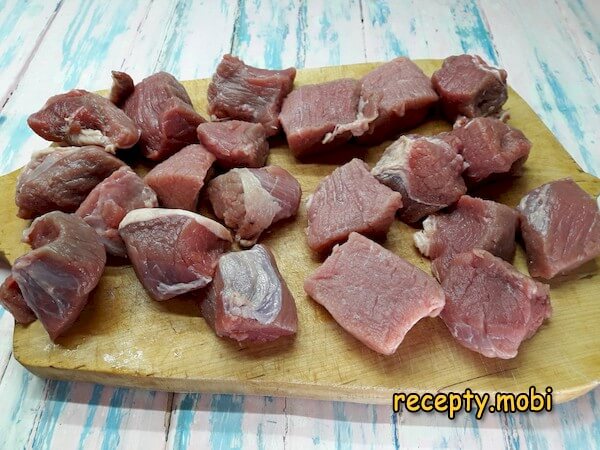
Cut the beef into evenly sized pieces, about 2-3 cm across. Trim away tough silverskin and hard gristle; these do not reliably soften during a short braise. Some marbling and softer connective tissue can remain.
Put the beef in the pan and add enough water to reach about one-third of the way up the pieces. Bring to a gentle simmer, cover and cook over low heat for an initial 40-50 minutes. During this time, prepare the vegetables and add the spices as described in step 9. Check occasionally and add a splash of hot water if the pan is drying out.
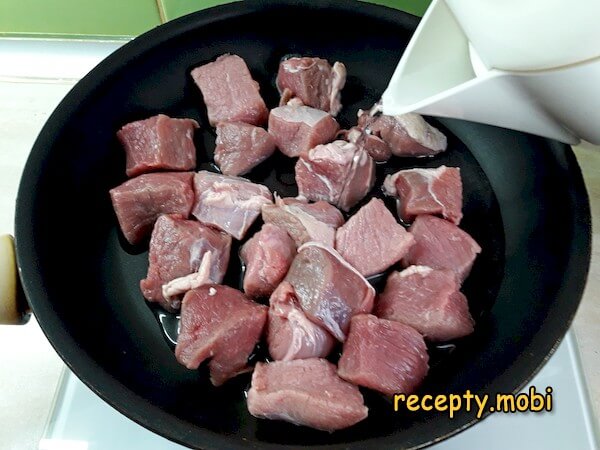
Peel and dice the onions while the beef simmers. The large quantity will soften and reduce as it cooks.
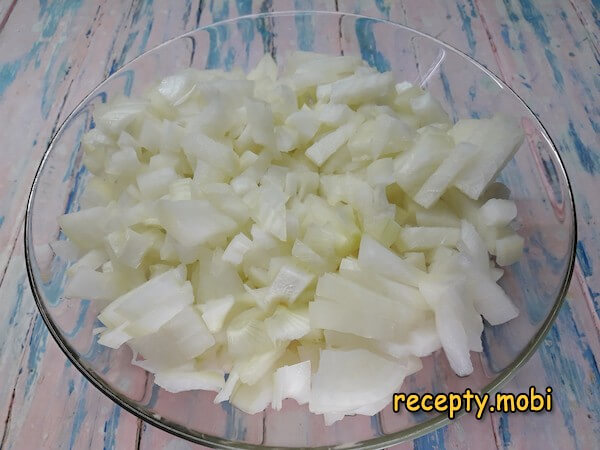
Remove the seeds and stems from the bell peppers. Rinse and cut the flesh into broad strips.

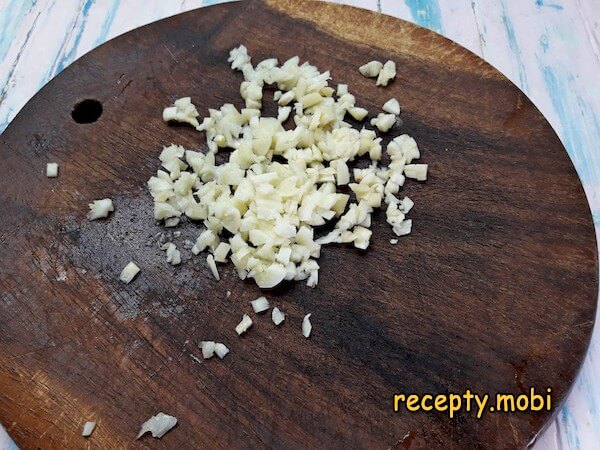
Peel and finely chop the garlic. Keep it separate from the onions so it can be added at the right stage.
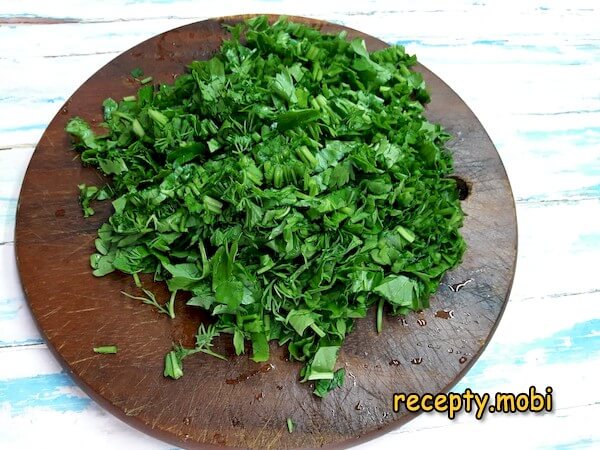
Wash and dry the parsley and cilantro, then chop them. Reserve the herbs until the end of cooking.
Finely slice the hot pepper. For a milder stew, remove the seeds and pale inner membranes and start with a smaller amount. Wash your hands after handling it.
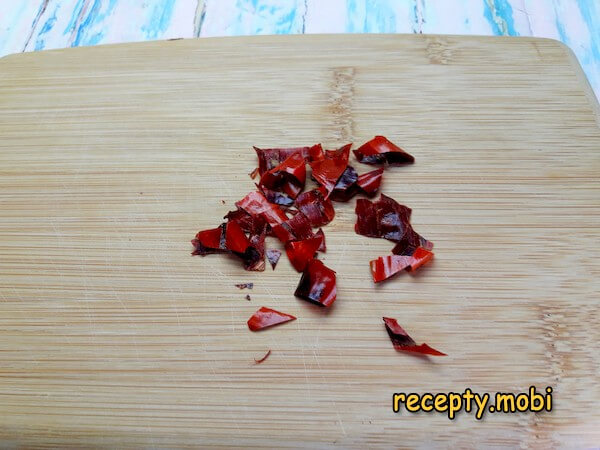
About 20 minutes into the initial beef simmer, add the rosemary and khmeli-suneli. Replace the lid and continue cooking for the remainder of the initial 40-50 minutes. This is part of step 3, not an additional cooking period.
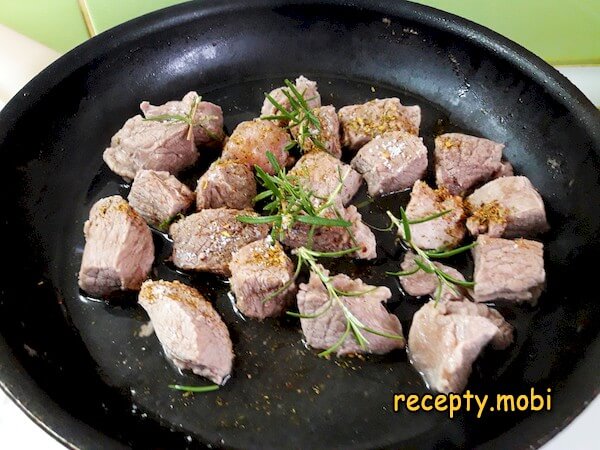
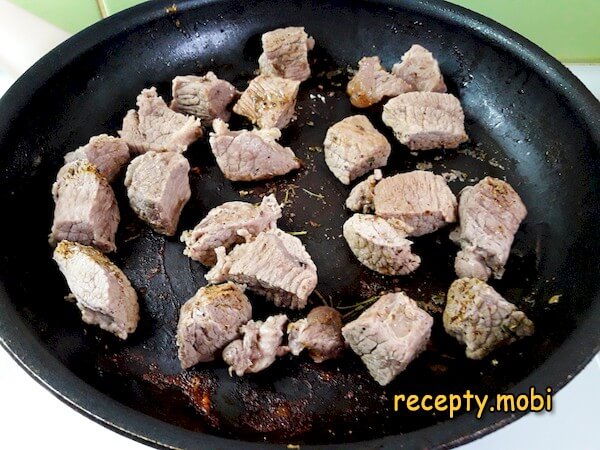
Check the beef with a fork. If it is still very firm, add a little hot water and continue simmering before moving on. Once it is becoming tender, uncover briefly to let excess liquid evaporate and allow the meat to colour lightly without scorching. Remove the rosemary stems.
Add the butter and chopped garlic. Stir just until the butter melts and the garlic becomes fragrant; do not let the garlic burn.
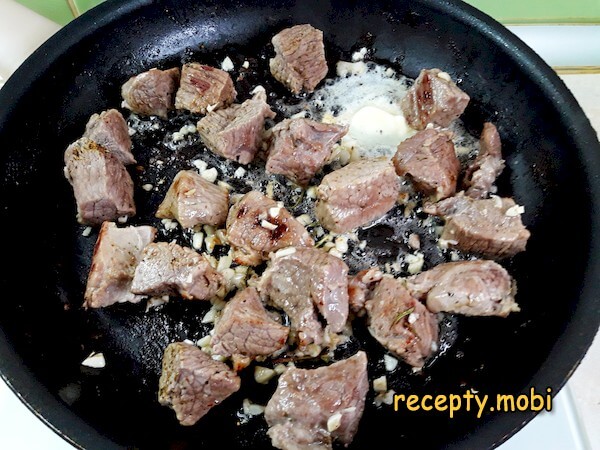
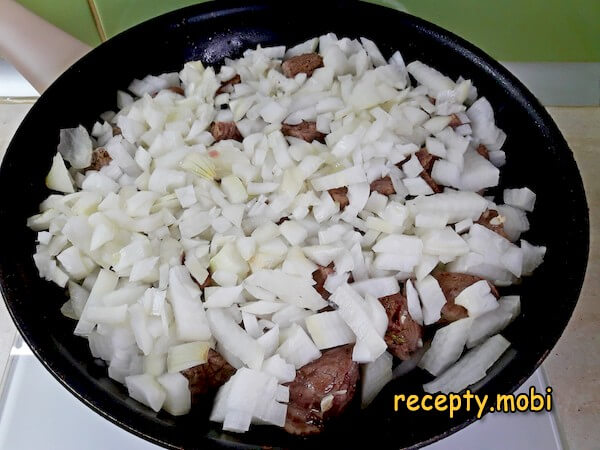
Immediately add the onions. If the pan is dry, add about 30 ml water. Cover and simmer for around 20 minutes, stirring occasionally, until the onions soften.
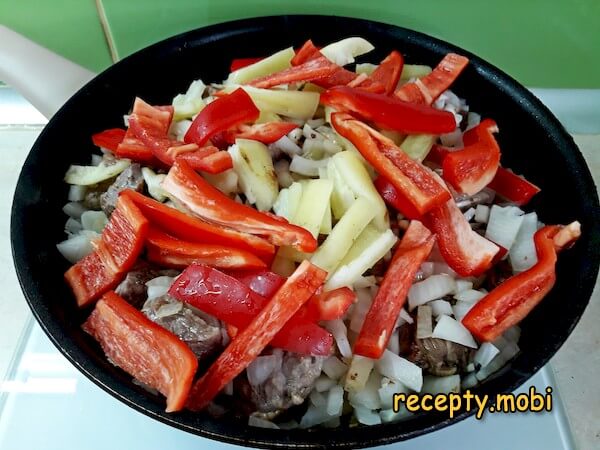
Add the bell peppers and the hot pepper. Season lightly with salt, allowing for any salt already in the tomato juice or spice blend.
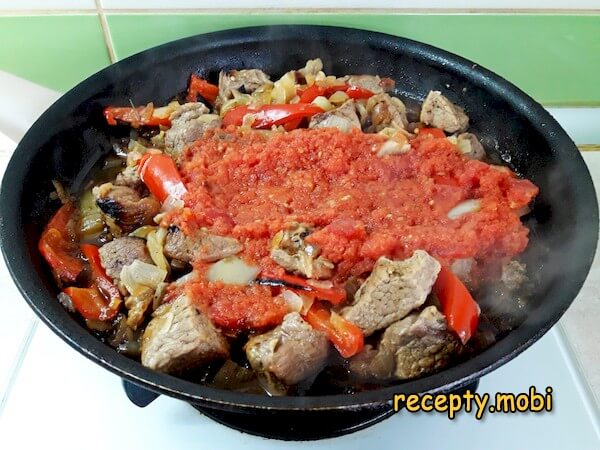
Pour in the tomato juice with pulp, stir and cover. Maintain a gentle simmer rather than a vigorous boil.
Cook for about 15 minutes, then check both the beef and the peppers. The meat should yield easily to a fork. If necessary, simmer longer, adding a splash of water to prevent catching. If the meat is tender but the sauce is watery, reduce it uncovered. Taste and adjust the salt and chilli.
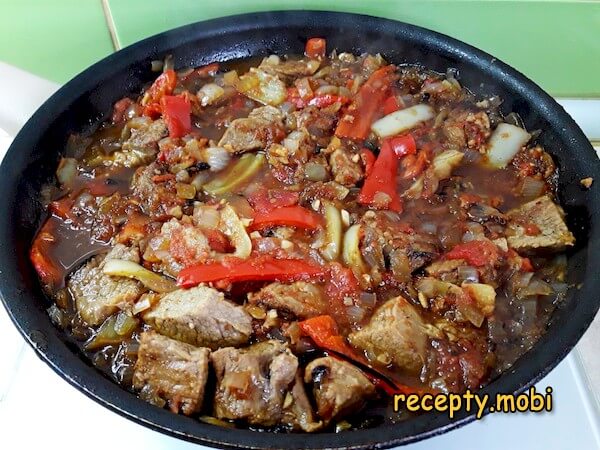
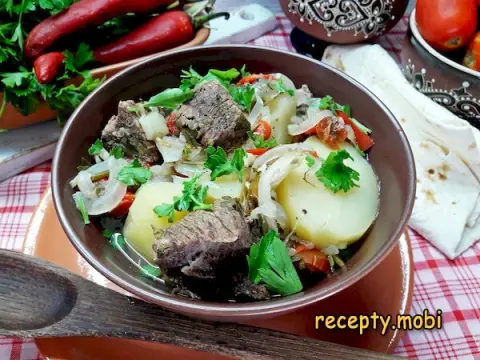
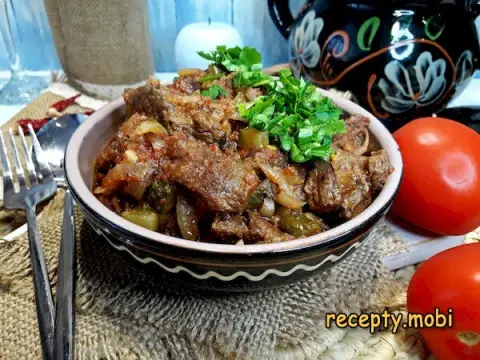
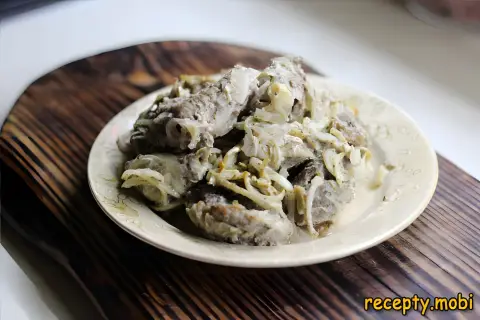
Stir in the chopped herbs and cook gently for a final 3 minutes. Serve the chashushuli hot with bread for the sauce. The beef should stay in tender pieces, not dissolve into the stew.
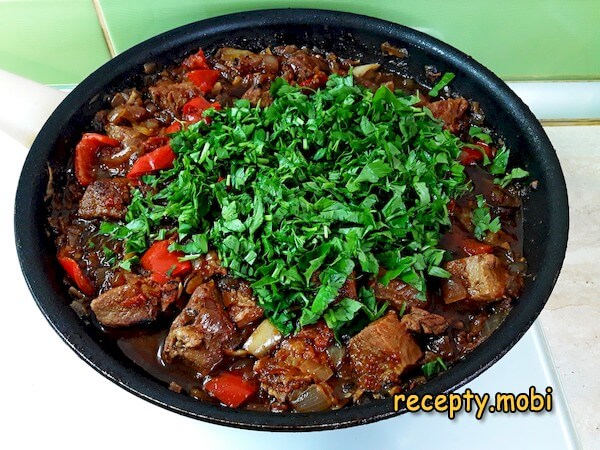


Serving the finished stew
Serve chashushuli hot, with bread to scoop up the tomato and onion sauce. Let diners add extra chilli at the table rather than making every portion equally hot.

Choosing beef and judging cooking time
Beef shoulder or chuck works well for a slow stew. The size of the pieces, the cut and the age of the meat all affect cooking time. The 90-minute total is a guide with vegetable preparation done during the first simmer; a tougher cut may take substantially longer. Test a piece with a fork before serving instead of relying only on the timer.
Tomatoes, onions and Georgian seasoning
The equal weights of beef and onion belong to this version, not a rule for every Georgian household. Tomato pulp gives the sauce body; if using thick passata, loosen it with a little water as needed. Khmeli-suneli blends vary, so taste before adding extra salt. Without the blend, coriander and dried herbs can make a pleasant stew, but the flavour will not be identical. Rosemary and sweet peppers are features of this particular recipe.
Making ahead, storage and reheating
Serve with flatbread, rice or boiled potatoes. To make ahead, transfer leftovers to shallow containers and refrigerate promptly, within 2 hours, or within 1 hour in temperatures above 32°C/90°F. Keep refrigerated at 4°C/40°F or below and use within 3-4 days. Reheat until steaming hot throughout, reaching 74°C/165°F. Freeze portions if you need longer storage.
Try Imeretian khachapuri for another Georgian dish, or browse our main-dish recipes.
Recipe quantities and calorie estimate
The base recipe makes 4 servings. A 500 g quantity of beef is about 1.1 lb, and the 500 g onion quantity is the same weight, not the same number of pieces. Keep gram weights as the reference because onion and pepper sizes vary. Changing the ingredient counter does not shorten the time needed to tenderise the meat.
The inherited figure of about 95 kcal per 100 g is an estimate, not a measured calorie value for one serving. The beef cut, butter used, water loss and finished dish weight affect it. For a calculation based on your ingredients, weigh the finished stew rather than treating the uncooked ingredient weight as its final yield.
Video: another chashushuli method
MISHA COOKING demonstrates a different version of the dish. Its ingredients and timing differ from the photographed recipe above.
FAQ
What is chashushuli? +
Chashushuli is a Georgian stew, commonly made with beef, tomatoes, onions and herbs. This beef chashushuli recipe also includes sweet peppers, garlic, chilli and khmeli-suneli. It is a stew rather than a soup, so aim for a sauce that coats the meat.
Why is my chashushuli beef still tough? +
It usually needs more gentle cooking. Keep a little liquid in the pan, cover and simmer until a fork enters the meat easily. Do not boil it hard or let the pan dry out. Tough silverskin should be trimmed before cooking.
Is chashushuli very spicy? +
It can be, but the heat is adjustable. Start with less hot pepper, then taste near the end. Bell peppers add sweetness rather than heat.
Can I use lamb instead of beef? +
Lamb can be cooked with the same vegetables and seasoning, but it is a variation on the beef recipe shown here. Choose a cut suitable for braising and judge doneness by tenderness; the cooking time may change.
Can I use passata or canned tomatoes instead of tomato juice? +
Use 300 g plain tomato pulp as a starting point. Thick passata or crushed tomatoes can need a little extra water to match the sauce in this recipe. Avoid sweetened or heavily seasoned tomato drinks and taste before adding salt.
Does chashushuli need added water? +
This photographed method starts the beef with water reaching roughly one-third of the way up the pieces. Keep small additions available if it starts to catch. Other versions use a different amount of liquid, so a universal no-water rule would not describe this recipe.
Can I cook it without khmeli-suneli? +
You can make a tomato and beef stew without it, but the flavour will differ. Blends vary in salt and herbs; use the specified amount as a starting point, check the label and adjust to taste rather than assuming every blend has identical strength.
How do I thicken a watery chashushuli sauce? +
First make sure the meat is tender. Then simmer uncovered, stirring, until the sauce coats the beef. If the beef is still firm, keep enough liquid for gentle braising instead of reducing the pan dry. Add the fresh herbs near the end as in the steps above.
- Comment
or post as a guest
Be the first to comment.