avg —
Beriks in Kalmyk Style

Instructions
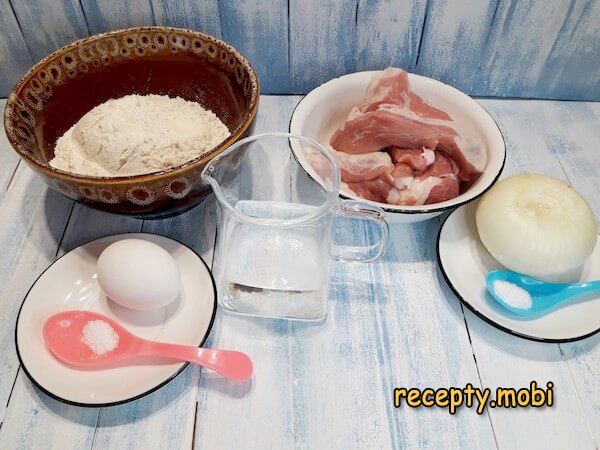
I prepare the ingredients for the dough and the filling. The large amount of onion in the filling is no accident – it is what keeps the filling juicy.
Into a roomy bowl I pour the flour, make a well in it, and fill the well with the water, the egg and the salt.
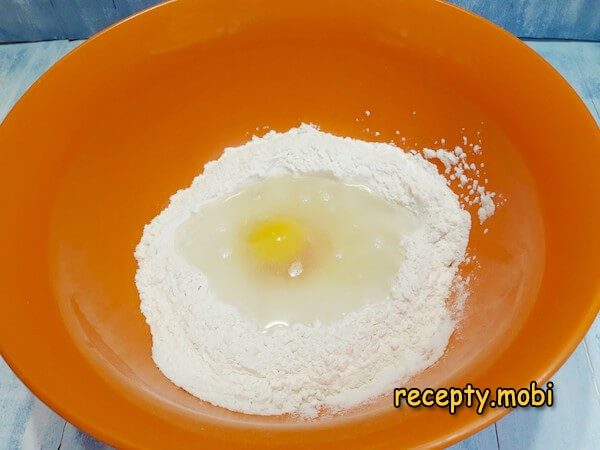
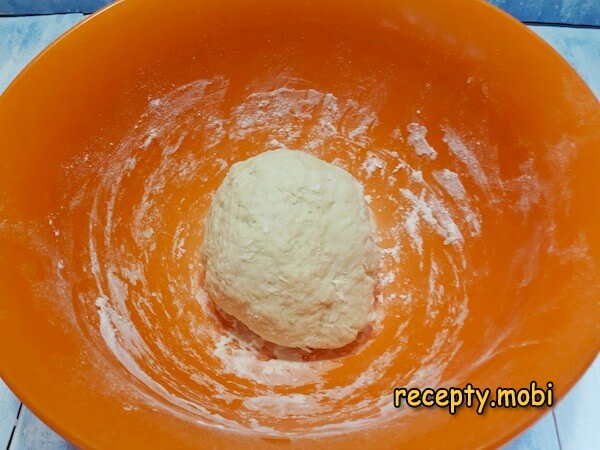
I bring everything together into a tight ball. There is no need to knead the dough thoroughly; it just needs to be left to rest under a lid for about 10 minutes, and the gluten will relax on its own. After that, all that is left is to knead it briefly once more.
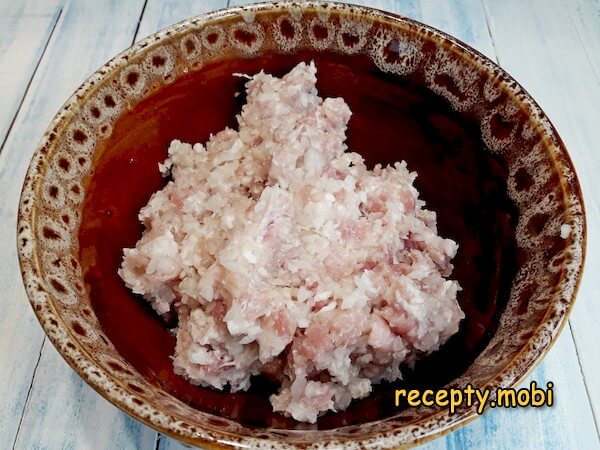
I grind the meat together with the onion in a meat grinder. I season it with salt and pepper and put it in the fridge for 10 minutes (chilled filling is easier to pack into the dough).
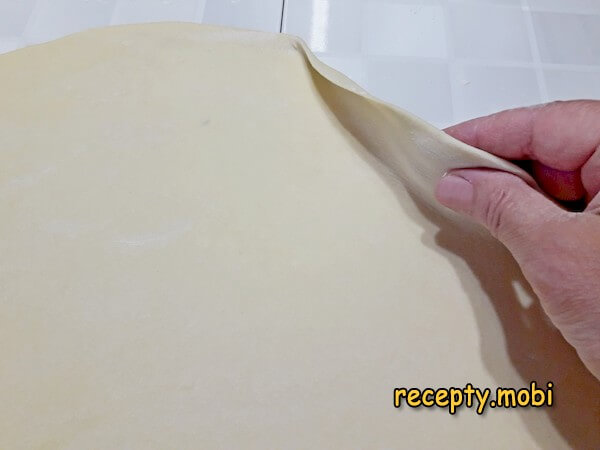
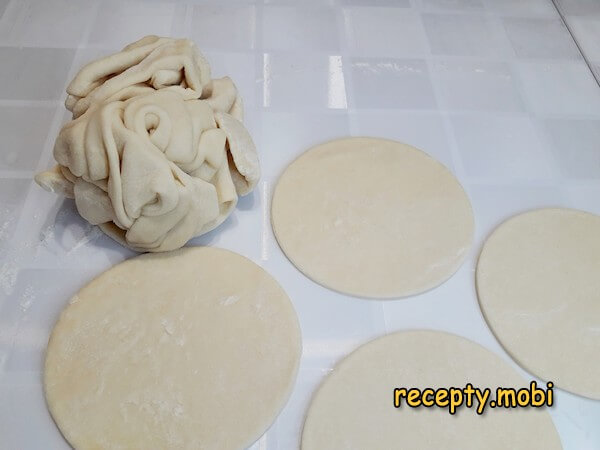
I flatten the ball of dough with my hands first. Then I dust the table with flour and roll it out to a thickness of 2 mm.
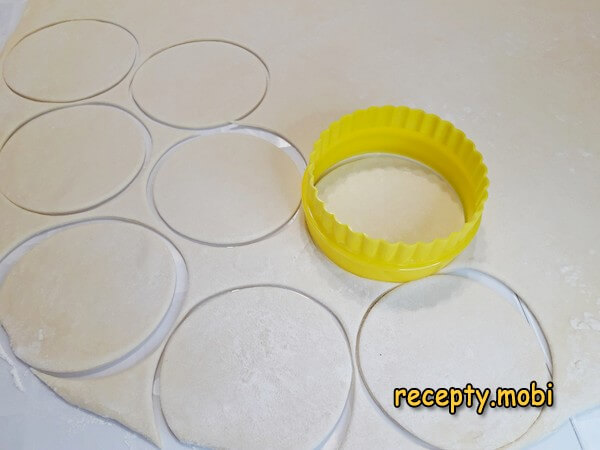
With a sharp 9 cm round cutter I stamp out circles.
I gather the scraps together, let them rest under a bowl, and roll them out again for more circles.
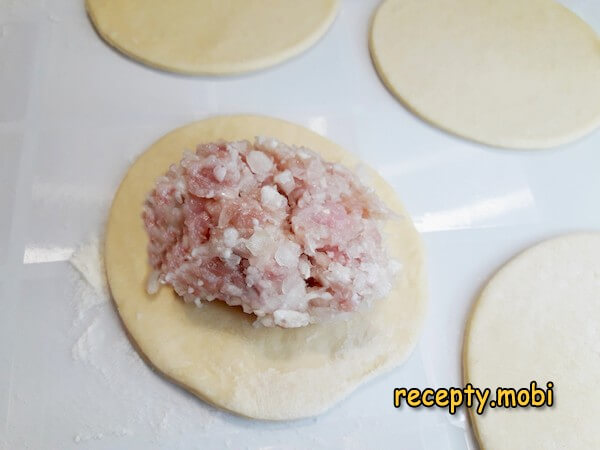
I place about 25 g of filling on each dough circle.
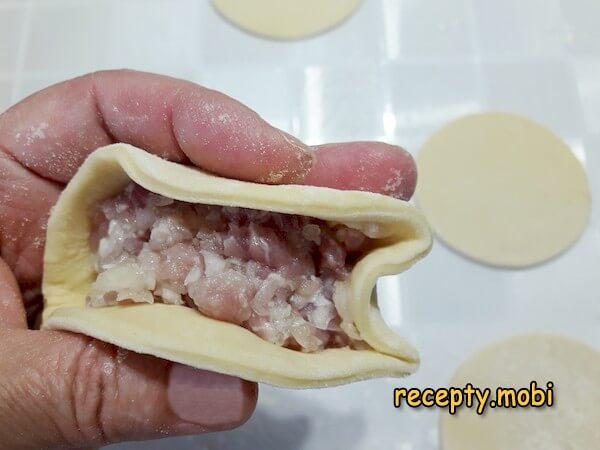
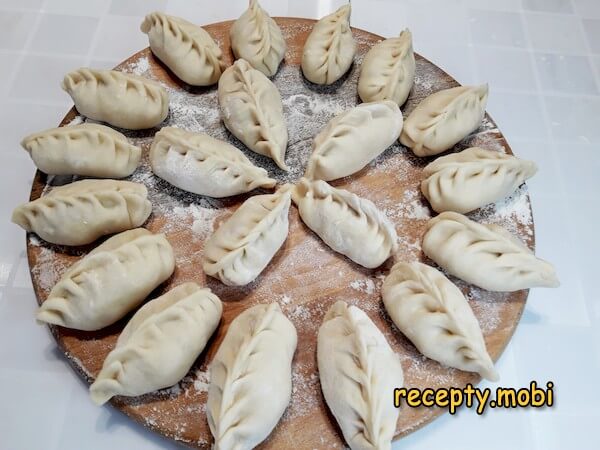
To shape the beriks, I fold one edge of the dough inwards (towards the filling) and pinch the tip closed.
Then I pinch the left and right edges of the dough in turn, forming a kind of wheat-ear. I twist the tip tightly to close it.
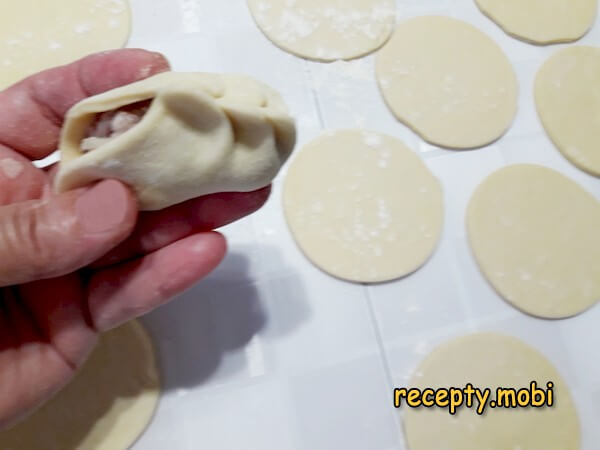
I set the finished dumplings on a floured board.
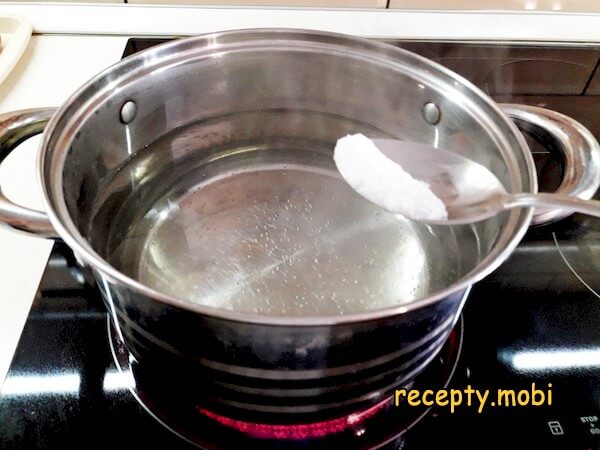
In a large pot I bring water to the boil. I salt it (about 0.5 tablespoon per 3 litres of water).
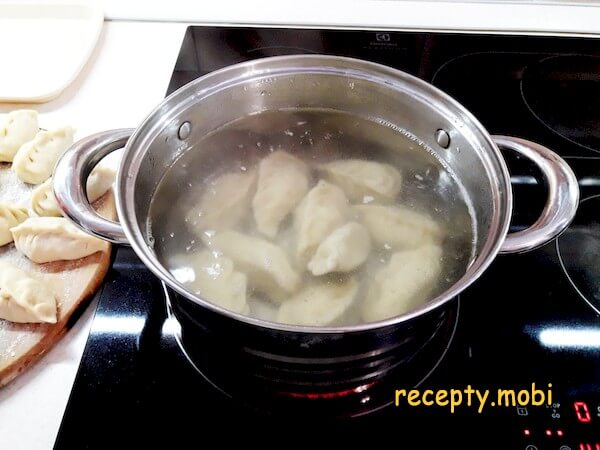
When the water comes to the boil, I lower the beriks into it one by one.
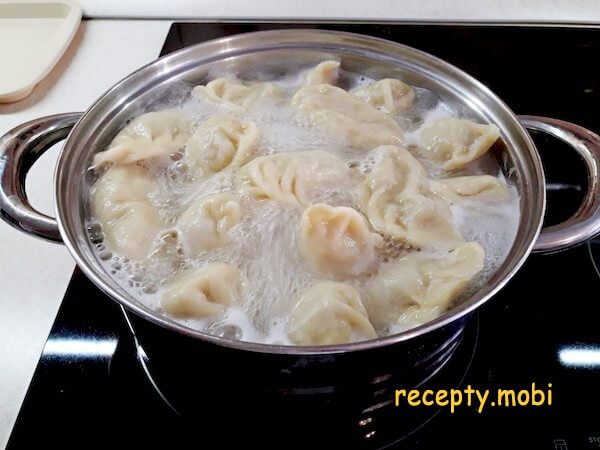
Once the water returns to the boil, I cook the dumplings for exactly 7 minutes. I lift them out with a slotted spoon and put them on a plate.


Tips
- 1
PLENTY OF ONION is the secret to juiciness. Too little onion and the filling is dry. 150 g for 400 g of meat gives off ample juice during boiling, which collects inside the berik.
- 2
RESTING THE DOUGH FOR 10 MINUTES is the secret to elasticity. Freshly kneaded dough tears when you pinch the braid. After 10 minutes of rest the gluten relaxes and the dough becomes pliable.
- 3
COLD FILLING is the secret to shaping. Warm filling spreads, making it awkward to shape the wheat-ear. Ten minutes in the fridge and the filling is firm and holds its shape.
- 4
7 MINUTES OF BOILING is the secret to balance. Less and the filling is raw. More and the dough overcooks. Exactly 7 minutes after the water returns to the boil gives you perfectly cooked dumplings. The same principle works for other kinds of Caucasian dumplings and khinkali.
FAQ
Which meat should I choose? +
Ideally, lamb with tail fat (300 g + 100 g of fat is the Kalmyk classic). Alternatives: pork with a little fat (400 g, classic), a 50/50 blend of beef and pork (200 + 200 g, premium), beef with lardons (300 + 100 g, classic), a mix of lamb and beef (200 + 200 g, premium), boneless turkey thigh (400 g, for a leaner version), chicken thigh (400 g, light), or a mix of lamb and tail fat (300 + 100 g, the original). Do not use lean fillet with no fat – the beriks will turn out dry. For the classic version, the meat must have at least a little fat.
What can I use instead of a dough cutter? +
Alternatives: a thin-walled glass (9 cm in diameter, classic), a cookie cutter (9 cm, handy), a knife with a plate as a template (classic), a round burger-mould cutter (premium), a trimmed metal tin can (budget), a coffee cup with a thin rim (classic), or a 9 cm tea saucer traced round with a knife (home-style). A wooden pelmeni rolling pin with notches is a premium option. Do not use blunt knives (they crush the dough) or moulds with a fluted edge (the braid won't fold). For the classic version, you need a sharp, even 9 cm cutter.
How long do beriks keep? +
In the fridge, in a tightly sealed container (boiled) – 2 days. Before serving, reheat them in the microwave for 1–2 minutes under a lid, or in a small pot with a little broth. Raw in the freezer – up to 2 months, spread out on a board and then transferred to a bag. You can cook them straight from the freezer, adding 2 minutes to the usual cooking time. Fresh and hot from the pot they are at their best, served straight away with butter (maximum juiciness). On the second day the flavour holds up, but the texture is softer. Do not leave them at room temperature for longer than 4 hours. They are ideal for making in batches and freezing.
What to serve beriks with? +
The Kalmyk classic: with pieces of butter on the hot dumplings. With a cup of Kalmyk tea (with milk and salt). With thick 20% sour cream. With spicy adjika. With a garlic yogurt sauce. With onion marinated in vinegar. With fresh dill and parsley. With Kalmyk black pepper. With Russian-style vinegar and onion. With slices of fresh cucumber. With tomato adjika. With a shot of cold vodka. With a glass of beer. With a slice of dark bread. With a fresh vegetable salad. For a family dinner they suit any occasion. Kalmyk beriks are made for a cold day, a celebration, or a winter picnic.
- Comment
or post as a guest
Be the first to comment.