Meatballs with Gravy in a Pan
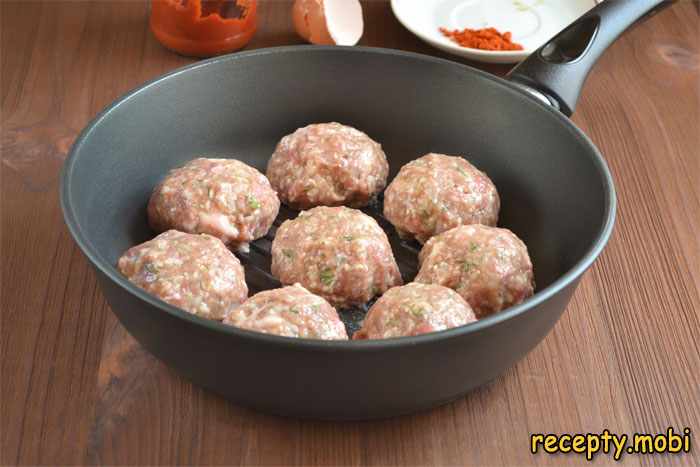
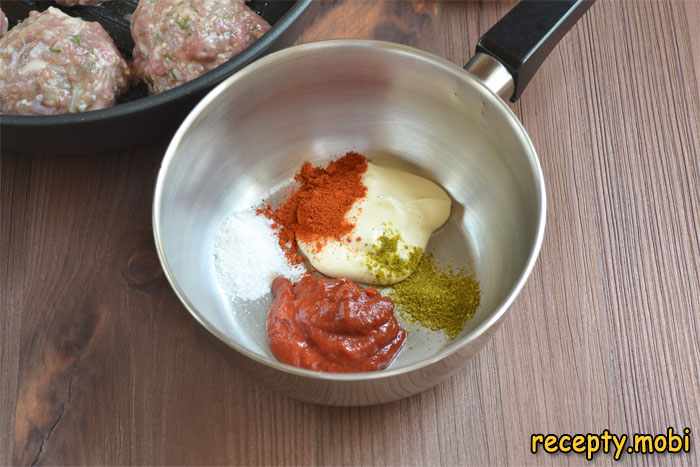
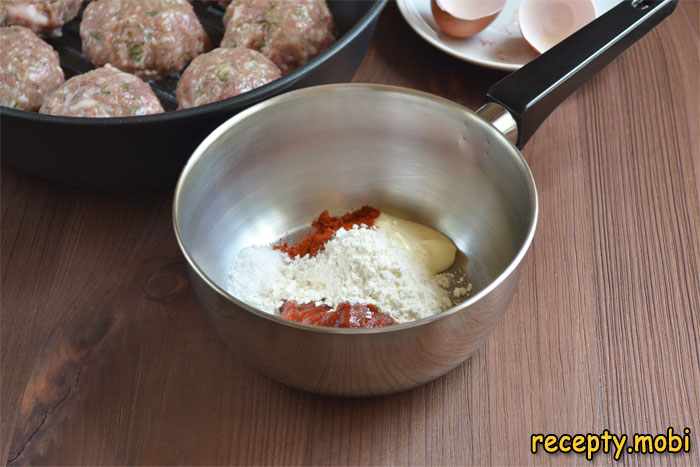
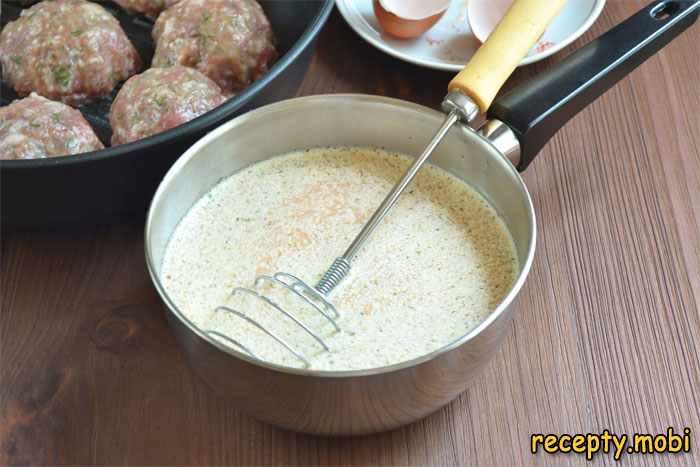
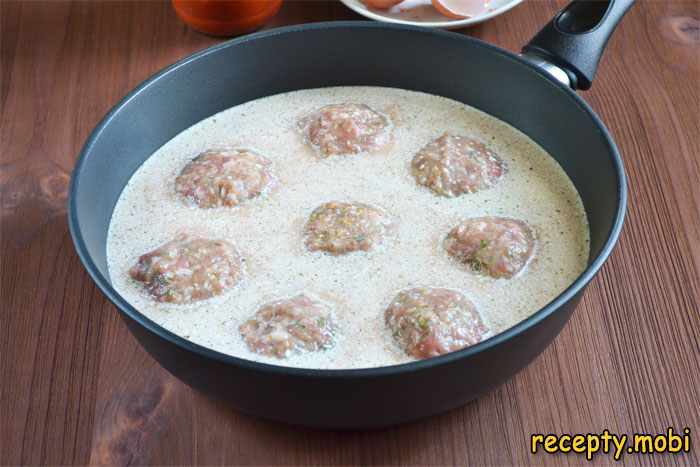
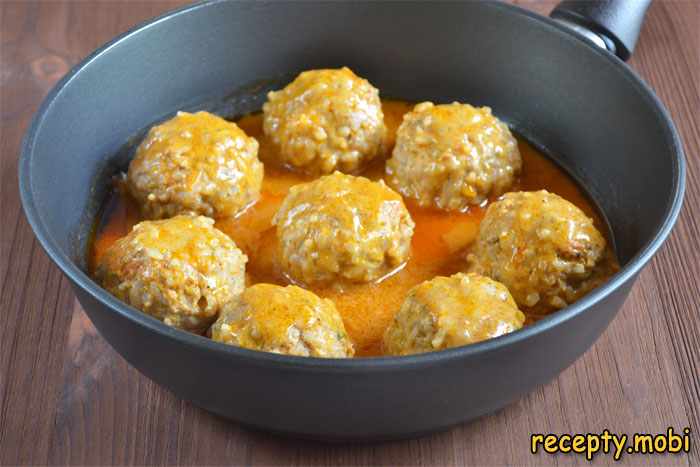
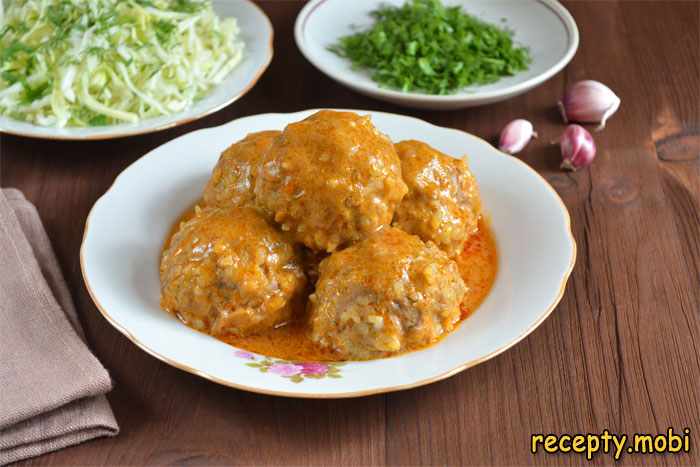
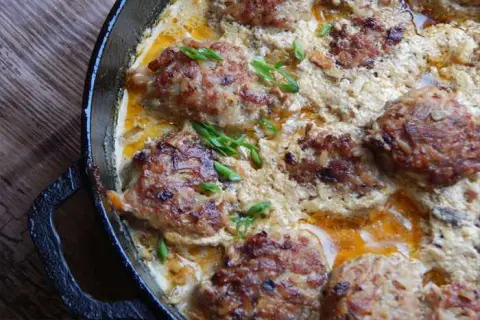
Meatballs with sauce in a pan are a popular dish in Russian cuisine in the form of balls, made from minced poultry, beef, pork, or fish. The traditional preparation produces remarkable family-meal-quality results that elevate basic ground meat into sophisticated tomato-cream gravy meatball applications worthy of family tables and weekday family applications throughout the entire year for proper home cooking consistently across various traditional Russian culinary traditions. To enhance the flavor, they are complemented with boiled or raw rice, herbs, vegetables, or mushrooms. The binding component in the meat mixture is a chicken egg. The balls are fried, stewed in tomato or cream sauces in a pan, in a slow cooker, or baked in the oven, and they can also be steamed. The meatballs with sauce and rice made from pork and chicken mince turn out incredibly juicy, tasty, and aromatic. The sauce is prepared from tomato paste with the addition of mayonnaise, khmeli-suneli, and paprika.
Ingredients
Show ingredients
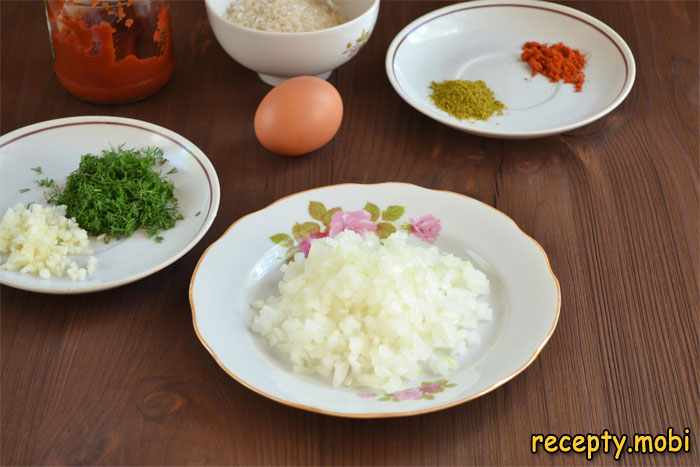
- pork mince – 200 grams;
- chicken mince – 200 grams;
- rice – 4 tablespoons;
- onion (smaller than average) – 1 piece;
- garlic – 2 cloves;
- chicken egg (small) – 1 piece;
- tomato paste – 2 teaspoons;
- mayonnaise – 1.5 tablespoons;
- flour – 1 tablespoon;
- dill – 2 sprigs;
- khmeli-suneli – 1 teaspoon;
- sweet paprika – 0.5 teaspoon;
- salt.
Preparation
Tips and Tricks
Tip 1. Use mixed chicken and pork mince for best finished texture. Pure chicken produces dry results, pure pork produces too-fatty results; properly mixed 50/50 chicken-pork mince produces the proper signature juicy balanced character authentic to traditional Russian meatball preparations. The mince-mixture matters more than home cooks typically realize for finished meatball-quality and overall family-meal success consistently across batches reliably across various weekday meal occasions throughout the year for proper traditional Russian-style results consistently.
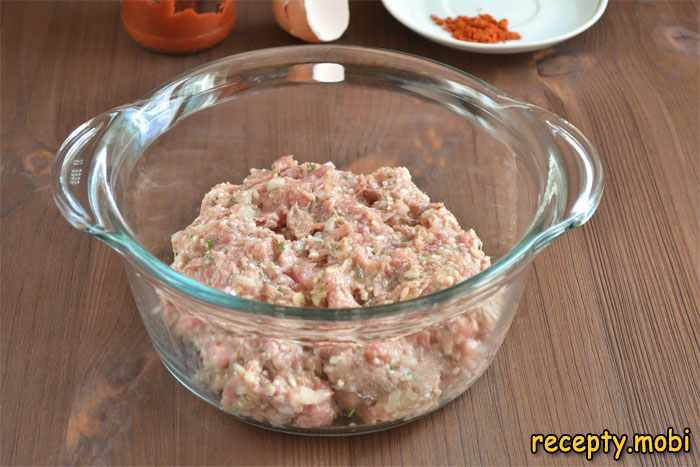
Tip 2. Lightly beat the meat mixture for proper finished texture. Unbeaten mince produces dense dry meatballs; properly beaten mince (dropped onto bowl bottom several times) produces the proper signature fluffy juicy character authentic to traditional Russian meatball preparations. The same beating principle elevates many meatball preparations including khmeli-suneli-seasoned meat applications across various traditional international culinary occasions throughout the year reliably.
Tip 3. Turn meatballs halfway through cooking for proper finished even coloring. Cooking without turning produces uneven cooking; properly turned meatballs (after 20 minutes) produce the proper signature even golden-brown character authentic to traditional Russian pan-stewed meatball preparations. The patient turning principle pays back significantly in finished meatball-quality consistently across batches and various stew-meatball preparations throughout the year for proper traditional results worth showcasing reliably across various family-meal occasions for proper home-cooking results.
Tip 4. Pair the finished meatballs with traditional accompaniments for proper presentation. Serve hot with boiled rice, mashed potatoes, alongside fresh vegetable salad, pickles for substantial dinner spreads, or with hot tea for elegant Russian family-meal presentations worth showcasing across various entertaining occasions reliably. Pair with crusty homemade bread for substantial dinner spreads throughout the year for proper traditional results worth showcasing reliably across various family-meal occasions throughout the year.
FAQ
Can I use other meats?
Yes, turkey, beef, lamb, or fish mince all work beautifully as substitutes producing equally delicious results. Each option produces distinct character: chicken-pork provides classic Russian profile, turkey-beef adds leaner richer flavor, lamb adds Central Asian depth, fish mince creates Mediterranean-style variation. Adjust cooking time slightly for different meats. Mix and match meat options for endless variations across various Russian meatball traditions throughout the year for proper personalized finished results consistently across various meal occasions reliably across various preparation sessions.
How long do these meatballs keep?
Stored covered in the refrigerator, the meatballs keep for 3-4 days at peak quality. The flavors meld and improve over the first 24 hours as components marry beautifully. Reheat gently in pan with sauce or in microwave covered to preserve texture. The meatballs freeze adequately for up to 2 months — thaw in refrigerator overnight before reheating. Best consumed within 2-3 days for the brightest most appealing finished results across multiple meal applications throughout the year reliably across various family-meal occasions.
Can I bake instead of pan-cooking?
Yes, oven baking works beautifully producing equally delicious results. Each option produces distinct character: pan-stewing produces traditional juicy character with rich sauce reduction, oven baking produces lighter healthier results with consistent even cooking. Place meatballs in baking dish, pour sauce over them, and bake at 180 degrees for 40 minutes covered. Choose based on time and oven availability for proper finished meatball variations consistently throughout the year reliably across various meal occasions.
Why are my meatballs tough?
Three usual causes: insufficient beating of mince, too much breading or flour added directly to meat, or aggressive boiling instead of gentle simmer. Address proper beating technique (3-4 times against bowl bottom), correct rice quantity for binding (4 tbsp not more), and gentle covered simmering on low heat for consistently tender results. The combination of proper beating, balanced binding, and patient simmering produces dramatic texture-quality reliably across various Russian meatball preparation sessions throughout the year for proper traditional results consistently.