avg —
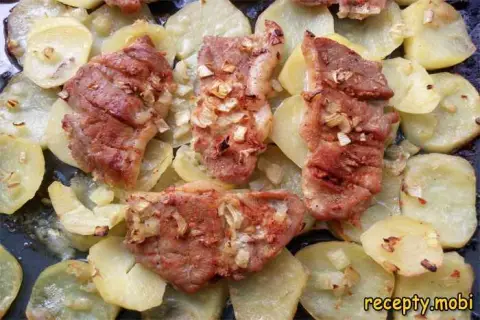
Pork with Potatoes in Pots

Instructions
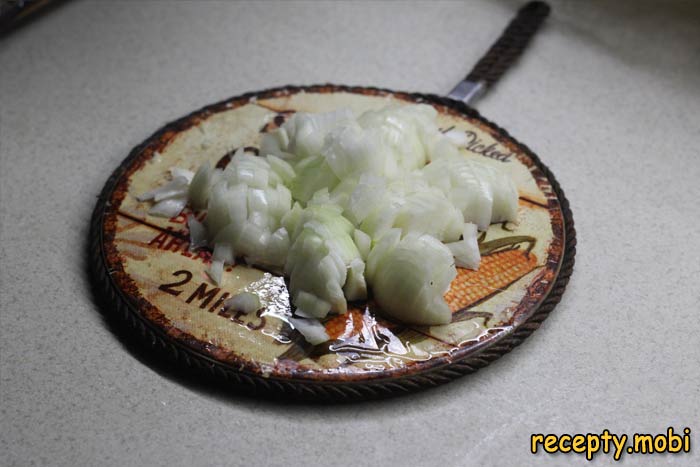
I peel and chop the onion into small 5–7 mm cubes. Finely chopped onion dissolves into the sauce during baking, giving its characteristic sweetness and depth of flavour. Onion cut too large will leave sharp pieces in the pot, whereas finely chopped onion is perfect for a stew.
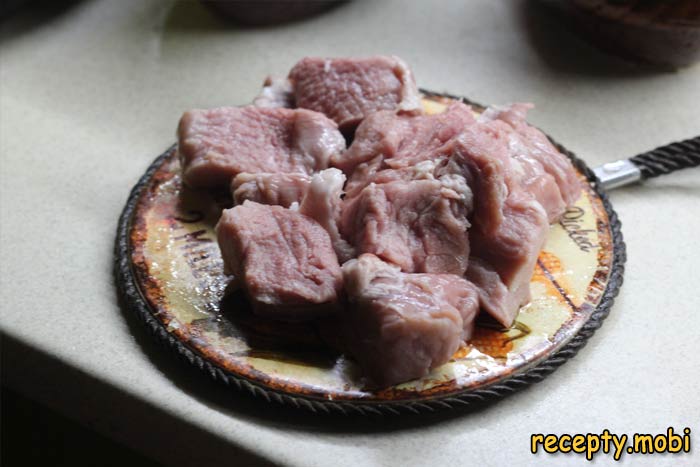
I cut the pork into large pieces of 2–3 cm. It is best to use moderately fatty meat – pork neck or shoulder with streaks of fat. Lean tenderloin will dry out in the pot, while meat that is too fatty (such as belly) will release a lot of fat into the finished dish. Moderately fatty meat is the happy medium.
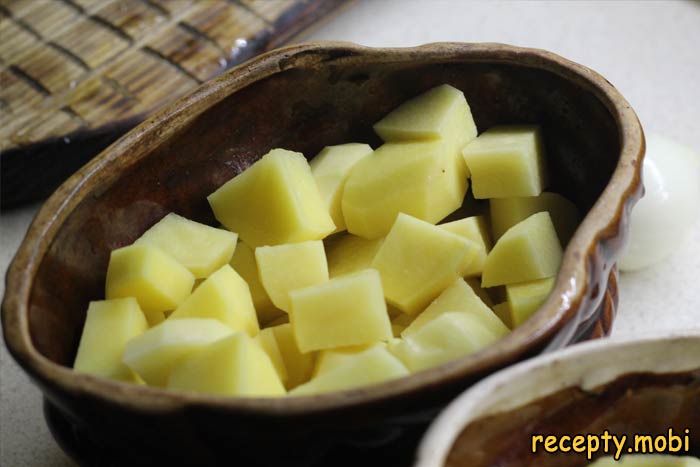
I cut the peeled potatoes into 2–2.5 cm cubes and fill the ceramic pots two-thirds full. Do not fill them to the brim – you need room for the sauce and the meat on top, and for the contents to expand during cooking. Cubes of the same size are the key to even baking.
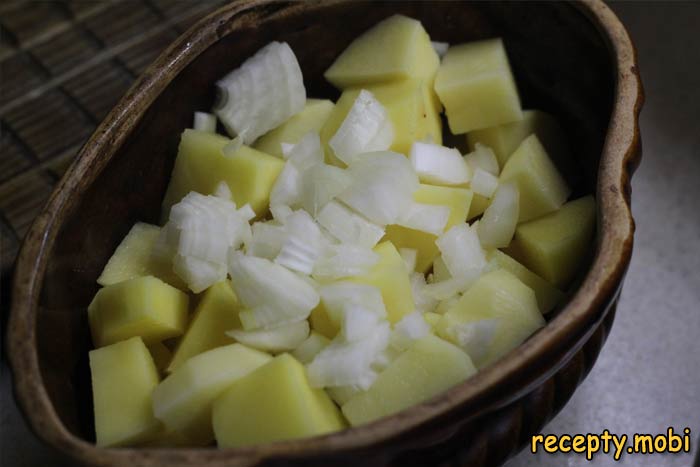
I sprinkle the potatoes in each pot with the chopped onion in an even layer. The onion between the potatoes and the meat on top creates a "cushion" that passes its aroma to both components and soaks into them.
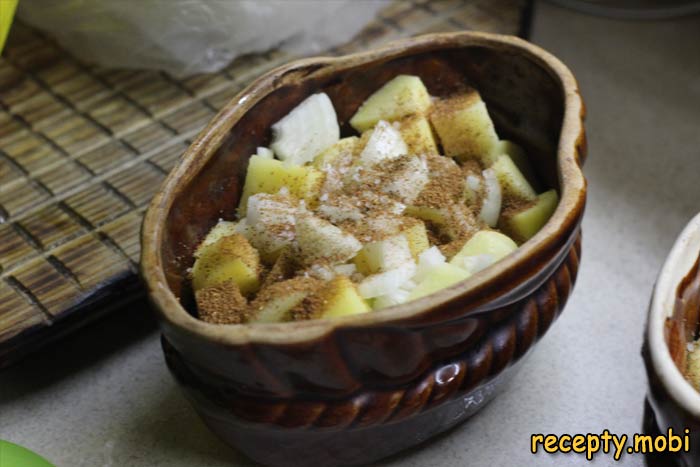
I add spices to each pot (paprika, thyme, oregano or a meat seasoning mix), salt and freshly ground black pepper to taste. I distribute them evenly so that every pot has the same flavour. You can use a ready-made spice mix for meat or for stew.
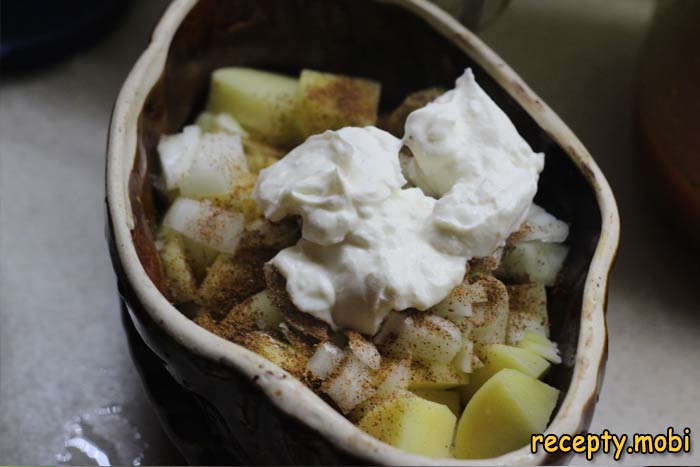
I add 2–3 tablespoons of 20–25% sour cream to each pot. I gently stir the contents of the pot with a silicone spatula to distribute the sour cream over all the potato. The sour cream gives the finished dish its characteristic creamy sauce and tenderness.
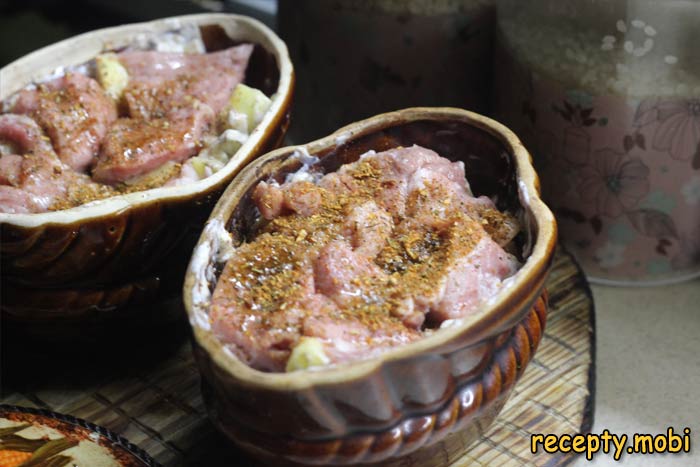
I roll the pieces of pork in spices, drizzle them with vegetable oil and lay them on top of the potatoes in each pot. I cover them with lids or foil. I put the pots into a COLD oven and gradually heat it to 180 °C – this is critical for keeping the ceramic intact. I bake for 45 minutes until the meat is done.
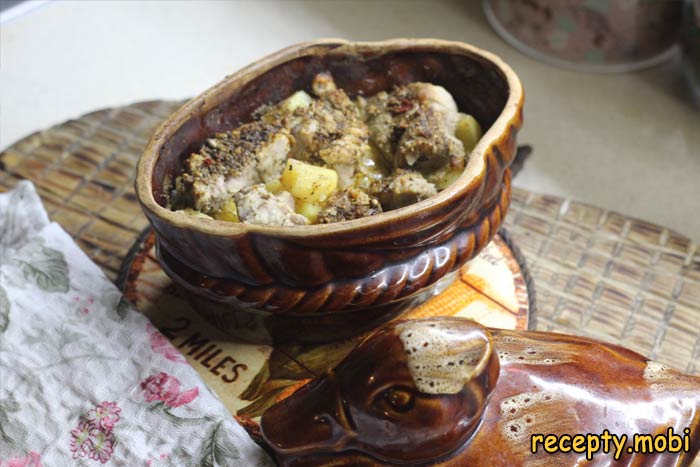
The pork with potatoes in pots is ready! I check it with a fork: the potatoes should be soft and the meat tender. I serve it straight from the pots at the table – a striking, hot presentation. I garnish it with fresh herbs and serve it with a vegetable salad.


Tips
- 1
Choose moderately fatty pork (neck or shoulder) – the meat will stay juicy and will not dry out during the long bake in the pot.
- 2
Only put the pots into a cold oven and heat them gradually – a sharp temperature change can cause the ceramic to crack.
- 3
You can add mushrooms (champignons or oyster mushrooms) or bell pepper for variety. I use a similar method to make classic pork stew.
- 4
For extra aroma, add a sprig of thyme or rosemary or a pinch of herbes de Provence – it gives the dish a Mediterranean character.
FAQ
Can I make it with a meat other than pork? +
What can replace the sour cream in this recipe?
Heavy cream at 33% (a creamier, more delicate flavour), mayonnaise (a richer, more "home-style" character), Greek yogurt (a lighter version with a slight tang), or a 50/50 mix of cream and natural yogurt. Each substitute gives the dish its own character: sour cream is refreshing, cream is delicate, mayonnaise is hearty, yogurt is light. Without a dairy component the dish turns out "dry" – sour cream or a substitute is essential for juiciness.
How do I store the finished stew properly? +
In the refrigerator, in a tightly closed pot or container – for up to 2 days without any loss of quality. On the second day the flavour becomes even richer and the meat soaks up the sour-cream sauce better. Always reheat it in the oven at 150 °C for 15 minutes under a lid or foil – the microwave makes the potatoes "rubbery". I do not recommend freezing it – after thawing, the potatoes become watery and lose their texture.
What should I serve with pork in pots? +
Classic accompaniments: a fresh vegetable salad (tomatoes with cucumbers, Greek salad), pickled cucumbers, homemade mustard, horseradish. For bread – dark Borodinsky, rye with cumin, or garlic croutons. For a festive presentation – with cold appetisers (herring, lightly salted red fish). For drinks, dry red wine, kvass or dark beer all go well. Stew in pots is a self-sufficient dish that needs no side, but a salad is always welcome for freshness.
- Comment
or post as a guest
Be the first to comment.