avg —
Classic Bolognese Pasta

Instructions
I prepare the necessary ingredients. Having all the components right at hand – the dish cooks quickly, so it is important not to get distracted.
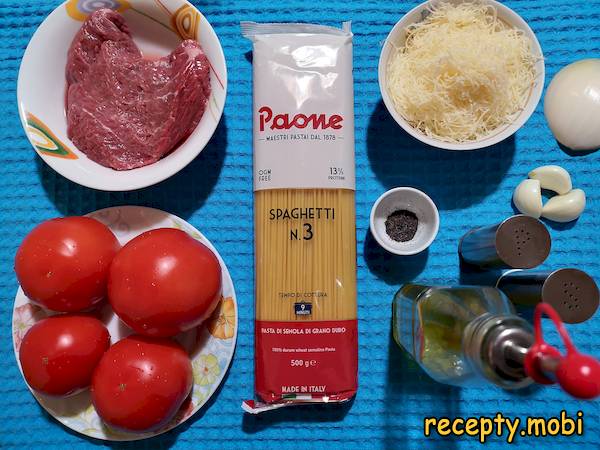
I rinse the beef pulp under running water and cut it into small pieces. The shoulder cut is ideal for the sauce – it is not "fatty", but gives a rich flavour.
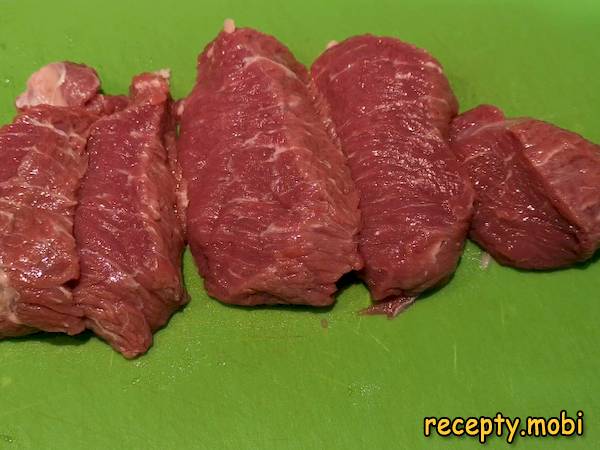
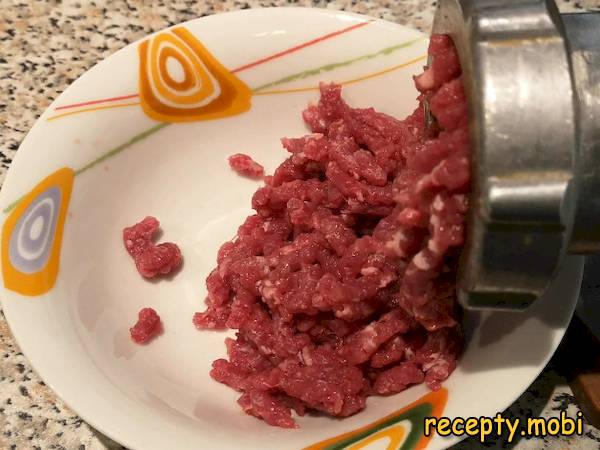
Using a meat grinder, I grind the beef. You can also chop the pulp in a blender – the result will be a little "more mushy", but that is acceptable.
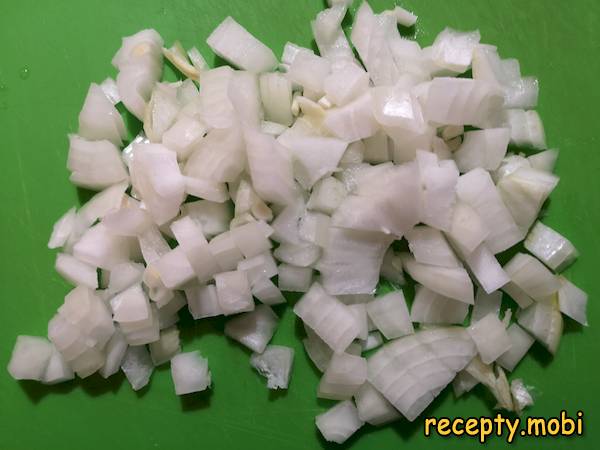
I cut the onion into small cubes. A fine dice is the Italian tradition: the onion "dissolves" into the sauce, giving sweetness without large pieces.
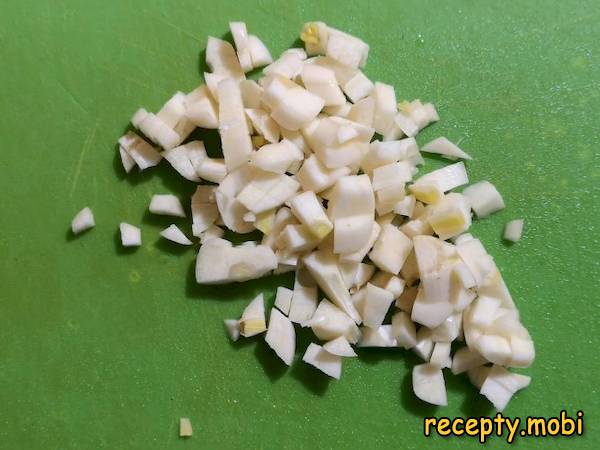
I cut the garlic into small cubes as well. I do not use a press – garlic chopped with a knife gives a "softer" aroma.
To remove the skin from the tomatoes, I make a cross-shaped cut on the top of each one. This "trick" makes the peeling process that follows very easy.
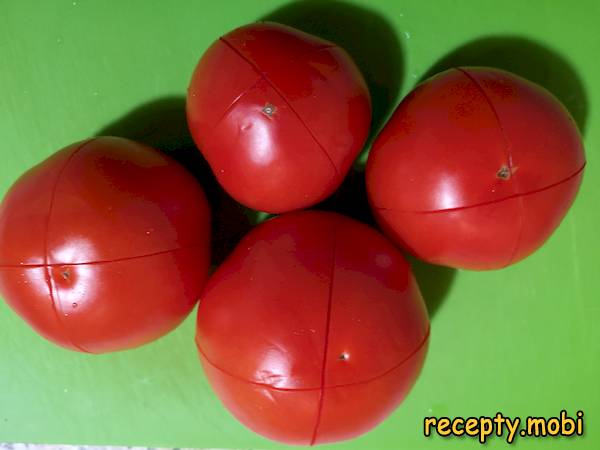
I pour boiling water over the tomatoes and leave them for 1 minute. I drain the water and immediately cool them with cold water. Now the skin slips off the tomatoes easily – this procedure is called "blanching".
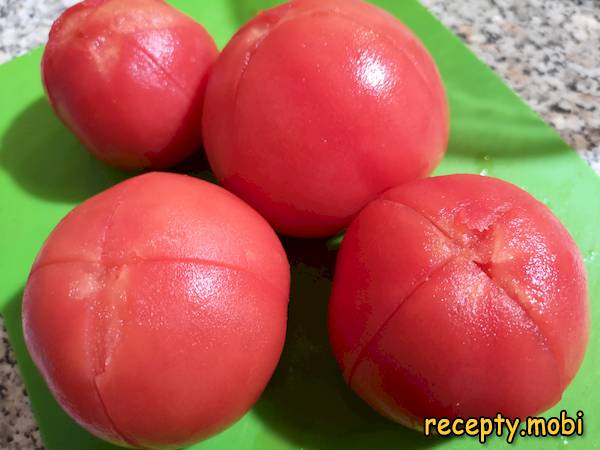
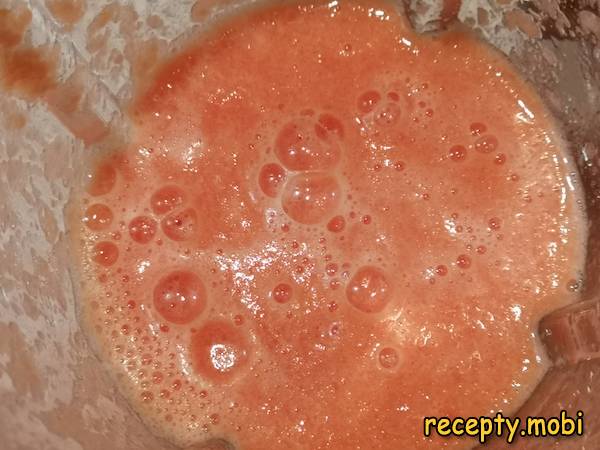
I blend the tomatoes into a puree using a meat grinder or a blender. Fresh tomato puree gives a brighter "summery" flavour than shop-bought paste.
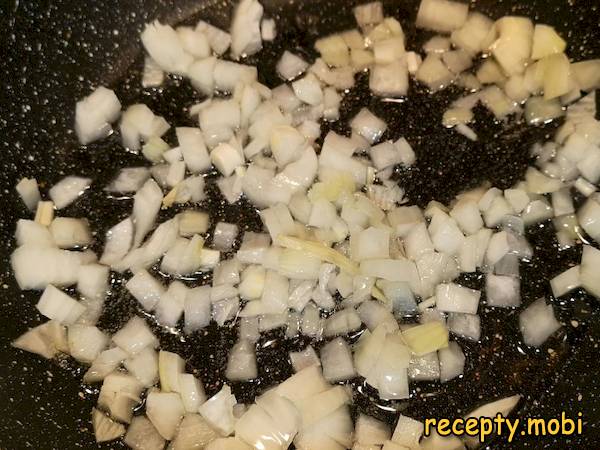
I heat a frying pan, add olive oil and tip in the onion. I fry it for about 2–3 minutes – without letting the onion change colour. The onion should become translucent, not brown.
I add the chopped garlic to the onion and fry for another 2 minutes. The garlic will release its aroma without having time to burn.
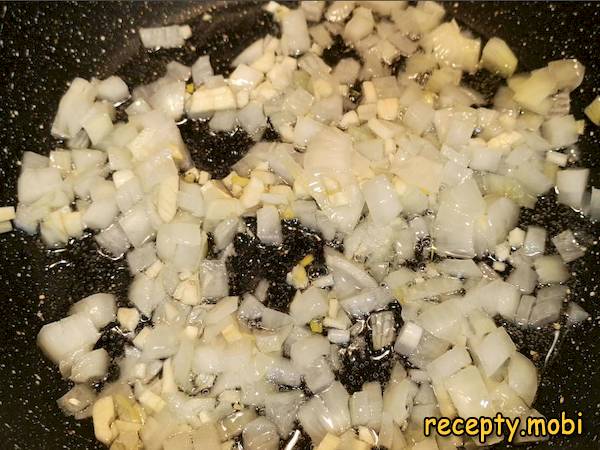
I add the beef mince. I mix everything and fry for about 5 minutes. The mince should "lose its pink colour" throughout.
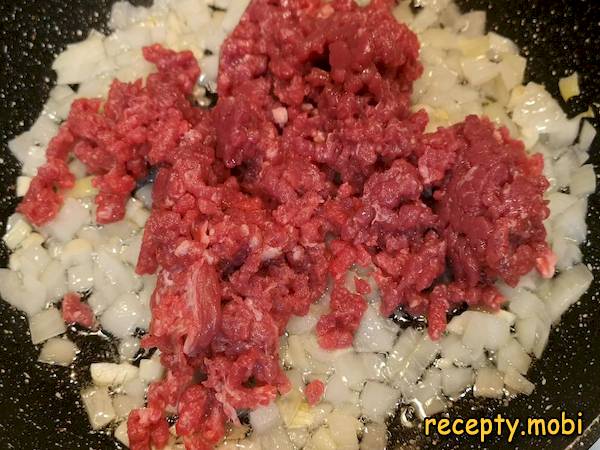
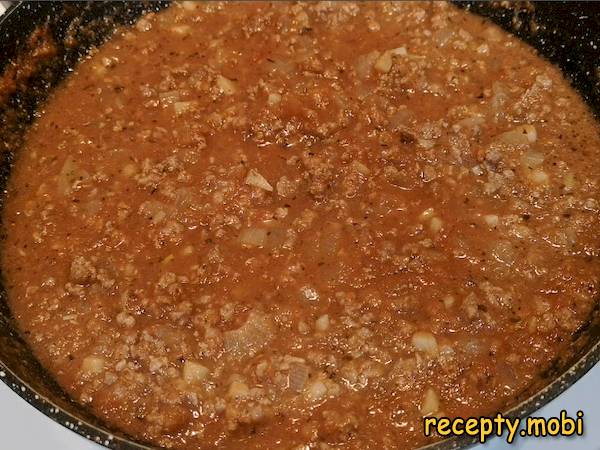
I mix the tomato puree with the mince. I pour in a couple of tablespoons of boiling water. I set the heat to medium. I simmer for about 20 minutes – the sauce should "come together", becoming thick and uniform. I add basil, salt and ground black pepper to taste.
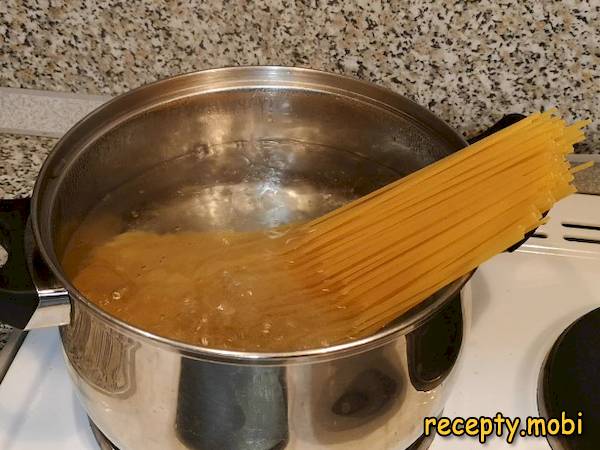
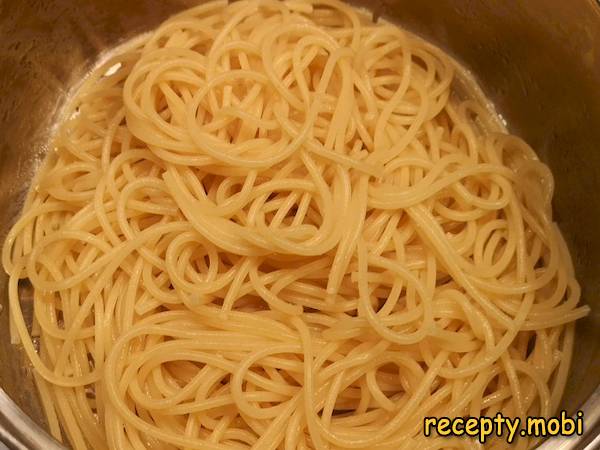
While the Bolognese sauce is cooking, I start to boil the spaghetti. I pour water into a pot and salt it. I bring it to the boil and add the pasta. I cook it according to the instructions on the package – usually 8–10 minutes, "al dente".
I drain the cooked pasta in a colander and return it to the pot. I add a little clarified (butter) and mix everything together. The butter prevents the spaghetti from sticking together and gives a "glossy" look.
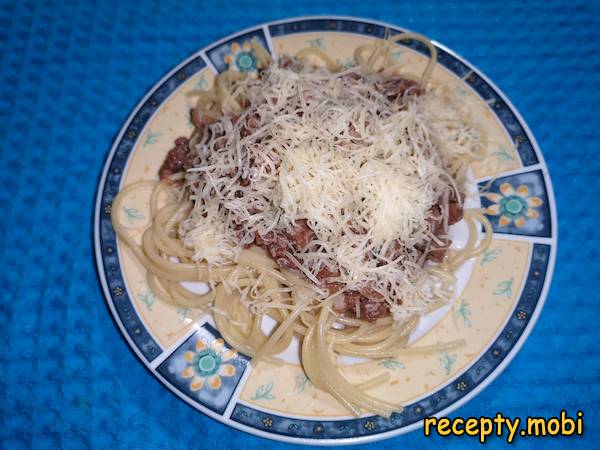
The Bolognese and the spaghetti are ready. I put the pasta on a plate, add the prepared Bolognese sauce on top and sprinkle generously with grated Parmesan. The classic Bolognese pasta is ready. I serve it at the table.


Tips
- 1
Blanch the tomatoes to remove the skin (a cross-shaped cut + 1 minute in boiling water) – this is the "secret" to the authentic Italian texture of the sauce, without tough pieces.
- 2
Add the onion and garlic in turn – the garlic AFTER the onion, so that it does not burn. Burnt garlic will give the whole dish a bitter taste.
- 3
Cook the spaghetti "al dente" – an Italian tradition: there should be a slight "firmness" inside. I use a similar principle with other Italian pastas.
- 4
Add the Parmesan to the plate when serving, not to the pot – freshly grated cheese on hot pasta gives maximum aroma.
Video

FAQ
Which pasta is best to use for Bolognese? +
The classic is tagliatelle (flat, long pasta originating from Bologna – the authentic choice). Spaghetti, fettuccine, pappardelle (wide and long), penne (tubes) and fusilli (spirals) are also suitable. By Italian tradition, "Bolognese" is served specifically with tagliatelle, not with spaghetti – but the habit of cooking it with spaghetti has become widespread. For a "proper" Italian presentation, try it with tagliatelle: the difference in texture is obvious.
Can I use ready-made mince? +
Yes, ready-made beef mince saves time. But homemade mince from beef pulp is better: you control the quality of the meat, the absence of additives (soya, starch) and the degree of grinding (for Bolognese the optimum is a medium coarseness). Buy mince only from trusted shops – fresh, with no off smells. For an authentic Italian flavour, use a mixture of beef and pork (125 g of each) – this gives a "richer" sauce.
How long does Bolognese sauce keep? +
In the refrigerator – 4–5 days in a closed container. On the second day the flavour is even better – the ingredients "get acquainted". The spaghetti is kept separately from the sauce (1–2 days), mixing them only when serving. The sauce can be frozen for 2–3 months in portions in containers – before serving, defrost it in the refrigerator and reheat it on the stove. This is handy for a "quick" lunch: boil the pasta, add the ready-made sauce.
What to serve with Bolognese pasta? +
The classic serving: with grated Parmesan (essential!), a leaf of fresh basil for decoration, and a glass of dry red wine (Chianti, Sangiovese). As a second course – a green salad with olive oil and balsamic vinegar. Garlic croutons or focaccia are an excellent addition for soaking up the sauce. For dessert – tiramisu or panna cotta. For a "children's" version – without wine, with a fruit compote or juice. The main thing is good Parmesan; without it the dish "loses face".
- Comment
or post as a guest
Be the first to comment.