avg —
Fettuccine Alfredo – how to cook at home

Instructions
I get the ingredients ready for making Fettuccine Alfredo at home. The cream can be anywhere from 20% to 33% fat. Parmesan can be replaced with the same kind of hard cheese, Romano.
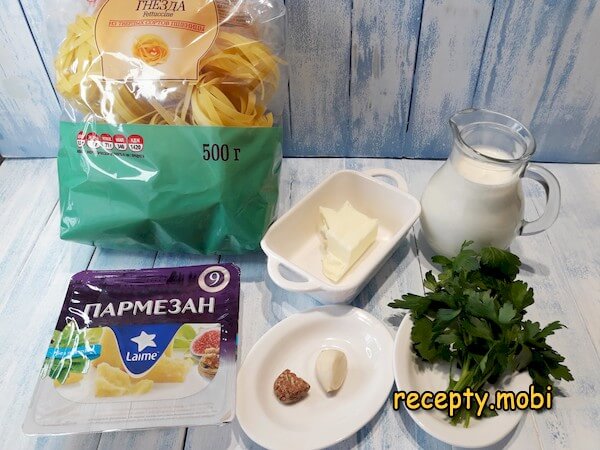
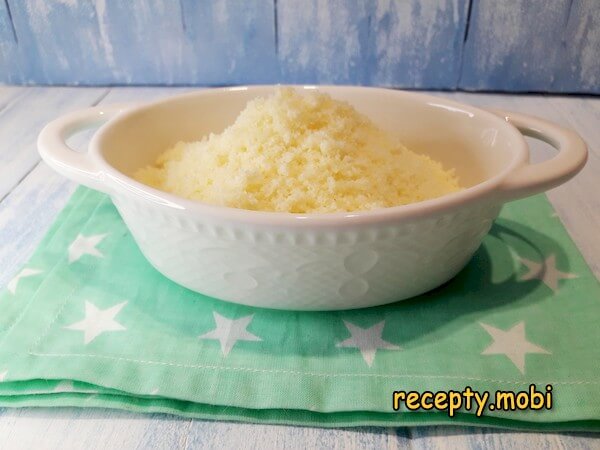
I grate the Parmesan on the finest holes of the grater; it should look like grains of sand – the more finely the cheese is grated, the better and faster it will combine with the creamy sauce.
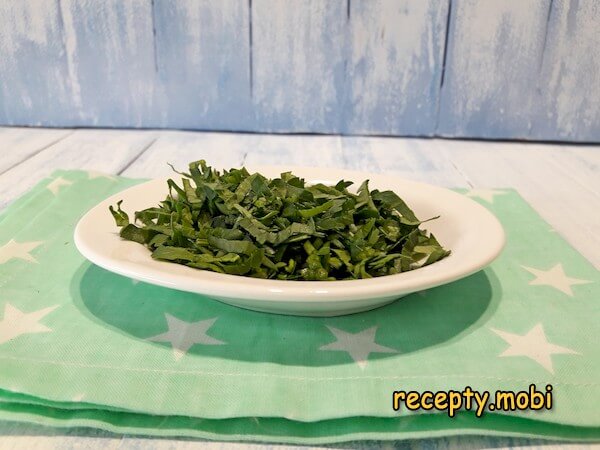
I finely chop the parsley.
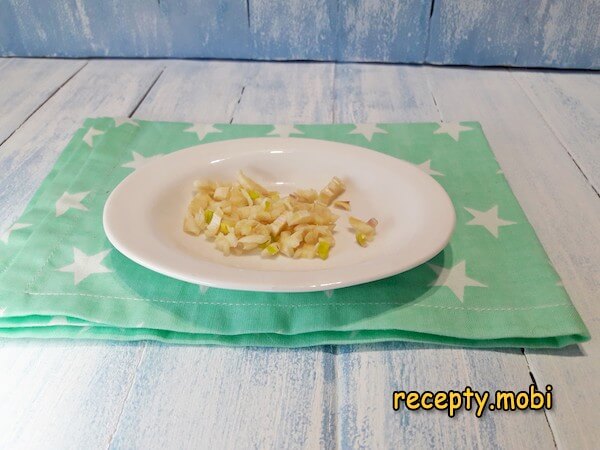
I finely chop the garlic (it is better if it stays in little pieces rather than a paste pushed through a garlic press).
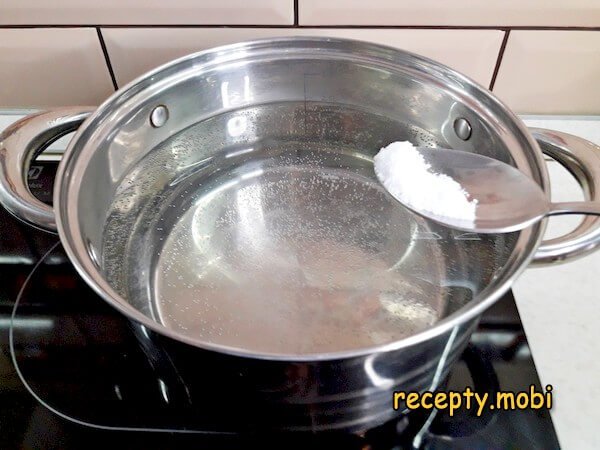
I put a pot of water (about 2.5 litres) on the heat. I salt it.
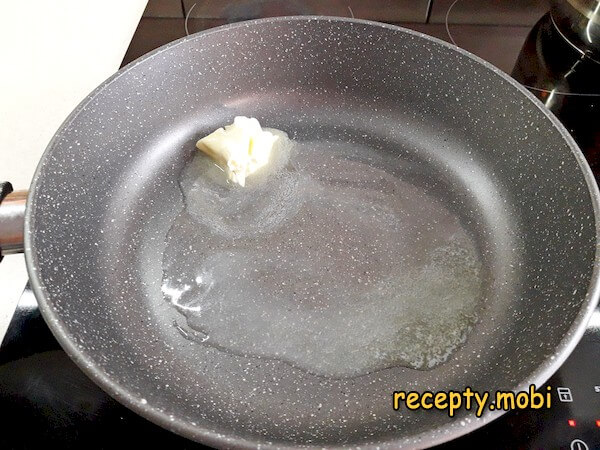
At the same time, I start making the sauce. In a thick-bottomed skillet with high sides, I melt the butter over gentle heat – the butter should melt very smoothly.
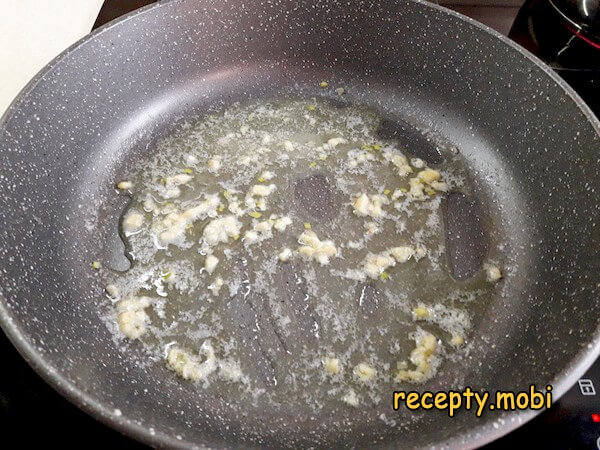
Once it has fully melted, I add the garlic. It should not be fried but gently warmed for a couple of minutes (the pieces must not change colour, because once browned the garlic would give the sauce a bitter taste).
As soon as a faint garlic aroma appears, I pour in the cream.
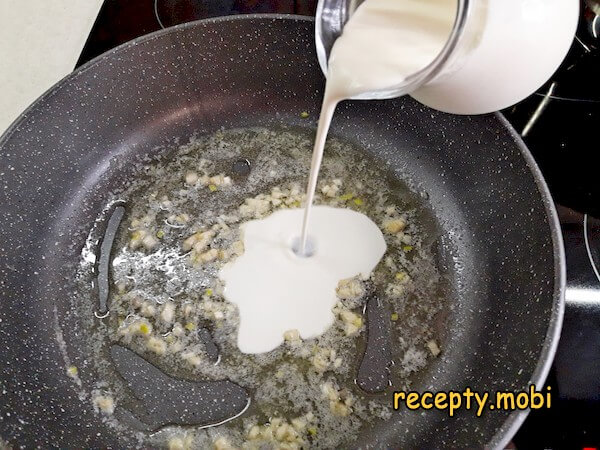
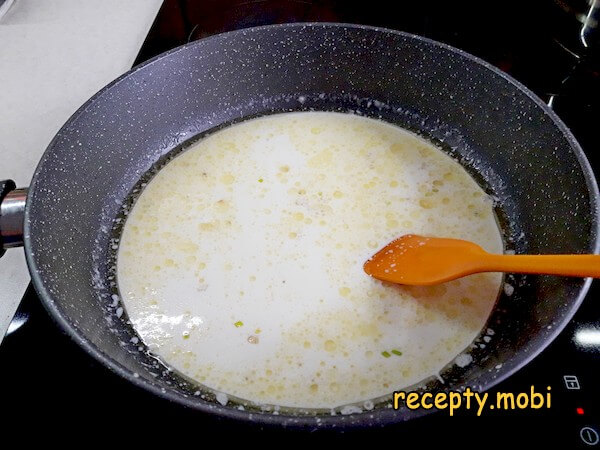
The cream needs to be stirred continuously with a spatula, and the heat should stay gentle and low.
I grate nutmeg into the sauce and add freshly ground black pepper.
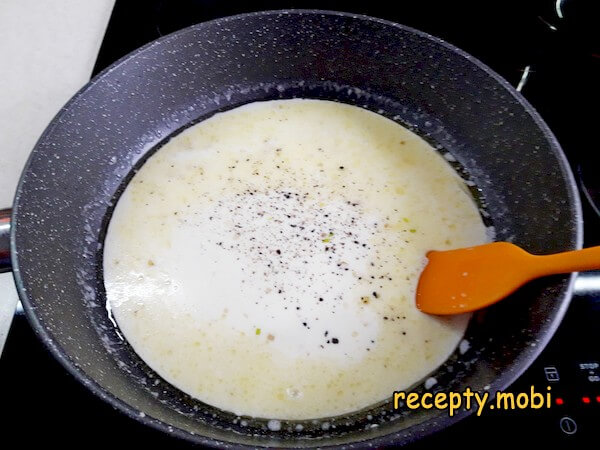
By this point the water in the pot will have come to the boil, which means it is time to add the pasta. I cook it for as long as stated on the packet, since recommendations differ from one producer to another.
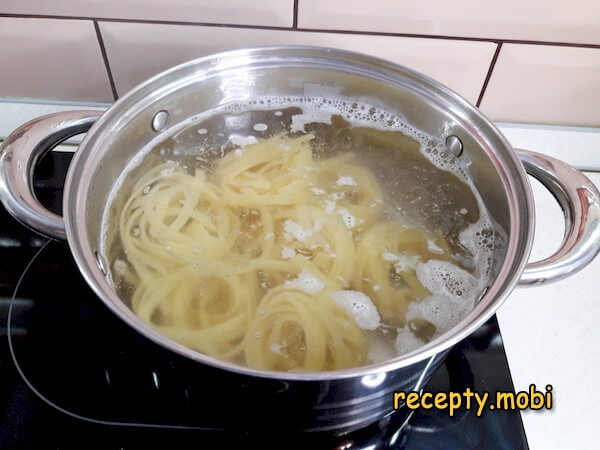
At the same time, I keep stirring the sauce until it becomes completely uniform, that is, until the butter no longer floats on top of the cream but blends with it into a homogeneous mass.
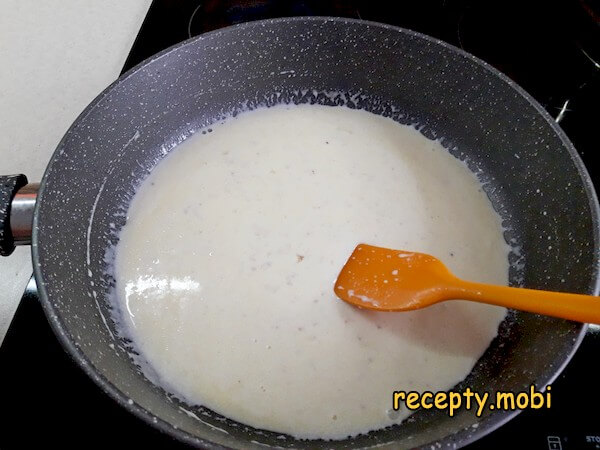
I add the Parmesan.
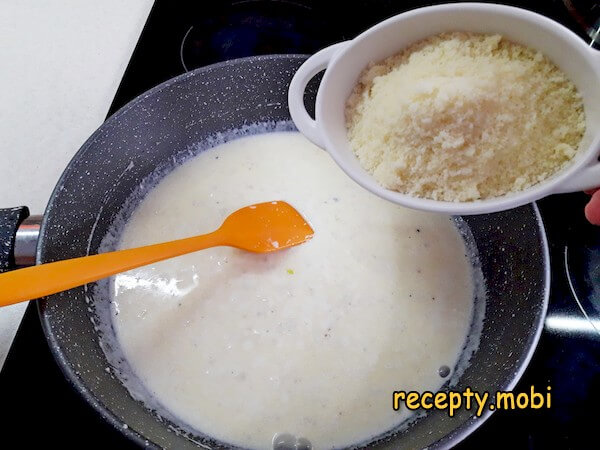
I quickly stir it in and take the skillet off the heat.
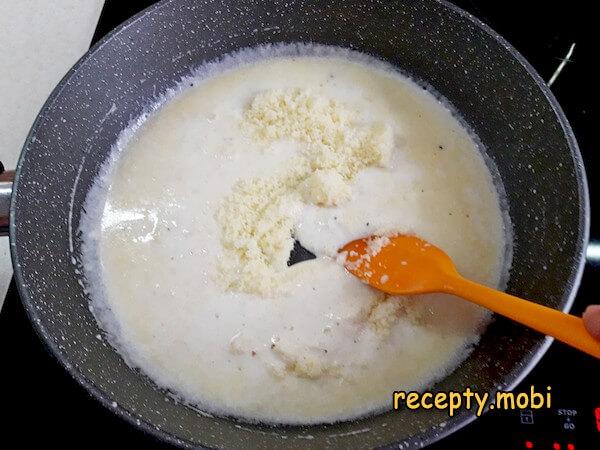
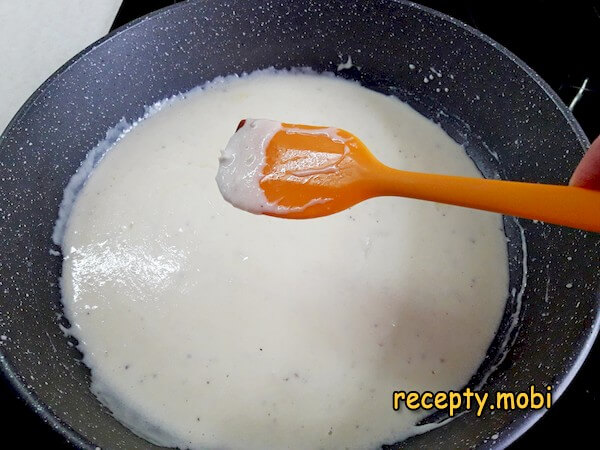
The Parmesan will thicken the sauce nicely and give it its characteristic flavour.
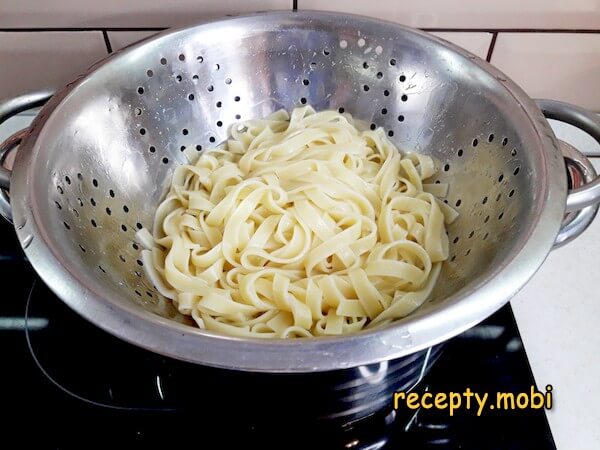
By this time the pasta will be cooked – I drain it in a colander. It is very important to have the sauce and the pasta ready at the same time. If anything has to be reheated, the sauce will split and the flavour will be spoiled.
I transfer the hot fettuccine into the skillet with the sauce.
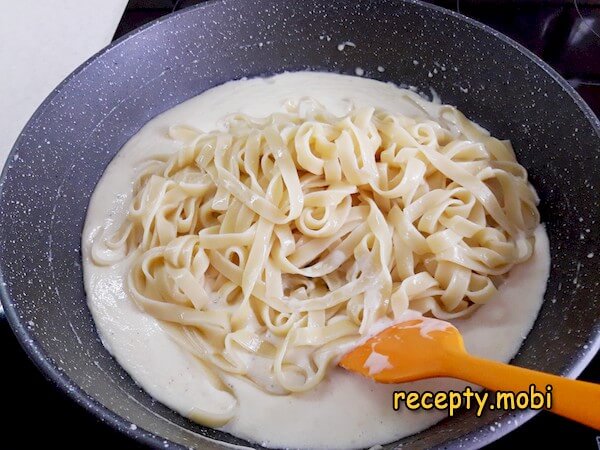
I toss everything together.
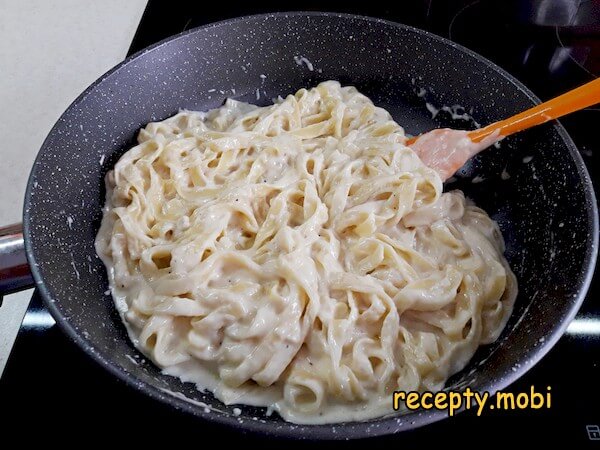
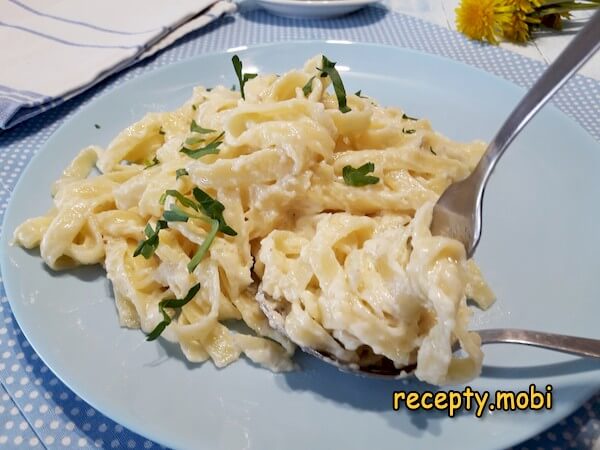
The Fettuccine Alfredo is ready. It is served straight after cooking and on pre-warmed plates (you can put them in the oven at 100 degrees for a few minutes, or in the microwave). If you like, scatter fresh parsley over the pasta.


Tips
- 1
Timing is the secret to Alfredo. The sauce and the pasta have to come together at the same moment. If the sauce cools down, it will separate. If the pasta stands too long, it will stick together.
- 2
Parmesan grated to sand is the secret to smoothness. Coarse shavings will not dissolve. Cheese grated as fine as sand combines with the cream instantly into a smooth sauce.
- 3
Not frying the garlic is the secret to avoiding bitterness. Burnt garlic tastes bitter. Warmed in the butter for 2 minutes, it is fragrant but does not change the colour or flavour of the butter.
- 4
Warm plates are the secret to serving. Cold plates instantly cool the pasta and the sauce thickens into lumps. On warmed plates the dish stays hot to the end. The same principle works with other kinds of Italian pasta with creamy sauces.
Video

FAQ
Which fettuccine should you choose? +
Ideal – Italian fettuccine made from durum wheat (250 g is the "classic" choice). Alternatives: tagliatelle (250 g – similar, a little narrower), pappardelle (250 g – wider, for a premium presentation), linguine (250 g – narrower than fettuccine), farfalle "bow ties" (250 g – unusual), ridged penne (250 g – handy for the sauce), spaghetti (250 g – the "budget" option). Fresh homemade pasta is the premium option. Do not use: pasta made from soft wheat (it will boil down to mush) or small shapes (vermicelli, elbow macaroni – not suited to Alfredo). For "classic Alfredo" you must use wide, flat, durum-wheat fettuccine.
What can replace Parmesan? +
Alternatives: "Grana Padano" (80–100 g – "premium Italian", similar), Romano (80–100 g – as suggested in the recipe), Pecorino (80–100 g – premium, saltier), a 50/50 blend of Parmesan and Grana Padano (40–50 g of each – premium), a hard Russian cheese such as "Kostromskoy" 50%+ (80–100 g – "budget"), Cheddar (80–100 g – brighter colour, milder), Gruyère (80–100 g – "Swiss premium"). Fresh Parmesan with a DOP mark is the premium option. Do not use: processed cheese (it will separate) or blue cheese (it will throw off the flavour). For "classic Alfredo" you must use a hard Italian cheese.
How long does Fettuccine Alfredo keep? +
A freshly made dish is at its "star" best right after it is ready (hot, with the creamy sauce). At room temperature – no more than 30 minutes (after that the sauce separates). In the fridge in a tightly sealed container – 1 day (but the sauce will lose its silkiness). Before serving, reheat it in a skillet with a couple of spoonfuls of cream for 2–3 minutes, stirring constantly. The microwave is not suitable – the sauce will separate. I do not recommend the freezer – the creamy sauce will be completely destroyed. Do not leave it at room temperature for longer than 2 hours, as dairy products spoil quickly. It is best made "for one sitting".
What to serve with Fettuccine Alfredo? +
The Italian classic: with a glass of dry white wine (Chardonnay, Pinot Grigio). With a green salad of rocket and spinach dressed with balsamic. With slices of prosciutto or bresaola. With garlic bread or bruschetta. With fresh cherry tomatoes. With a cup of cappuccino or espresso after the meal. With hot ciabatta and olive oil. With mozzarella and basil (a quick "Caprese"). With risotto served separately (as a first course). With white vermouth (for a premium touch). With a glass of limoncello after dinner. With Italian beer such as "Peroni" or "Birra Moretti". For an "Italian dinner" it is a versatile dish to serve. A creamy pasta for a romantic evening.
- Comment
or post as a guest
Be the first to comment.