avg —
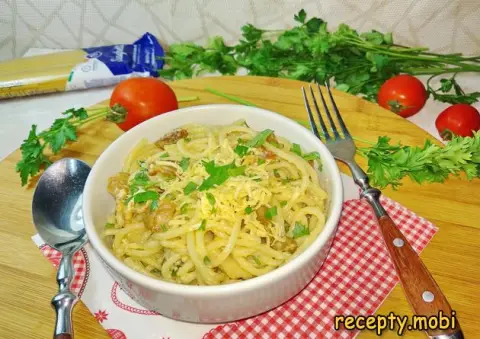
Pasta with Minced Meat and Tomato Paste

Instructions
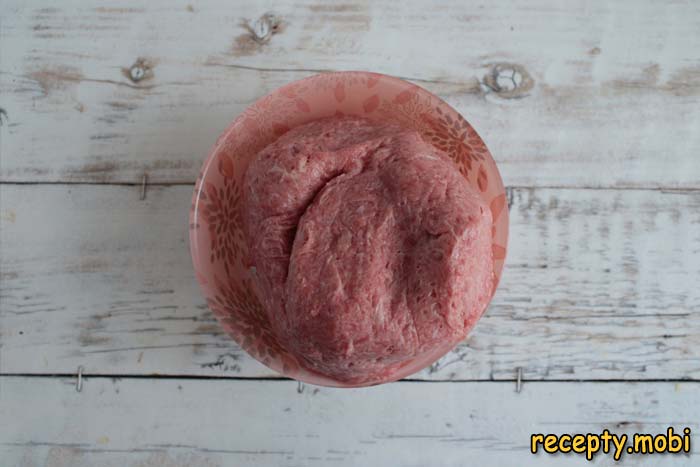
Prepare the minced meat (300 g): if I make it myself, I put the meat (a 50/50 mix of pork and beef) through a meat grinder with a fine plate together with 1 onion for juiciness. Store-bought mince I combine with finely chopped onion right before cooking. Home-made mince tastes better – you control the quality of the meat and get the best ratio of meat to fat.
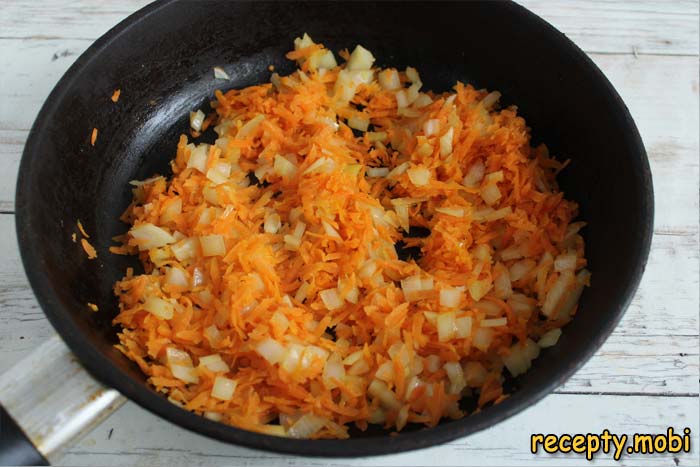
Peel the carrot (1 pc) and grate it on a coarse grater – coarse grating gives an airy texture in the sauce, while fine grating turns the carrot to mush. At the same time, heat the vegetable oil (2 tbsp) in a large, thick-bottomed frying pan – a thick base spreads the heat evenly and stops things from burning. Fry the onion with the carrot for 5–7 minutes until soft and lightly golden.
Add the minced meat to the fried vegetables and fry for 10 minutes, constantly breaking up the lumps with a spatula or fork for a fine, even texture. Without breaking it up, the mince "sets" in large pieces and will not mix with the pasta. Season with salt and pepper as it fries – added at the end, the seasoning soaks into the meat less well.
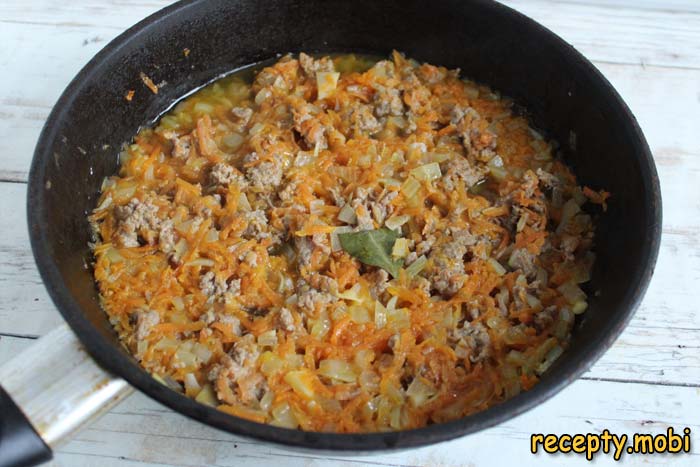
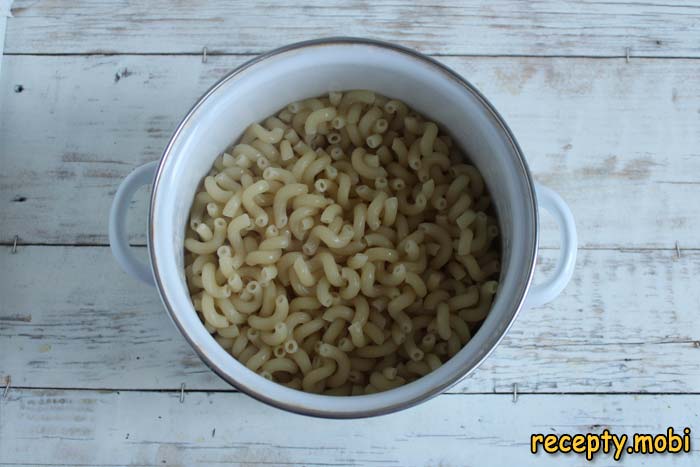
At the same time, boil the pasta in a large volume of salted water (1 litre of water + 1 tsp of salt per 100 g of pasta) according to the packet instructions, but for 2 minutes less – you want it al dente. A large volume of water ensures even cooking without sticking. Drain in a colander, but do not rinse – the starch on the surface helps the sauce "cling".
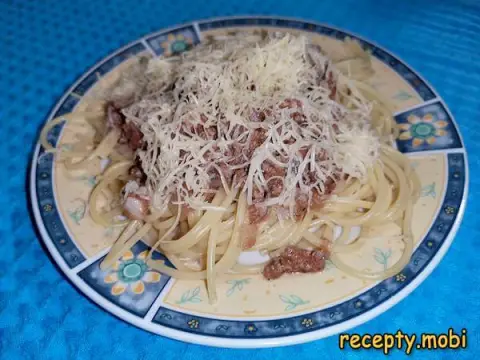
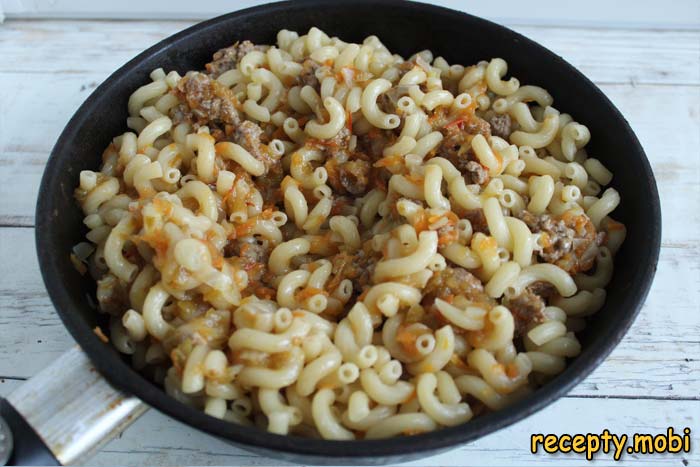
To the finished mince, add the tomato paste (3 tbsp) and the crushed garlic (2 cloves), and fry for 1–2 minutes to release the aroma. Then add the drained pasta, stir, and simmer covered over low heat for 5–7 minutes for the flavours to come together. Pasta with minced meat and tomato paste is ready!
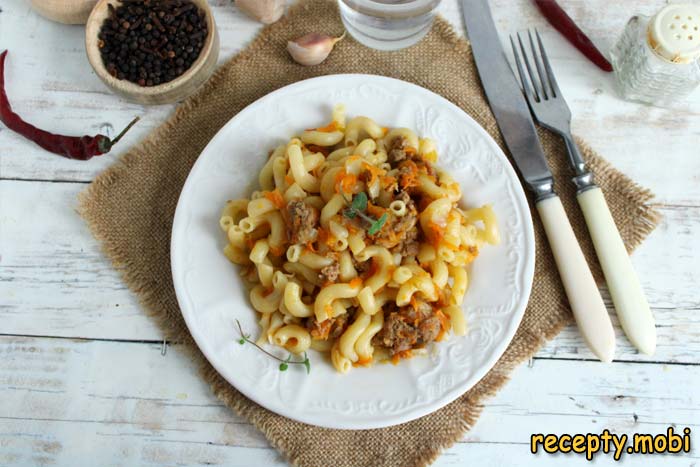
Serve straight away, while the dish is hot and fragrant. Garnish with fresh parsley or basil, and sprinkle with grated Parmesan or any hard cheese for an "Italian" presentation. The perfect quick dinner for the whole family in 55 minutes – minimum effort, maximum flavour.


Tips
- 1
Use durum wheat pasta – it does not stick together while boiling, holds its shape, and gives the dish an Italian character.
- 2
For a lighter version, use chicken or turkey mince – the calorie content drops from 242 to 170 kcal per 100 g, and the flavour is more delicate.
- 3
Instead of tomato paste, you can use fresh tomatoes (4–5 pcs) or ready-made tomato sauce (200 ml). I make pasta bolognese on a similar principle.
- 4
Serve with grated hard cheese (Parmesan, Gouda), fresh herbs, and a pinch of dried basil – a simple garnish gives a restaurant-style presentation.
FAQ
Which minced meat is best to use for this dish? +
A classic 50/50 mix of pork and beef is the best choice for juiciness (from the pork) and a rich flavour (from the beef). Pork only is more delicate and fattier, suitable for a heartier version. Chicken or turkey makes a lighter version with the fewest calories, but is less "meaty" in taste. Lamb works for an "Eastern" version with garlic and spices. The main thing is to use fresh mince without membranes and gristle, ideally ground at home in a meat grinder with meat you trust.
Can it be made without tomato paste? +
Yes, there are plenty of alternatives to tomato paste. Fresh tomatoes (4–5 pcs) grated on a coarse grater make a fragrant summer version. Tinned tomatoes in their own juice (400 g) are an all-season replacement with consistent quality. For a creamy version, add 200 ml of sour cream or cream – you get a "white" pasta without tomato. You can also make a "green" version by adding 2 tbsp of pesto or chopped spinach for an Italian "pasta verde". Each substitution gives the dish its own character.
How long does the finished dish keep? +
Ready pasta with minced meat keeps in the fridge for up to 2 days in a tightly closed container. On the second day the dish loses its "freshness" – the pasta absorbs the sauce and becomes denser, but the taste remains. Before serving, reheat in a frying pan with a little water or stock to restore the "saucy" consistency. Do not reheat in the microwave – the pasta will "harden" and turn "rubbery". Do not freeze – the pasta loses its texture when defrosted. Ideally, eat it straight after cooking.
What to serve with pasta with minced meat? +
It is ideal with a simple vegetable salad for a fresh contrast: Greek salad, a tomato and cucumber salad, or a green mix. For sauces – pesto (green or red), garlic butter, cheese sauce. For drinks – dry red wine (Chianti, Merlot), a light lager, tomato juice. For the children's table – with sour cream and fresh vegetables for lightness. Sprinkle with fresh basil or oregano for an Italian touch to the basic dish. The perfect quick family dinner.
- Comment
or post as a guest
Be the first to comment.