RU EN
Chinese-style Eggplants in Starch
cuisine Chinese
difficulty Medium
0 views this month
0 saved by readers
0 ratings
avg —
Vegetable Dishes

Chinese-style Eggplants in Starch

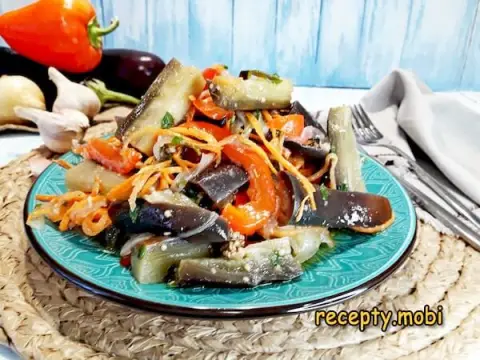
Chinese-style eggplants in starch is a remarkably tasty appetizer that takes about forty minutes to prepare yet delivers a spicy, vibrant, and unmistakably original flavor that immediately transports diners to the streets of Beijing.
Yield 3 servings
Calories 185 kcal
Difficulty Medium
Jump to recipe

Instructions

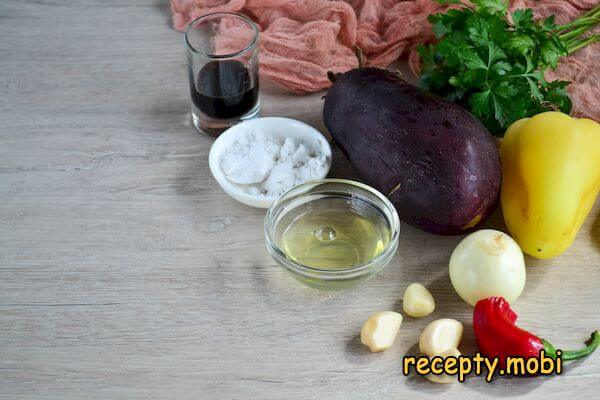
  1. Lay out every ingredient before starting the recipe. Have everything chopped and measured because the cooking moves quickly once the pan heats up; this is genuine stir-fry style work where preparation matters more than execution.

    Step 1
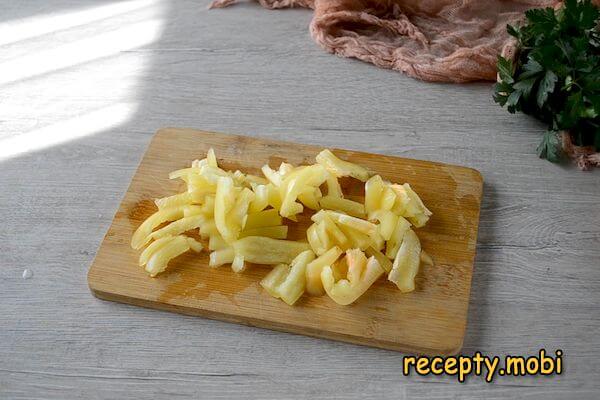
  2. Cut the sweet pepper into short strips about three centimetres long. Avoid cutting the strips too long because they take much longer to cook through evenly than shorter pieces and overwhelm the visual presentation of the finished dish.

    Step 2
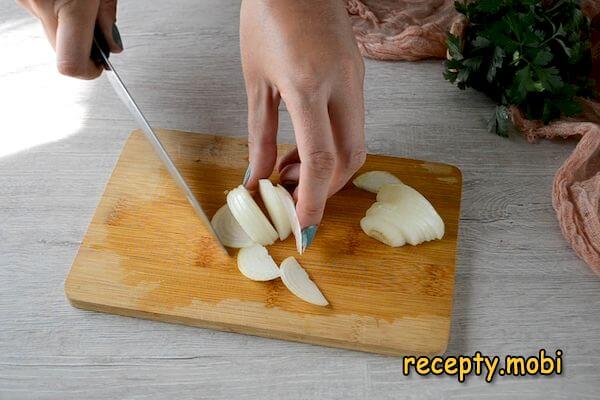
  3. Cut the peeled onion into thin half-rings. Thin slices cook faster and develop a more pronounced sweetness when sautéed than thick chunks that stay sharp and crunchy in the centre even after extended cooking.

    Step 3
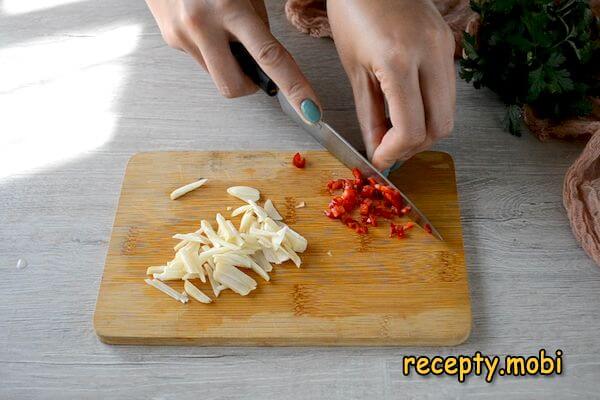
  4. Cut the garlic cloves into thin strips rather than mincing them; the strips look more attractive in the finished dish and release flavor more gradually during cooking. Slice the hot pepper into rings first, then chop the rings into small pieces for even distribution throughout the dish.

    Step 4
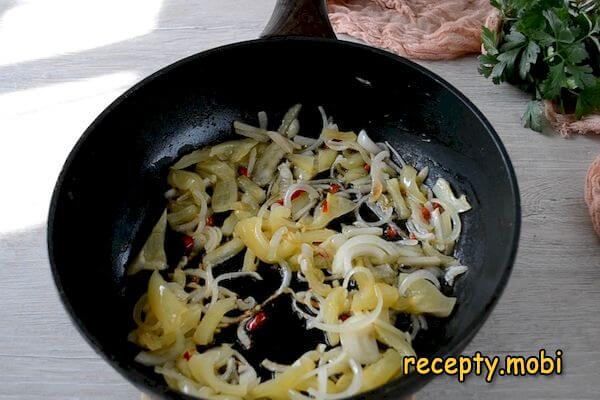
  5. Heat a wide skillet or wok over medium-high heat with a small amount of vegetable oil. When the oil shimmers, add the sweet pepper, onion, garlic, and hot pepper all at once. Stir constantly and sauté over medium heat until the onion turns soft and translucent.

    Step 5
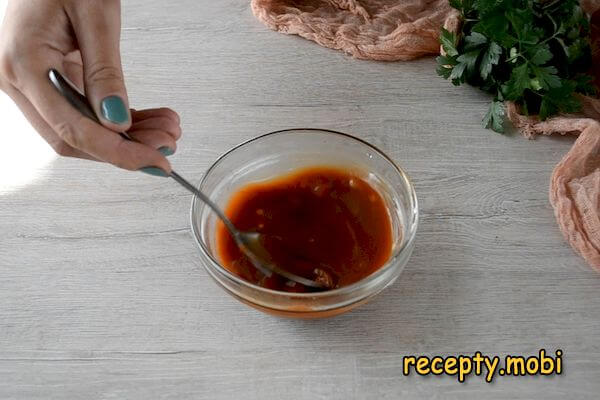
  6. Make the sauce in a small bowl by combining three tablespoons of water with one tablespoon of tomato paste, the soy sauce, a small pinch of salt (if your soy sauce is not already very salty), and one tablespoon of potato starch. Whisk everything together vigorously until the starch dissolves completely without lumps.

    Step 6
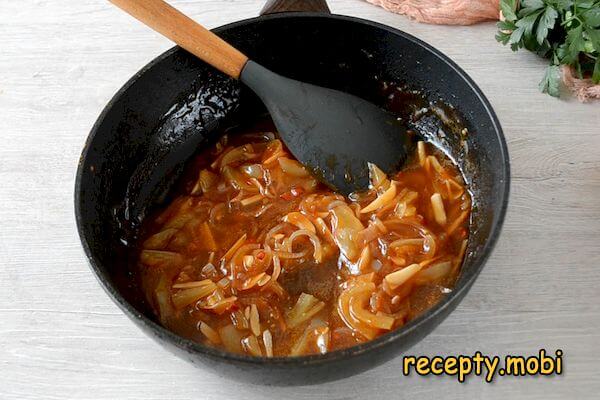
  7. When the vegetables in the skillet have turned soft, pour the prepared sauce into the pan and stir to coat everything. Simmer the vegetables for five to seven minutes to thicken the sauce and integrate the flavors into the soft vegetables.

    Step 7
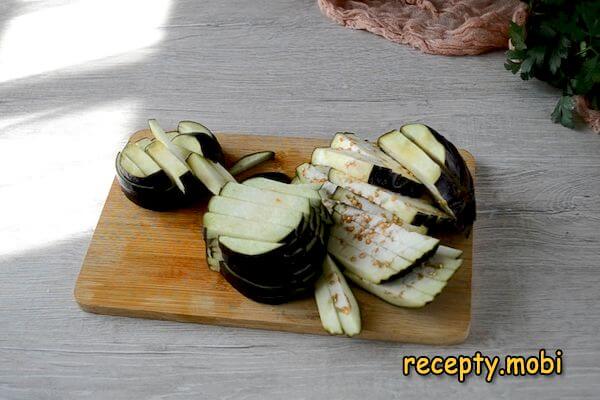
  8. Without peeling the eggplants, cut them into short matchstick strips matching the bell pepper strips in size. The skin holds the flesh together during the deep-frying step that follows and adds attractive purple color to the finished dish on the plate.

    Step 8
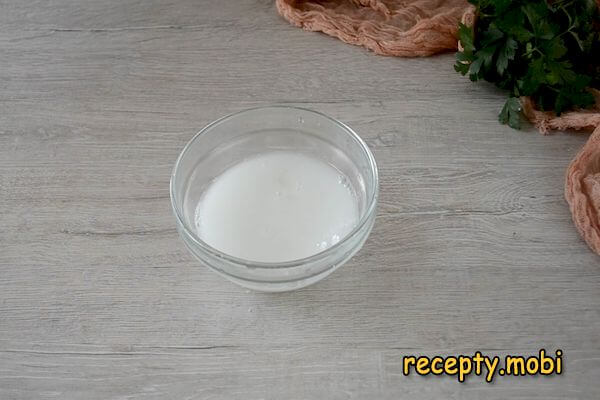
  9. In a separate small bowl, combine two tablespoons of water with the egg white and the remaining tablespoon of starch. Whisk everything together vigorously until the mixture turns smooth and slightly frothy without any visible starch lumps at the bottom of the bowl.

    Step 9
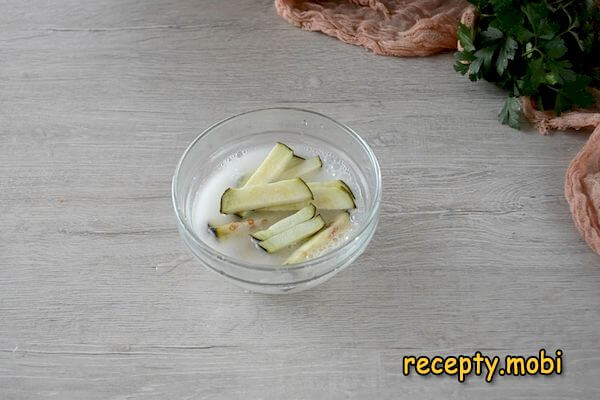
  10. Dip the eggplant strips into the prepared starch coating until each piece is fully covered, then place them carefully into a separate skillet with hot vegetable oil. Use enough oil that the eggplants fry as if deep-fried; this generous oil gives them the characteristic crispy golden-brown exterior that defines this dish.

    Step 10
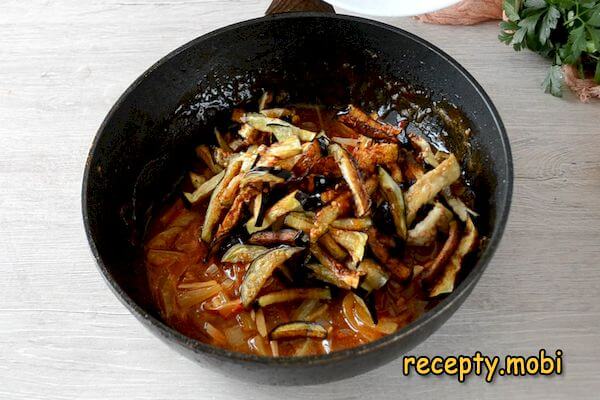
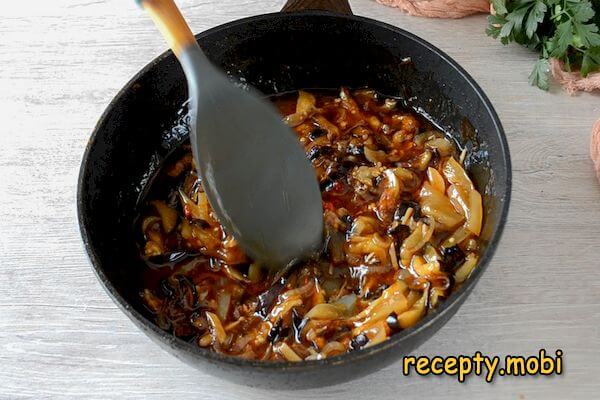
  11. Add the fried eggplants to the skillet with the sautéed sauce vegetables. Sprinkle in the dried ground ginger and stir gently to combine. Simmer everything together for a few more minutes to let the flavors meld into a unified harmonious dish.

    Step 11
  12. Before serving, you can chill the Chinese-style eggplants in the refrigerator for an hour, but warm serving brings out the most vibrant flavors and the most satisfying textural contrast between the crispy fried eggplant and the soft saucy vegetables. Bon appetit alongside steamed rice or as part of an Asian-inspired meal at the dinner table.

    Step 12

Tips

  • 1

    Use cornstarch rather than wheat-based starch for the most authentic Chinese flavor and the crispiest fried coating. Cornstarch produces a lighter, more delicate crust that resembles restaurant-style Chinese food more closely than potato starch alone. A blend of cornstarch and potato starch (half and half) gives the best of both worlds: light crispness from the corn and substantial body from the potato. The starch difference is small but noticeable in the finished plate.

  • 2

    Choose firm dark-purple eggplants for the best results in this stir-fry. Soft overripe eggplants release too much water during cooking and produce limp soggy strips instead of the desired crispy fried texture. Look for eggplants that resist gentle finger pressure and have shiny taut skins. Pair this Asian classic with the related caramelized eggplant for an eggplant-themed Asian dinner spread.

  • 3

    Heat the oil to the right temperature before adding the eggplants for proper deep-frying. The oil should shimmer and a small piece of eggplant should sizzle vigorously the moment it touches the surface. Too cold and the eggplants absorb excessive oil and turn soggy; too hot and the starch coating burns before the eggplant inside cooks through. Aim for about one hundred and seventy degrees Celsius if you have a frying thermometer; otherwise the visual sizzle test works perfectly.

  • 4

    Serve the dish immediately for the best texture experience. The crispy fried eggplant exterior softens within thirty minutes of contact with the saucy vegetables, transforming the dish from crispy-tender to entirely tender. Both versions taste delicious, but the textural contrast of the freshly assembled dish is part of what makes this Chinese classic so memorable. For another bold Asian-inspired classic that pairs beautifully, see the famous smashed cucumbers Chinese style.

FAQ

Can I bake the eggplants instead of deep-frying for a healthier version? +

Yes, oven-baking produces a lighter dish though the texture differs from the original deep-fried version. Toss the starch-coated eggplant strips with two tablespoons of vegetable oil and arrange them on a parchment-lined baking tray in a single layer. Bake at two hundred degrees Celsius for fifteen to twenty minutes, flipping halfway through. The eggplants turn golden and crispy at the edges with significantly less oil absorbed. Combine with the sauce vegetables as written. The flavor stays nearly identical to the original; only the texture is slightly less crispy and more tender at the centre.

How long does the dish keep in the refrigerator? +

The cooled dish keeps well for up to three days in a covered container in the refrigerator. The eggplants soften further during chilling as they absorb more of the sauce; reheat gently in a hot skillet for two to three minutes to restore some warmth, though they will not return to their original crispness. The flavors actually deepen overnight as the soy sauce and ginger meld with the vegetables. The dish also tastes wonderful at room temperature as part of an Asian-style cold buffet or packed lunch for the next workday.

Can I substitute the soy sauce with another sauce? +

Yes, several alternatives work for this dish. Tamari is the gluten-free version of soy sauce and substitutes one-for-one for those avoiding wheat. Coconut aminos provides a milder, slightly sweeter alternative that suits low-sodium diets. Worcestershire sauce mixed with a splash of water creates an unexpected European-style version with similar umami depth. Fish sauce diluted with water gives a more pronounced savory character that works for diners who enjoy bold flavors. Whichever you choose, adjust the salt level depending on the sodium content of the substitute.

What can I serve alongside Chinese-style eggplants? +

Several accompaniments complement this dish beautifully in classic Asian style. Plain steamed rice (jasmine, basmati, or sushi rice) provides the essential starch base. Stir-fried vegetables like broccoli, bok choy, or snap peas add fresh contrast. A clear miso soup makes a perfect first course. For a complete Asian dinner, pair the eggplants with grilled chicken or shrimp marinated in soy and ginger. For drinks, jasmine tea or a crisp dry Riesling pair beautifully with the spicy eggplant flavors at the dinner table.

Write comments...
symbols left.
or post as a guest
Loading comment... The comment will be refreshed after 00:00.

Be the first to comment.