Write a comment
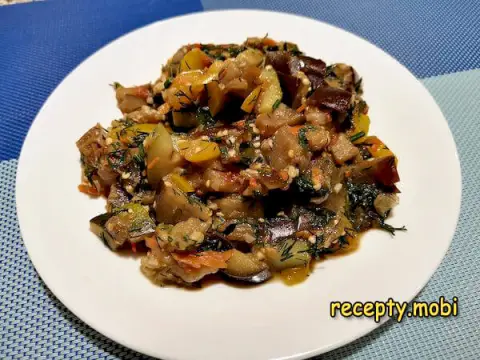
Stew of eggplants

Eggplant Sauté in a Skillet

Eggplant sauté in a skillet is a tasty fragrant vegetable dish that pairs beautifully with any meat course or works as a substantial vegetarian main on its own. The cooking method that defines sauté involves frying each vegetable separately first, then bringing them together in a single large pan or cauldron for the final melding stage. The technique preserves each ingredient's distinct character in the finished dish while still allowing the flavors to combine into a harmonious whole. Made with peak-season fresh young vegetables, the sauté delivers genuinely incredible flavor that often surpasses even the beloved classic eggplant caviar thanks to the unusual cooking method.

Yield4 servings.
Calories51 kcal per 100 grams of the dish.

Preparation time: 50 minutes.

Ingredients

Show ingredients
  • eggplants — 2 pieces;
  • carrot — 1 piece;
  • onion — 1 piece;
  • sweet pepper — 1 piece;
  • garlic — 2 cloves;
  • tomatoes — 2 pieces;
  • parsley — 0.5 bunch;
  • vegetable oil — 2–3 tbsp;
  • salt — to taste;
  • ground allspice — to taste.

Preparation

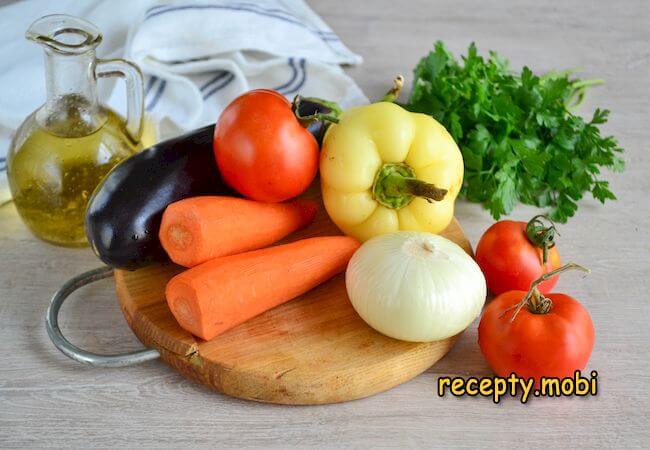
  1. Lay out every vegetable before starting the sauté. Peel the carrot and the onion. Remove the green stem and the seeds with white inner ribs from the sweet pepper. Have everything washed and ready on the cutting board for the steps that follow.
    ingredients for preparing eggplant stew - photo step 1
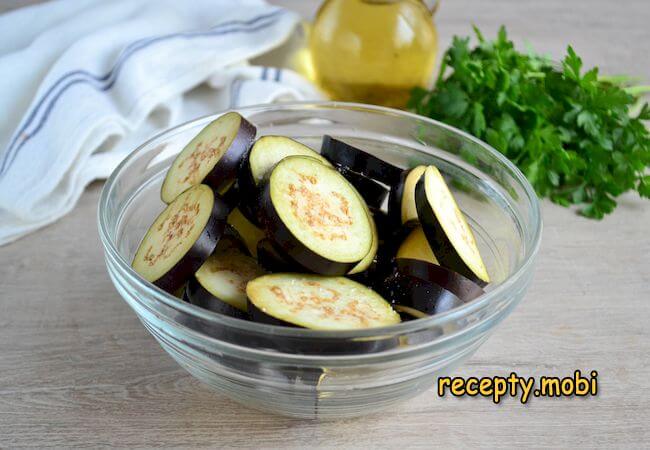
  2. Rinse the eggplants under cool running water, trim off the green stems, and cut them into rounds slightly less than one centimetre thick. Uniform thickness ensures all the slices fry evenly and develop the same golden color across the entire batch.
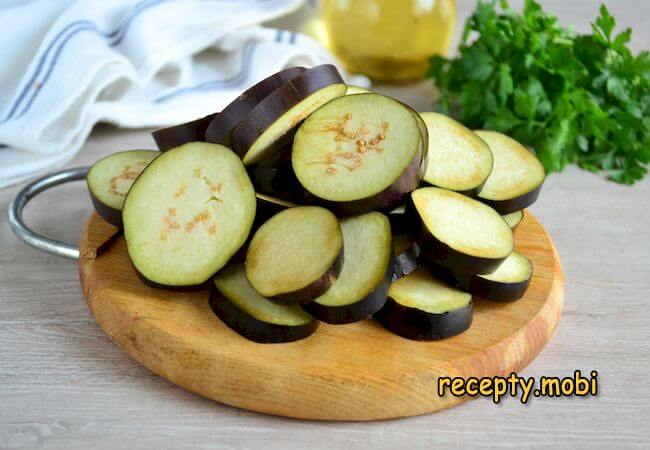
    sliced eggplants - photo step 2
  3. Place the eggplant rounds in a deep bowl, sprinkle generously with salt, and stir to coat. The salting is essential for removing the natural bitter compounds that some eggplant varieties carry. After ten to fifteen minutes, gently squeeze the released juice out of each slice and pat dry with paper towels.
    sliced eggplants - photo step 3
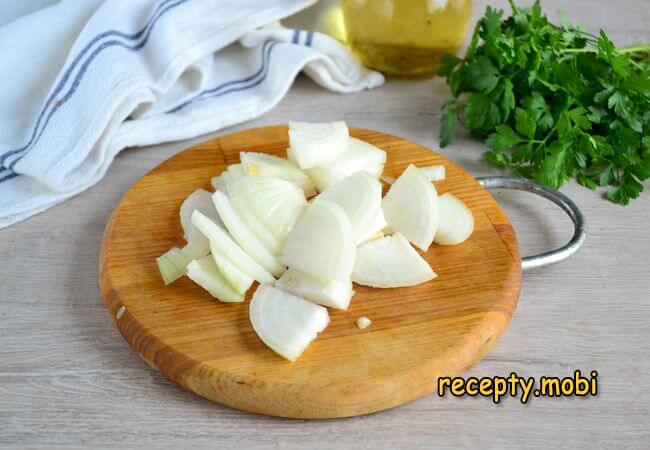
  4. Cut the peeled onion into thin half-rings or quarter-rings depending on preference. Both shapes work equally well in this sauté; the smaller pieces simply distribute more evenly throughout the finished dish.
    sliced onion - photo step 4
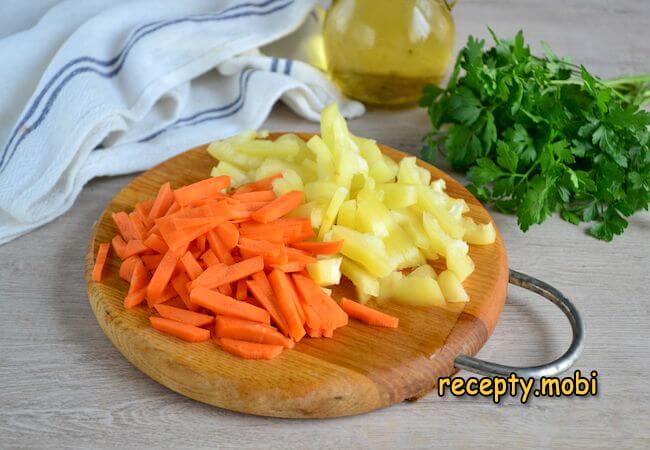
  5. Cut the carrot into thin matchstick strips with a sharp knife or grate it on a Korean-carrot grater for the most uniform results. Cut the cleaned sweet pepper into similar thin strips matching the carrot in size for the most pleasing finished texture.
    sliced carrot and bell pepper - photo step 5
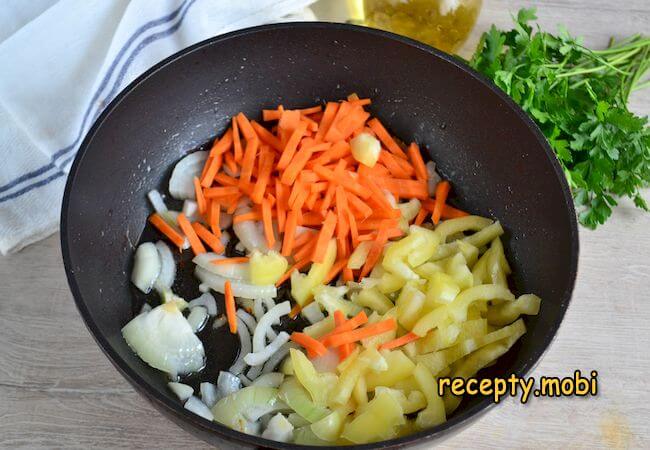
  6. Heat a wide skillet with the vegetable oil over medium heat and start with the onion. Lightly fry the onion alone for about one minute, then add the carrot and the sweet pepper. Continue frying over medium heat, stirring occasionally, until all three vegetables turn soft and slightly golden at the edges.

    preparation of stew - photo step 6
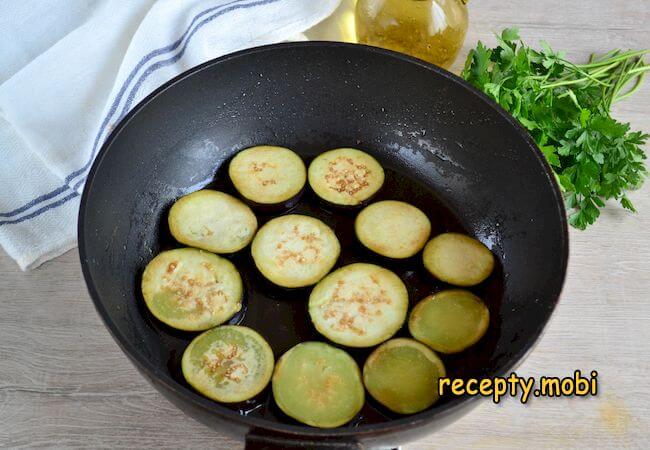
  7. In a separate frying pan with fresh vegetable oil, fry the prepared eggplant rounds. Lay them out in a single layer so each round can develop a lightly golden color on both sides without steaming against neighbors. Work in batches if needed for the best results.
    fried eggplant - photo step 7
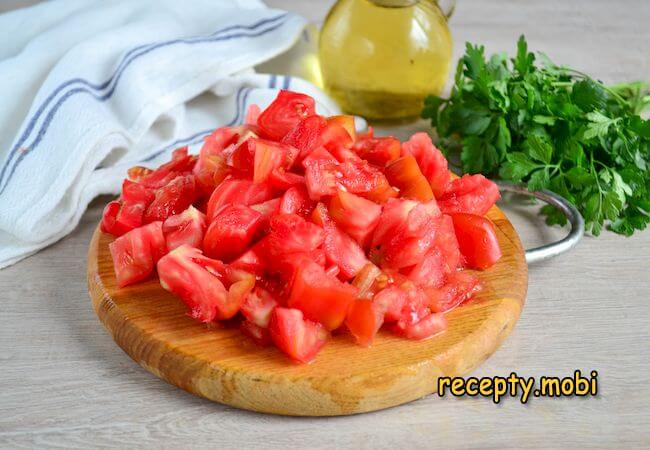
  8. While the eggplants fry, cut the tomatoes into small random pieces. The exact shape matters less here because the tomatoes will break down further during the final cooking stage; just aim for roughly even small pieces that distribute evenly through the dish.
    sliced tomato - photo step 8
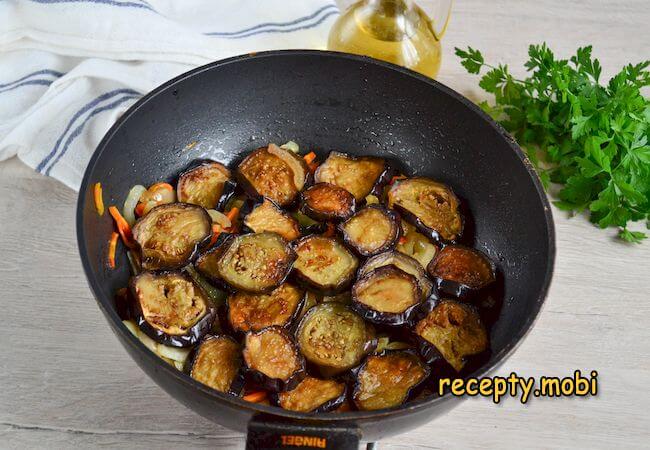
  9. Add the golden eggplant rounds to the skillet with the sautéed onion, carrot, and sweet pepper. The eggplants combine beautifully with the previously cooked vegetables and the flavors start to meld immediately on contact in the warm pan.
    preparation of eggplant stew - photo step 9
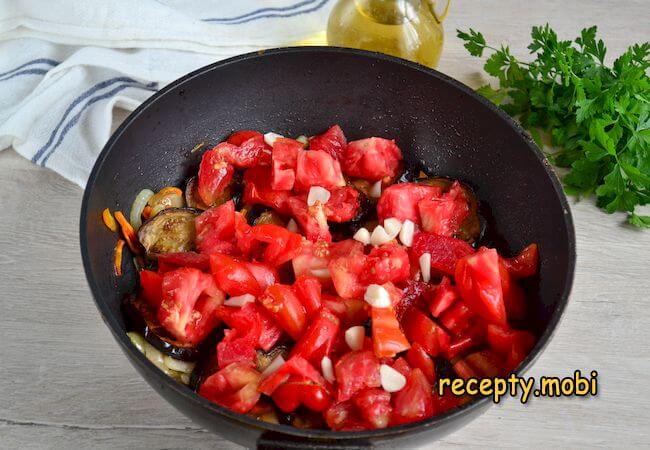
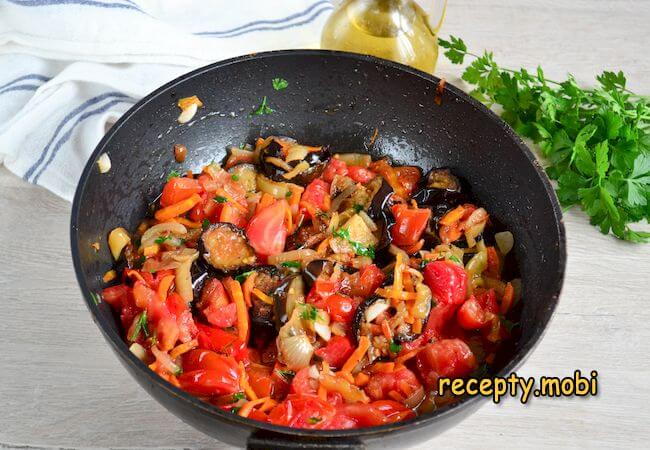
  10. Add the chopped tomatoes and the minced garlic to the skillet. Stir everything together gently, cover the pan with a lid, and simmer over low heat for seven to ten minutes. The brief simmer breaks down the tomatoes into a thin natural sauce that coats all the other vegetables in the pan.
    preparation of eggplant stew - photo step 10
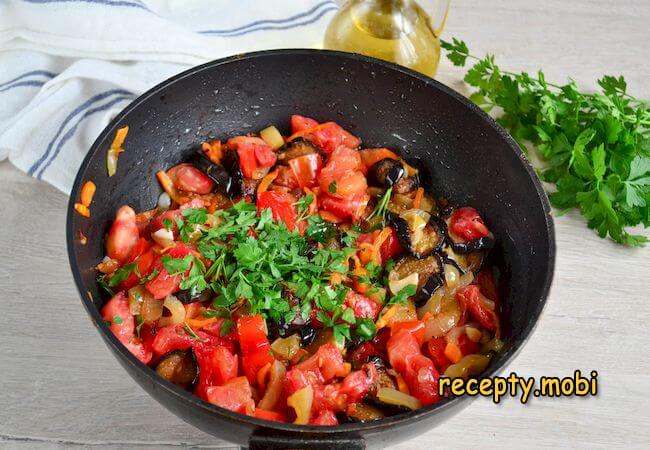
  11. Stir in the finely chopped parsley and let the dish cook for a few more minutes uncovered to bloom the herb's bright fresh flavor into the surrounding vegetables.
    preparation of eggplant stew - photo step 11
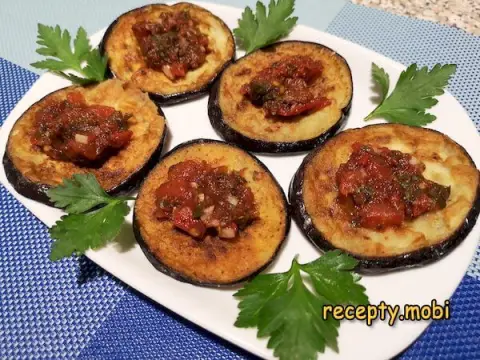
  12. The eggplant sauté in a skillet is ready to serve. Move the dish to a clean serving bowl and bring to the table while still warm for the most vibrant flavor experience. The sauté also tastes wonderful chilled the next day as part of a Mediterranean-style mezze platter alongside other small dishes. Bon appetit alongside good company at any meal.
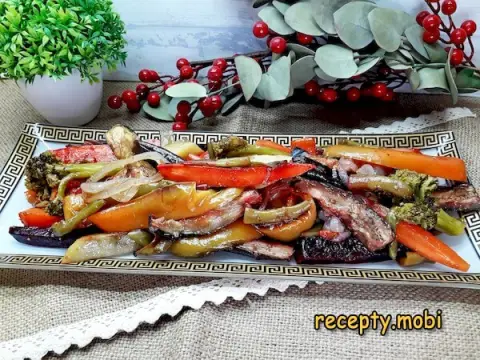
    Stew of eggplants
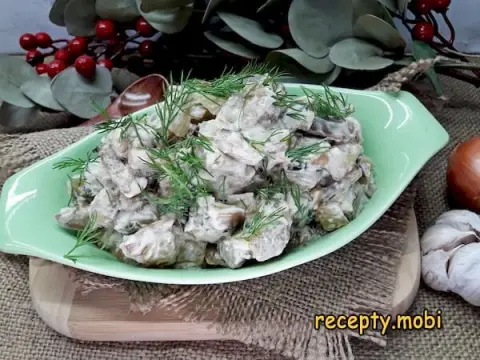
    Stew of eggplants
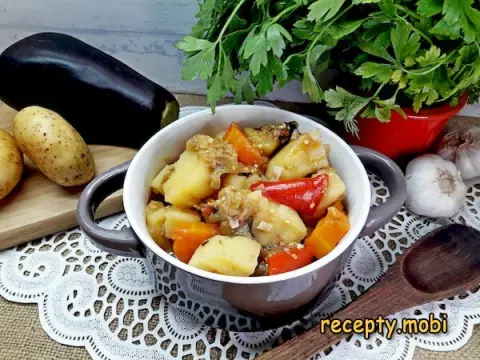
    Stew of eggplants

Tips and Tricks

Tip 1. Salt the eggplant rounds for the full ten to fifteen minutes before frying for the mildest finished flavor. The salting is essential for removing the natural bitter compounds that some eggplant varieties carry. Squeeze the released juice gently from each slice and pat dry with paper towels before frying; wet slices splatter in hot oil and steam rather than fry, producing soggy disappointing rounds instead of crispy golden ones.

Tip 2. Fry each vegetable category separately in proper sauté style rather than dumping everything into one pan together. The separate frying preserves the distinct character of each vegetable in the finished dish, which is what gives sauté its name and its appeal. Mixing all the vegetables together at once produces a generic stew that lacks the complexity of true sauté. Pair this dish with the related Greek-Style Eggplants for an eggplant-themed Mediterranean dinner.

Tip 3. Use peak-season summer vegetables for the deepest most complex flavor. Out-of-season supermarket vegetables produce a thinner less satisfying finished sauté. The dish reaches its absolute peak when all the vegetables are at peak ripeness, which usually means making this dish in late summer when home gardens overflow with the perfect ingredients. The peak-season version genuinely tastes better than any out-of-season attempt.

Tip 4. Let the finished sauté rest for ten minutes before serving so the flavors meld more deeply. The brief rest dramatically improves the integration between the components; eaten straight from the pan, the vegetables taste like separate items; after the rest, they merge into one harmonious dish. The sauté also tastes wonderful chilled the next day as part of a Mediterranean-style mezze platter. Pair the dish with another summer classic like the smoky caramelized eggplant.

Frequently Asked Questions

Can I make this dish without specific vegetables?

Yes, the recipe accommodates ingredient variations beautifully based on what you have on hand. Skip the bell pepper and add extra carrot for a sweeter milder version. Add diced zucchini for a fresher summer character. Include eggplant only and skip everything else for the simplest possible eggplant sauté. Add a sliced hot pepper for a spicy variation. Whatever modifications you choose, maintain the basic technique of frying each vegetable category separately before combining; the technique matters more than the specific ingredient list for proper sauté character.

How long does the dish keep in the refrigerator?

Cooled leftover sauté keeps well for up to four days in a covered container in the refrigerator. The flavors actually deepen overnight as the vegetables continue to meld and the tomato sauce thickens slightly. Reheat gently on the stovetop over low heat with a splash of water to prevent sticking; the microwave produces uneven heating that toughens the vegetable textures. The dish also tastes wonderful at room temperature as part of a Mediterranean-style mezze platter alongside other small dishes for a casual lunch.

Can I add protein to make this a complete meal?

Yes, several proteins blend beautifully with the basic sauté. Diced cooked chicken or turkey thigh meat scattered across the top during the final five minutes turns the dish into a one-pan complete meal. Cubed firm tofu produces a vegetarian version with similar substantial texture. Cooked chickpeas or kidney beans add plant-based protein for a fully vegan version. A handful of crumbled feta cheese melted on top during the final minute adds rich savory depth. Whatever protein you choose, add it after the eggplants join the vegetables so it heats through during the simmer.

What can I serve alongside eggplant sauté?

Several accompaniments complement this dish beautifully. Plain steamed rice or bulgur provides essential starch base that catches the tomato-based sauce. Grilled meats (lamb chops, chicken kebabs, pork loin) benefit from the fresh vegetable contrast. Crusty bread or warm pita is essential for soaking up the sauce. A simple yogurt-and-cucumber raita on the side delivers cooling freshness. For drinks, dry white wine or rosé pair beautifully with the Mediterranean flavors at any meal time. The sauté also works as a complete meal on its own with bread and cheese.

Write comments...
symbols left.
or post as a guest
Loading comment... The comment will be refreshed after 00:00.

Be the first to comment.