avg —
How to Cook Frozen Cabbage Rolls

Instructions
I prepare the ingredients. The cabbage rolls do not need to be thawed before cooking — I take them straight from the freezer. Thawing makes them watery and the shape spreads out even before stewing. Instead of fresh tomatoes, you can use 1.5–2 tablespoons of tomato paste diluted in 300 millilitres of water.
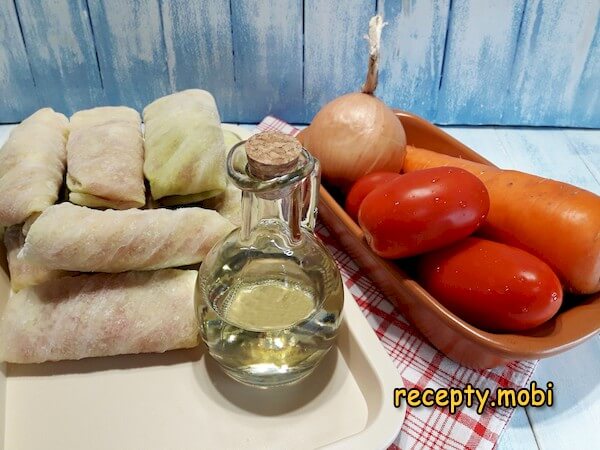
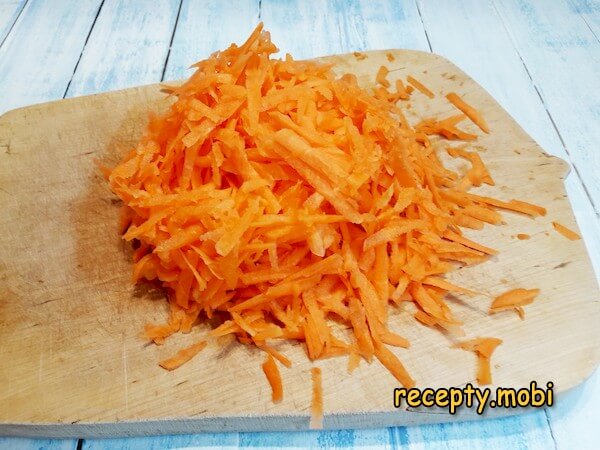
First I make the sauce in which the frozen semi-finished rolls will stew. I grate the carrot coarsely — fine shavings turn to mush, while coarse ones give noticeable pieces in the finished sauce.
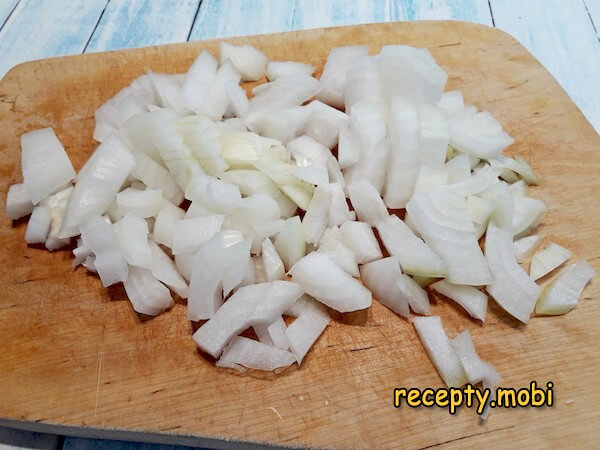
I cut the onion into a medium dice — a thin cut turns to mush during stewing, while a coarse one stays tough.
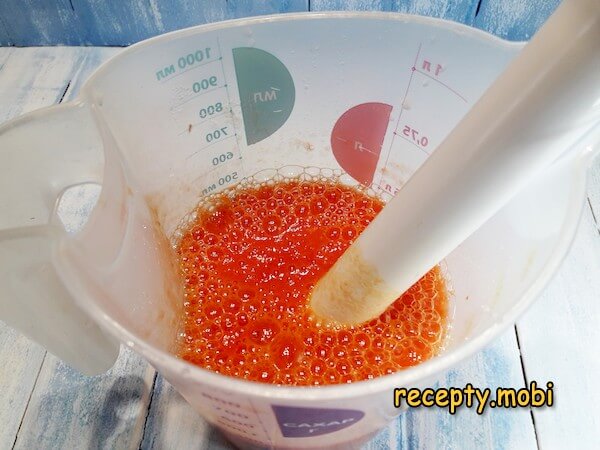
I cut out the stems of the tomatoes and the hard parts around them. I cut the fruit into several pieces and blend them into tomato juice — a meaty sauce base is better than diluted paste in aroma and thickness.
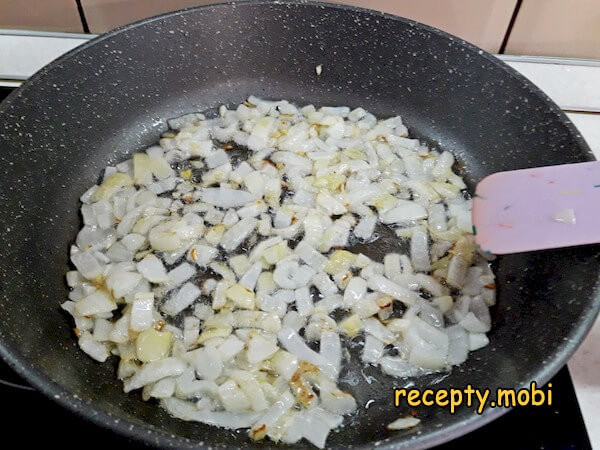
I heat the oil in a frying pan and sauté the onion until it changes colour slightly — deep frying gives bitterness, while gentle frying gives a sweetish taste.
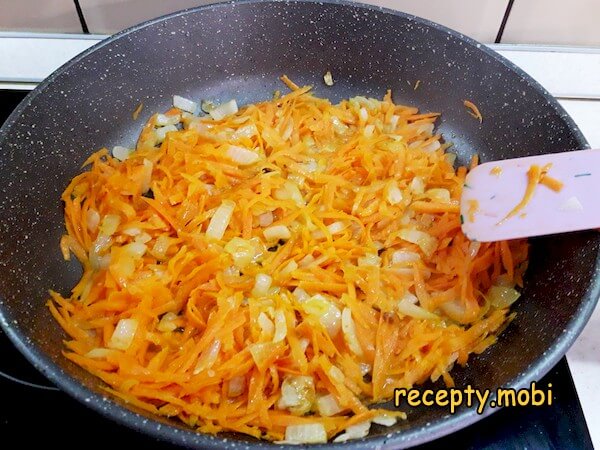
I add the carrot to it. I stew everything together for about 3–4 minutes — the carrot should become softer, but not to the point of mush.
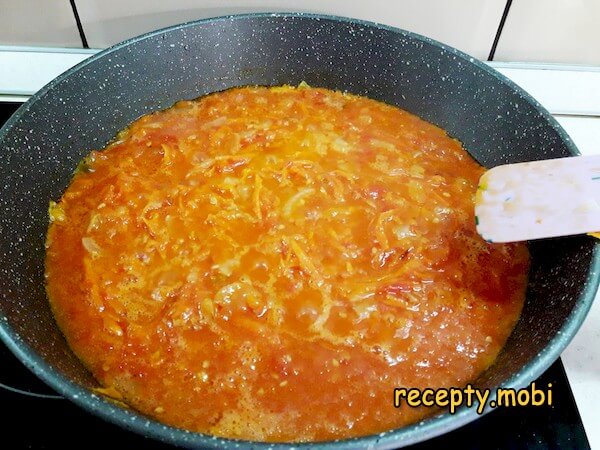
Next I pour in the tomato juice and salt to taste. You can also add 1 teaspoon of sugar (level) to balance the acidity of the tomatoes. I boil the sauce for 2 minutes — this is enough to pasteurise the juice and develop the characteristic "cooked" tomato flavour.
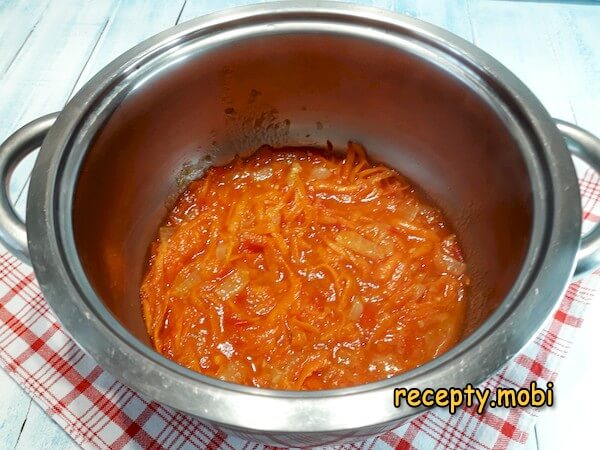
On the bottom of a thick-walled pot or Dutch oven I spread the first layer of vegetable sauce — so that it completely covers the whole surface. Without this layer the cabbage rolls may burn to the bottom even before the active stewing begins.
I lay out half of the stated number of cabbage rolls — I place them tightly, but do not pack them down.
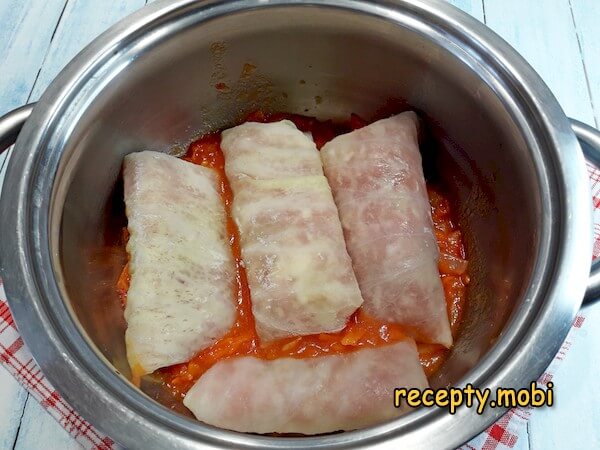
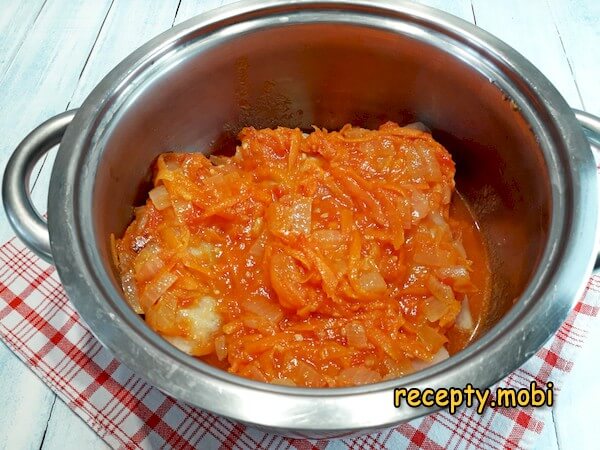
I cover them with another layer of vegetables — the sauce between the layers ensures even heating from all sides.
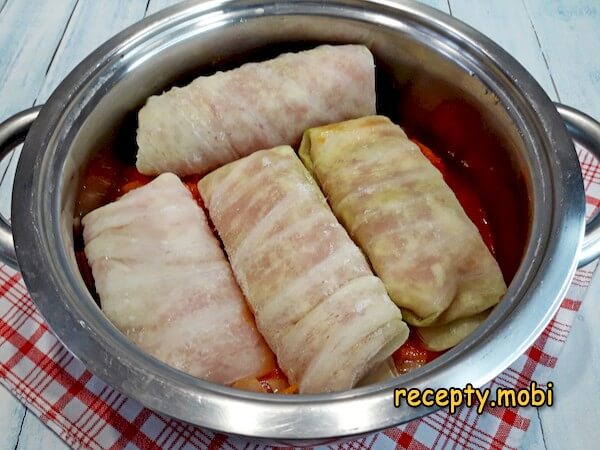
I lay out the cabbage rolls again — as a second layer on top of the sauce.
I put the remaining sauce on top. In height it should reach almost to the very top of the rolls. During stewing the frozen cabbage rolls will release more moisture, so they will add about 2 centimetres of liquid to the sauce. If the pot is too wide and there is not enough sauce, you can add ready-made broth or plain water, just lightly salting it.
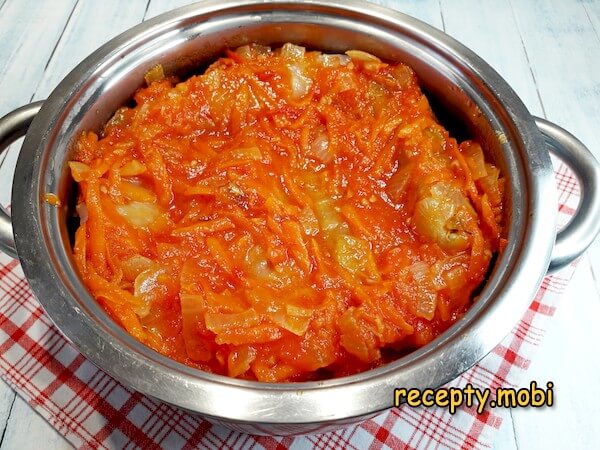
I stew the cabbage rolls under a lid for 30–35 minutes. After it comes to a boil, I lower the heat to slightly below medium — the sauce should simmer gently the whole time, but not vigorously. Vigorous boiling breaks the cabbage leaves apart.


Tips
- 1
DO NOT THAW — the secret to keeping the shape. Thawed cabbage rolls fall apart even before stewing — the cabbage leaves lose their firmness and the filling leaks out. Straight from the freezer into the hot sauce — the rolls thaw evenly and keep their shape.
- 2
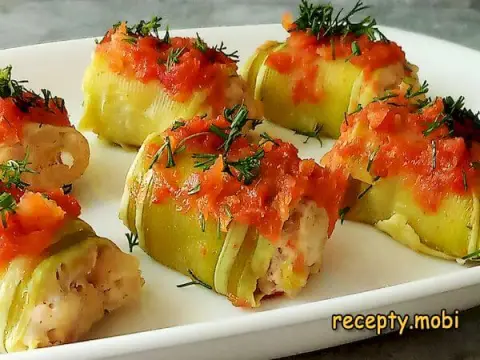
SAUCE ON THE BOTTOM — the secret against scorching. Frozen cabbage rolls on the dry bottom of a pot burn within 5 minutes — the ice underneath turns to water, then dries out, and the cabbage starts to burn. A layer of sauce at the bottom means no direct contact with the pan, and the rolls heat up in the liquid. The same trick works with cabbage rolls made from courgettes and minced meat in a pan.
- 3
SUGAR IN THE TOMATO — the secret to balance. A purely sour tomato sauce "hits" the palate. 1 level teaspoon of sugar per standard portion of tomato balances the acidity and makes the sauce harmonious without an obvious sweet taste.
- 4
GENTLE SIMMERING UNDER A LID — the secret to tenderness. Vigorous boiling breaks the cabbage leaves of the rolls into ribbons. Gentle simmering under a lid keeps the rolls whole, and the filling heats up evenly until juicy. The same principle is used with boiled-frozen king prawns.
FAQ
Which frozen cabbage rolls are better — store-bought or homemade? +
Homemade are the premium option: you know exactly what is in the filling, what cabbage and what spices are used. Store-bought are the "economy" option — they save time, but the quality of the filling is often lower (a lot of fat, little meat). Do not use: cabbage rolls with an obviously large amount of ice on the outside (a sign of re-freezing), or with dried-out edges of the cabbage leaves (long storage). Ideal is your own homemade ones, rolled over the weekend and frozen with a month's supply to spare.
Can the cabbage rolls be stewed in the oven instead of on the stove? +
Yes, and many people prefer exactly this method. I transfer the assembled layers into a dish with a lid or a Dutch oven and put it in the oven at 180 °C for 50–60 minutes (15–20 minutes longer than on the stove, since the heat is less intense). The advantages of the oven: even heating from all sides, no need to watch the level of boiling. The disadvantages: it takes longer and uses more electricity. The stove is quicker, while the oven is "set it and forget it". For a single occasion the difference is insignificant; for regular cooking, the stove is simpler.
How long do the cooked cabbage rolls keep? +
In the refrigerator in a tightly closed container — up to 3 days without loss of quality. On the second day the flavour becomes richer — the sauce soaks more deeply into the cabbage leaves and the filling. Before serving, I reheat them in a pan with a lid for 5–7 minutes over low heat, or in the microwave for 2–3 minutes under a cover. There is no point in putting the cooked cabbage rolls in the freezer — they were already frozen, and re-freezing will worsen the texture. Raw, unfrozen ones can be assembled in advance and frozen for 1 month. Freshly cooked, "straight from the pot", is the "star" option.
What to serve with the finished frozen cabbage rolls? +
The classic is with sour cream or mayonnaise, a spoonful on top or separately in a sauce boat. On the table: fresh rye bread with butter, a white baguette, garlic croutons. Vegetables: pickled cucumbers or tomatoes, sauerkraut, fresh cucumbers and tomatoes. Herbs: dill, parsley, spring onion in rings. A side dish is usually not needed — cabbage is already a green vegetable and the filling is meat, so it is all in one dish. With alcohol: dark beer, vodka, Georgian "Saperavi" wine. For a family dinner it is a universal main course that needs no additions.
- Comment
or post as a guest
Be the first to comment.