avg —
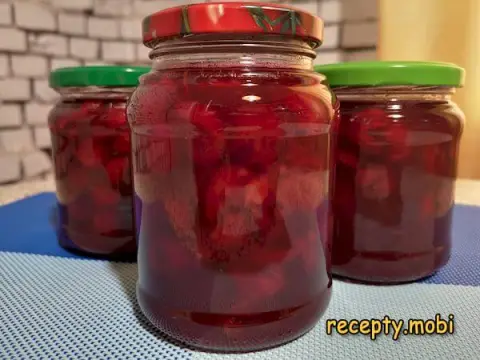
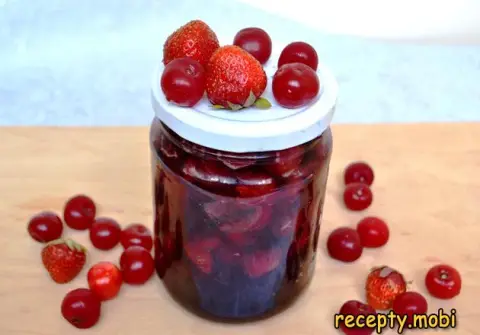
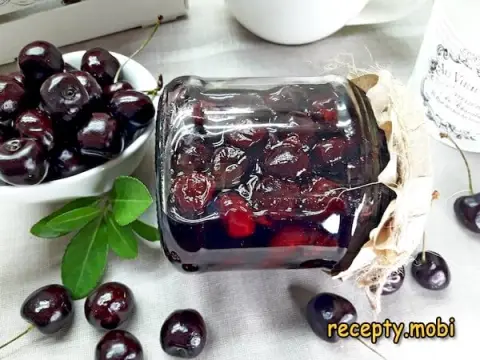
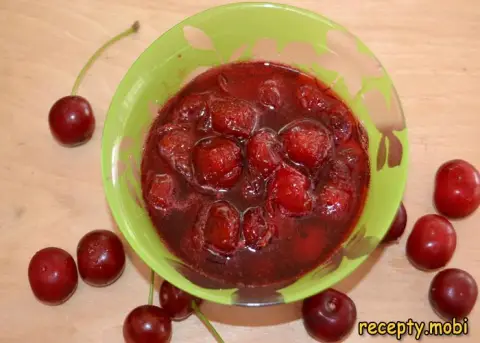
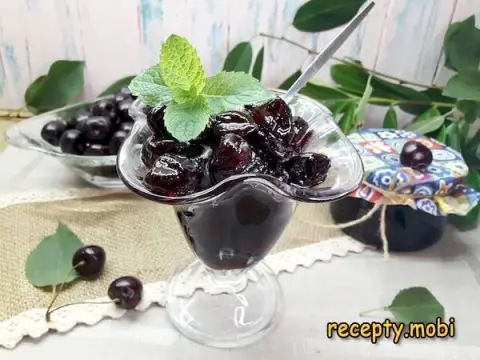
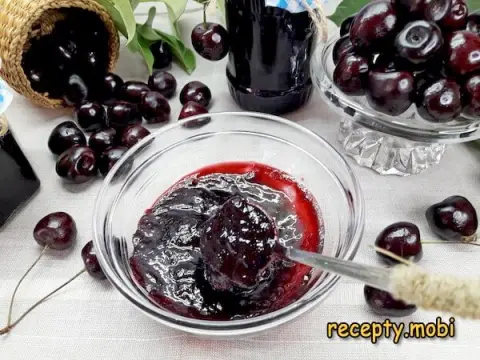
Cherry in its own juice without pits for winter

Instructions
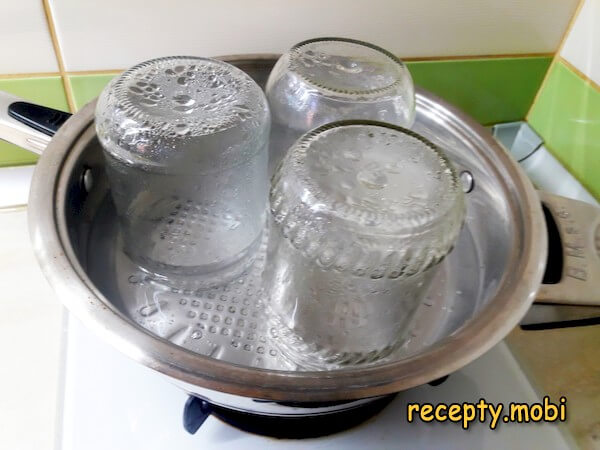
I start by preparing the jars. Jars washed with baking soda are easy to steam in a pan of water (once they fog up with steam they are ready to use). I boil the metal lids for 5 minutes.
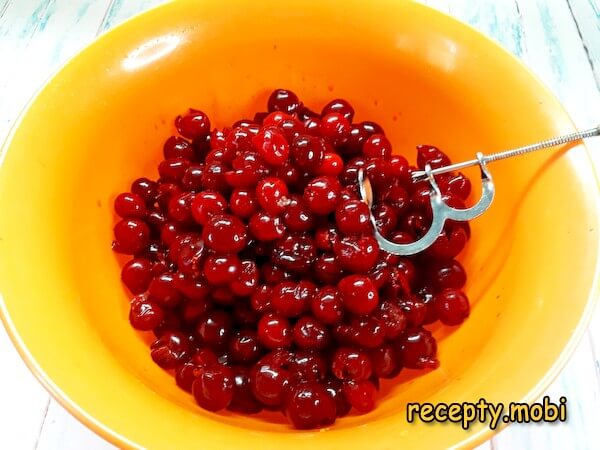
I remove the pits from the cherries with a special gadget or an ordinary hairpin.
I fill the cooled jars halfway with berries, press them down a little and add a spoonful of sugar.
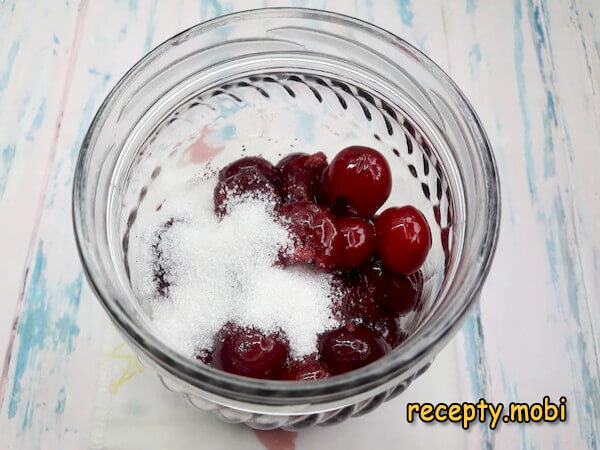
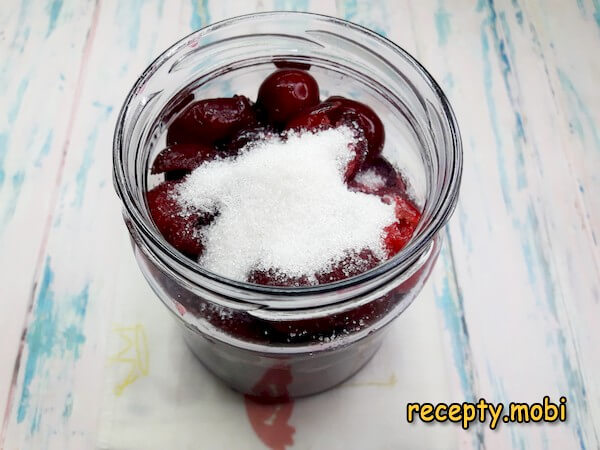
I top up the jar almost to the rim with fruit (during sterilisation the cherries with juice rise a little and may spill over, so do not fill the jar right to the top), press them down gently and again sprinkle on a spoonful of sugar.
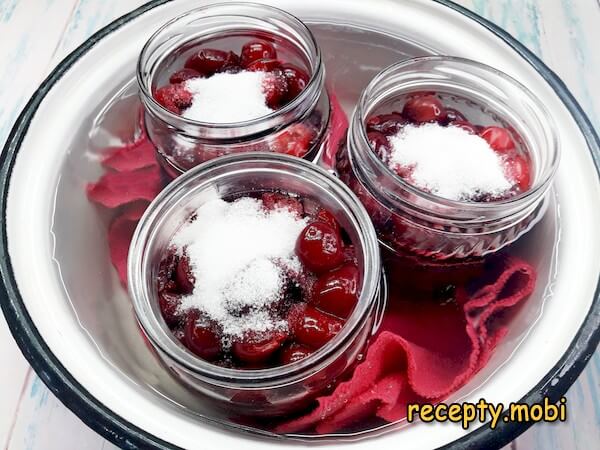
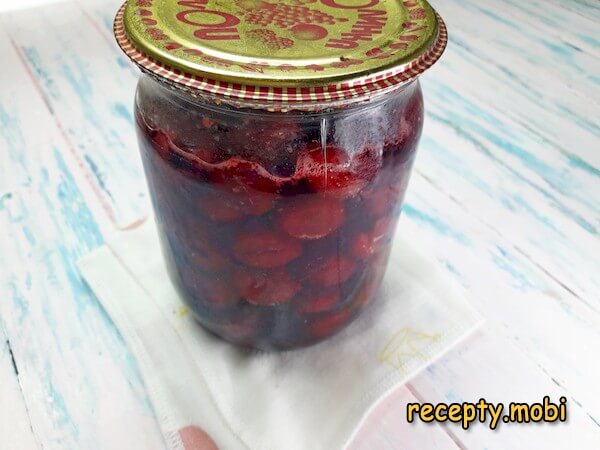
I line the bottom of a suitably sized pot with a cloth so the jars do not rattle or shift while the water boils. I set the jars in place and fill the pot with cold water so that it sits a couple of centimetres below the necks of the jars.
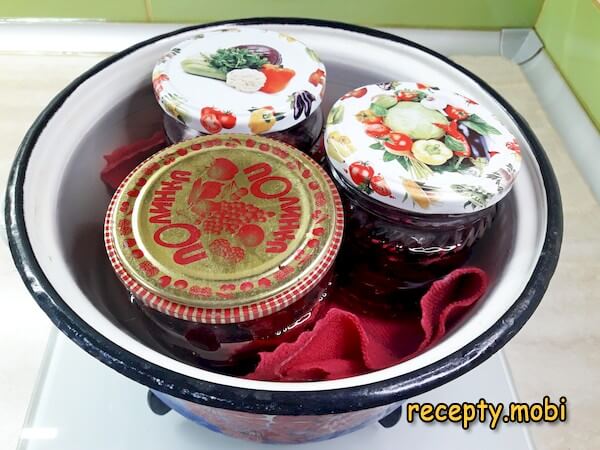
I cover the jars with the metal lids without screwing them down tightly. I turn on the stove and boil the jars for 20 minutes.
Then I carefully take the jars out of the pot and seal them with a canning key or screw-on lids. This kind of seal needs no thermal bath – the jars cool right on the table, after which I put them away in a cupboard, and they can be stored not only in a cellar but also in an apartment.


Tips
- 1
A hairpin for the pits – the "secret" to keeping them whole. Cherry pitters bruise the berry, while a hairpin leaves the cherry whole and pretty.
- 2
Half-litre jars are best. With large jars there is a risk you will not finish them within 5–7 days of opening. Smaller jars are more convenient.
- 3
A cloth on the bottom of the pot – the "secret" against rattling. Without it the jars knock against each other as the water boils and may crack.
- 4
A minimum of sugar (2 tbsp per 500 ml) – the "secret" to a natural taste. More sugar and you get jam, but this is "cherries in juice". The same principle works for other kinds of berries in their own juice.
Video

FAQ
Which cherries should I choose? +
Ideally, ripe, fleshy, dark-red cherries. Popular varieties are "Molodyozhnaya", "Shokoladnitsa", "Turgenevka" and "Vladimirskaya". A size of 1.5–2 cm is best. Not suitable: rotten, underripe or bruised ones. Imported Turkish or Serbian cherries will also do. Farm cherries straight from the tree are the "premium" option. For a "premium" preserve, use a 50/50 mix of sweet cherries and sour cherries. Remove the pits with a hairpin so as not to damage the berries. If the cherries are very sour, increase the sugar to 3 tablespoons per jar. Cherries picked fresh in the morning are the most fragrant.
Where can I use cherries in juice? +
It is a versatile preserve for cooking: "Drunken Cherry", "Black Forest" and "Chocolate-Cherry" cakes (as a layer). In pies, strudels and cheesecakes. With ice cream, yoghurt and curd bakes. On pancakes and fritters. In sauces for meat (especially for duck, turkey and pork). In cocktails (including alcoholic ones – with vodka or rum). On sandwiches with cheese (unusual, but tasty). In fresh fruit salads. For mulled wine instead of dried fruit. As a decoration for desserts and cakes. The syrup can be used as a drink in its own right (diluted with water).
How long does the preserve keep? +
In sealed jars at room temperature – up to 1 year (on the author's advice). Without pits, storage can be extended to 2 years. In a cool, dark cellar – up to 2 years. Once opened, in the refrigerator – 5–7 days. Do not store in the sun, as the jars may "explode". If a lid bulges, do not open it, throw it away. Write the sealing date on the jars. It is best used in the first 6 months, when the flavour is brighter. Seal in small 250–500 ml jars, which are more convenient to open. Do not freeze, as the jars will burst.
What do I serve cherries in juice with? +
As a dessert in its own right – with curd cheese or yoghurt. With a cup of tea with lemon. With pastries or cakes as a decoration. With ice cream or fruit ice. On morning toast with butter and cream cheese. In cocktails with champagne or wine (for adults). With hot cocoa or hot chocolate. With cheesecake or panna cotta. With syrniki and curd bakes. With creamy porridge (oatmeal or semolina) – the "children's" version. A versatile sweet preserve for the whole year.
- Comment
or post as a guest
Be the first to comment.