avg —
Mandarin Jam

Instructions
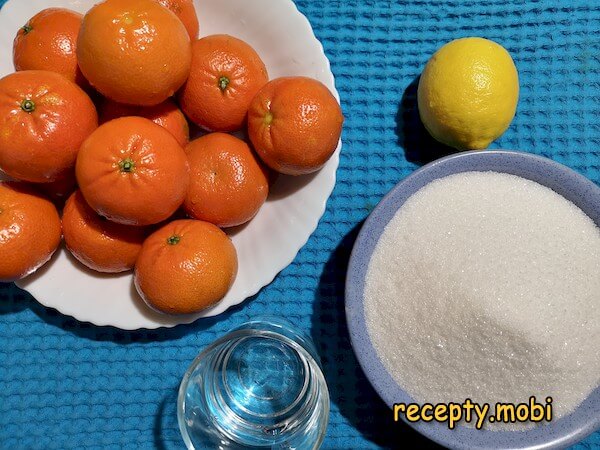
I prepare the ingredients. Rinse the mandarins and lemon with water and pat them dry. Beforehand, I sterilise the jars and lids.
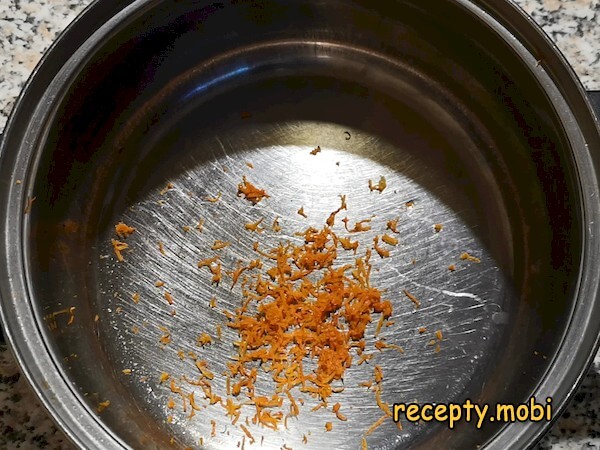
I remove the zest from 2 mandarins using a fine grater, and put the zest into a saucepan.
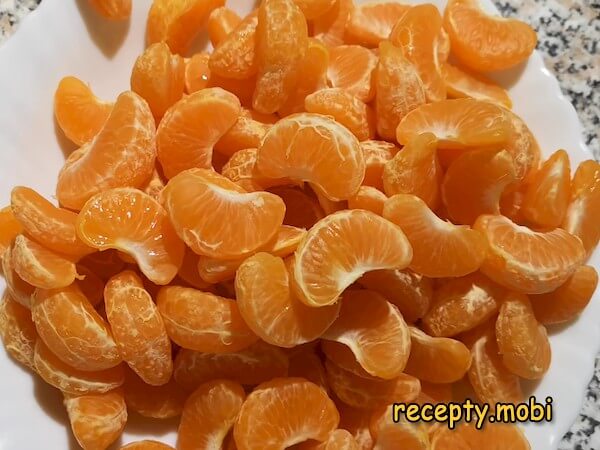
I peel the mandarins and separate them into segments. I try to remove the remaining white threads from the segments, as they give a bitter taste. If the mandarins have seeds, I cut the segments in half and remove the seeds.
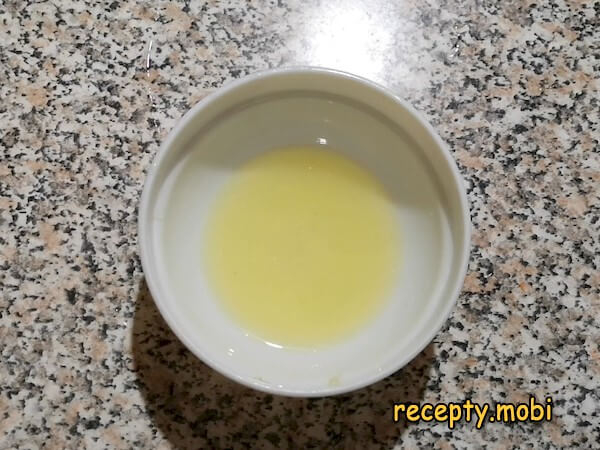
I squeeze the juice from 1 lemon.
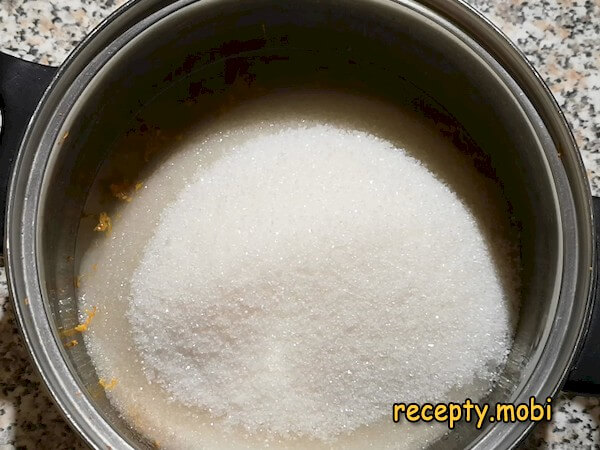
Into the saucepan with the mandarin zest, I pour the lemon juice and the water. I add 500 g of sugar there too.
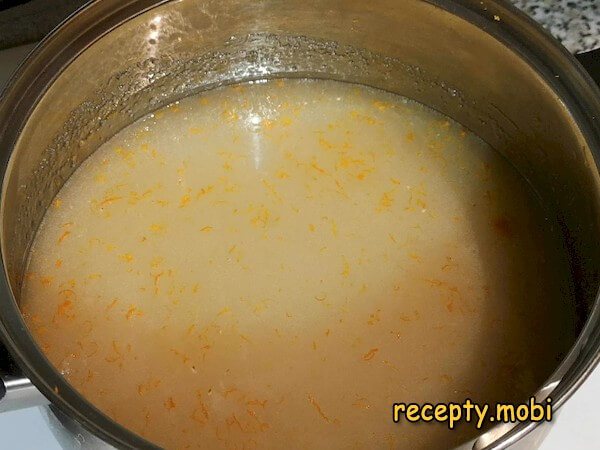
I put the saucepan over the heat and, stirring the syrup continuously, bring it to a gentle boil. By this point almost all the sugar will have dissolved.
I add the prepared mandarin segments to the syrup straight away. Stirring from time to time over low heat, I bring the mixture to a boil and after that cook it for another 25-30 minutes. As for thickness: in my recipe the jam turns out fairly runny. To make it thicker, add pectin at this stage, three minutes before the end of cooking.
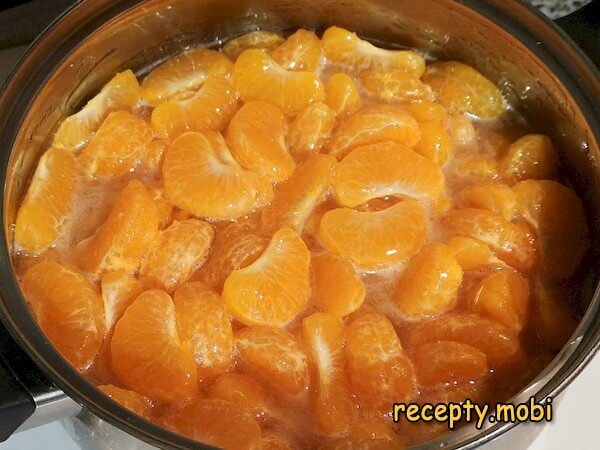
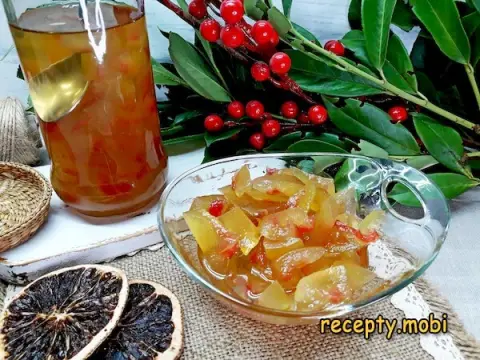
The mandarin jam is ready.
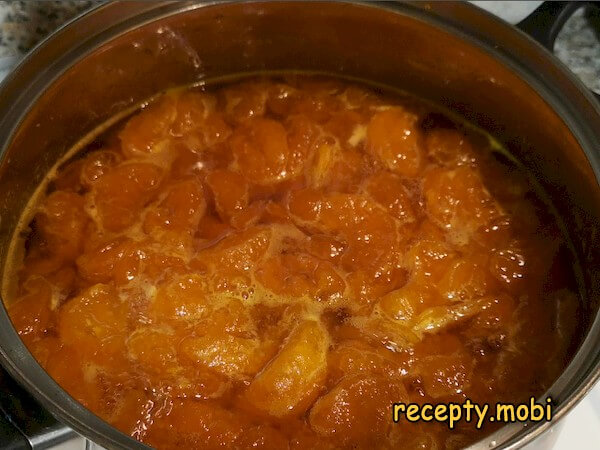
I pour the jam into the sterilised jars and seal them with sterilised lids. I turn the jars upside down onto their lids and leave them at room temperature until completely cool.
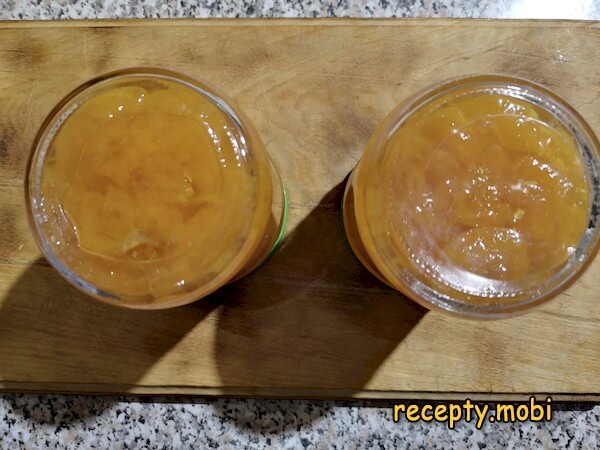
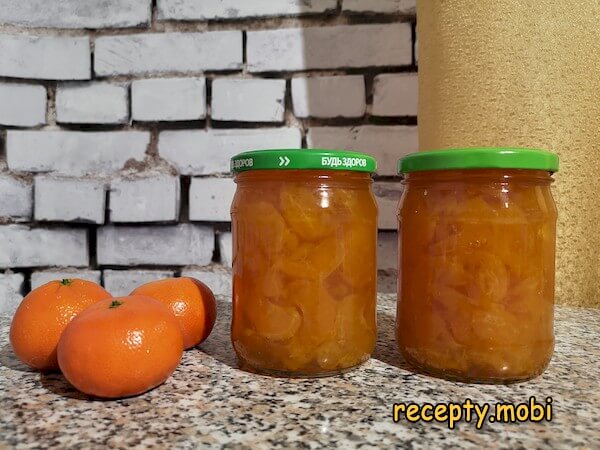
The mandarin jam is ready. Happy canning!


Tips
- 1
Remove the white threads – the "secret" against bitterness. The white membranes and threads on the segments contain bitter limonin. Without them the jam comes out purely sweet.
- 2
Zest in the syrup – the "secret" of aroma. The essential oils in the zest give a bright mandarin scent. Without zest the jam is sweet but "without aroma".
- 3
Lemon juice – the "secret" of balance. Pure mandarin sweetness is cloying. The lemon adds acidity, which brings out the flavour and prolongs storage.
- 4
Pectin 3 minutes before the end – the "secret" of setting. Added at the start, the gelling will not work. Added 3 minutes before the end of cooking, the jam thickens properly. The same principle works for other kinds of citrus jam.
Video

FAQ
Which mandarins should I choose? +
Ideal are sweet, juicy "Clementine" or "Tangerine" mandarins (1 kg is 8-10 medium fruits). Alternatives: "Abkhazian" (1 kg, the "CIS classic", with a brighter aroma), "Moroccan" (1 kg, almost seedless), "Turkish" (1 kg, the "budget" option, large), Japanese "Satsuma" (1 kg, "premium"), a mix of varieties (1 kg, an interesting flavour), and mandarins with small seeds (1 kg, which you need to remove). Fresh fruit from trusted shops is the "premium" option. Fresh mandarins of the autumn-winter season are "premium". Do not use: rotting, dark-spotted or overripe soft ones. For the "jam classic", you definitely want sweet, ripe fruit without large seeds.
What can replace pectin? +
Alternatives: gelling sugar (follow the instructions on the package – convenient), agar-agar (5 g, the "premium vegetarian" option), powdered gelatine (15 g, an animal-based equivalent), cornflour (1 tbsp, the "budget" option, but less effective), cooking longer by 15-20 minutes (no additives – it thickens naturally), apple purée (1 cup, which provides natural pectin), and extra lemon juice (1 tbsp, which helps the gelling). Trusted options include the brands "Konfityurka", "S. Pudov" and "Dr. Oetker". Fresh pectin in a sealed package is the "premium" option. Do not use: fast-acting modified starch, or flavoured gelatine mixes for desserts. For the "classic", you definitely want fruit pectin.
How long does mandarin jam keep? +
In a sterile sealed jar in a dark, cool place – up to 1 year. After opening, in the fridge – up to 2-3 weeks. Longer than that and the colour darkens and the flavour fades. Before serving, let it stand for 10 minutes at room temperature so it becomes spreadable. The jam does not freeze well (it separates on thawing). Fresh jam is at its "star" best 2-3 weeks after sealing (once it has "settled" in the jar and the aromas come together). In the second month the flavour is deeper. Do not leave an open jar exposed to the air – it dries to a crust and attracts fruit flies.
What to serve the jam with? +
A breakfast classic: with thin pancakes or oladyi made with soured milk. With white bread and butter. With a cup of black tea with lemon. With a cup of latte for breakfast. As a filling for rolls and pies. With natural yogurt (for "healthy eating"). With vanilla ice cream. With a baked cottage cheese pudding. With cheesecake or panna cotta. With hot syrniki. With rice porridge or semolina. With hot buttered toast. With biscotti or Eastern sweets. With a glass of sweet white wine. For "morning tea" – with a bun and butter. A versatile jam for winter breakfasts.
- Comment
or post as a guest
Be the first to comment.