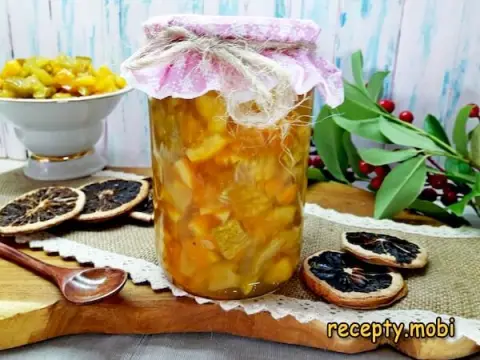
avg —
Orange Jam

Instructions
Thoroughly wash the oranges (3 pcs.) and the lemon (1 pc.) with a brush and baking soda – this removes wax, paraffin and dirt from the surface of the peel. Scald them with boiling water for extra cleaning before using the zest in the jam. Pat them dry well with a paper towel before peeling.
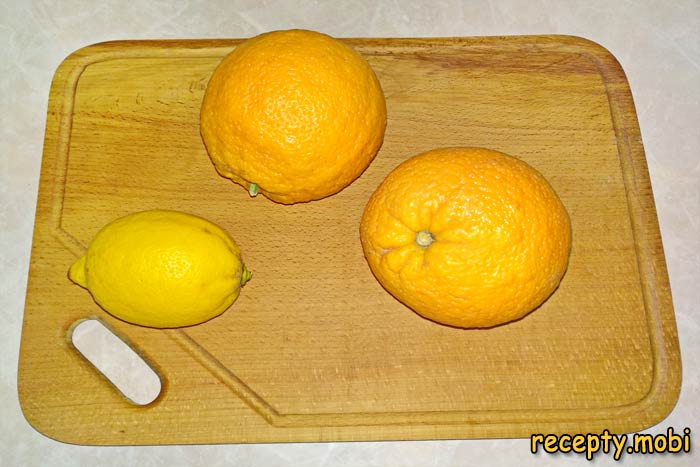
Peel the oranges and lemon with a sharp knife and separate the flesh from the white part (it gives bitterness) and the membranes. Remove all the seeds – they make the jam unpleasantly bitter. Weigh the clean flesh – you should have about 600 g, which is what you use to work out the amount of sugar.
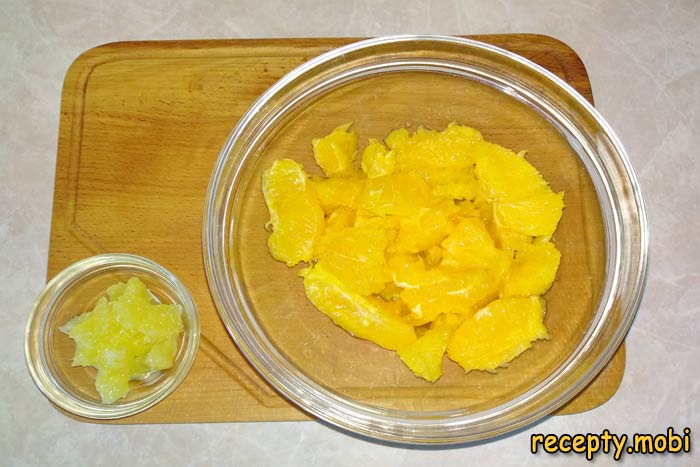
Blend all the citrus flesh into a smooth pulp, or pass it through a meat grinder with a fine plate. You can leave it slightly chunky for a jam with texture, or make a smooth puree for toast – whichever you prefer. A smooth puree is more jam-like.
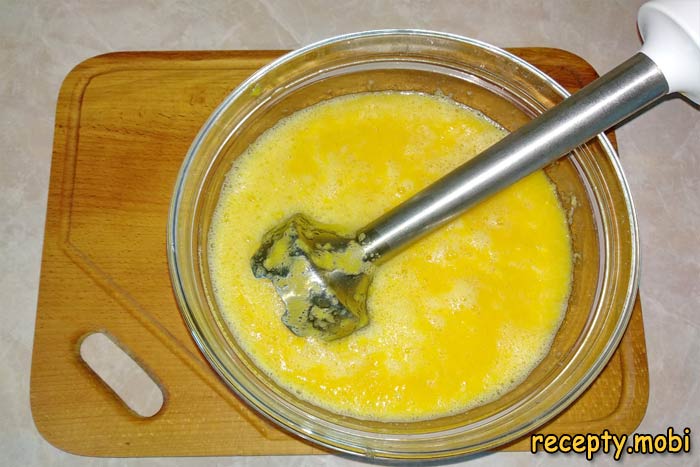
Transfer the blended flesh to a large, heavy-bottomed saucepan (for even heating and to stop it catching). Add the sugar (600 g) – the golden 1:1 ratio with the flesh. If you like, add the ground cinnamon (1/2 tsp) and ground ginger (1/4 tsp) for a warming, spiced note – optional, for a winter version.
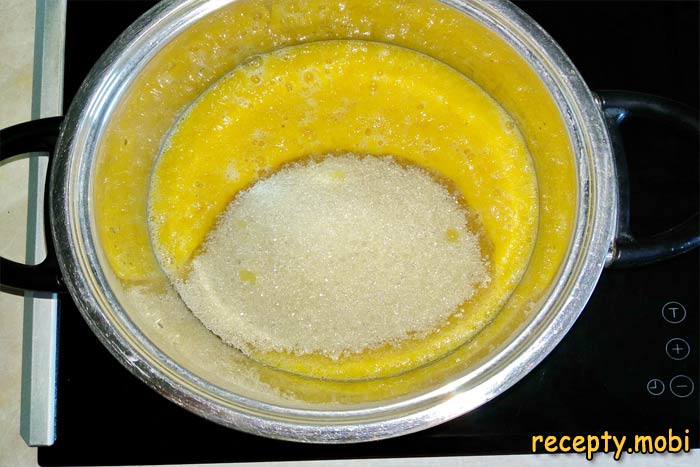
Stir the flesh and sugar together thoroughly, put the pan over medium heat and bring to the boil. Once it boils, reduce the heat to the lowest setting and simmer gently, stirring constantly with a wooden spatula and skimming off any foam with a slotted spoon. The foam is the impurities from the sugar, and removing it gives a clear, attractive jam.
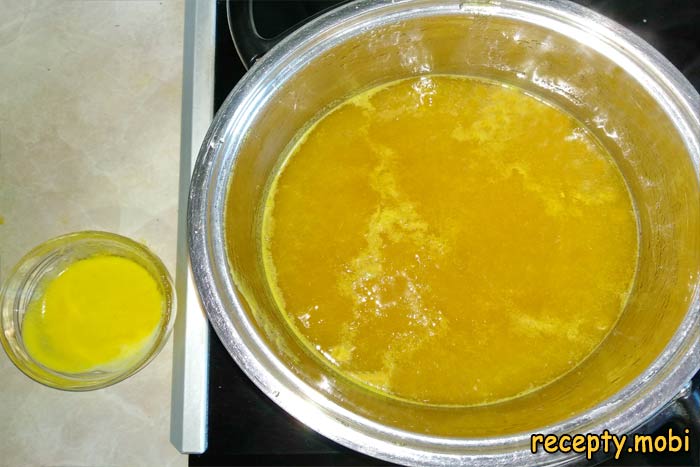
Cook for exactly 1 hour over the lowest heat, stirring every 5–7 minutes – the jam must not catch! After an hour the mass turns a lovely amber-orange colour and thickens noticeably while still hot. To check it is ready, drop a little jam onto a cold saucer – it should set rather than spread. Pour the hot jam straight into sterilised glass jars and seal tightly with the lids.
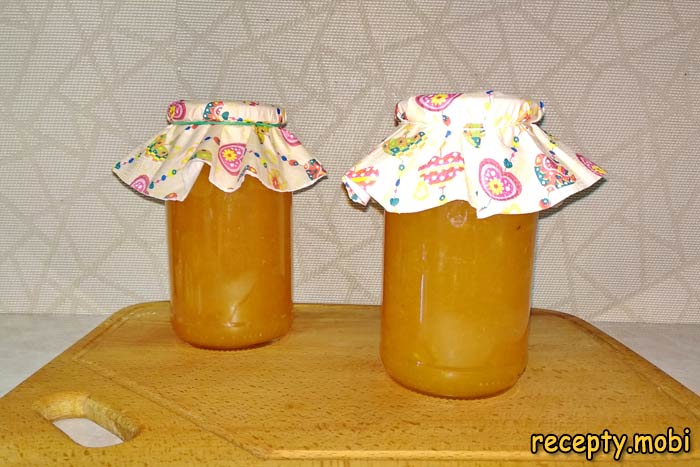
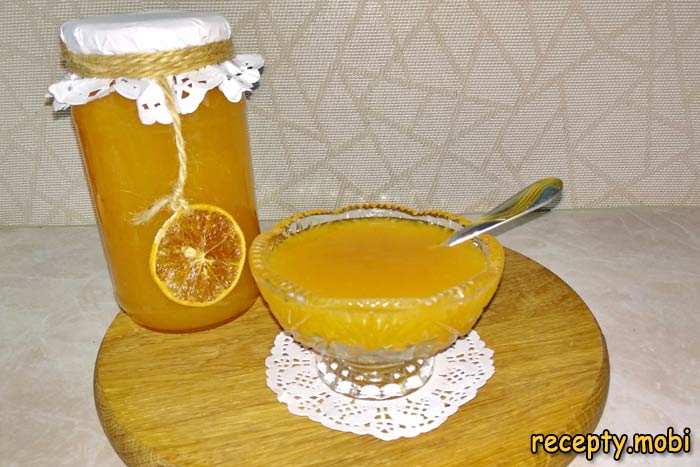
Once it has cooled completely (a few hours), the jam becomes very thick and firm – this is the natural pectin from the citrus at work. No shop-bought gelatines or thickeners! The orange jam with lemon is ready. Use it for toast, as a filling for cupcakes, with cottage cheese, ice cream, or simply with tea.


Tips
- 1
The golden ratio of flesh to sugar is always 1:1 – this is the basic formula for thick, natural jams with no additives.
- 2
Stir often (every 5–7 minutes) – a thick jam catches easily on the bottom of the pan, especially towards the end of cooking.
- 3
Without artificial thickeners the jam sets naturally as it cools – the natural pectin in the citrus works as a natural setting agent. I make mandarin jam on a similar principle.
- 4
Store it in sterilised jars in a cool place for up to six months – a winter supply of citrus vitamins for the whole family.
FAQ
Can I make the jam without lemon? +
You can, but it is strongly discouraged. The lemon does three important jobs in orange jam: 1) it rounds out the flavour with a touch of acidity, balancing the cloying sweetness of the oranges; 2) it provides natural pectin from the lemon peel, the main natural setting agent; and 3) it extends the shelf life, as the citric acid acts as a natural preservative. Without lemon the jam will be runny and overly sweet. If you have no lemon, replace it with 1 tbsp of citric acid or 2 tbsp of shop-bought lemon juice. Jam made without lemon keeps for half as long.
Why remove the seeds and the white part? +
The seeds and the white pith of citrus contain limonin, a bitter compound that is released into the jam during cooking and spoils the whole flavour. A few seeds can ruin the taste of a kilogram of jam. Carefully remove all the seeds and the white part of the peel – it is a fiddly job, but essential for a good jam. The alternative is fast cooking over high heat (15–20 minutes instead of an hour), so the bitterness does not have time to come out, but the jam will be runny. It is better to spend 30 minutes removing seeds than to spoil the whole batch.
What can I use the finished jam for? +
It has many uses: on buttered toast for breakfast (the classic), as a filling for croissants, cupcakes, roulades and biscuits (home baking), with cottage cheese and curd fritters (a wholesome breakfast), with pancakes and crepes (for the weekend), with ice cream or yogurt (dessert), in tea instead of sugar (the English tradition), and in porridge (oatmeal with orange jam). It also works as a sauce for poultry (duck, turkey) – the French way of serving with citrus jam. Beautifully wrapped jars tied with ribbon make an original handmade gift.
How long does the finished jam keep? +
Jam that is properly cooked and sealed in sterilised jars keeps in a cool place (cellar, pantry) for up to a year, and in the fridge for up to 6 months. Once the jar is opened, it keeps for 2–3 months in the fridge under the lid. Signs of spoilage: mould on the surface (green or white), a sour smell, or bubbles at the bottom (fermentation). Sterilise the jars and lids with boiling water or in the oven at 100 °C before pouring in the hot jam. Do not undercook it – jam that is not thick enough spoils faster. Stick to the golden 1:1 ratio for long storage.
- Comment
or post as a guest
Be the first to comment.