avg —
Pickled Grapes

Instructions
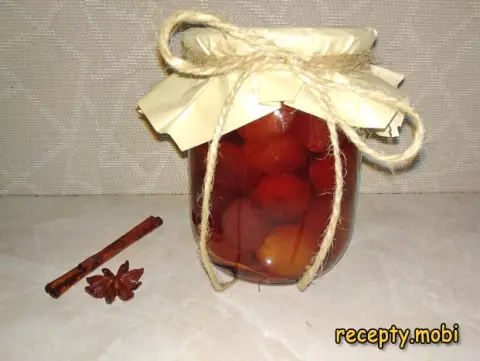
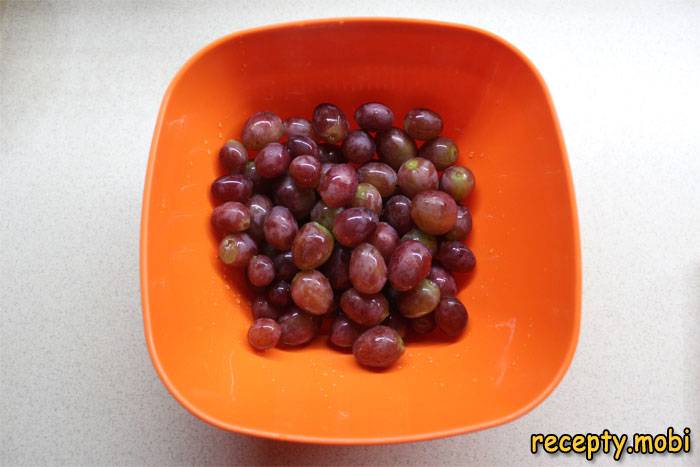
Rinse 350 g of fresh grapes thoroughly under cold water – you can use any variety, but muscat grapes turn out the tastiest thanks to their distinctive aroma and pronounced muscat note. The main rule is to choose firm berries with no soft spots, signs of fermentation or mould. Carefully pull the berries off the stems, sort through them and discard any that are damaged. Tip the prepared whole grapes into a deep glass or ceramic dish (do not use a metal one – it will react with the marinade).
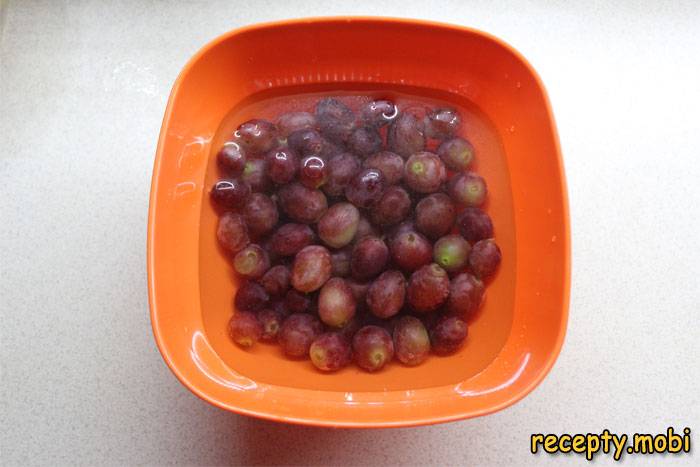
Prepare a salt solution to pre-treat the berries. Combine 1 cup of clean boiled water with 1 tablespoon of salt and stir well until it has fully dissolved. Pour this salt solution over the grapes so that they are completely covered. Leave the berries in the salt solution for half an hour at room temperature – this step is needed to remove any bacteria from the surface of the berries and to improve the texture of the grapes. After 30 minutes, pat them lightly dry.
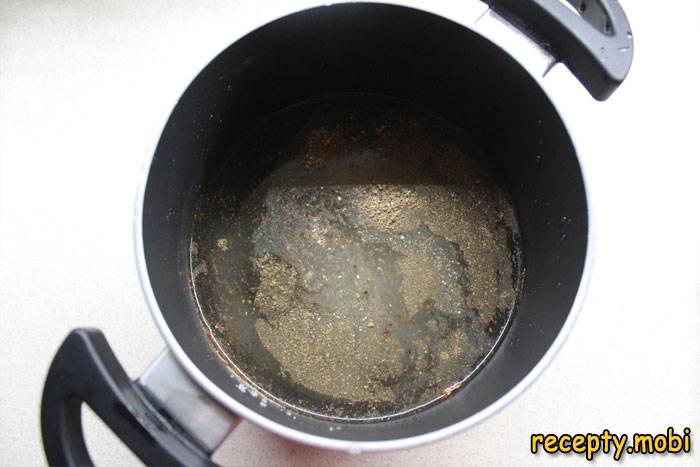
Prepare the fragrant spiced marinade. In a small heavy-bottomed saucepan, combine the remaining 200 ml of clean water with 2 tablespoons of sugar, 2 clove buds, ½ teaspoon of ground cinnamon, ½ teaspoon of ground nutmeg and ¼ teaspoon of a mix of freshly ground peppercorns. Set the pan over medium heat. Bring the mixture to a rapid boil, stirring constantly. As soon as the marinade boils, take it off the heat. Strain the hot marinade through a fine sieve into a separate bowl to remove the large spices and cloves – this gives a clear, attractive marinade. After straining, stir in 1 tablespoon of 9% vinegar – I add the vinegar after boiling, because heat causes it to lose some of its properties.
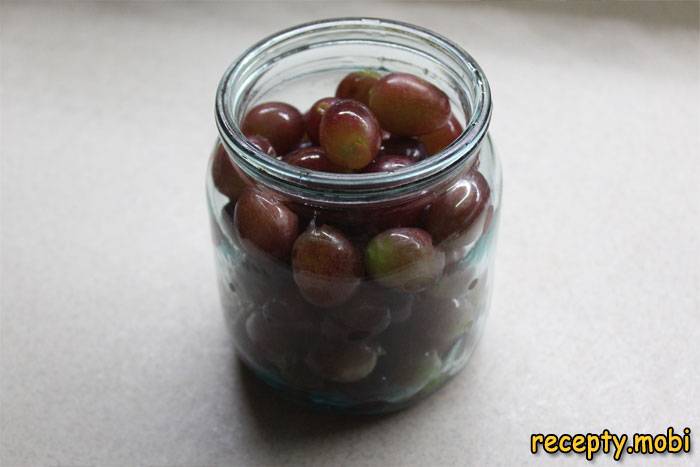
At the same time, sterilise the 500 ml glass jars and the metal or nylon lids. You can scald the jars with boiling water several times, steam-sterilise them for 10 minutes, or place them in the oven at 120 °C for 10 minutes. Boil the lids for 5 minutes. This is a crucial step for safe long-term storage. Pack the pre-brined grapes into the prepared sterile jars, pressing down gently with a wooden spoon for a tight fit.
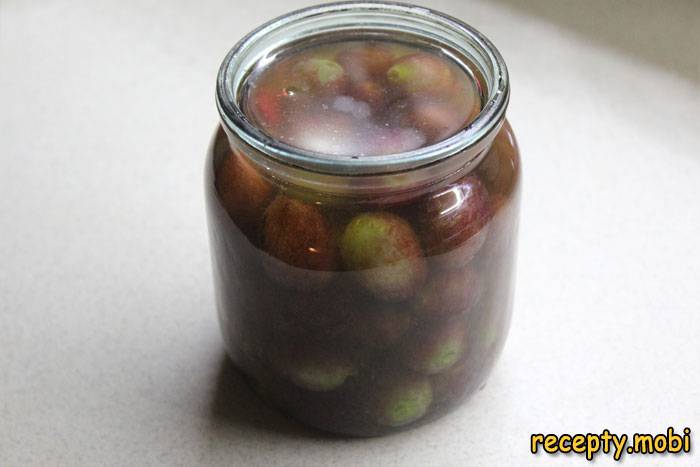
Pour the hot, strained, fragrant marinade with vinegar over the berries, right up to the very top of the jar's neck – the berries must be completely covered with liquid, with no air bubbles. Tap the jar gently on the table to release any air bubbles trapped deep among the berries.
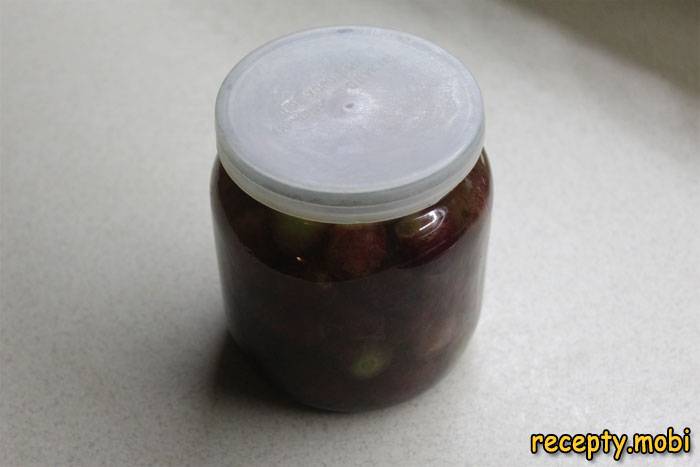
Seal the preserve with metal lids using a canning machine (for long-term storage of up to 6 months), or close it with nylon lids (to be eaten within a month – stored in the refrigerator). Leave the jars at room temperature until completely cool, for 12 hours – this allows the marinade to fully penetrate the berries. Once cooled, store in the refrigerator for up to six months, or in a cool dark cellar for up to 1 year if hermetically sealed.
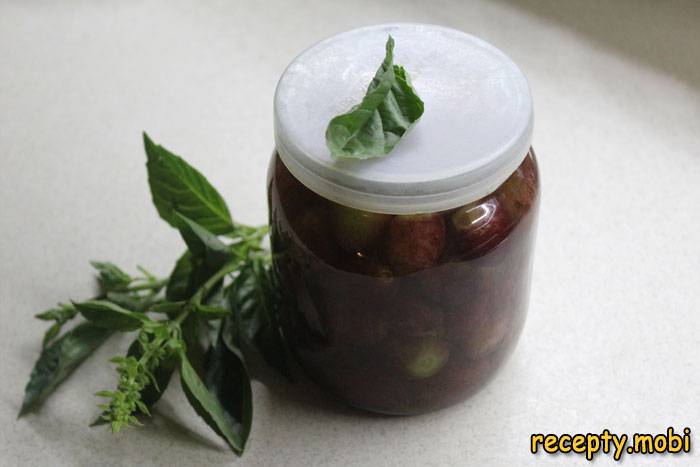
The tasty, fragrant and piquant homemade appetiser is ready! Before serving, let it stand for at least 48 hours – over this time the flavours fully come together. I serve it chilled in a small glass bowl, or as part of a cheese board with brie, camembert, salami, prosciutto and thin slices of crusty baguette.


Tips
- 1
Choose only firm, ripe berries with no soft spots, cracks or signs of fermentation – they hold their shape better in the marinade and give the finished preserve an attractive look. Soft berries will fall apart.
- 2
Muscat grape varieties (Muscat Hamburg, White Muscat, Isabella) give a particularly rich, distinctive aroma to the finished appetiser. The raisin-like flavour of muscat varieties echoes the spices.
- 3
The marinade can be given extra fragrance with fresh rosemary (a sprig), bay leaf (1 leaf), star anise (1 star) or cardamom (2 pods) – experimenting at home with Eastern spices gives interesting variations.
- 4
Finished pickled grapes go perfectly with a cheese board (brie, camembert, parmesan, blue cheese) and a glass of dry white wine or port – a truly European serving for gourmets.
FAQ
Which grape variety is best for pickling? +
Any variety with firm, dense berries and skin that is not too thin (which could burst) will work. Dark varieties (black kishmish, Isabella, Moldova) give the marinade a richer colour and visual impact. Light varieties (white kishmish, White Muscat, Siberian Emerald) give a more delicate, classic flavour and a clear marinade. Muscat varieties with a characteristic raisin-like aroma (Muscat Hamburg, White Muscat) are the premium choice for a refined appetiser. Avoid overly sweet table varieties with thin skins – they will fall apart. For an impressive presentation, use a mix of two grape colours in one jar. A homemade version with home-grown grapes always tastes better.
How long does pickled grapes keep after making? +
In a hermetically sealed, sterile jar in a cool dark place (cellar, pantry, lower kitchen shelves) – up to 6 months without loss of quality. In the refrigerator – up to 1 year. It will not keep at room temperature – without sterilisation it spoils quickly. Once the jar is opened, use it within 2 weeks – contact with air and a spoon sharply shortens the shelf life as bacteria get in. Signs of spoilage: a cloudy marinade, gas bubbles, a sour smell, mould on the surface. If you see any of these, discard the appetiser. A homemade version without preservatives needs careful storage.
What do you serve pickled grapes with? +
They go perfectly with cheeses of different kinds – soft (brie, camembert, goat's cheese), hard (parmesan, pecorino, gouda) and blue (roquefort, gorgonzola). With cured meats – prosciutto, jamón, salami, salame, mortadella. In canapés on skewers with cheese and an olive – a pretty presentation for a buffet. As a piquant appetiser in its own right with dry red or white wine, port or champagne. They also work well in a salad with beef or duck breast. For a festive presentation – on a board with nuts, honey and cheeses. The homemade version is ideal for a romantic dinner or a wine party.
Can pickled grapes be used in salads and main dishes? +
Yes, this is a versatile delicacy. They work well in: salads with rocket and goat's cheese (replacing fresh berries with an unusual piquant accent), meat dishes with roast duck or pork loin (a classic European accompaniment), chicken salad with walnuts and celery, Waldorf-style salads and cheese appetisers. Pickled grapes are also served as a sauce with pan-fried foie gras or lamb steaks – a refined restaurant-style presentation. Use 50–100 g of pickled berries per portion of a main dish. This step-by-step recipe opens up plenty of room for culinary creativity in your own kitchen.
- Comment
or post as a guest
Be the first to comment.