avg —
How to Freeze Herbs for Winter

Instructions
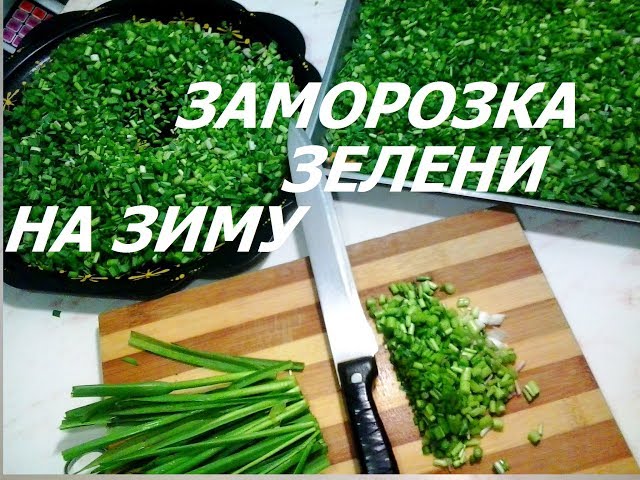
I carefully sort through the fresh herbs (3–5 bunches of dill, parsley, green onion, basil, young garlic), removing damaged and yellowed sprigs and tough stems. I wash the herbs under cold running water, shake them gently, and let the bulk of the water drain in a colander for 5 minutes. The quality of the herbs determines the result – wilted herbs will stay wilted after freezing.
I pack the prepared, dried herbs into clean and completely dry small plastic containers (200–300 ml) for portioned freezing. I close them tightly with their lids – this keeps the air out so the herbs do not lose their aroma. If I use zip-lock plastic bags, I fill them about halfway, press out as much air as possible (or draw it out through a drinking straw – a handy home trick), and seal them tightly. Then I put the filled containers in the freezer.
You can freeze each type of herb separately or as a mix. For dressing first courses, a blend of green onion, dill, and young garlic (3:2:1) is ideal. For meat, fish, and side dishes, make a mix of dill, parsley, and basil (2:2:1). For Italian and Mediterranean dishes – basil, oregano, rosemary. Homemade seasoning mixes save space in the freezer and give you a ready solution for a quick meal.
Tips
- 1
Put herbs in the freezer in small batches (up to 1 kg at a time) so they freeze evenly. Large batches take a long time to freeze, and the outer layers will already be thawing while the inner ones are still setting.
- 2
During storage, do not let the herbs thaw and refreeze – this causes a partial loss of flavour and beneficial properties. Open the container only to take out the portion you need, and put it straight back in the freezer.
- 3
This home method of preparation also works for chopped green salad leaves, sorrel, spinach, beet tops, and young nettle. The main thing is to chop them before freezing, because thawed herbs do not cut neatly.
- 4
Freeze the herbs in ice-cube trays with 1 tablespoon of olive or vegetable oil in each cell – you will get handy single-portion cubes that you can drop straight into a boiling soup or sauce. A professional step-by-step trick.
Video
FAQ
How long do frozen herbs keep in the freezer? +
At a temperature of –18 °C in airtight packaging, frozen herbs keep for up to 12 months without losing their flavour or vitamins. It is best to use the preparations within 6–8 months – that is exactly how long it is until the next season of fresh herbs. After 10 months the flavour gradually begins to weaken and the aroma becomes less pronounced. At –24 °C (deep freezing) the shelf life increases to 18 months. Always write the freezing date on the containers so you do not forget when you put them up.
Can I freeze whole, unchopped herbs? +
Yes, but it is a less convenient option to use. Freeze the bunches whole in bags – wash them well, dry them, press out the air, and tie them up. After thawing (or straight away without thawing) chop them as needed. The advantage of this method is faster packing and less preparation. The drawback is that thawed herbs shrink a lot in volume and cut poorly (they become watery). That is exactly why most cooks prefer to chop the herbs before freezing – the result is more convenient and neater for cooking.
Do herbs need to be thawed before adding them to a dish? +
No, there is no need to thaw them – this is the main advantage of freezing. Frozen herbs are added straight into a hot soup, sauce, main dish, fried eggs, or an omelette – they thaw instantly from the heat and release their aroma. For cold dishes (dressed salads, a curd-cheese mixture) it is better to thaw them in a sieve for 10–15 minutes at room temperature, drain off the liquid, and use them. Add them to soups 2–3 minutes before they are done, and to sauces 5 minutes before the end. The home option saves a lot of time on preparation.
Which herbs tolerate freezing best? +
These keep their aroma and vitamins very well: dill (the best candidate – compact and aromatic), parsley (the second most popular), green onion (loses a little crunch, but the flavour is excellent), basil (keeps its aroma well with quick freezing), and young green garlic (excellent). These tolerate freezing less well: salad leaves (become limp, but are suitable for hot dishes), sorrel (turns olive-coloured, but keeps its flavour), spinach (the texture changes, but it is fine for soups). I do not recommend freezing: cilantro (loses its aroma) and rocket (becomes watery). A home soup mix of dill + onion + parsley works perfectly.
- Comment
or post as a guest
Be the first to comment.