Write a comment
Aspic from pig's tongue

Aspic of Pork Tongue with Gelatin

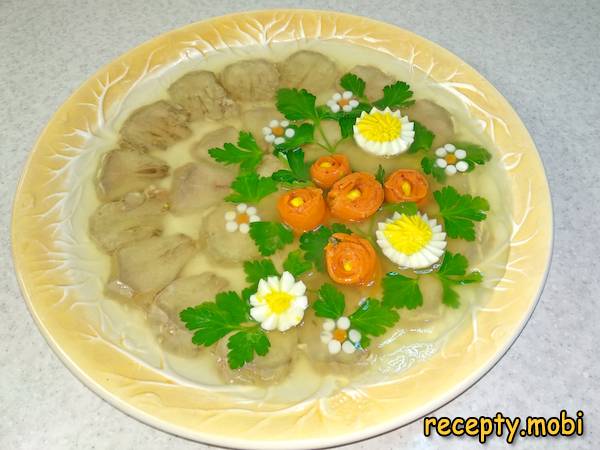
Aspic of pork tongue with gelatin is a traditional Slavic celebration dish that holds an honoured place on any properly festive table. When the dish is beautifully decorated with carved vegetables, hard-boiled egg flowers and fresh herbs, it earns the role of a genuine table centrepiece that earns admiring comments from every guest. Aspic can be made from beef tongue or pork tongue with equally good results, though pork tongue tends to be slightly milder and more delicate in flavour, which suits the gentle character of the finished dish particularly well at celebration meals.

The recipe takes some time and patience but rewards the cook with a stunning dish that can be made entirely the day before any celebration. Most of the cooking is hands-off simmering, with only the decorating step requiring real attention to detail. Your guests will surely appreciate the careful preparation and presentation, since aspic remains one of those classic dishes that signals genuine festive intent at the dinner table. The decoration can be as elaborate or as restrained as your skill and patience allow.

Yield6 servings.
Time180 minutes + 150 minutes for the aspic to set.
Calories30 kcal per 100 grams of the dish.

Ingredients

Show ingredients
  • pig's tongues - 3 pcs (700-800 g);
  • chicken broth - 500 ml;
  • gelatin - 1.5-2 tbsp (or according to instructions);
  • eggs (boiled) - 2 pcs (for decoration);
  • parsley - for decoration;
  • salt - to taste.

For chicken broth:

  • water - 1 liter;
  • chicken breast - 1 pc;
  • carrot - 1 pc;
  • salt - to taste.

Preparation

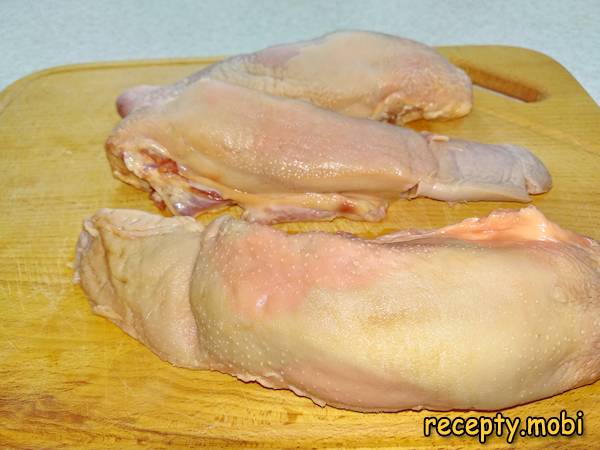
  1. Clean and rinse the pig's tongues thoroughly under cool running water. Use a small sharp knife to scrape away any visible fat or membrane from the surface of the tongues, since these parts can taste unpleasant in the finished dish if left attached during cooking and slicing.
    Pig tongues - photo step 1
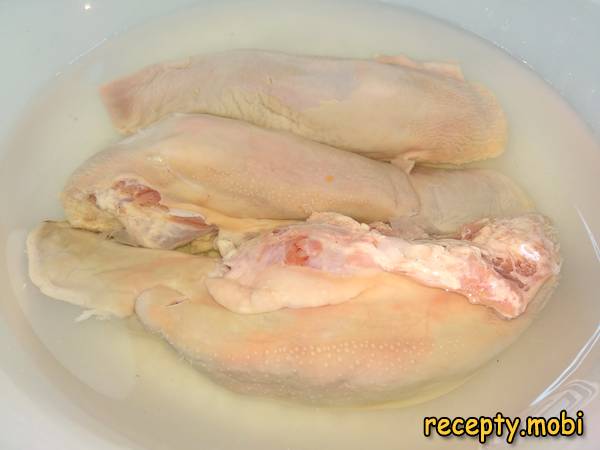
  2. Place the cleaned tongues in a deep bowl filled with very cold water and let them soak for half an hour. The cold-water soak draws out any traces of blood from the meat and helps produce a cleaner clearer broth during the boiling step that follows in the next part of the recipe.
    Pig tongues in cold water - photo step 2
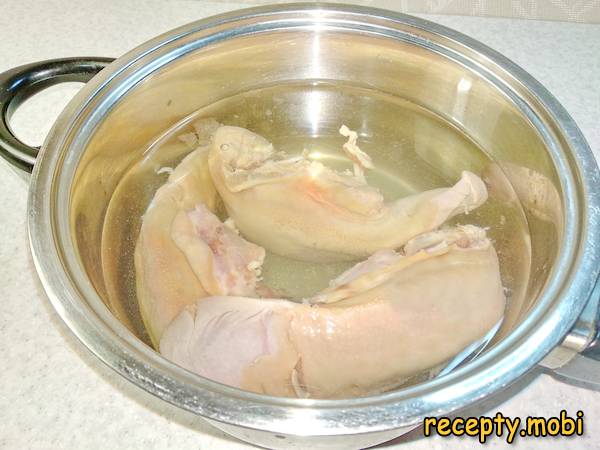
  3. Transfer the soaked tongues to a deep cooking pot and cover with clean fresh water. Add a generous heaped tablespoon of salt to season the cooking water. Bring everything up to a gentle boil, then reduce the heat and simmer the tongues for one hour and thirty minutes total until completely tender.
    boiling pig tongue - photo step 3
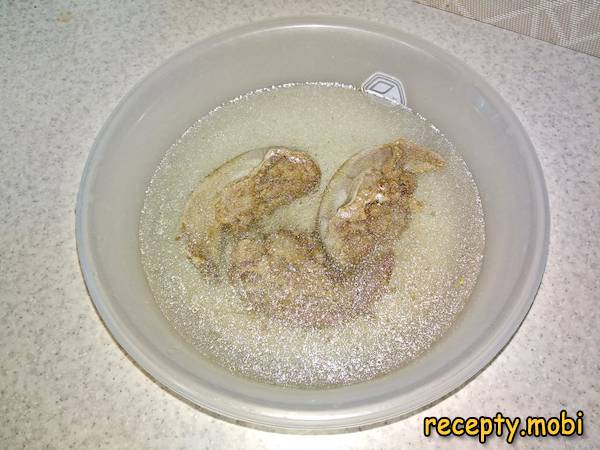
  4. Once the tongues are fully cooked through, transfer them straight back into a bowl of fresh cold water. Leave them to rest in the cold water for five to ten minutes. The thermal shock loosens the tough outer membrane that covers each tongue and makes the peeling step much easier than it would be otherwise.
    cooked pig tongues - photo step 4
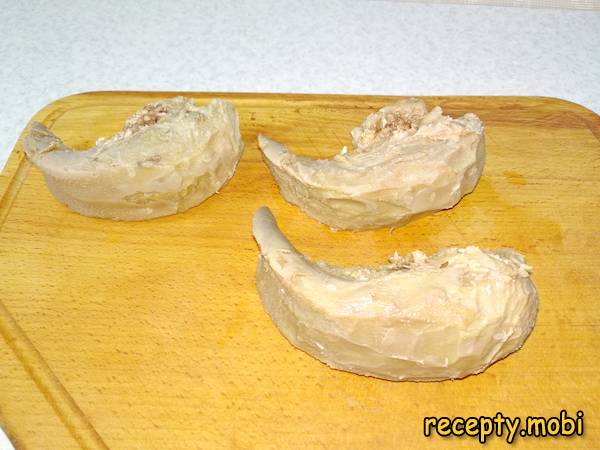
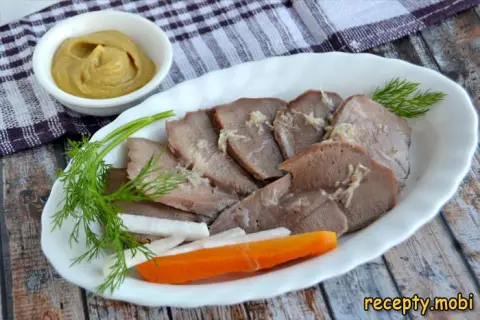
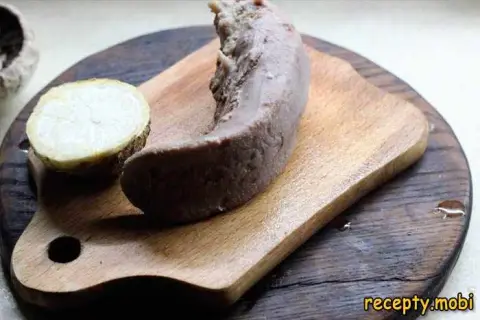
  5. Peel the cooled tongues by gently rubbing the loosened outer membrane away with your fingers or a small knife. The membrane should slip off easily after the cold-water rest, leaving behind clean rosy-pink tongue meat ready for slicing in the next step.
    boiled pig tongues - photo step 5
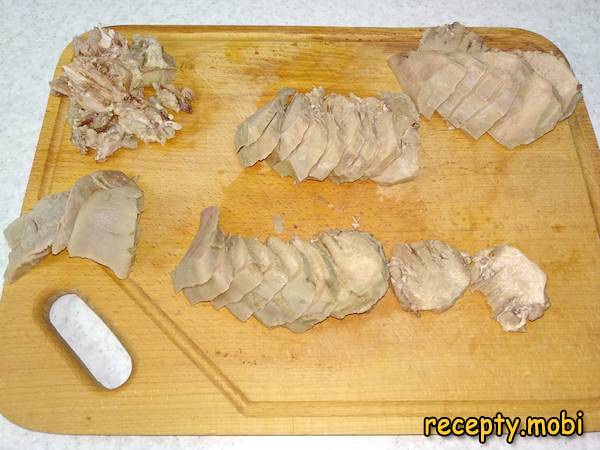
  6. Cut the peeled tongues into even slices about one centimetre thick using a sharp slicing knife. Trim away any excess connective tissue or rough edges, since these parts are not needed for the elegant finished aspic and would only spoil the presentation on the celebration plate.
    sliced pig tongue - photo step 6
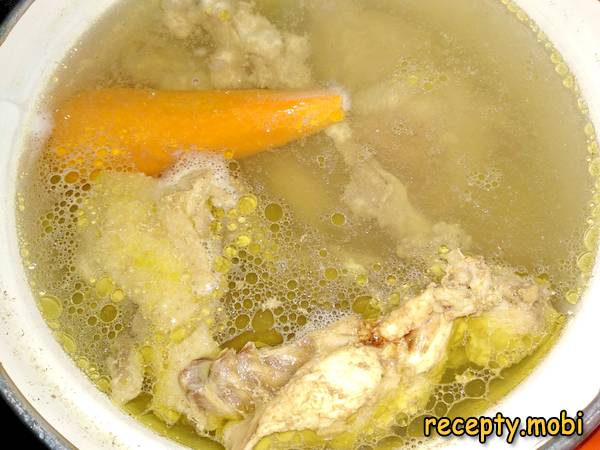
  7. While the tongues are cooking, prepare the chicken broth in a separate pot. Pour one litre of water into a clean cooking pot and add the chicken breast. The chicken broth will be used for pouring over the aspic, since the broth from boiling the tongues should be discarded due to its strong flavour. Boil the carrot in the chicken broth, since it will add a piquant flavour and also serve as decoration for the aspic. Season the broth to taste and cook for thirty minutes. The chicken broth can also be prepared in advance.
    chicken broth - photo step 7
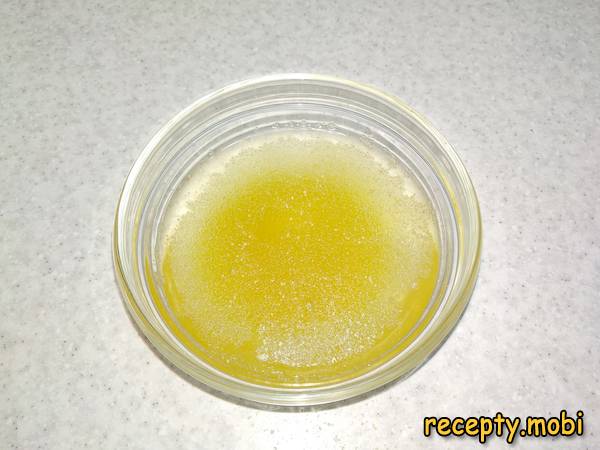
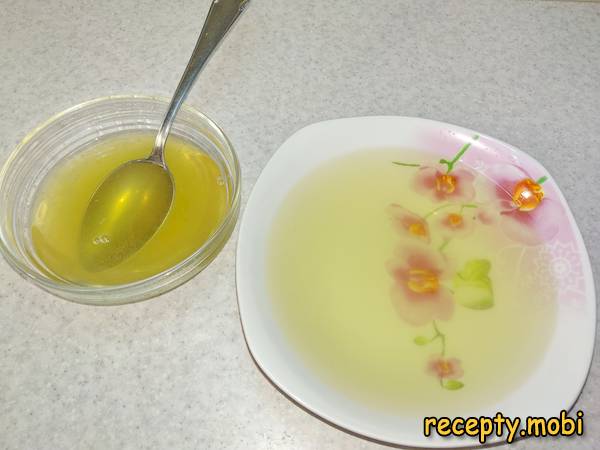
  8. In a small heatproof bowl, place the 1.5 or 2 tablespoons of gelatin and pour warm broth over the top. Let stand for fifteen minutes to bloom and soften completely. The gelatin should be dissolved according to the specific instructions on the package, since different brands behave slightly differently during the blooming step.
    chicken broth with gelatin - photo step 8
  9. Strain the chicken broth through a fine-mesh sieve so the liquid is completely clear and free of any fat globules or floating particles. After a brief rest, gently warm the bloomed gelatin in a water bath or in the microwave until fully liquid. Add the warmed gelatin solution to the rest of the broth that will be used for pouring over the tongue. Use only as much broth as will fit in the dish in which the aspic will be served.
    chicken broth with gelatin - photo step 9
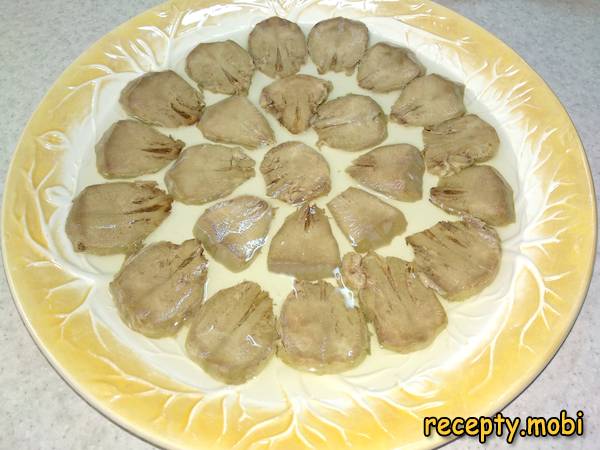
  10. Arrange the slices of tongue evenly across the bottom of the chosen serving dish in a neat single layer. Pour just a thin layer of the gelatin-rich broth over the tongue slices. Place the dish carefully in the refrigerator to set this first layer, which usually takes about fifteen minutes for the gelatin to firm up.
    making aspic from pig's tongue - photo step 10
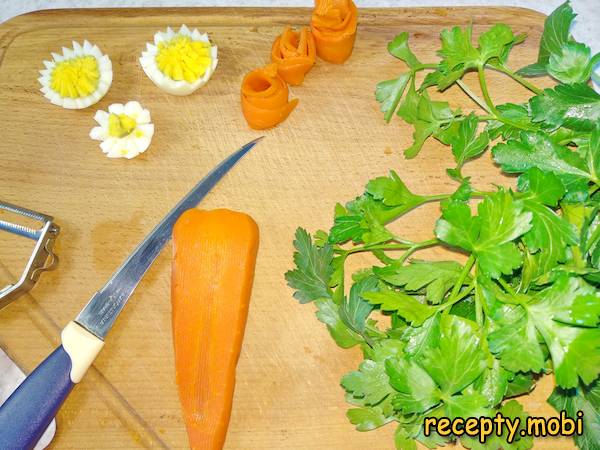
  11. While the first layer sets, prepare the decorations to your own taste. Cut decorative flowers from the boiled eggs using small cookie cutters or a sharp knife. Roll thin slices of the cooked carrot into elegant rose shapes by curling them tightly. Add a few sprigs of fresh parsley for greenery. Be inventive and patient at this stage, since the decorations are what make the dish truly festive.
    decorations for pig tongue aspic - photo step 11
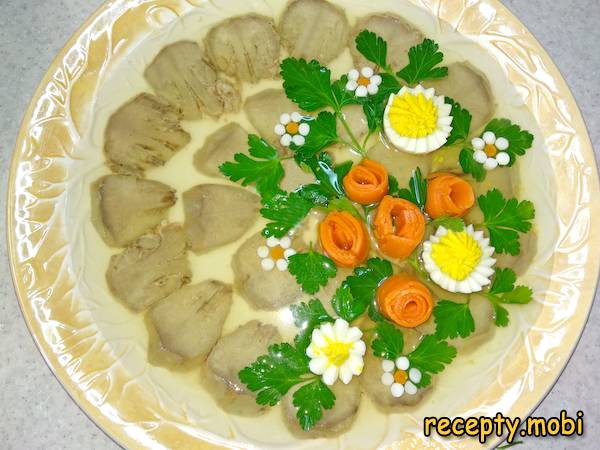
  12. Arrange the decorations carefully on top of the partially set first layer to create your chosen composition. Cover each individual decorative element with another thin layer of the gelatin broth, then return the dish to the refrigerator for another fifteen minutes. This intermediate setting step fixes the decorations in place so they cannot float away when the rest of the broth is added.
    making aspic from pig's tongue - photo step 12
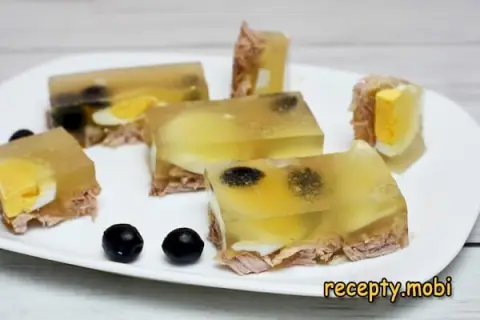
  13. After the second setting period, take the aspic out of the refrigerator and pour over the remaining gelatin broth to fill the dish completely. Place the dish back in the refrigerator for two to two and a half hours, or until fully set. Aspic of pork tongue with gelatin can be prepared the day before the celebration, freeing up time on the actual festive day. Bon appetit!
    Aspic from pig's tongue

Cooking video

Tips and Tricks

Tip 1. Soak the pig's tongues in cold water for the full half hour called for in the recipe, since the cold-water soak draws out any traces of blood from the meat and produces a noticeably cleaner clearer finished aspic. Skipping this step can result in cloudy unattractive aspic with an unpleasant lingering bloody flavour. Patience really matters at this preparatory stage, even though it might feel like an unnecessary delay.

Tip 2. Always discard the broth from boiling the tongues and use a separate clean chicken broth for the gelatin pour. To pair this elegant celebration aspic with another properly traditional festive dish, try our beautifully tender layered Birch salad with prunes as a stunning visual centrepiece on the same celebration buffet table.

Tip 3. Bloom the gelatin in warm rather than hot broth to prevent the gelatin from forming clumps that will not dissolve properly. Stir the bloomed gelatin gently into the rest of the broth and never let the mixture come to a boil, since boiling can destroy the setting properties of the gelatin and produce an aspic that refuses to set firmly in the refrigerator.

Tip 4. Take your time over the decoration step, since the visual appearance of the finished aspic is genuinely what makes this dish a celebration centrepiece. For another beautifully presented Slavic dish to add variety to your festive menu, try our beautifully layered Mimosa salad with sardines, which uses a similar technique with multiple coloured layers.

FAQ

Can I use beef tongue instead of pork tongue?

Absolutely. Beef tongue is a traditional and equally popular choice for this style of aspic and produces a slightly richer more pronounced meaty flavour in the finished dish. Beef tongue is generally larger than pork tongue, so adjust the recipe quantities accordingly: typically one beef tongue replaces three pork tongues. The cooking time will also be longer, usually two to three hours of gentle simmering until completely tender, since beef tongue contains more connective tissue.

How long does aspic keep in the refrigerator?

Properly made aspic keeps very well in the refrigerator for up to four days when stored covered tightly with cling film. The flavours actually improve significantly during the first day or two as the broth, gelatin and tongue continue to merge into a beautifully harmonious whole. Avoid freezing assembled aspic, since the gelatin texture suffers significantly during defrosting and the whole dish turns into an unappetising watery mess in the serving container.

What can I serve with this aspic?

Traditional accompaniments include sharp grainy mustard, fresh horseradish cream, prepared horseradish from a jar and crusty rye bread or buttered black bread for soaking up any released juices. A small bowl of pickled cucumbers or capers on the side adds a brilliant tangy contrast that cuts through the richness of the aspic beautifully. Vodka shots are the most authentic accompanying drink, but a chilled crisp white wine also works wonderfully at the festive table.

Why did my aspic not set firmly?

Aspic that fails to set usually means either too little gelatin was used or the gelatin was overheated and lost its setting properties during preparation. Always measure the gelatin carefully according to the package instructions for the volume of liquid you are using, and never let the gelatin mixture boil during preparation. If the aspic refuses to set after several hours in the refrigerator, gently warm and add another tablespoon of bloomed gelatin to rescue the dish.

Write comments...
symbols left.
or post as a guest
Loading comment... The comment will be refreshed after 00:00.

Be the first to comment.