avg —
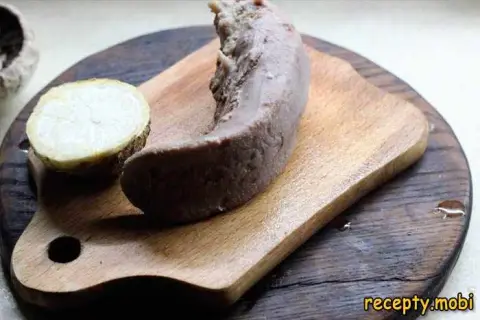
Pork Tongue in Garlic Sauce – Simply Melts in Your Mouth

Instructions
I wash the pork tongue thoroughly under cold running water and scrape the surface with a knife to remove any dirt and coating. I lower it into boiling water for 5–10 minutes – this gives the first cleaning and removes the specific offal odour. I take it out and pour off the water. This stage is crucial: skip it, and the broth will turn out cloudy with an unpleasant smell.
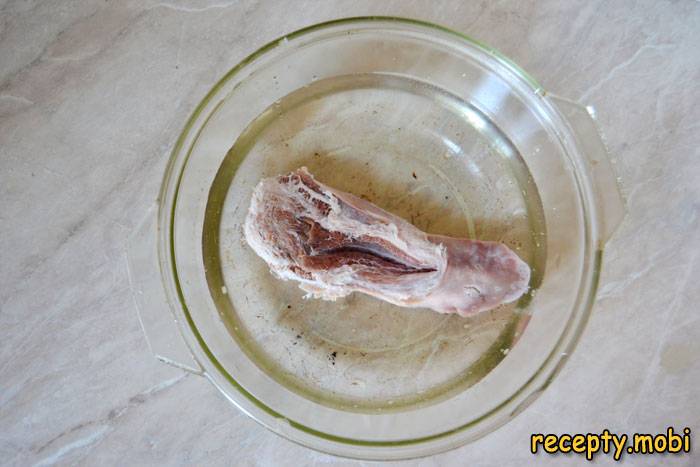
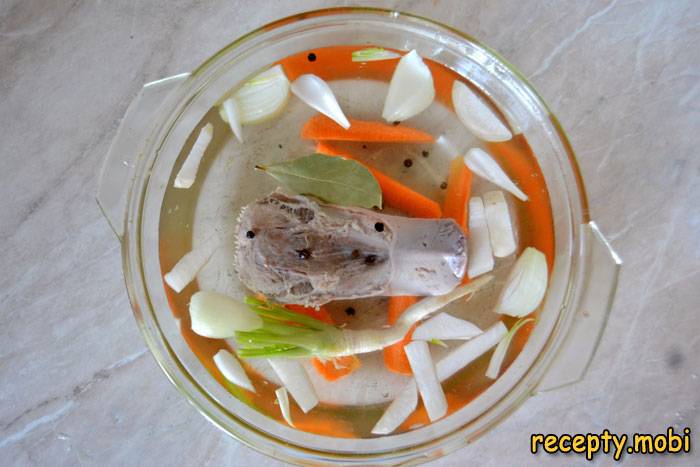
I pour fresh cold water over the tongue and cook it for 1 to 1.5 hours over low heat. Thirty minutes before it is done, I add salt, the whole onion, the carrot, the bay leaf, the peppercorns and the roots. I add the vegetables and spices at the end – that way they give off their aroma without going soft. Add the salt at the end too, as it slows down the cooking of the meat.
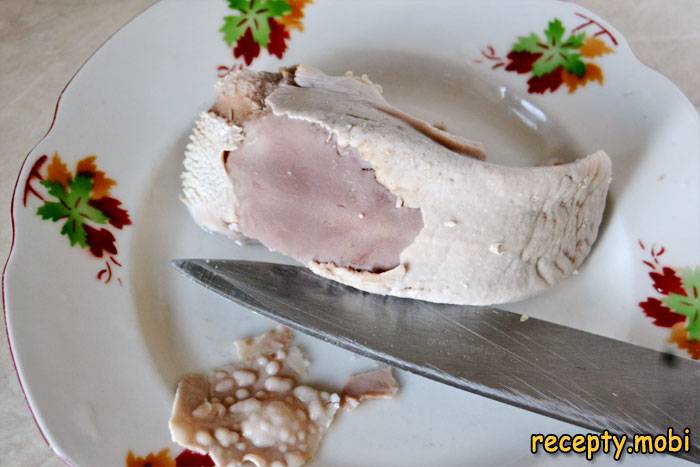
I lift the cooked tongue out with a slotted spoon and immediately plunge it into iced water for 1–2 minutes. The sharp change in temperature helps the skin come away easily – I peel it off by hand, like a stocking. If you do not chill it enough, the skin comes off in pieces and you have to remove it with a knife, losing part of the meat.
I make the garlic sauce: I crush the garlic to a paste on a fine grater or with a press. I mix it with vegetable oil into a smooth emulsion. I use unrefined olive or sunflower oil specifically – it gives a brighter aroma than refined oil.
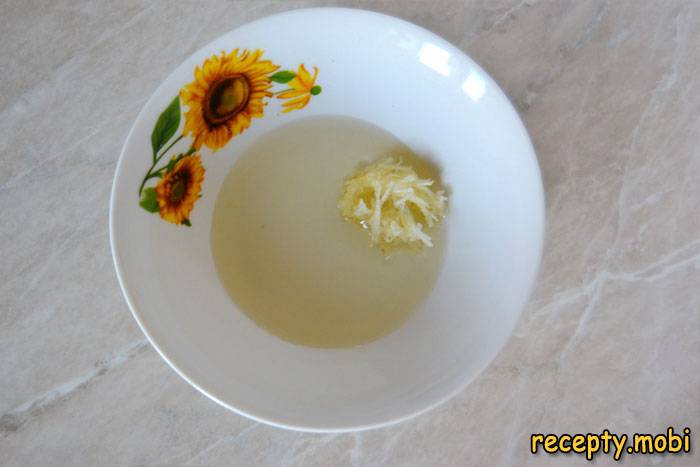
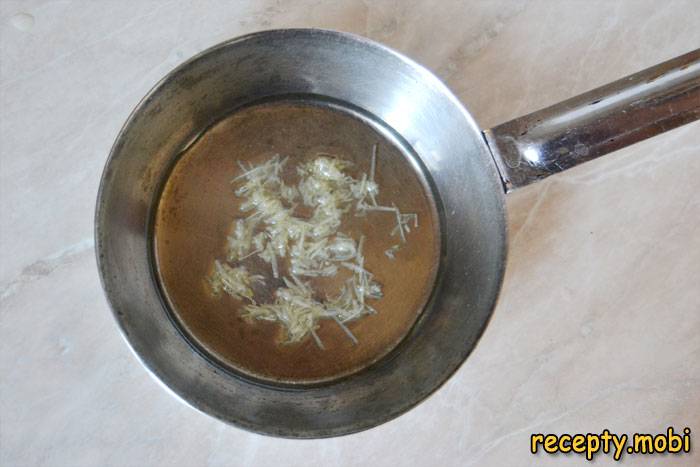
I warm the sauce over low heat for 1–2 minutes, almost to boiling, but I do not let it boil. Warming it opens up the aroma of the garlic and takes away the sharpness of the raw clove. If it comes to the boil, the garlic turns bitter and loses its delicacy – watch the temperature closely. Take it off the heat as soon as the first bubbles appear.
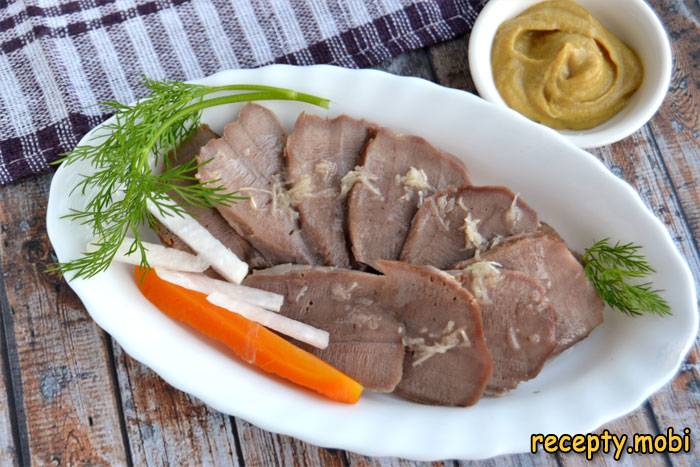
I slice the cooled tongue diagonally into pieces 5–7 mm thick. Cutting at an angle gives wider, prettier slices than cutting straight across. I arrange them overlapping on a serving plate and pour over plenty of the hot garlic sauce. I serve it straight away, before the sauce cools.


Tips
- 1
Serve with Dijon mustard or horseradish – sharp sauces set off the delicate flavour of boiled tongue beautifully and add a little zing.
- 2
The parsley and parsnip roots can be replaced with celery root – it will give the broth a brighter, more fragrant aroma.
- 3
Check the tongue for doneness with a sharp knife – it should go in easily, without resistance. I cook beef tongue on a similar principle.
- 4
Garnish with fresh parsley or dill before serving – the greens add a bright splash of colour and a fresh aroma.
FAQ
Why drain the first water after boiling the tongue? +
This removes the specific offal odour, the dirt from the surface and the blood from the tissues. The final broth comes out noticeably cleaner and clearer, with no unpleasant aftertaste. The first water also carries off some of the fat, which makes the dish less greasy. This technique is used for all offal: tongue, lung, kidneys and liver. Without draining the first water, the broth will be cloudy with an unpleasant smell, and the dish will lose its restaurant character.
Can pork tongue be served cold? +
Yes, the tongue is delicious cold too, as a cold cut for sandwiches or as a snack. When cold it slices thinner and more neatly than when hot. Serve it with mustard, horseradish or tartare sauce – these are classic pairings. For sandwiches, lay thin slices on rye or wholegrain bread with butter and herbs. For a festive table, garnish with capers and olives. From the leftovers you can make a salad with pickled cucumbers and green peas.
How long does cooked pork tongue keep? +
Whole, in the broth, it keeps in the refrigerator for up to 3 days without any loss of quality. The broth acts as a natural preservative and stops the meat from drying out. Sliced and covered with cling film, it keeps for up to 2 days. Without the broth the tongue quickly becomes dry and loses its tenderness. You can freeze it whole in the broth for up to 2 months in an airtight container. Before serving, reheat it in the same broth on the stove – this brings back the texture and flavour.
How do I choose a fresh pork tongue in the shop? +
A fresh tongue has a delicate pink colour (not grey and not dark red), a firm structure when pressed, and no slime or unpleasant smell. The size varies from 200 g to 400 g – there is no point taking a smaller one, as very little will be left after cleaning. Frozen tongue is also suitable, but thaw it only in the refrigerator for 12 hours – quick thawing gives “watery” meat. The quality of the raw product accounts for 80% of the success of the finished dish.
- Comment
or post as a guest
Be the first to comment.