Write a comment
Herring butter classic recipe

Herring Butter – Classic Recipe

Herring butter is one of the smartest spreads in the Eastern European kitchen, a creamy, savory mixture that turns a humble slice of bread into a hearty snack capable of standing on its own at any time of day. The recipe takes only minutes of active work, calls for four common ingredients, and stores beautifully for several days in the refrigerator under a sheet of cling film. Spread it on dense rye bread for the most traditional pairing, on a toasted slice of white bread for breakfast, or on a halved croissant for an unexpected brunch idea. The same butter sliced into rounds also makes elegant single-bite canapés for any festive table.

Yield5 servings.
Time60 minutes.
Calories354 kcal per 100 grams of the dish.

Ingredients

Show ingredients
  • butter — 100 g;
  • herring — 0.5 piece (100 g);
  • boiled egg — 1 piece;
  • parsley — 1 bunch.

Preparation

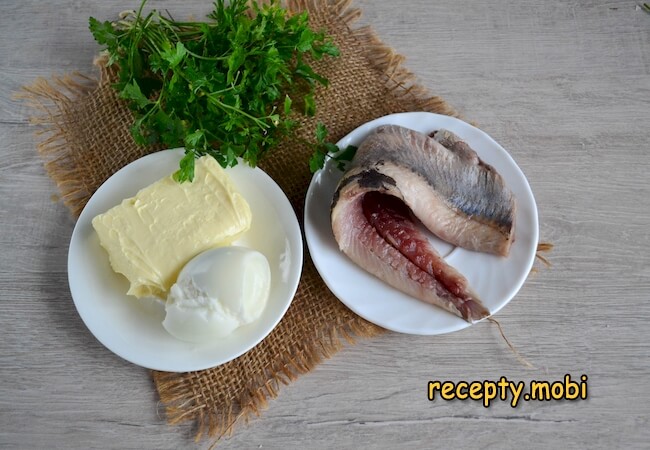
  1. Lay out every ingredient before starting the work. Boil the egg until the yolk is firmly set, about ten minutes from a cold-water start. Clean the herring of guts, skin, and bones, working with one fillet for this small batch. Take the butter out of the refrigerator at least an hour ahead so it softens to room temperature.
    ingredients for herring butter - photo step 1
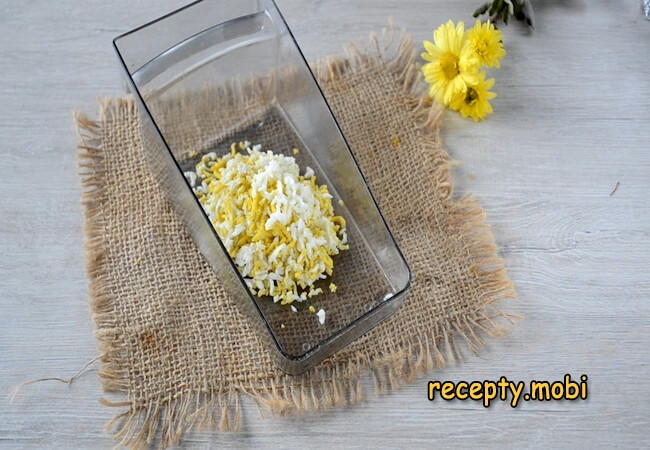
  2. Grate the cooled boiled egg through the fine side of a vegetable grater. Cold eggs grate cleanly into fluffy strands; warm eggs gum up the grater holes and produce a sticky paste that does not blend smoothly with the butter and herring later.
    grated egg - photo step 2
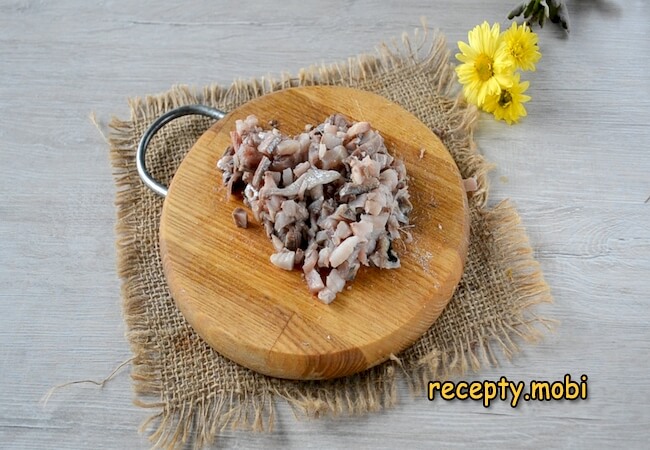
  3. Cut the herring fillet as finely as your knife allows, working through it in small steady strokes until the fish reduces to tiny even pieces. Fine chopping ensures every spoonful of the finished spread tastes the same, with no large chunks of strong-flavored fish that overpower the buttery base.
    chopped herring - photo step 3
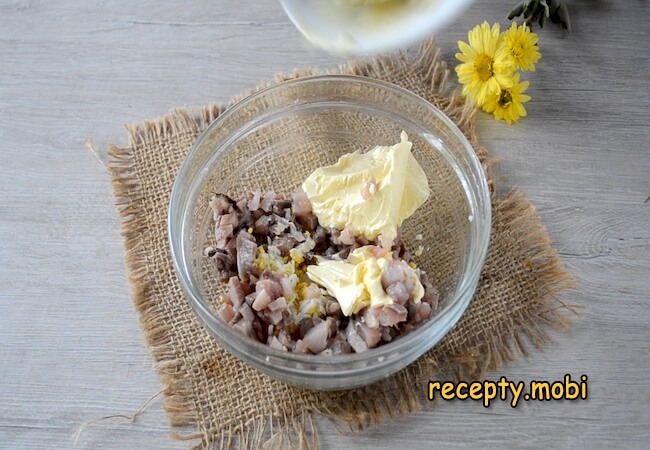
  4. Combine the grated egg, the chopped herring, and the softened butter in a single mixing bowl. The softer the butter, the easier the mixing; properly room-temperature butter combines with the other ingredients into a smooth spread without any tough little lumps.
    making herring butter - photo step 4
  5. Mix everything thoroughly until the mass turns completely homogeneous in color and texture. For extra flavor, stir in a pinch of freshly ground black pepper or a teaspoon of mild Dijon mustard at this stage; both additions complement the herring beautifully without overpowering the butter base.

    making herring butter - photo step 5
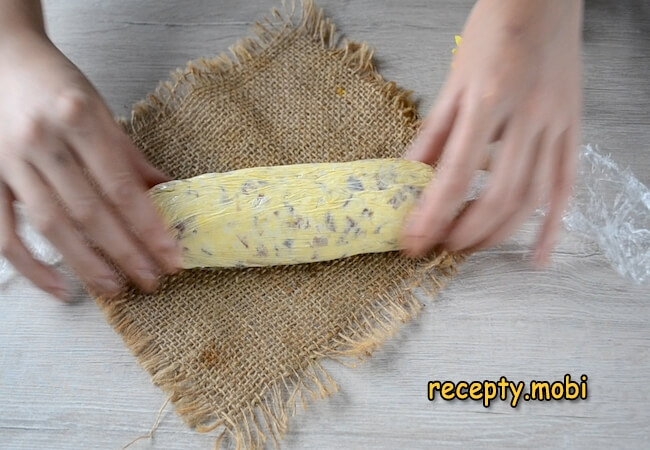
  6. Spread a sheet of cling film across the work surface and spoon the herring butter mixture along one edge, shaping it into an elongated log about three centimetres thick. Roll the cling film tightly around the log to form a neat sausage shape, twisting the ends to seal. Slide the wrapped log into the refrigerator for ten minutes so the surface firms up slightly without setting completely hard.
    making herring butter - photo step 6
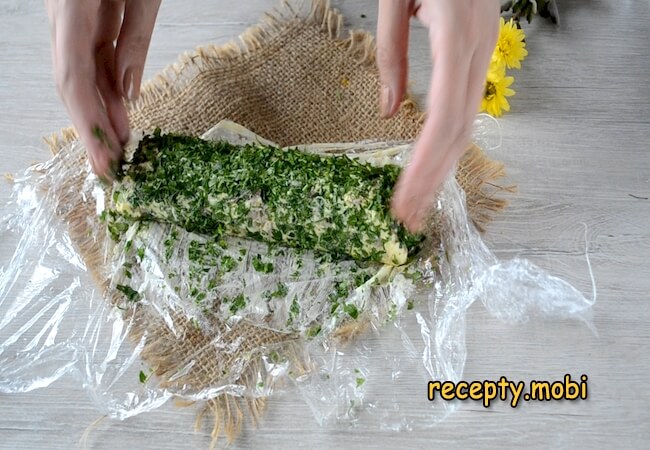
  7. Take the partially set log out of the refrigerator, unwrap the cling film, and roll the surface through finely chopped parsley until evenly coated all around. The ten minutes of chilling produced exactly the right tackiness for the parsley to stick without falling off. Re-wrap the herb-coated log in fresh cling film and return it to the refrigerator for thirty more minutes to fully harden into a sliceable shape.
    making herring butter - photo step 7
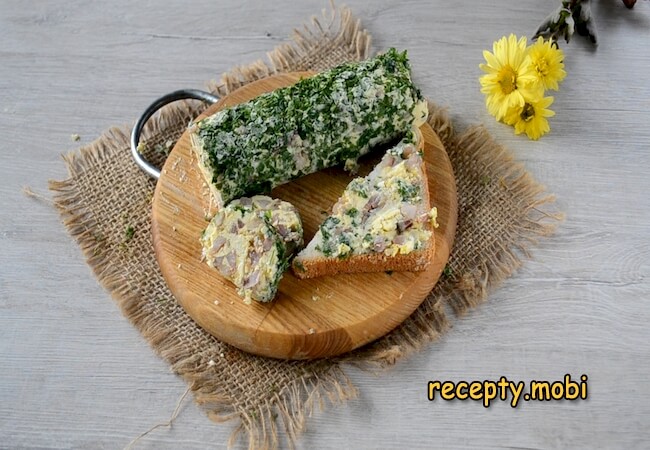
  8. The herring butter is ready to slice and serve. The chilled log cuts cleanly with a sharp knife into neat round disks that sit beautifully on bread or crackers. The flavor balance is delicate yet satisfying, with the butter softening the saltiness of the herring and the parsley adding a fresh green note across the top. Enjoy your meal.
    Herring butter
    Herring butter

Tips and Tricks

Tip 1. Choose lightly salted herring rather than the heavily brined kind for the cleanest balance of flavors. Strongly salted herring overwhelms the delicate butter and turns the whole spread into a single salty note. If only heavily salted fillets are available, soak them in cold milk for thirty minutes to draw out the excess salt, pat them dry with paper towels, and only then chop them. The mellow salty edge that remains complements the butter beautifully without dominating the finished spread on bread.

Tip 2. Use the highest-quality butter you can find for the best flavor. Cheap supermarket butter often contains excess water that can leave the spread slightly runny and prevents it from holding its shape after slicing. Premium butter with at least eighty-two percent fat content delivers the rich creamy texture that makes this spread truly memorable. Pair the finished butter with a slice of soft homemade bread or, for the heartiest snack, the rustic flavor of a quality butter-rich classic.

Tip 3. Pulse the herring and egg in a food processor instead of chopping by hand for a smoother, more spreadable texture. Three or four short pulses are enough; over-processing turns the mixture into a pâté rather than a textured spread, which changes the experience of biting into a sandwich. The food processor approach also speeds the work considerably and makes for easier cleanup at the end of the recipe session.

Tip 4. Wrap the finished log tightly so no air reaches the surface; exposed butter dries out and develops an unpleasant crusty layer within hours of sitting in the refrigerator. Use two layers of cling film or wrap the inner cling film inside a layer of foil for extra protection. Stored properly, the herring butter keeps for up to five days at refrigerator temperature. Pair the spread with a delicate cold appetizer like the elegant Fish in the Pond Salad with Sprats.

Frequently Asked Questions

Can I substitute the herring with another type of fish?

Yes, several fish options work beautifully in this versatile spread. Smoked salmon offers a milder, more elegant flavor that suits brunch and special occasions; chop it as finely as the herring for the best texture. Anchovies bring an even saltier, more intense punch and pair particularly well with capers stirred into the butter. Smoked mackerel produces a richer, smokier version that holds up well to dark rye bread. Whichever fish you choose, drain off any excess oil before mixing and adjust the salt level to match the saltiness of the chosen fish.

How should I serve herring butter for a party?

The chilled log slices into neat round disks that look elegant on a serving platter; arrange the slices in a circle with sprigs of fresh dill and lemon wedges around the edges. For canapés, spread the softened butter on small toasted bread rounds and top each with a thin slice of pickled cucumber or a small caper. The butter also works as a filling for baked savory pastries: spread it on cooled puff pastry, roll into a log, slice, and serve at room temperature. For brunch buffets, mound the butter in a small ramekin alongside warm crusty bread.

Can I freeze herring butter for longer storage?

Yes, herring butter freezes well for up to two months without significant loss of flavor or texture. Wrap the log tightly in two layers of cling film, then place inside a freezer bag with as much air pressed out as possible. Thaw the log overnight in the refrigerator before unwrapping; thawing at room temperature causes the butter to soften unevenly and weep liquid through the cling film. Once thawed, slice as usual and use within three days. Avoid refreezing thawed butter because the texture suffers noticeably on the second freeze.

What can I add to the basic herring butter for variety?

Several additions transform the basic recipe into different flavor profiles for variety. Finely grated fresh horseradish adds a sharp pungent kick that pairs beautifully with the herring. Capers chopped into small pieces deliver bright pickled notes throughout the spread. A pinch of smoked paprika gives a subtle warm smoky undertone. Finely chopped pickled gherkins add tangy crunch. Fresh dill or chives can replace or join the parsley coating. Whatever additions you choose, keep them small in volume so the basic harmony of butter, herring, and egg remains the foundation of the spread.

Cooking video

Write comments...
symbols left.
or post as a guest
Loading comment... The comment will be refreshed after 00:00.

Be the first to comment.