avg —
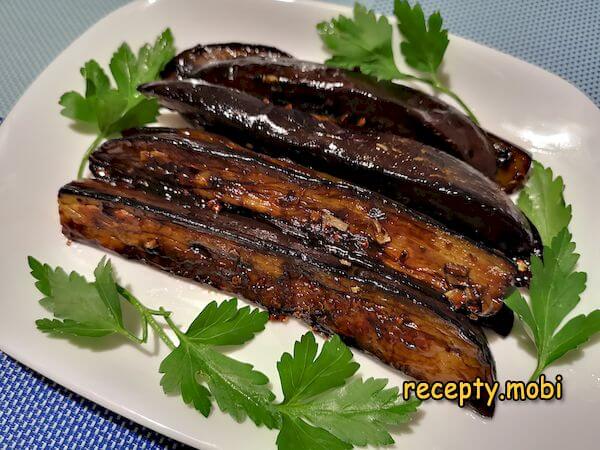
Caramelized Eggplant

Instructions
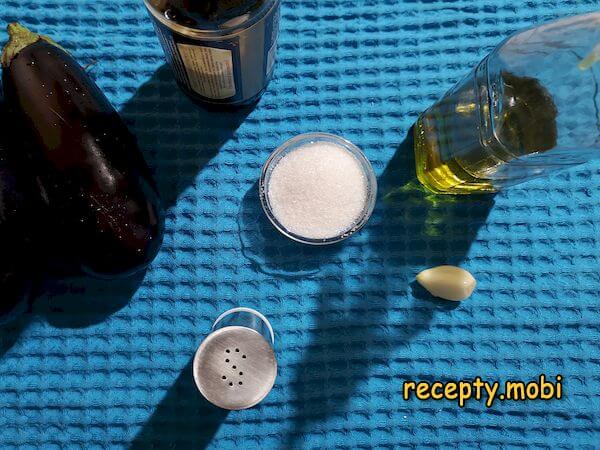
I prepare all the necessary ingredients. I peel the garlic.
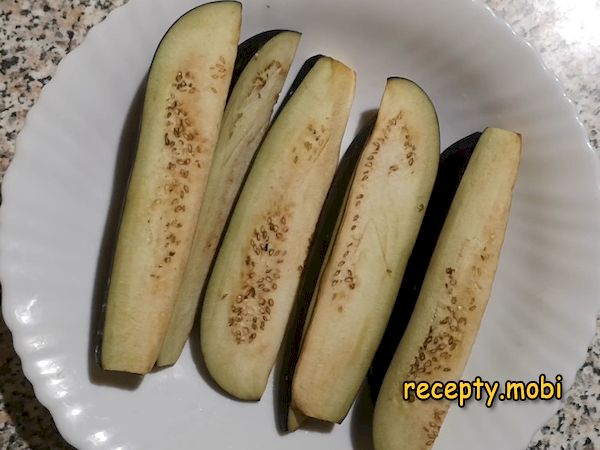
I cut the eggplant into sticks. An even size is important so they fry evenly.
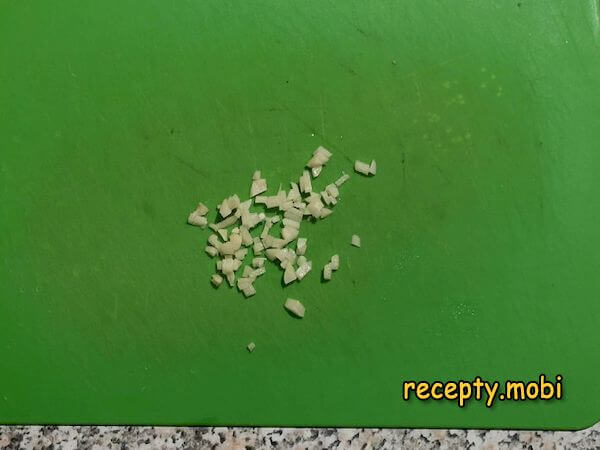
I cut the clove of garlic into small cubes.
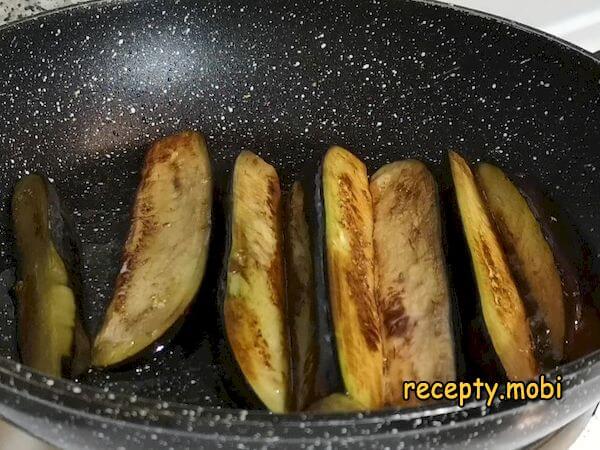
I heat the pan, add vegetable oil and lay out the eggplant sticks. I fry them on both sides until golden.
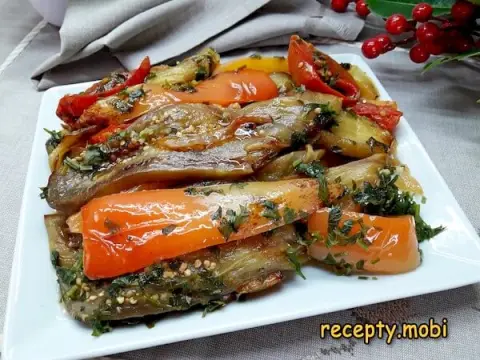
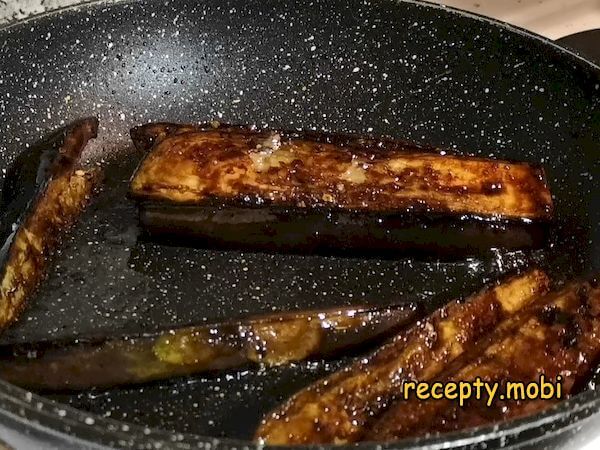
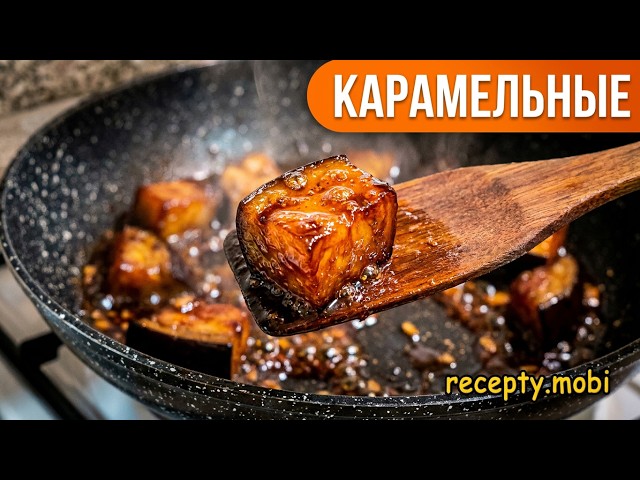
As soon as the eggplants have turned golden, I pour in the balsamic vinegar and add the sugar and salt to taste. I stir everything together. I fry until the balsamic vinegar evaporates, constantly turning the sticks. At this moment the sugar begins to "set" and caramelize on the surface of the eggplants.
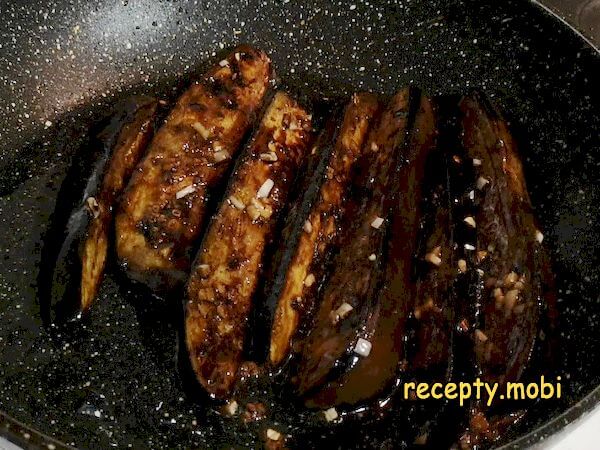
As soon as the eggplants take on a caramel shade, I add the chopped garlic and fry for one more minute at most, then remove from the heat. No longer than that – the garlic will burn and turn bitter.
I serve the caramelized eggplants at the table. If you like, sprinkle them with sesame seeds and garnish with herbs.


Tips
- 1
STICKS OF EQUAL SIZE are the key to even frying. Sticks that are too thin will burn, and ones that are too thick will stay raw inside.
- 2
BALSAMIC VINEGAR must be of good quality. A cheap "balsamic sauce" with thickeners will not give the caramelization you need.
- 3
Add the GARLIC AT THE END – it will burn within 1-2 minutes and turn into bitter black bits. This is the hallmark of the "Chinese mistake".
- 4
WATCH THE EVAPORATION of the balsamic – this is exactly the stage where caramelization happens. Do not miss the moment. A similar technique works with other caramelized vegetables.
Video
FAQ
What can replace balsamic vinegar? +
Alternatives (with nuances): wine vinegar + 1 tsp of honey (more "sour", but closer in taste), apple cider vinegar + 1 tsp of brown sugar (a fruity accent), teriyaki sauce 2 tbsp (Asian style, already sweet), narsharab pomegranate sauce (an Eastern option), a mix of balsamic sauce and soy sauce 1:1. Classic balsamic from Modena gives a unique honeyed taste – the substitutes only come close to it. The main thing is a sour base that can caramelize. Table vinegar + sugar will not do – it will be "sour and sweet", but without the signature aroma.
Which eggplant should I take? +
The best choice is a young one with thin shiny skin, firm to the touch, without blemishes. A weight of 200-300 g is ideal. A long (Italian-type) or a round one – both are suitable. Avoid: old ones with tough skin (they need peeling), soft ones with dark spots, large "puffed-up" ones (lots of seeds, little flesh). The ideal condition is 3-5 days after harvesting. Cook them straight after buying – eggplants do not like long storage and "age" quickly.
How long do caramelized eggplants keep? +
In the refrigerator in a closed container – 2 days. The next day the taste is brighter – the spices "settle in" and the balsamic soaks into the flesh even more. Reheat in a pan for 2-3 minutes, or eat them cold (also very tasty). In the microwave – be careful, they may turn "rubbery". I do not recommend freezing them – after thawing they lose their crisp crust. They are best freshly made, in the first 30 minutes. For a festive table, make them 1-2 hours before serving.
What to serve them with? +
An Asian classic: with rice (steamed), wheat or rice noodles. With meat – pork, lamb, chicken (it goes especially well with Asian meat dishes such as "kung pao chicken"). As an appetizer – with beer or dry white wine. On bread – on dark rye toast it makes an original open sandwich. In a salad – cooled eggplants + arugula + parmesan + pine nuts = Italian style. For an Asian dinner – with soy sauce and fresh cilantro. For vegans – an excellent dish on its own.
- Comment
or post as a guest
Be the first to comment.