avg —
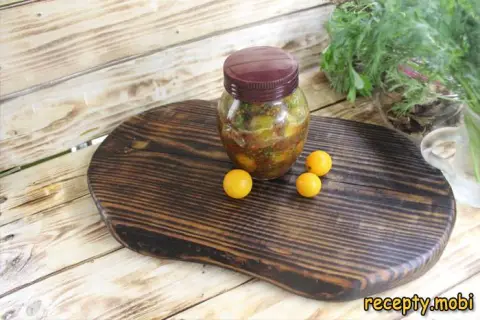
Italian Zucchini Caviar (Caviale di zucchine)

Instructions
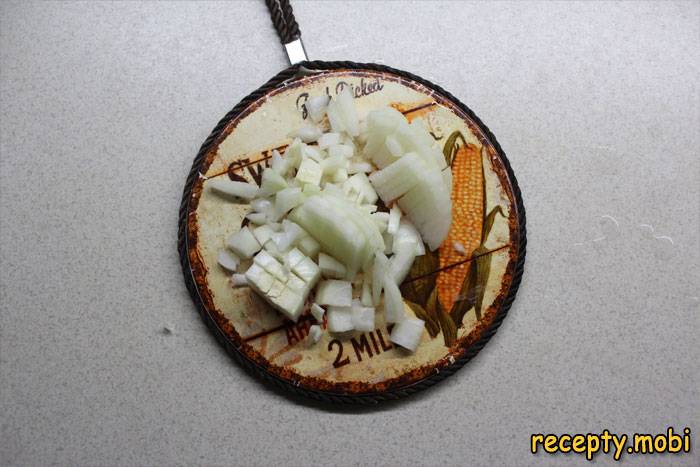
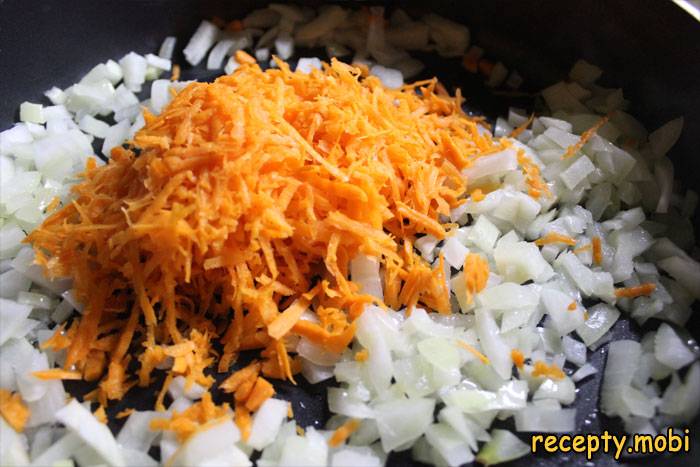
Chop the peeled onions into small cubes, 4–5 mm. The fine dice is needed so that the onion dissolves into the finished caviar without leaving crunchy fragments.
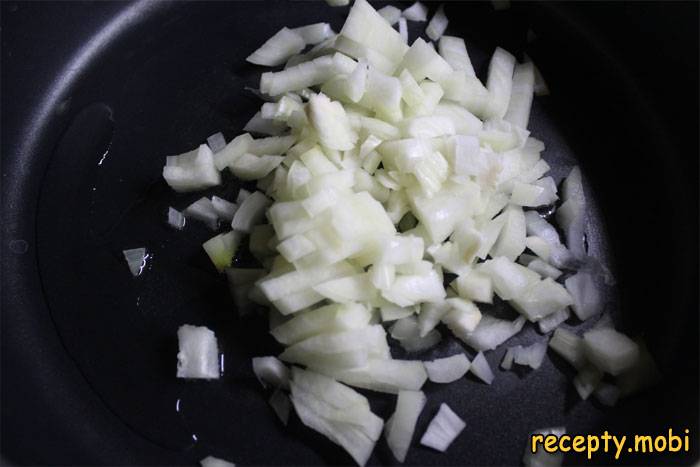
Saute the onion until transparent in extra virgin olive oil for 5–7 minutes over medium heat – it is the olive oil that gives the dish its distinctive Italian character. I do not recommend using sunflower oil.
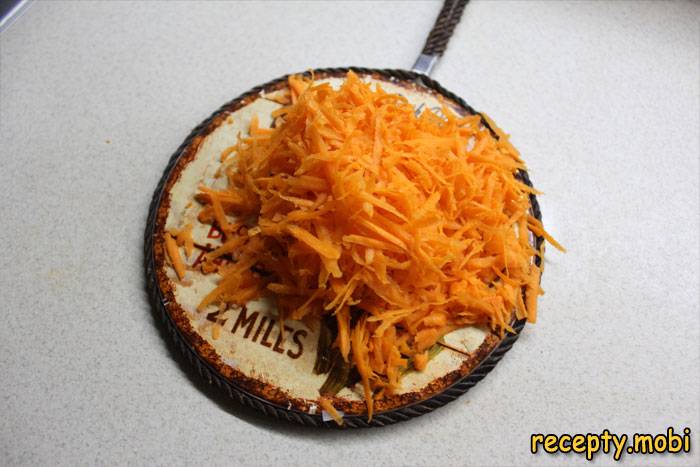
Grate the carrot coarsely on a coarse grater – this way it releases its juice and sweetness, yet keeps small fibres for an interesting texture.
Saute the carrot together with the onion for 5–7 minutes until completely soft. The vegetables should caramelise slightly – this is the base of the caviar's deep flavour.
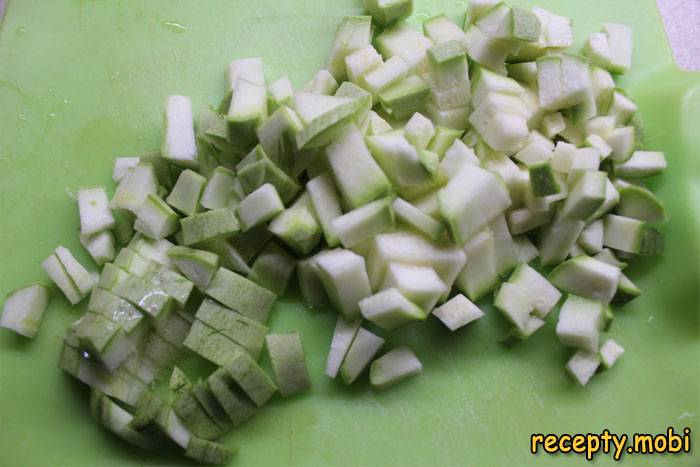
Add the zucchini, cut into small cubes, to the vegetables. Cook for 15–20 minutes until all the excess moisture has evaporated from the zucchini. Zucchini is 95% water – it is important to cook this off, otherwise the caviar will be runny.
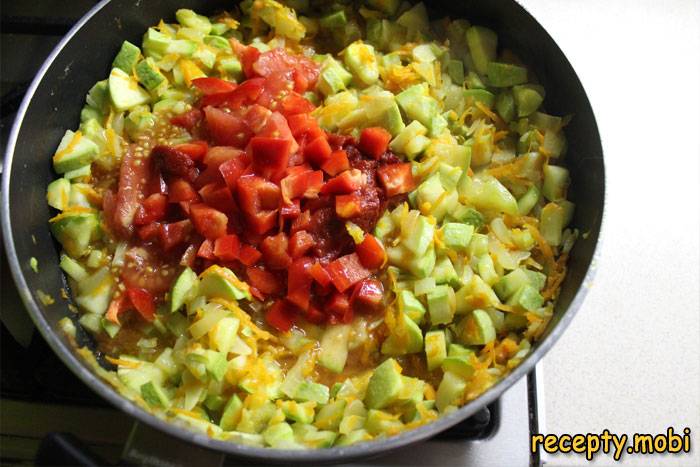
Add the chopped skinless tomatoes (scald them with boiling water beforehand and peel off the skins), the chopped bell pepper and the tomato paste. Cook for 10 minutes until all the vegetables are soft. At the end, season with salt and pepper to taste. You can add Italian herbs – oregano and basil.
Serve the fragrant zucchini caviar chilled with dark bread, crostini or fresh rolls. If you like, blitz it with a blender for a smooth, "shop-bought" consistency.



Tips
- 1
For a shop-bought consistency, blitz the caviar with a blender at the very end of cooking. You will get a smooth, silky texture.
- 2
Add dried Italian herbs – basil, oregano and thyme – for an authentic Mediterranean flavour.
- 3
To preserve it for winter, sterilise the jars for 15 minutes in a pan of hot water. Aubergine caviar is made on a similar principle.
- 4
Young zucchini and courgettes do not need to be peeled – the skin is thin and tender and gives the caviar a lovely colour.
FAQ
How long does zucchini caviar keep? +
In sterilised jars kept in a cool, dark place – up to a year. Once a jar is opened, store it in the refrigerator for 7–10 days. In the refrigerator without sterilising (an ordinary airtight container) – up to 3 weeks. Signs of successful preserving: a bright colour, a tightly sealed lid and a fresh tomato aroma. Signs of spoilage: mould, a sour smell or a bulging lid – throw such jars away immediately and do not try to save them.
Can I freeze zucchini caviar? +
Yes, the caviar freezes very well and keeps almost all of its qualities. Pack it into small portion containers or zip-lock bags – 200–300 ml each. It keeps in the freezer for up to 6 months. Thaw it slowly in the refrigerator (12–24 hours) or in the microwave. After thawing, stir it gently – the components may separate. Freeze it in portions you will use straight away, as it must not be refrozen.
What can I use instead of tomato paste? +
Use more fresh, meaty tomatoes (twice as many) or ready-made tomato sauce (with no additives). The flavour will be a little milder and less concentrated. In tomato season, use only fresh ones – they give the brightest aroma. In winter, tomato paste is indispensable – it gives the necessary thickness and rich colour. You can also use sun-dried tomatoes in oil (50 g); they add an interesting "Italian" accent.
- Comment
or post as a guest
Be the first to comment.