avg —
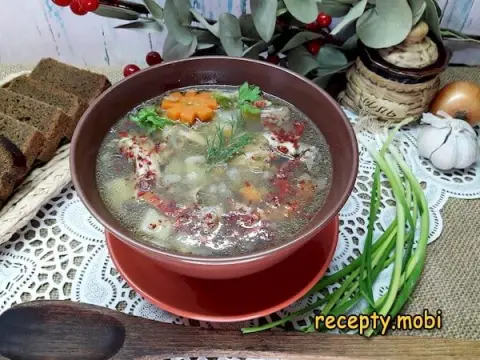
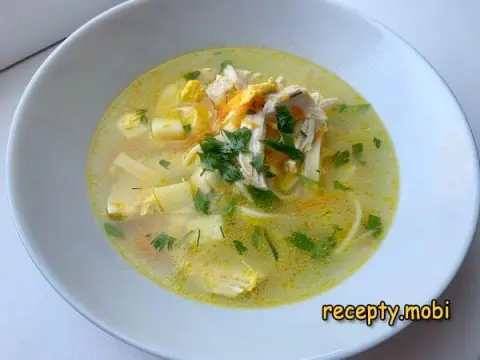
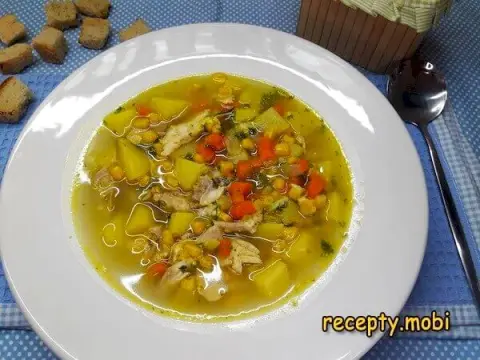
Chicken Soup with Frozen Vegetables and Potatoes

Instructions
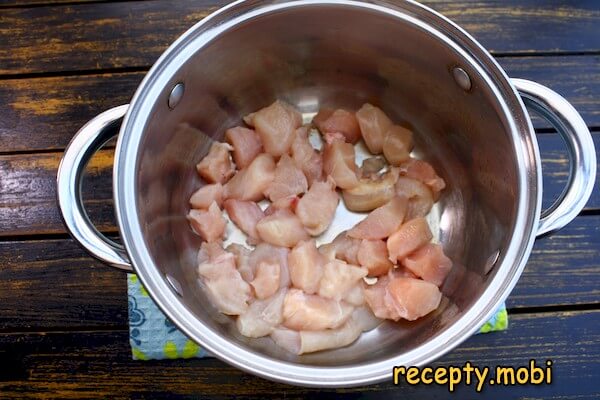
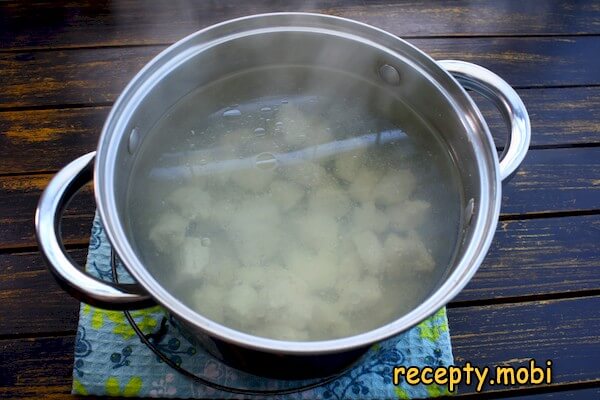
Cut the chicken breast into thin, evenly sized strips and place in a pot. Do not rinse raw chicken; wash your hands and clean utensils after handling it.
Pour 1.5 litres of water over the chicken. Bring to a boil, then reduce to a steady simmer.
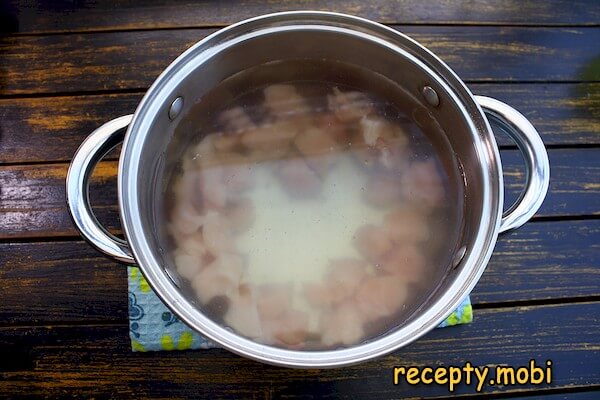
Simmer the chicken for 10 minutes from the point the water reaches a simmer. Skim any foam from the surface if desired.
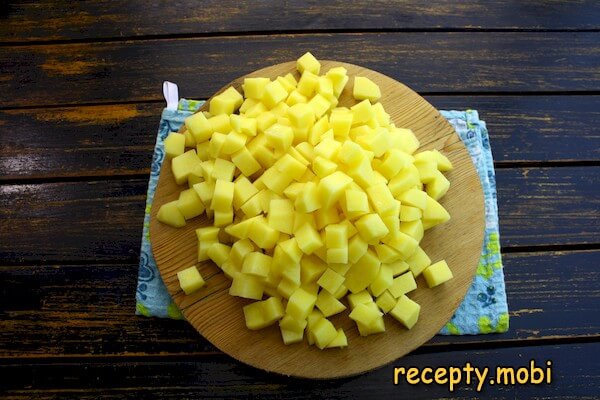
Meanwhile, peel the potatoes and cut into small, evenly sized cubes.
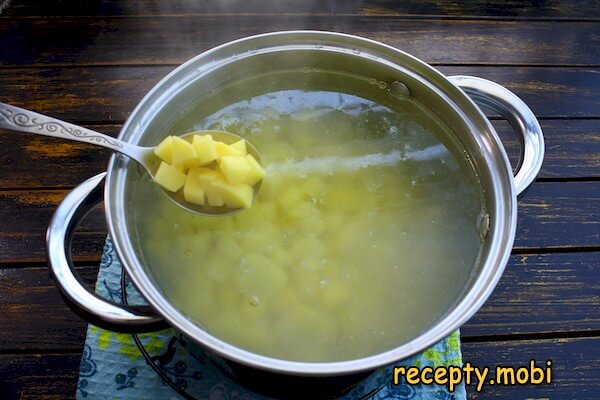
Add the potatoes to the pot. Simmer for about 15 minutes, checking that the cubes are becoming tender.
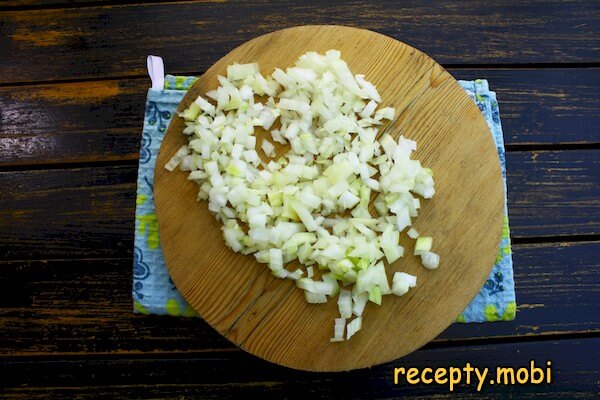
Peel and dice the onion while the potatoes cook.
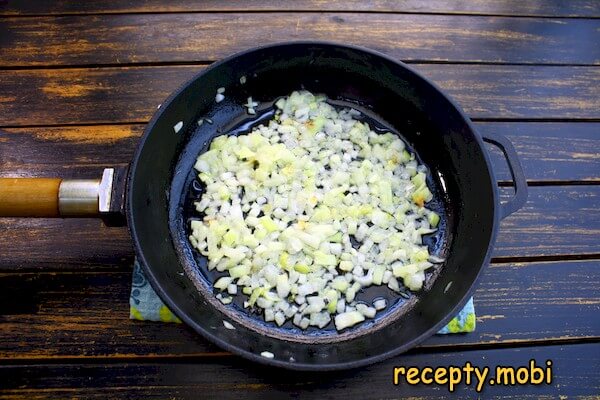
Heat the vegetable oil in a skillet. Add the onion and cook, stirring, until softened and lightly golden.
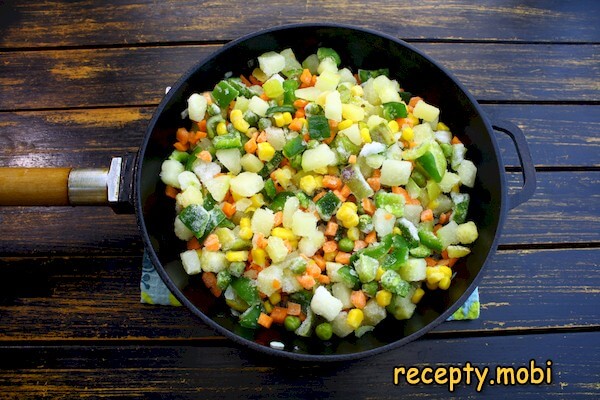
Carefully add the frozen vegetables to the skillet. Add them gradually if there is loose ice, as water can make hot oil splatter.
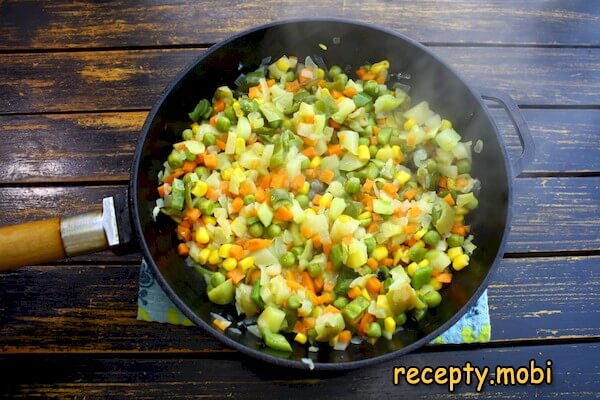
Cook the vegetables with the onion for 3-4 minutes, stirring. This is a preliminary cooking stage; finish cooking them in the soup according to the package guidance.
Transfer the vegetables and onion to the soup pot.
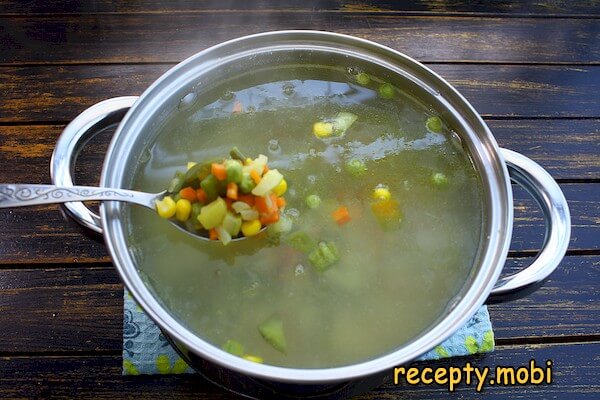
Season with salt and the pepper mixture. Stir and bring back to a simmer.
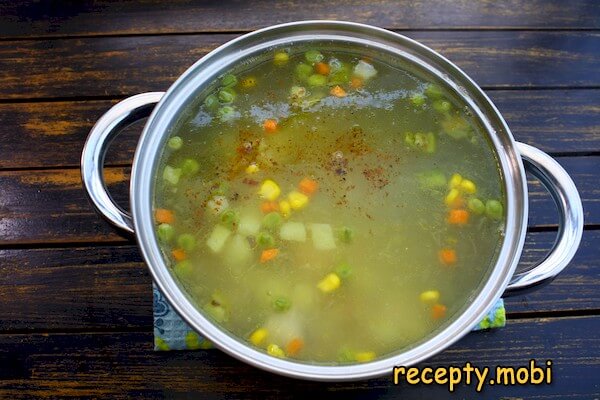
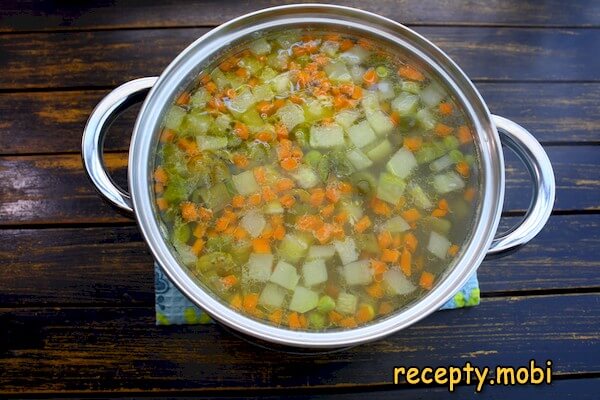
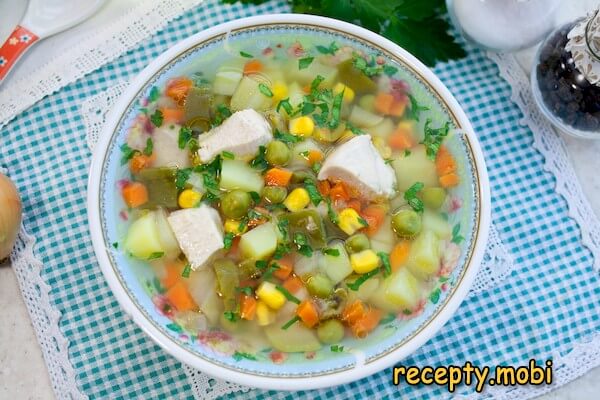
Simmer for about 5 more minutes, or until all vegetables are tender and the chicken reaches 165°F (74°C) in its thickest part. Larger vegetable pieces may need longer. Garnish with chopped parsley when serving.


Before You Start
Frozen vegetables save chopping time, while potatoes make the soup more substantial. The onion and vegetable mix are briefly cooked in a skillet before going into the pot. Prepare them while the chicken and potatoes simmer to keep the cooking time close to the estimate.
Choosing a Frozen Vegetable Mix
Use an unseasoned mix of carrots, peas, sweetcorn, green beans or small cauliflower florets. Large broccoli or cauliflower pieces may take longer than peas and corn. Follow the cooking instructions on the bag rather than assuming every mix cooks in five minutes.
Can You Add Rice or Noodles?
Rice and noodles absorb broth and need their own cooking time. For a simple variation, cook them separately and add a small amount to each bowl. This avoids changing the timing of the base soup or thickening the whole pot overnight.
For more meal ideas, see 28 chicken recipes for lunch and dinner.
FAQ
Do I need to thaw frozen vegetables first? +
Usually not for this method. Add them carefully to the skillet and follow their package cooking instructions. Break up large frozen clumps before adding them to avoid uneven cooking.
Can I use leftover cooked chicken? +
Yes, if it has been cooled promptly and stored safely. Cook the potatoes and vegetables first, then add the cooked chicken and heat it thoroughly to 165°F (74°C). Its previous storage time still counts.
Can I use stock instead of water? +
Yes. Use the same volume of stock and season near the end, since stock may already be salty. Prepared stock is optional, not a required ingredient in the photographed recipe.
How long does chicken vegetable soup keep? +
Refrigerate in shallow containers within 2 hours, or within 1 hour in temperatures above 90°F (32°C). Keep at 40°F (4°C) or below and use within 3-4 days. Reheat soup to a rolling boil; potatoes may soften after freezing.
- Comment
or post as a guest
Be the first to comment.