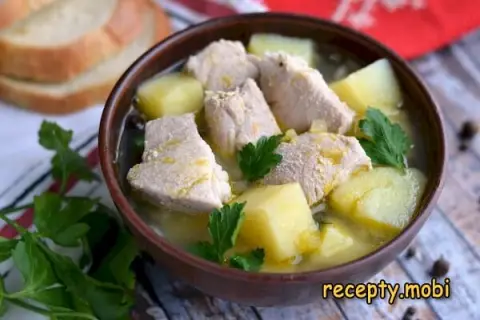
Bean Soup in the Oven – Recipe and Preparation

Ingredients

Show ingredients
- 0.3 kg of pork;
- 1.5 cups of red beans;
- 7 medium potatoes;
- 1 large onion;
- 2 small carrots;
- 1 bell pepper;
- salt, pepper, spices - to taste;
- herbs.
What kind of beans is best to use for the soup?
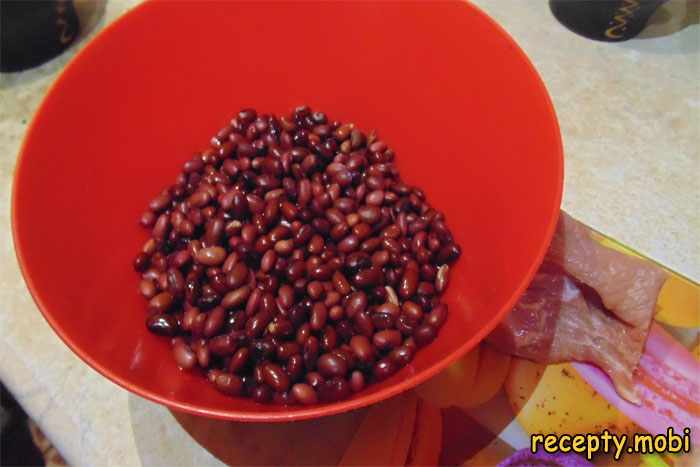
It's a matter of personal preference, I personally prefer red beans. White small beans cook faster, but they have a less intense flavor. (They are recommended more often by chefs). I took red small beans.

Preparation
1. We start the preparation of the soup with the beans. They need to be soaked in cold water beforehand, preferably the night before, so that the beans become soft and cook faster. (Cooking dried beans takes a lot of time, and this dish also causes increased gas formation in the intestines).
2. Then cook the beans for about 1 hour, so they are softer.
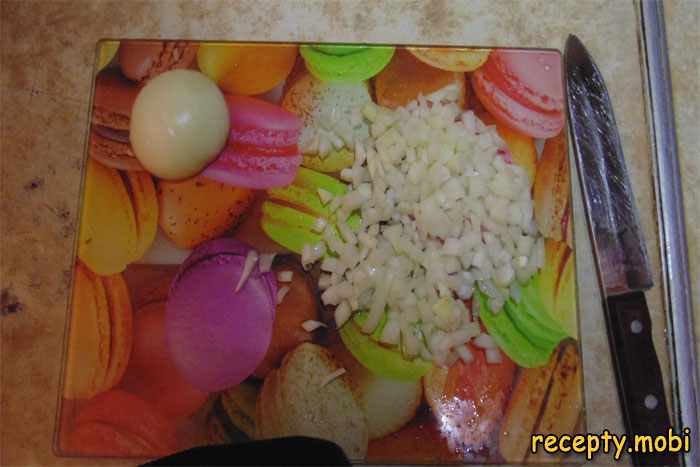
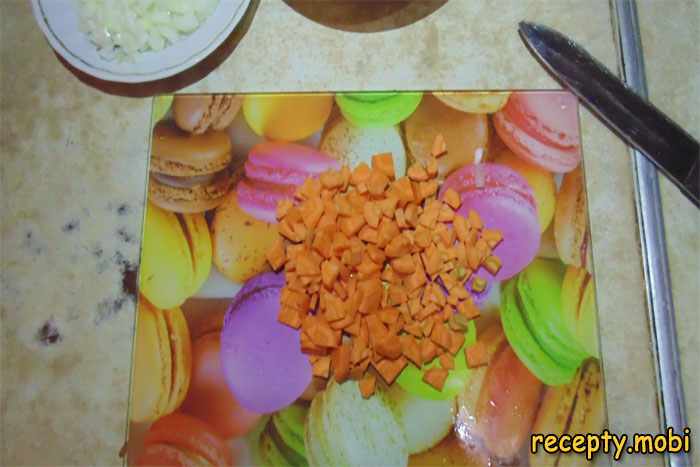
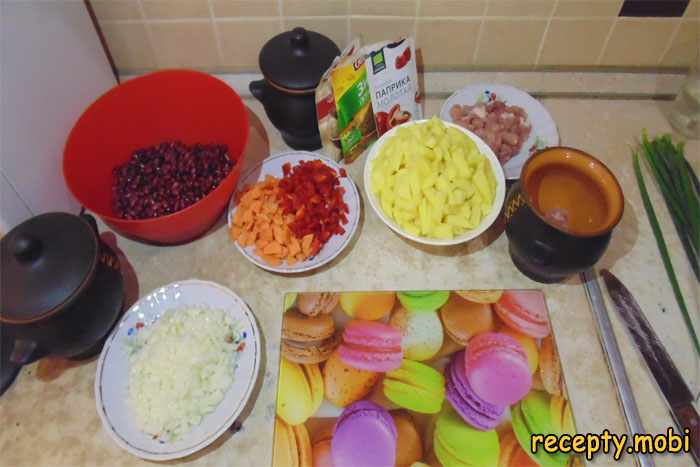
3. Next, let's prepare the vegetables. We wash and peel the carrots, onions, potatoes, and pepper.
4. The next step is to finely chop the carrots, peppers, and onions. (To make the soup not too fatty, I do not sauté the vegetables but immediately place them raw in the pot).


5. Prepare the meat. It is not recommended to wash meat before cooking. Cut the pork into small pieces.

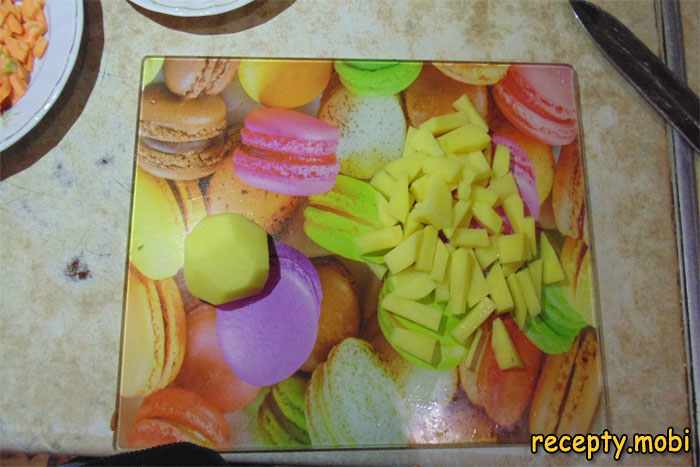
6. Cut the potatoes into medium slices, not too small. Everything is ready, now we just need to place everything in the pot.

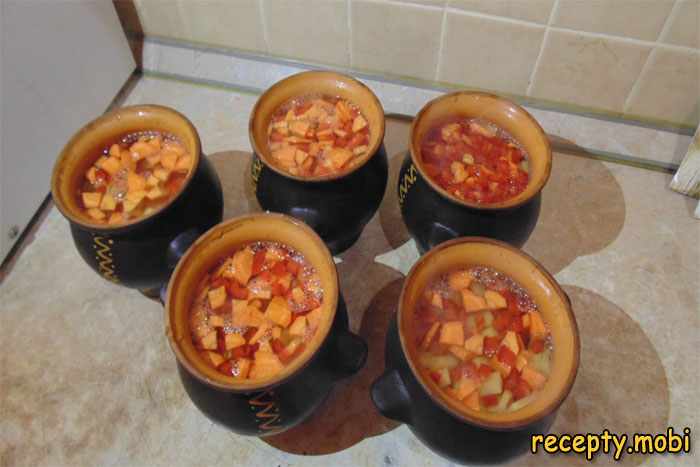
7. Distribute all the ingredients evenly among the five pots. Place the meat at the bottom, then chopped onions and beans, after that sprinkle with salt, pepper, and spices (I used the essential ones for me: cumin, paprika, black pepper (these spices give the soup a unique taste and aroma, an additional note of spiciness). Then place the potatoes, carrots, and peppers.


8. To preserve the meat's flavor, pour boiling water into the pot and place it in the oven, preheated to 220 degrees, for about 10-15 minutes, then reduce the temperature to 180 and cook for 40 minutes.

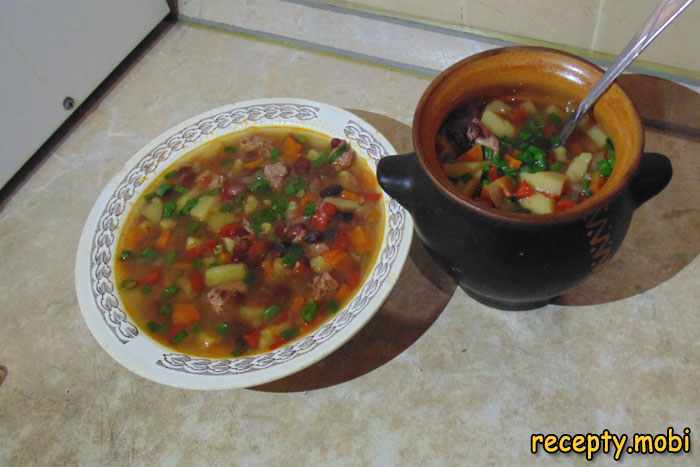
9. After the specified time is up, take the bean soup out of the oven, sprinkle with herbs, and serve hot.

Cook bean soup in the oven using our recipe. Enjoy your meal!
Tips and Tricks
Tip 1. Soak beans overnight for best finished texture. Unsoaked beans require excessive cooking time; properly overnight cold-water soaked red beans produce the proper signature tender quick-cooking character authentic to traditional Russian-Slavic bean-soup preparations. The soaking technique matters more than home cooks typically realize for finished soup-quality and overall family-meal success consistently across batches reliably across various weekday meal occasions throughout the year for proper traditional results consistently.
Tip 2. Pre-soak clay pots in cold water for proper finished texture. Dry clay pots can crack and produce uneven cooking; properly 15-20 minute cold-water-soaked clay pots (pores fully water-filled) produce the proper signature evenly-cooked character authentic to traditional Russian-Slavic clay-pot preparations. The same pot-soaking principle elevates many clay-pot preparations including homemade bread-accompanying soup applications across various traditional international culinary occasions throughout the year reliably.
Tip 3. Use two-stage baking temperature for proper finished texture. Single-temperature baking produces uneven results; properly two-stage (220 degrees for 10-15 min, then 180 degrees for 40 min) produces the proper signature properly-cooked character authentic to traditional Russian-Slavic clay-pot preparations. The patient temperature-staging principle pays back significantly in finished soup-quality consistently across batches and various clay-pot preparations throughout the year for proper traditional results worth showcasing reliably across various family-meal occasions for proper home-cooking results.
Tip 4. Pair the finished bean soup with traditional accompaniments for proper presentation. Serve hot from clay pot sprinkled with fresh herbs, alongside crusty bread, sour cream for substantial Russian-Slavic dinner spreads, or with pickled vegetables for elegant family-meal presentations worth showcasing across various entertaining occasions reliably. Pair with crusty homemade bread for substantial dinner spreads throughout the year for proper traditional results worth showcasing reliably across various family-meal occasions throughout the year.
FAQ
Can I use white beans?
Yes, white beans, black beans, navy beans, cannellini, or chickpeas all work beautifully as substitutes for red beans. Each option produces distinct character: red beans provide classic earthy character with intense flavor, white beans cook faster with milder flavor, black beans add Latin-American character, navy beans add traditional New England touch, cannellini provides Italian elegance, chickpeas add Middle Eastern depth. Adjust cooking time per bean variety. Mix and match beans for endless variations across various traditional bean-soup traditions throughout the year for proper personalized finished results consistently.
How long does this soup keep?
Stored covered in the refrigerator, the soup keeps for 4-5 days at peak quality. The flavors deepen and improve over the first 24 hours as components marry beautifully. Reheat gently in pot or oven to preserve texture. The soup freezes adequately for up to 3 months — thaw in refrigerator overnight before reheating. Best consumed within 3-4 days for the brightest most appealing finished results across multiple meal applications throughout the year reliably across various family-meal occasions throughout the year for proper traditional Russian-Slavic character preserved properly.
Can I use beef instead of pork?
Yes, beef, lamb, chicken, or vegetarian (omit meat) all work beautifully as substitutes producing equally delicious results. Each option produces distinct character: pork provides classic juicy character, beef adds rich heartiness, lamb adds traditional Central Asian depth, chicken provides leaner option, vegetarian provides bean-protein-focused alternative. Adjust cooking time slightly per protein. Mix and match meats for endless variations across various traditional bean-soup traditions throughout the year for proper personalized finished results consistently across various dietary preferences.
Why are my beans still hard?
Three usual causes: insufficient soaking time, salt added before beans soften, or cooking temperature too low. Address proper overnight cold-water soaking, salt addition only after beans are tender, and adequate baking temperature (220 degrees initial then 180 for 40 minutes) for consistently tender results. The combination of proper soaking, late salting, and accurate temperature produces dramatic tenderness-quality reliably across various Russian-Slavic bean-soup preparation sessions throughout the year for proper traditional results consistently.