avg —
Green Borscht in a Multicooker

Instructions
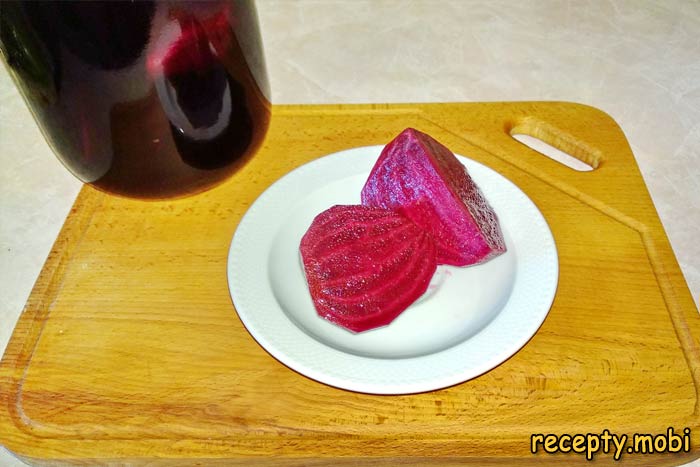
I prepare the fermented beet in advance: I put a peeled beet (whole or cut in half) into a glass jar, fill it with cold boiled water, and leave it in a warm place for 5–6 days until ready. The finished fermented beet is slightly firm, the water turns a deep burgundy colour and becomes a little tart – the sign that it is ready. It keeps in the refrigerator for up to a month.

After 5–6 days the beet is ready. I take the finished fermented beet out of the jar – it should be burgundy, firm, and slightly tart to the taste. I keep the beet kvass (the brine) – it will be needed for the borscht. The finished beet keeps in the jar in the refrigerator for up to a month without losing quality.
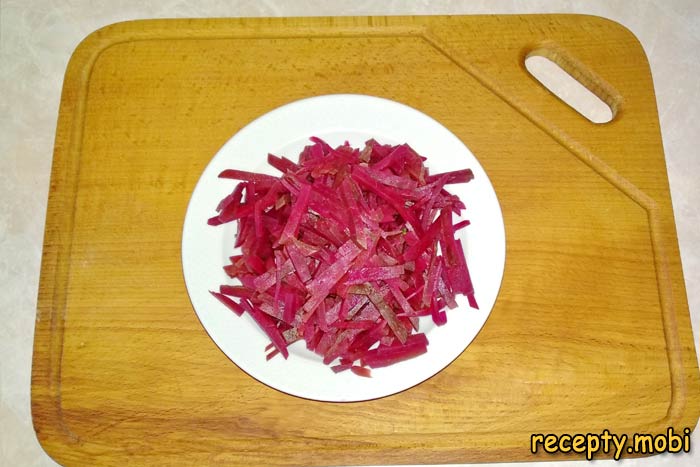
I cut the finished fermented beet into thin strips, 3–5 mm – the classic cut for Russian and Ukrainian borscht. Strips work better in the soup and look more attractive in the finished dish than cubes. A sharp knife is essential for a neat cut.
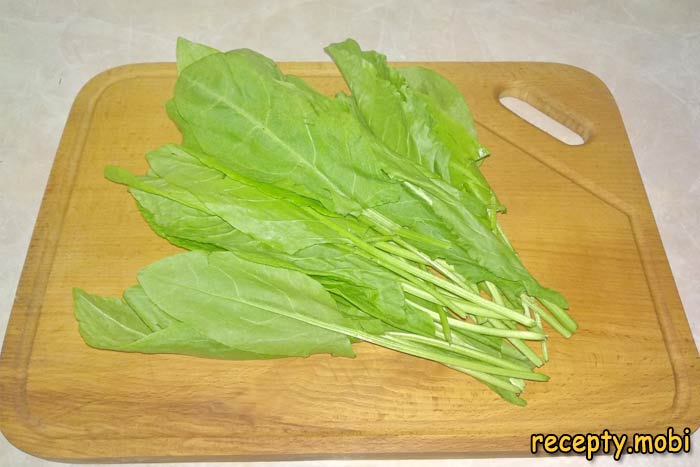
I carefully sort through the fresh sorrel (350 g), removing any yellow or spoiled leaves. I put it in a large bowl of cold water and let it stand for 1–2 minutes – the sand and dirt settle to the bottom. IMPORTANT: do not pour the water out through the bottom of the bowl, or the sand will end up back on the leaves. I gently lift the sorrel out by hand or with a slotted spoon.
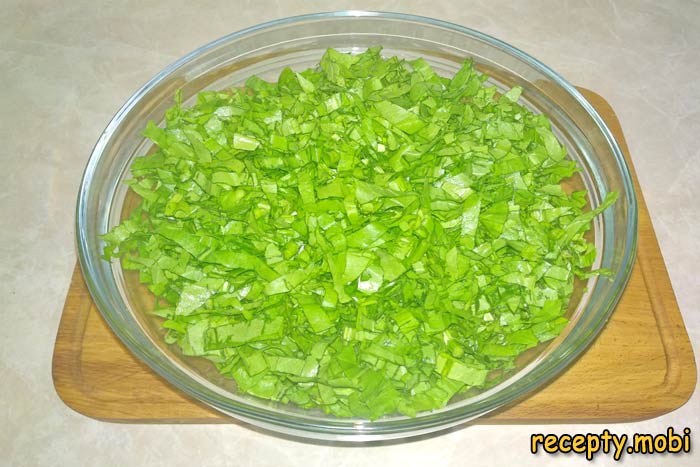
I drain the sorrel in a colander to let the water run off, then finely shred it into narrow strips, 3–5 mm. A thin cut works better in the soup – it cooks quickly and distributes evenly. Remove any coarse stems – they are tough and unpleasant to eat.
I prepare the root vegetables: carrot (1 pcs), parsley (4 sprigs), celery (30 g) – they give the characteristic root-vegetable aroma of Russian borscht. Without these roots the soup will be ordinary and less deep in flavour.
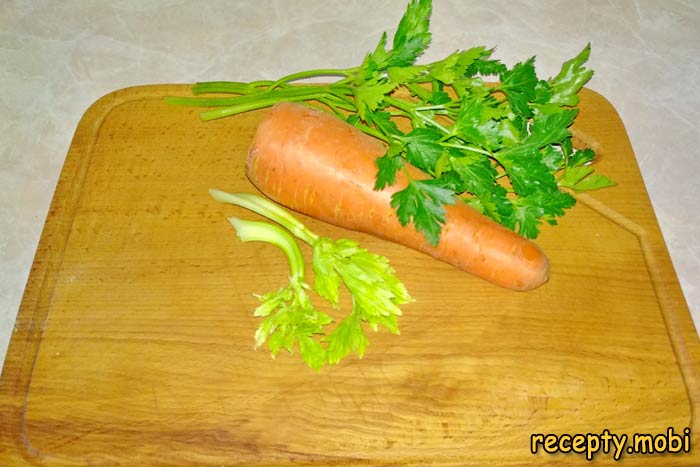
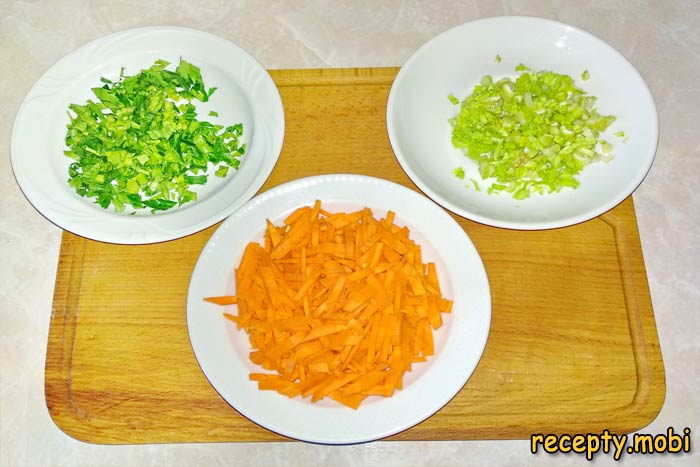
I finely chop the fresh parsley and celery with a knife, and cut the carrot into thin strips, 3–5 mm – the same size as the beet, for a harmonious look in the soup. I thoroughly mix all the chopped vegetables together in a bowl.
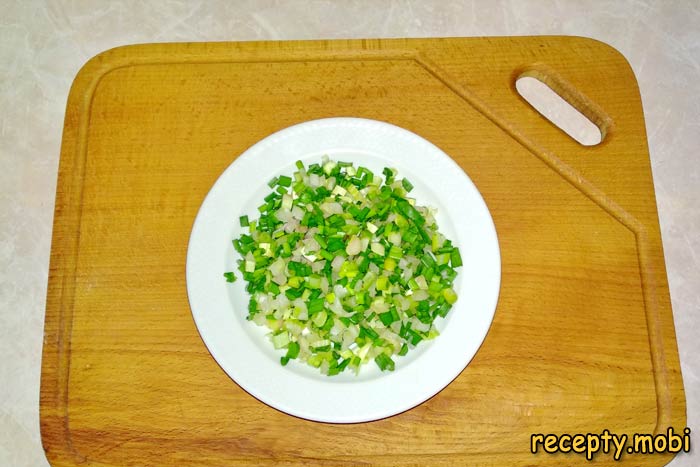
I wash the green onion (1 bunch) thoroughly and finely chop it into rings, 2–3 mm – it gives freshness and aroma. Green onion is added at the very end of cooking to preserve its green flavour and vitamins – with long cooking it loses its colour.
I prepare the meat for the borscht – beef (800 g) on the bone (the hill, the “top of the back”) or boneless. I wash it thoroughly under cold water, pat it dry with a paper towel, and cut it into portion-sized pieces, 4–5 cm. Pork ribs also work for a richer version, or chicken for a lighter one.

I put all the prepared ingredients into the multicooker pot: the meat on the bottom, then the potatoes, carrot, root vegetables, shredded beet, and sorrel on top. I pour in warm water (2 l). For the characteristic beet note and a rich burgundy colour, I add 100 ml of beet kvass (the brine from the fermented beet). I set the “Cook” mode for 10–15 minutes, bring it to the boil, open the lid, and carefully skim off the foam with a slotted spoon – this is the protein and impurities from the meat. I add salt to taste. Then I close the lid and seal the valve.
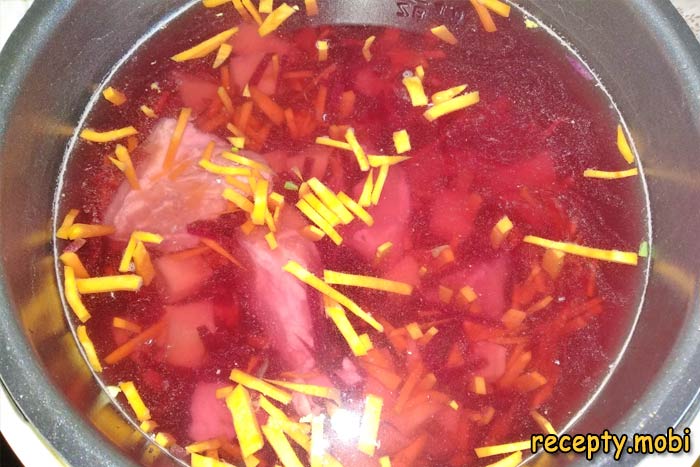
I cook the borscht with the valve closed for 40 minutes on the “Pressure” mode. After the ready signal I switch the multicooker off, but I do NOT open the lid straight away – I let it rest for another 10–15 minutes under pressure, until the steam settles on its own. This is the secret to tender meat and a rich aroma. The fresh and incredibly aromatic borscht is ready!

In parallel I hard-boil an egg (10 minutes after it comes to the boil), peel it, and finely chop it with a knife. On the stove, many cooks add a raw beaten egg in a thin stream 5 minutes before the end (it forms egg flakes in the soup). In a multicooker this option does not work because of the closed lid – so we use a ready boiled egg.
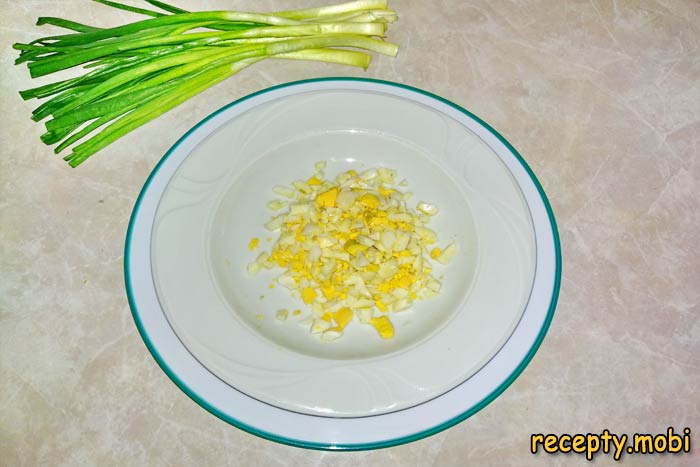
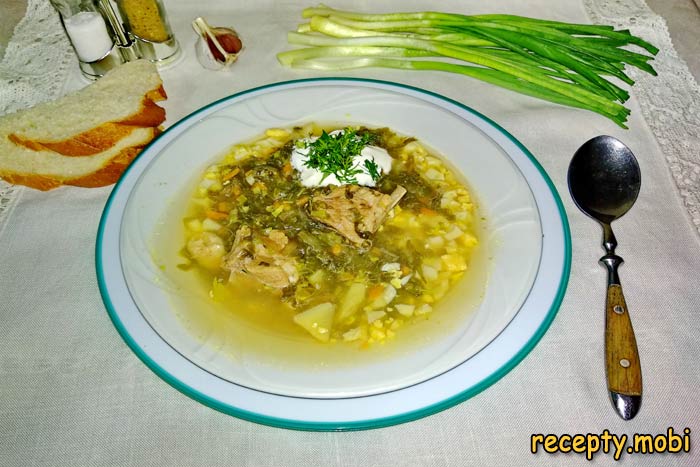
I ladle the finished green borscht into deep bowls, adding to each a tablespoon of homemade sour cream, the chopped egg, and a pinch of finely chopped green onion. I put salt and ground pepper separately on the table – everyone seasons to their own taste. The green borscht with sorrel in a multicooker is ready!


Tips
- 1
Use specifically fermented beet together with its beet kvass – it gives that characteristic slightly sweet-and-sour undertone that balances the acidity of the sorrel.
- 2
Rinse the sorrel in a large bowl of water – the sand settles to the bottom. Do not pour the water out through the bottom; gently lift the greens out by hand or with a slotted spoon.
- 3
You can add young nettle (50–100 g) to the sorrel – it gives extra vitamins and benefit. Following a similar principle, I make classic green borscht on the stove.
- 4
Always serve it with a boiled egg and sour cream – this is the classic Russian and Ukrainian way to serve green borscht.
FAQ
Can green borscht be made without fermented beet? +
Yes, you can use ordinary fresh boiled or baked beet – a simplified version. But the taste will be quite different, without the characteristic sweet-and-sour beet note. Alternatives to replace the kvass: apple cider vinegar (1 tbsp) or lemon juice (2 tbsp) – they add tartness. Sauerkraut (200 g) also works – it gives a similar fermented note. Without the beet component the borscht remains a green sorrel soup – still tasty, but less Russian in flavour. Fermented beet is the heart of an authentic green borscht.
What can replace sorrel in borscht? +
Fresh sorrel is the basis of green borscht. Alternatives (if you have none): tinned sorrel in jars (200 g, ready to use), young nettle (200 g – scald it with boiling water before using to remove the stinging hairs), young spinach (300 g – less sour, add 1 tbsp of lemon juice for tartness). For a mixed version – a blend of sorrel, spinach, and nettle, 50/30/20%. The main thing is that you need a green sour component. Without any greens you get an ordinary vegetable borscht. In winter you can use frozen sorrel – also a good option.
How long does ready green borscht keep? +
Ready borscht keeps in the refrigerator for up to 3 days in a tightly closed pot. On the second day the taste becomes richer – the flavours combine. Before serving, reheat it over low heat or in the microwave until thoroughly warmed. Do not bring it to a hard boil repeatedly – it spoils the taste. You can freeze it in portions for 1–2 months – before eating, thaw it completely in the refrigerator and bring it to the boil. It is ideal for making ahead in spring – freeze fresh sorrel for winter soups.
What to serve green borscht with? +
Classically with homemade sour cream (1 tbsp per bowl), a boiled egg, finely chopped green onion, and fresh parsley. For starters – dark Borodinsky bread with butter, or homemade pies with cabbage or meat. For drinks – kvass, cranberry fruit drink, light beer (for a hearty lunch), or a berry compote for a non-alcoholic option. For a family lunch in spring – with new potatoes boiled in their skins, poached fish, and garden greens. It is ideal in April and May, when the first sorrel and greens appear after winter – a spring vitamin soup for the whole family.
- Comment
or post as a guest
Be the first to comment.