avg —
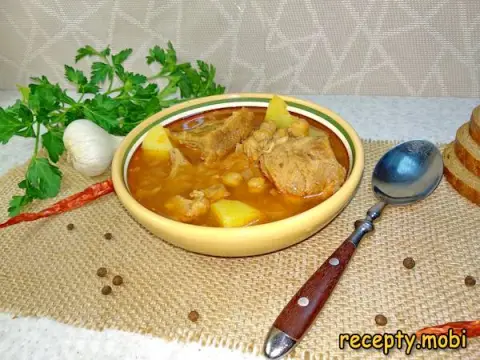
Leningrad Rassolnik with Beef, Barley and Pickles

Instructions
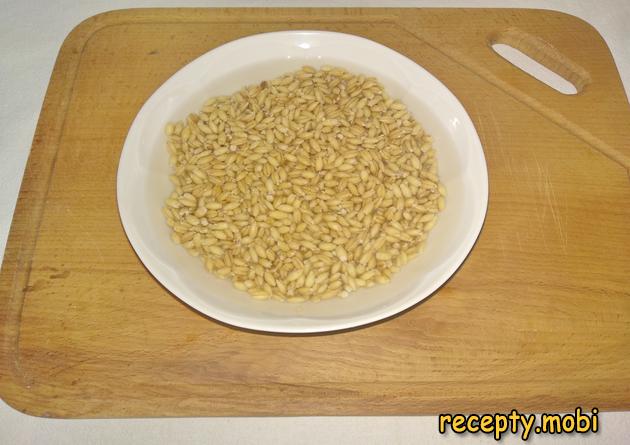
Soak the barley. Rinse the grains until the water is clear, place them in a large bowl and cover generously with cold water. Leave for 6-8 hours or overnight. The barley will expand, so allow plenty of room in the bowl.
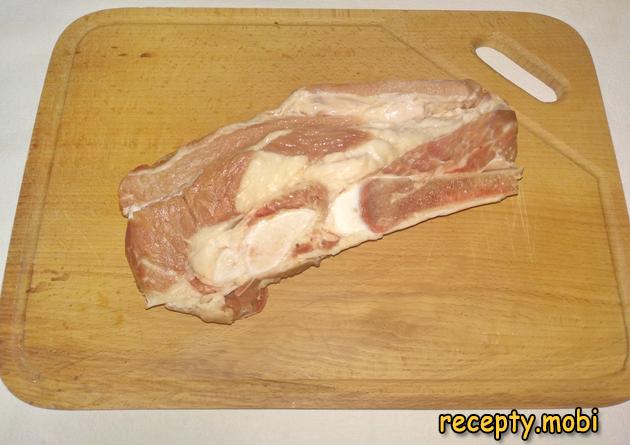
Prepare the beef. For rich stock use brisket, shoulder or another bone-in cut. Rinse it, inspect the cut surfaces and remove any small bone fragments.
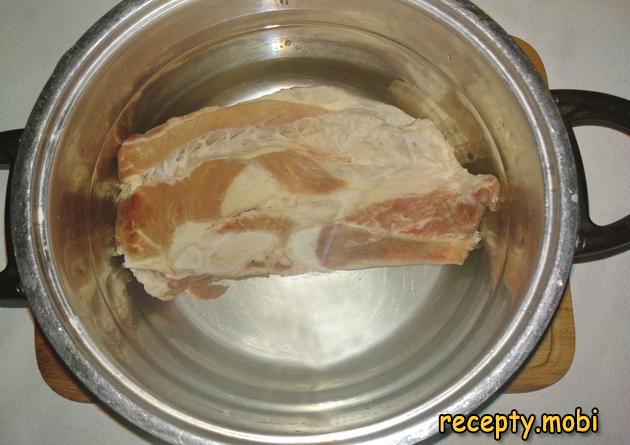
Make the stock. Put the beef in a pot and add 3 litres cold water. Bring it slowly to a boil, skim thoroughly and reduce the heat. Simmer very gently for 60 minutes without sealing the pot with a lid.
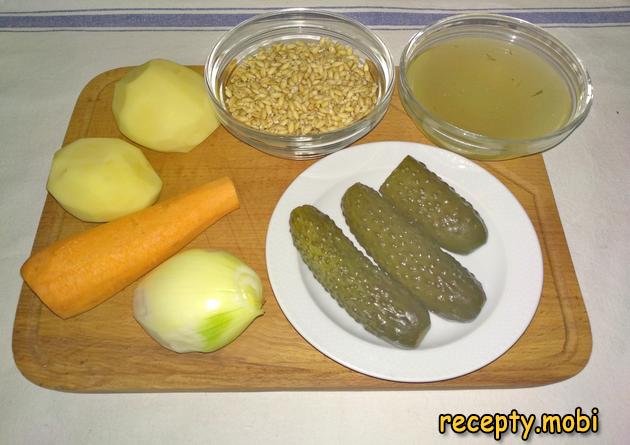
Prepare the remaining ingredients. Wash and peel the potatoes, carrot and onions. Measure the brined pickles and their brine. Rinse the parsley and peel the garlic.
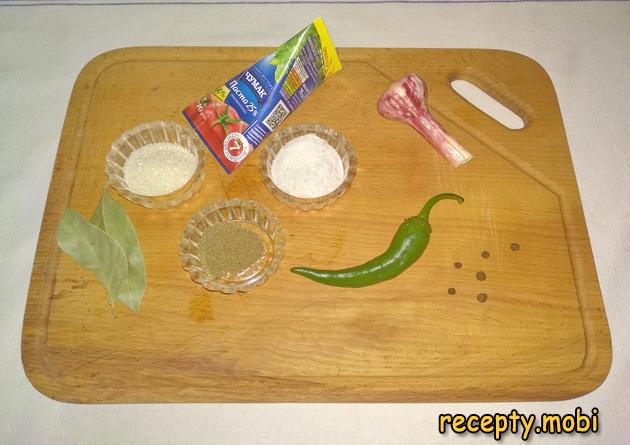
Measure the seasonings. Set out the tomato paste, bay leaves, pepper and sugar. Keep the salt aside for now because the pickles and brine already contain plenty.
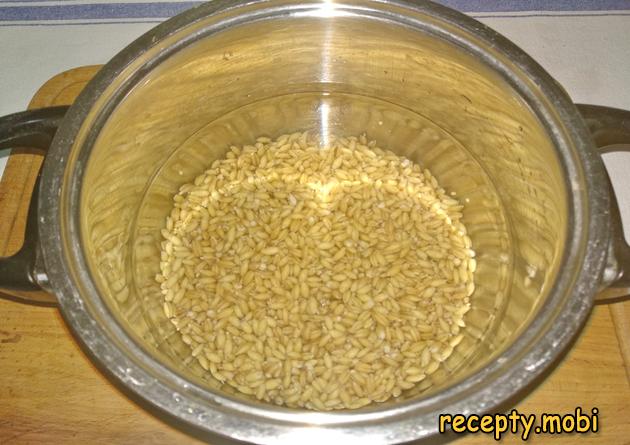
Cook the barley separately. Drain the soaking water and rinse the barley again. Cover with fresh water, bring to a boil and cook for 50-60 minutes until tender. Separate cooking keeps the meat stock cleaner.
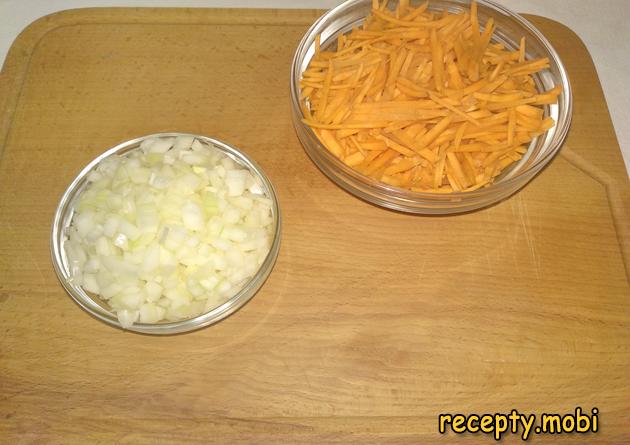
Cut the onions and carrot. Dice the onions into medium pieces. Cut the carrot into fine strips or grate it coarsely. Very finely grated carrot can disappear into the soup.
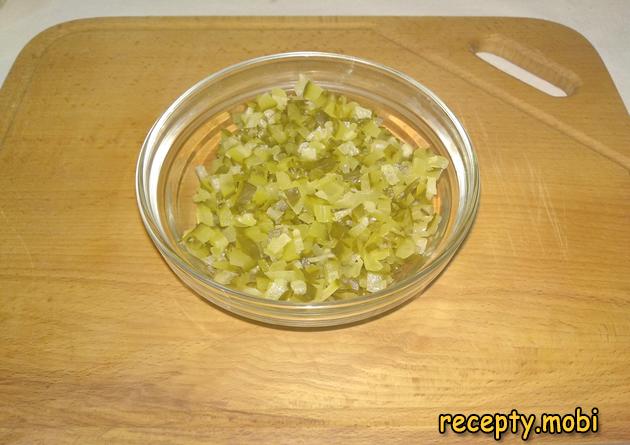
Dice the pickles. Cut the brine-fermented pickles into small dice. Keep any juice released on the board and add it to the measured cucumber brine.
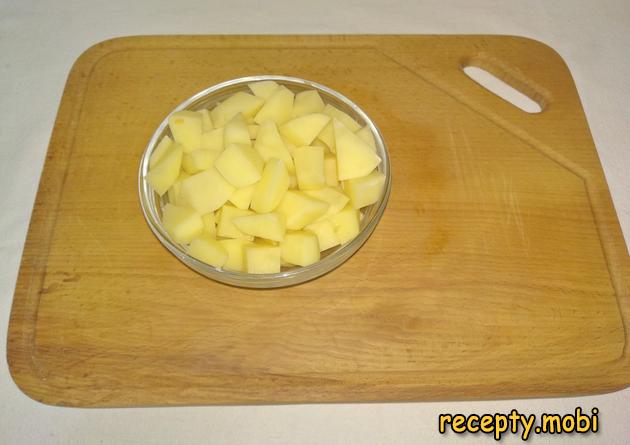
Cut the potatoes. Cut them into cubes about 1.5 cm across. If the stock is not ready, keep the cubes in cold water to prevent surface discolouration.
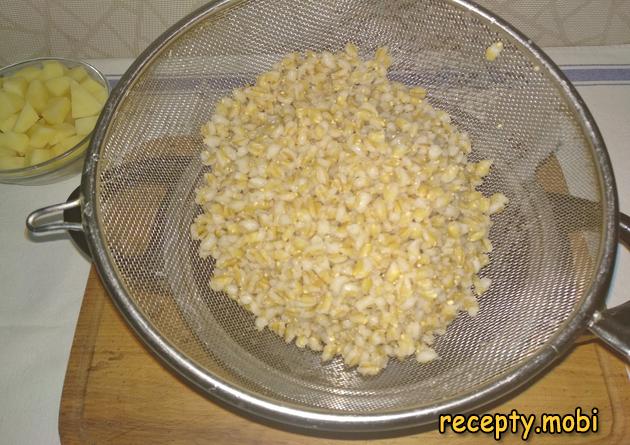
Rinse the cooked barley. Drain the tender grains in a sieve and rinse them with hot water. Let them drain completely so excess starch does not make the soup gluey.
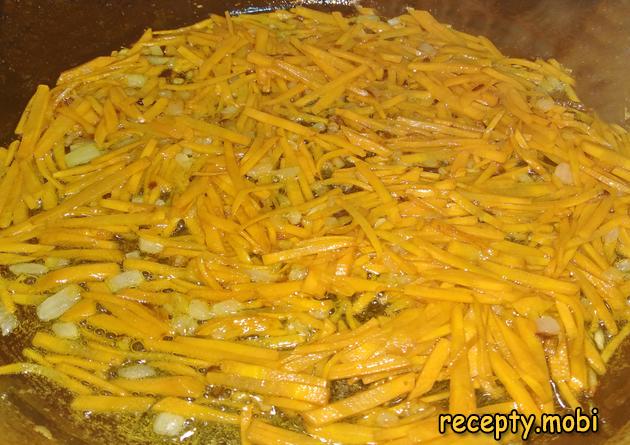
Soften the vegetables. Heat the oil over medium heat. Cook the onions for 4 minutes until translucent. Add the carrot and cook for another 6-7 minutes, stirring occasionally and avoiding deep browning.
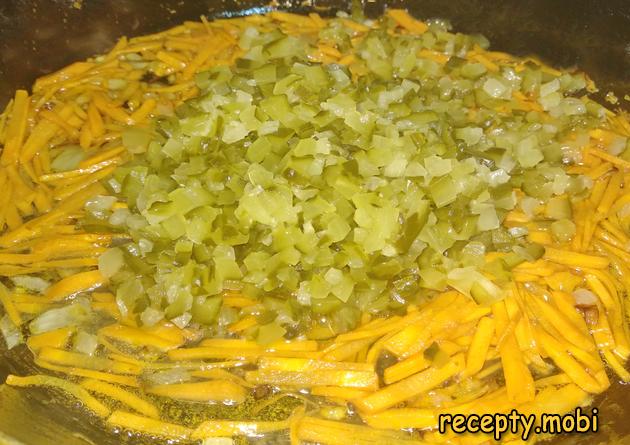
Simmer the pickles. Add the diced pickles to the onions and carrot and pour in about 100 ml hot stock. Cover and simmer over low heat for 15 minutes. This softens the pieces and rounds out their flavour.
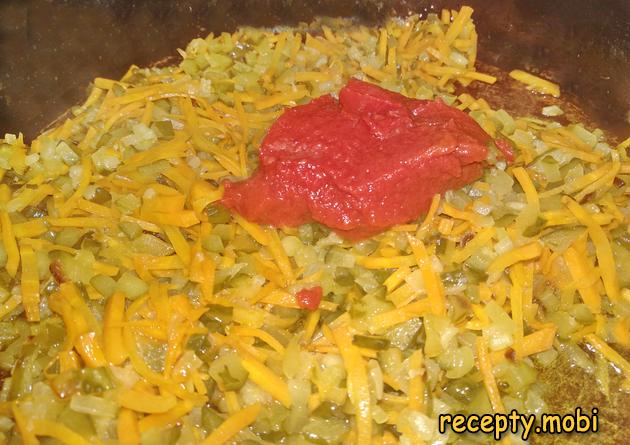
Add the tomato paste. Stir it into the vegetables and cook for another 5 minutes. If the pan becomes dry, add 2-3 tablespoons stock.
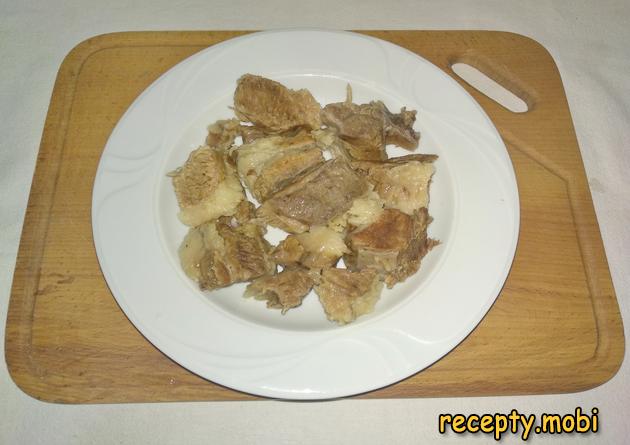
Cut the cooked beef. Lift the meat from the stock and cool it briefly. Remove the bone and any thick connective tissue, cut the beef into serving pieces and return it to the pot.
Assemble the soup. Add the barley and potatoes to the stock and cook for 12-15 minutes until the potatoes are fully tender. Add the vegetable mixture, garlic, bay and pepper. After 10 minutes pour in the strained brine, return to a gentle boil and cook for 5 minutes.
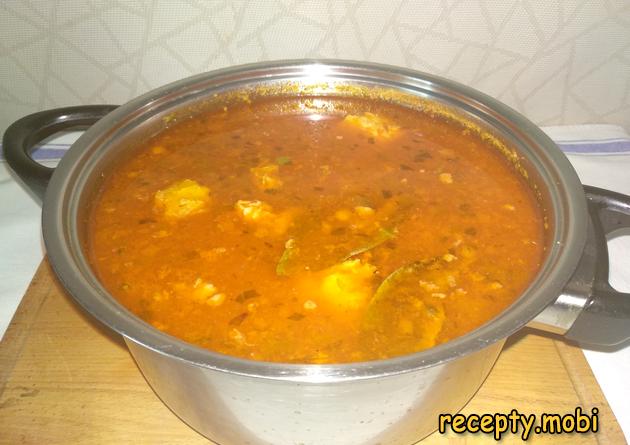
Balance and serve. Taste the soup. Only now add salt and a little sugar if the acidity needs balancing. Remove from the heat and rest under a lid for 10 minutes. Serve with sour cream and chopped parsley.
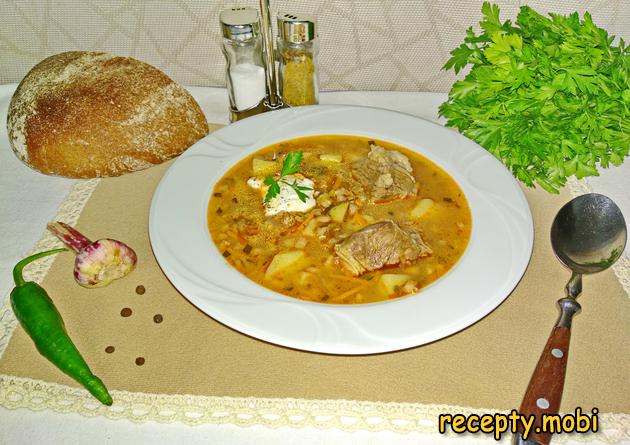


What makes this Leningrad rassolnik
The defining feature of Leningrad rassolnik is the combination of pearl barley and potatoes. The soup uses meat stock, softened onion and carrot, brined pickles and cucumber brine. Kidneys are not required for this version. Home cooks commonly use bone-in beef, as in this recipe.
Tomato paste appears in many canteen and home variations. It contributes warm colour and mild sweetness but can be omitted without changing the core method.
How to prepare pearl barley
Soaking shortens the cooking time and helps the grains soften evenly. Cook the barley in a separate pan, then rinse it with hot water. Raw barley cooked directly in the stock makes it cloudier and complicates the timing of the beef and potatoes.
The cooked grains should be tender inside but retain their shape. Do not cook them into porridge because they continue absorbing stock after they enter the soup.
Brined pickles or vinegar pickles
Classic flavour depends on naturally fermented pickles and their brine. Vinegar pickles give a different and sharper acidity. Peel large pickles if the skin is tough, and scoop out developed seeds when necessary.
Always strain the brine. Add it gradually after the potatoes are tender, which makes the acidity easier to control and helps prevent oversalting.
Correct ingredient order
- Make the meat stock and cook the barley separately.
- Cook the potatoes in the finished stock until tender.
- Add the simmered pickles and vegetables afterwards.
- Add the brine and final salt at the end.
If acidic ingredients go in before the potatoes, their surfaces can stay firm for an unnecessarily long time. This is one of the most common rassolnik problems.
Common mistakes
- Salting the stock at the start. The pickles and brine can make the finished soup too salty.
- Not rinsing the barley. Excess starch makes the stock overly cloudy and thick.
- Using vinegar marinade alone. It does not reproduce the flavour of natural cucumber brine.
- Boiling the beef vigorously. A hard boil clouds the stock and can dry out the meat.
- Serving immediately. A 10-minute rest lets the sour, vegetable and beef flavours settle.
Serving and storage
Serve the soup hot with sour cream, parsley or dill and rye bread. Rassolnik becomes slightly thicker the next day because the barley continues absorbing liquid. Add a little water or unsalted stock when reheating if needed.
Refrigerate at 4°C or below for up to 3 days. For a lighter poultry version, try chicken rassolnik with barley. Another home-style option is rassolnik with beans and pickles.
For a faster version without soaking grain, make rassolnik with rice and pickles. It uses chicken stock and the rice cooks directly in the pot.
How this recipe was prepared
The author cooked and photographed every step. This update preserves the original quantities and photographic sequence while clarifying the timing, ingredient weights, the order for potatoes, pickles and brine, and the defining features of the Leningrad variation.
Leningrad rassolnik video
The video shows Leningrad rassolnik with pearl barley and brined pickles.
FAQ
Why is this soup called Leningrad rassolnik? +
The Leningrad version became widespread in Soviet canteen cooking. Its identifying elements are meat stock, pearl barley, potatoes, softened onion and carrot, brined pickles and cucumber brine.
Does pearl barley need to be soaked? +
Soaking for 6-8 hours is helpful because the grains cook faster and become tender more evenly. If you skip soaking, rinse the barley and allow extra time for separate cooking.
Why is the barley cooked separately? +
Separate cooking and rinsing keep excess starch out of the beef stock. The rassolnik remains hearty without becoming excessively cloudy or gluey.
Can I use vinegar pickles? +
Brine-fermented pickles give the characteristic flavour. Vinegar pickles produce a sharper acidity and change the balance of the finished soup.
When should cucumber brine be added? +
Pour in the strained brine only after the potatoes are fully tender. Acid slows potato softening, so adding it too early can leave the cubes firm.
Can I omit the tomato paste? +
Yes. Tomato paste adds colour and mild sweetness but is not essential. Without it, the cucumber flavour is more prominent and the stock remains lighter.
How much cucumber brine should I use? +
Use 300-400 ml for this quantity. Start with 300 ml, boil and taste the soup, then add the remainder only if you want a stronger sour note.
How long does rassolnik keep? +
Refrigerate it in a covered container at 4°C or below for up to 3 days. Reheat only the amount needed until piping hot.
- Comment
or post as a guest
Be the first to comment.