avg —
Borscht with beans, beets, cabbage, and pork liver

Instructions
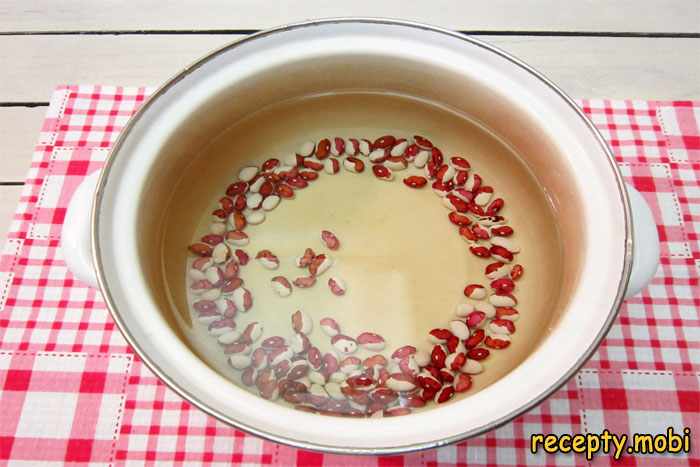
I soak the beans overnight in cold water – this shortens the cooking time and makes the beans more tender. In the morning I drain the water, rinse the beans, cover them with fresh cold water in a 1:3 ratio and cook over medium heat for about 1 hour until completely soft. Cooked beans crush easily between your fingers but still hold their shape.
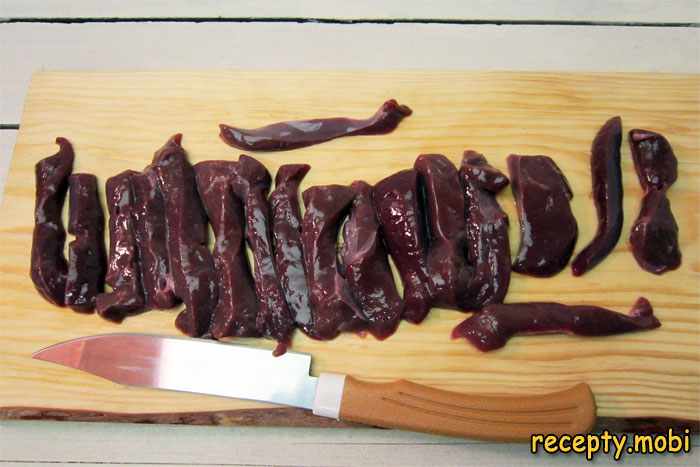
I rinse the pork liver thoroughly under cold water and remove all the sinews, membranes and bile ducts – they taste bitter and spoil the flavour. I cut the liver into strips about 1 cm thick and 3–4 cm long. I rinse the cut liver once more – this releases any remaining blood and keeps the borscht cleaner.
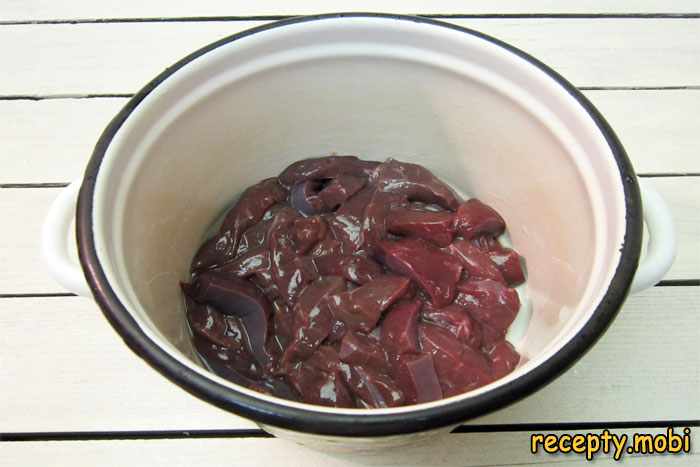
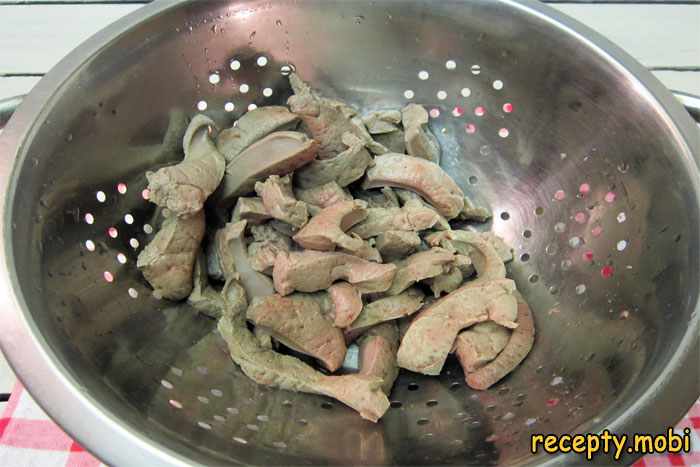
I put the cut liver into a small saucepan, cover it with cold water and bring it to the boil over high heat. This blanching removes the bitterness and the specific smell of liver. As soon as the water boils and foam appears, I drain the water and rinse the liver thoroughly under running water.
I transfer the blanched liver to the pot with the almost-cooked beans, add water to a total volume of 2.5–2.7 litres and continue cooking over medium heat for another 30–40 minutes. Do not overcook the liver – it turns tough and rubbery. To check it is done, cut a piece in half: there should be no pink colour inside.
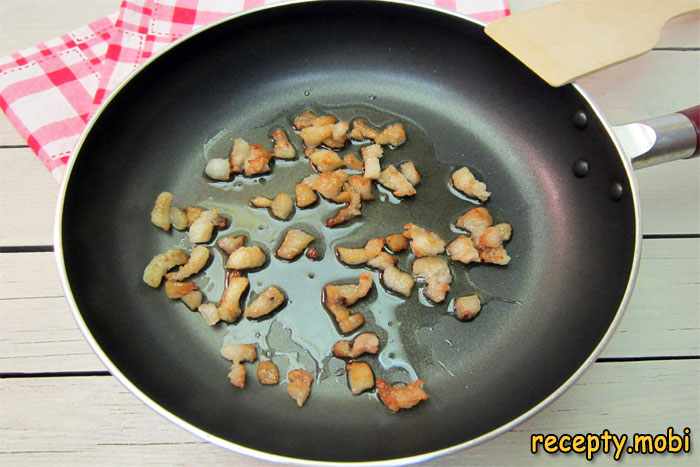
While the broth is cooking, I prepare the fry-up. I cut the lard into small cubes 5–6 mm in size and put them into a cold frying pan. I turn the heat to medium and render the fat for 7–10 minutes, stirring, until golden, crispy cracklings form. The lard gives an aromatic fat that makes the vegetables especially tasty – this is classic borscht.
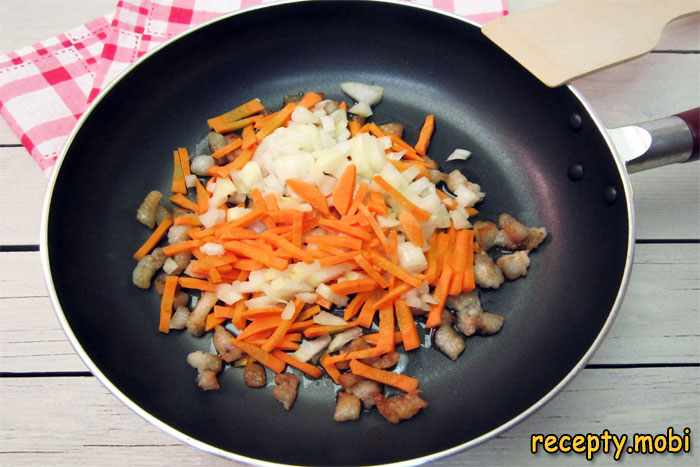
To the cracklings I add the onion, cut into cubes, and the carrot, cut into thin sticks. I sauté over medium heat for 5–7 minutes, stirring from time to time, until golden. The onion should turn translucent and slightly caramelised, and the carrot soft.
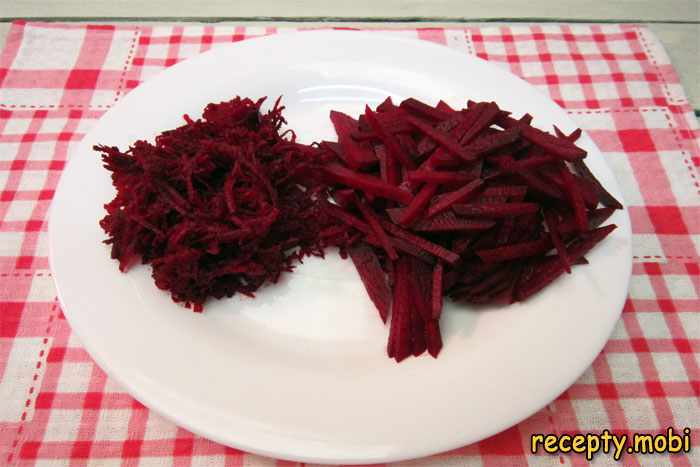
I peel the beetroot and cut it two ways: I cut 2/3 into thin strips for the fry-up, and grate 1/3 on a coarse grater – I will add this at the very end to give the borscht a bright, rich colour. The strips cook down and release their sweetness, while the grated beetroot keeps its pigment.
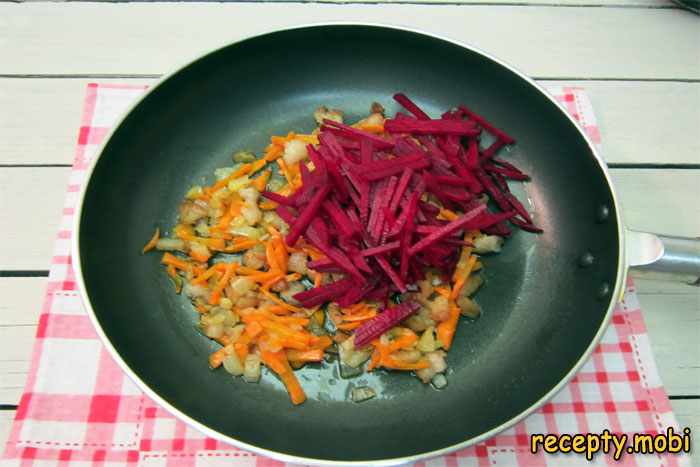
I add the beetroot strips to the sautéed onion and carrot, sprinkle in the ground coriander and black pepper, and fry for 5–7 minutes over medium heat, stirring. Coriander goes wonderfully with borscht and gives it a special aroma.
I pour a cup of tomato juice into the fry-up (or dissolve 2 tablespoons of tomato paste in 200 ml of water). The tomato gives the borscht a pleasant tang and a lovely red-orange colour. I stir and simmer for 5–7 minutes over medium heat until thickened.
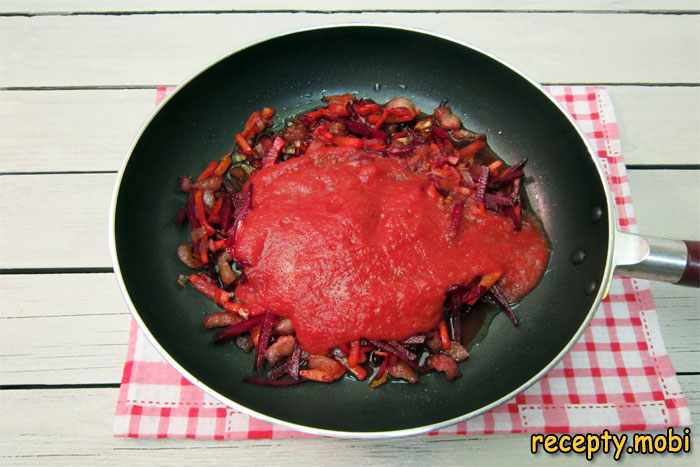
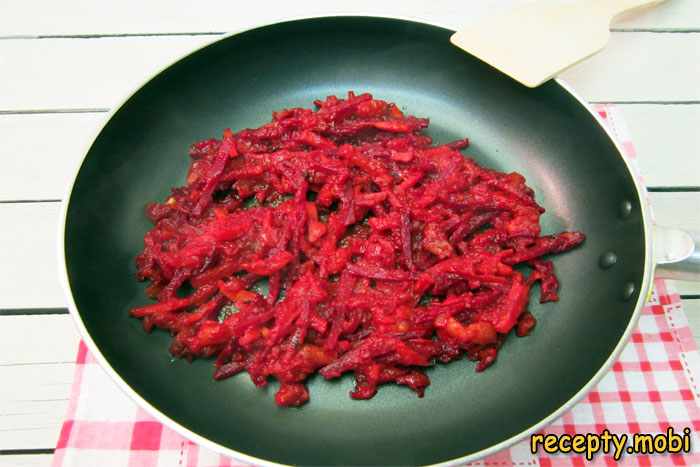
I keep simmering the fry-up until it thickens slightly and the excess liquid evaporates – about 3–5 minutes. The finished fry-up should be a rich colour, fragrant, with soft vegetables. I take the pan off the heat and set it aside.
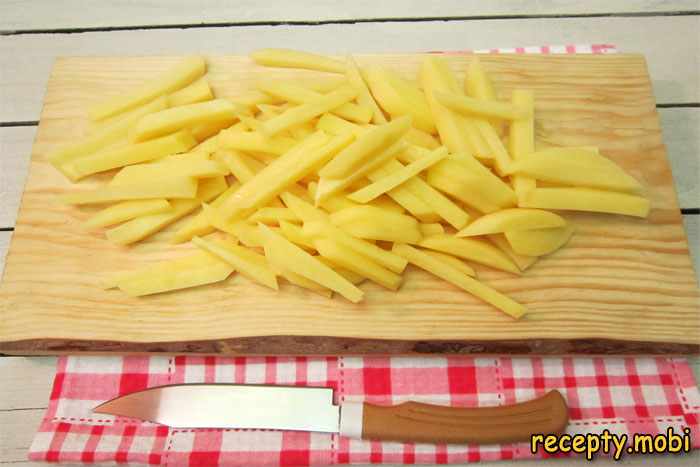
I peel the potatoes and cut them into sticks about 1×1×4 cm. This shape looks good in the borscht and cooks quickly. I add the potatoes to the boiling broth with the beans and liver.
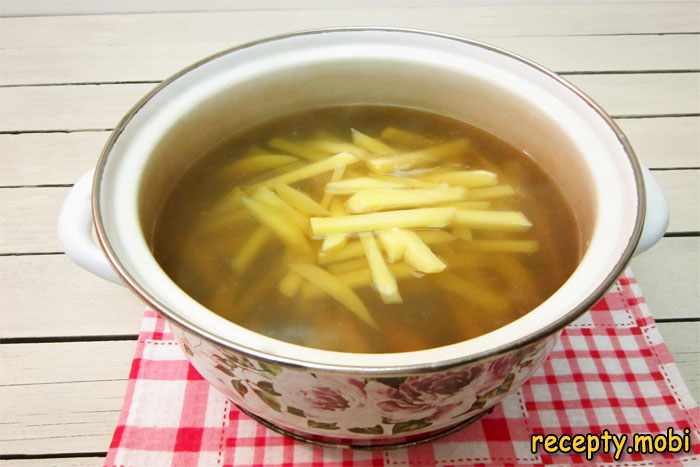
When the beans and liver are completely cooked, I lower the potatoes into the broth and cook for 10 minutes over medium heat until half-done. The potatoes should be soft on the outside but still firm inside – they will finish cooking later.
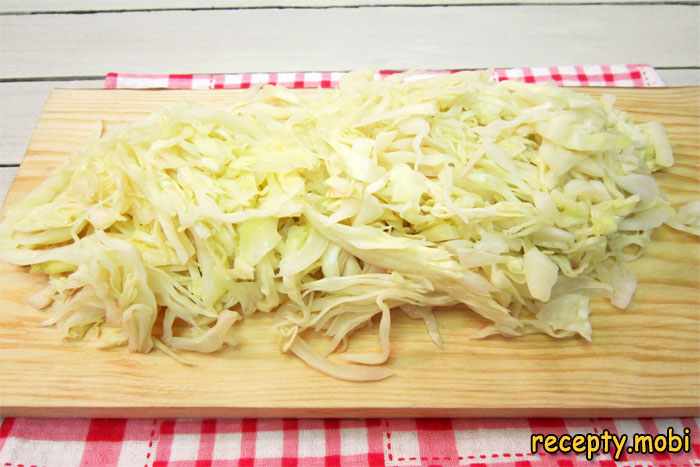
I shred the cabbage into thin strips 3–5 mm wide. White cabbage with a firm head is best for borscht – it keeps its crunch even after cooking.
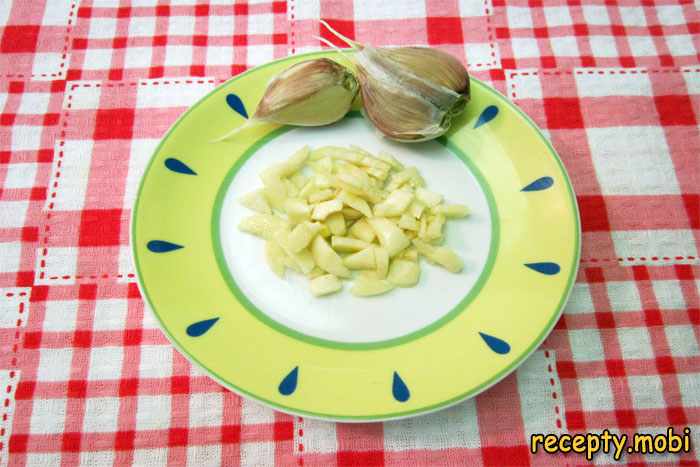
I peel the garlic and chop it finely with a knife (I don't crush it through a press – the aroma is milder that way). 2–3 cloves are enough for a pleasant piquancy without harshness.
I add the shredded cabbage to the pot, along with all the fry-up with beetroot and tomato and 2 bay leaves. I season with salt to taste and cook for 5 minutes over medium heat. Then I add the grated beetroot (the third I set aside) and the chopped garlic. I cook for another 5–7 minutes over low heat – it is this slow cooking at the end that preserves the bright ruby colour of the borscht.
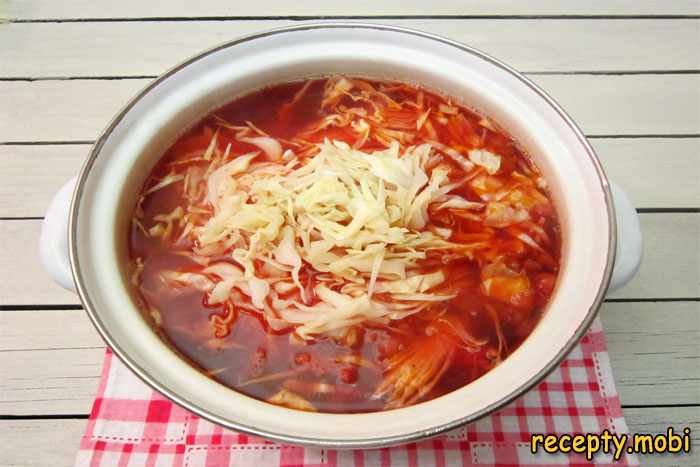
I take the borscht off the heat, remove the bay leaves (they turn bitter if left in too long) and let it stand, covered, for 15–20 minutes. I serve it with sour cream, fresh herbs and a slice of dark rye bread. The borscht with pork liver and beans is ready!



FAQ
Can I replace pork liver with chicken liver? +
Yes, chicken liver is more tender and cooks faster – add it 20–25 minutes before the borscht is done, after the potatoes. Blanching chicken liver is not essential, but it is advisable for a cleaner taste.
Why did my liver turn out tough? +
Most likely it was overcooked – liver cooks very quickly. It is also important to carefully remove all the membranes, sinews and bile ducts before cooking – they make the texture coarse.
How long does borscht with liver keep? +
In a covered pot in the refrigerator, up to 2–3 days. Liver is a perishable offal, so do not keep the borscht any longer. Reheat only the portion you need before serving.
Can I use canned beans? +
Yes, add them together with the cabbage at the end of cooking, after draining the liquid first. This shortens the cooking time by 1 hour.
- Comment
or post as a guest
Be the first to comment.