Write a comment
Cabbage soup with sauerkraut and potatoes

Cabbage Soup with Sauerkraut and Potatoes

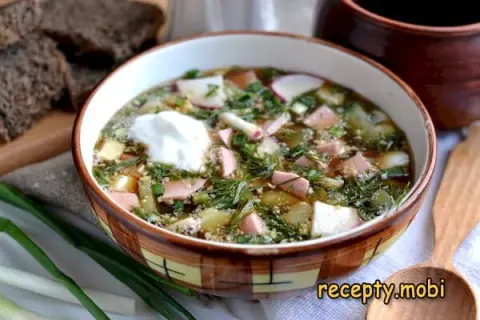
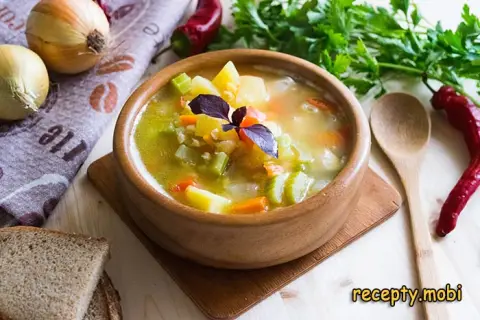
Sauerkraut soup with potatoes has a special, rich taste. The traditional Russian preparation produces remarkable home-cooking-quality results that elevate basic sauerkraut into sophisticated multi-layered shchi soup applications worthy of family tables and winter meal applications throughout the entire winter season for proper home cooking consistently across various traditional Slavic culinary traditions. Preparing such a dish will take slightly more time than boiling a light soup. Classic Russian meat-filled pies, kulebyaka, posikunchiki, pastries and vatrushki are served with the soup. A spoonful of sour cream or buttermilk is added to the plate and generously sprinkled with herbs. A family dinner with aromatic sauerkraut soup with potatoes will create a true atmosphere of a Russian village in your home.

Preparation time: 90 minutes.

Yield7 servings (3 liters).
Calories38 kcal per 100 grams of the dish.
CuisineRussian.

Ingredients

Ingredients for cabbage soup

Show ingredients
  • sauerkraut – 700-800 g;
  • potatoes – 450 g;
  • carrots – 120 g;
  • bell pepper – 80 g;
  • onion – 120 g;
  • parsley root (if desired) – 90 g;
  • tomato paste or puree – 100 ml;
  • refined vegetable oil – 100 ml;
  • broth or water – 2500 ml;
  • salt – 1 tablespoon;
  • garlic – 1 clove;
  • onions and dill – 0.5 bunch each;
  • sugar – 1 teaspoon;
  • spice mix for first courses – 10-15 g.

Preparation

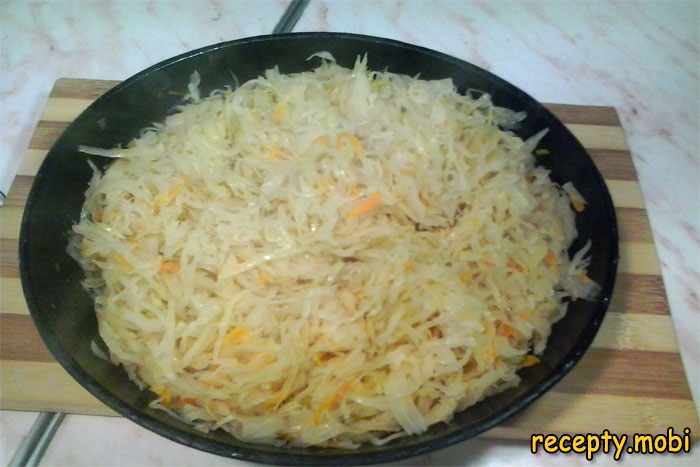
  1. Squeeze out the excess brine from the sauerkraut, place it in a saucepan with two heated tablespoons of oil. Sauté over low heat, add 100-150 ml of broth, and stew for half an hour with a closed lid. If the cabbage is too salty, rinse it before use and drain it in a colander.
    Sauerkraut in pan
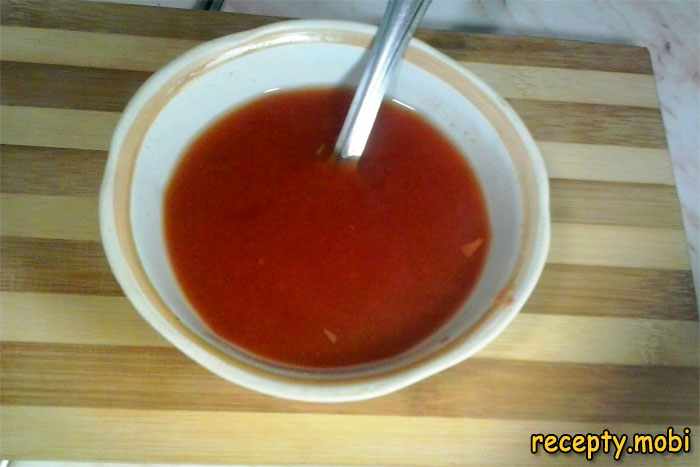
  2. Mix 100 ml of hot broth with tomato paste.
    Tomato paste with broth
  3. Stir in the tomato into the cabbage, cook for another 15 minutes for proper finished tangy depth.

    Tomato paste added to sauerkraut
    cabbage stewing with tomato paste
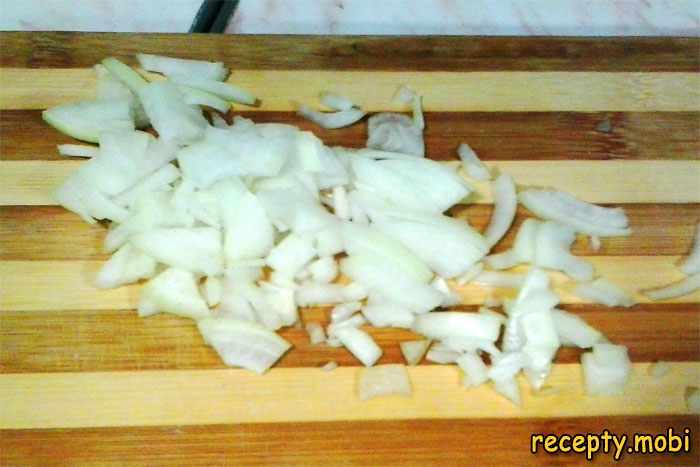
  4. Finely chop the peeled onion and sweet pepper.
    Chopped onion for soup
    Chopped bell pepper for soup
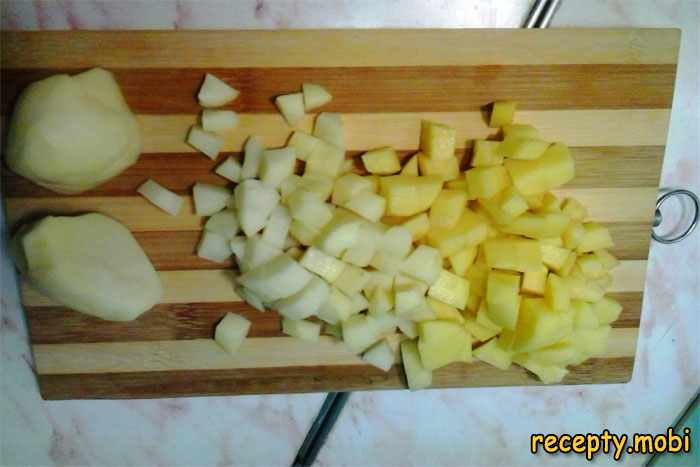
  5. Add diced raw potatoes to the broth, bring to a boil. Add one tablespoon of chopped vegetables at a time, cook for about half an hour, reducing the heat.
    Chopped potatoes for soup
    Potatoes boiling with vegetables
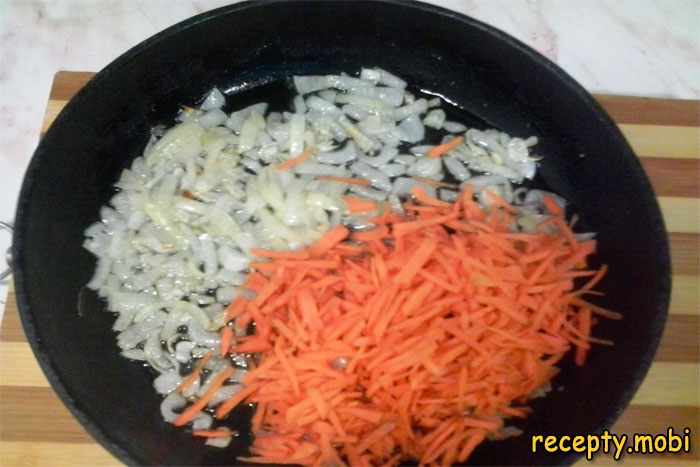
  6. Sauté the onion in sunflower oil until translucent, then add the carrot, and after 5 minutes, add the pepper. Add the parsley root after frying the onion.
    Frying onion and carrot
    sauteed vegetables for soup
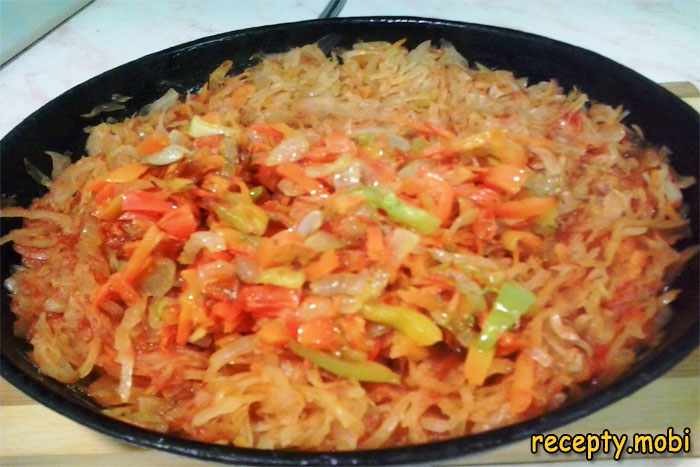
  7. Combine the sautéed vegetables with the cabbage, continue to stew for another quarter hour.

    Combine sauerkraut with fried vegetables
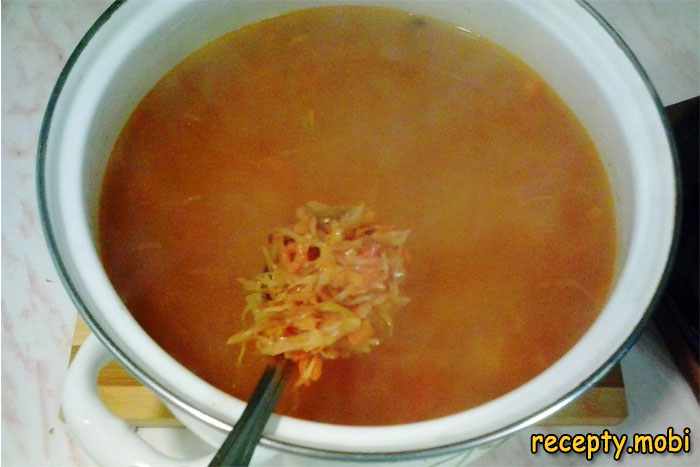
  8. In the broth with the cooked potatoes, add the stewed cabbage with vegetables. After it boils, reduce the heat and simmer the soup for 10 minutes.
    Add stewed cabbage to broth with potatoes
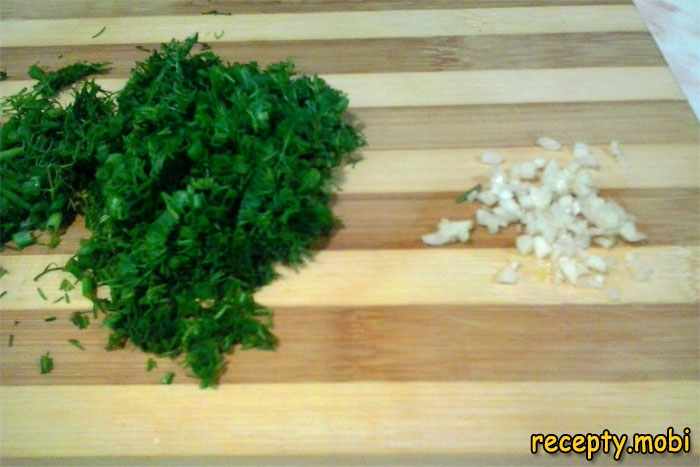
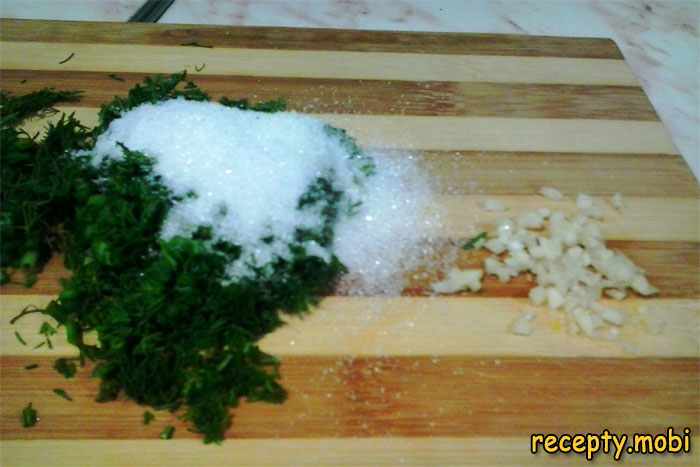
  9. Chop the herbs on a cutting board, mince the garlic for proper finished aromatic depth.
    Chopped herbs and garlic
  10. Mix with sugar, salt, and chop the mixture with a knife.
    Mix garlic with herbs sugar salt
    Mincing the herb-garlic mixture
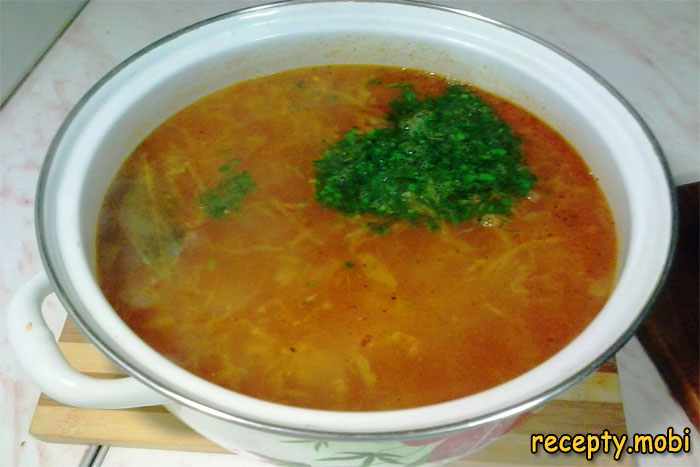
  11. Sprinkle the finished sauerkraut soup with potatoes with half of the garlic dressing, let it simmer for 5 minutes with the lid off.
    Sauerkraut soup finishing
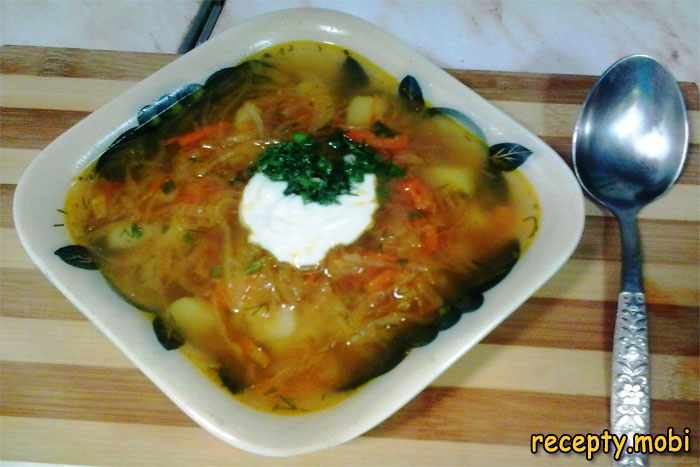
  12. Keep the finished dish on a warm stove for half an hour. Serve the soup in bowls, add a spoonful of sour cream on top, and garnish with the mixture of garlic and herbs. Enjoy your meal!
    Cabbage soup with sauerkraut finished

Tips and Tricks

Tip 1. Pre-stew sauerkraut with broth before adding to soup for proper finished mellow flavor. Adding raw sauerkraut directly produces harsh acidic flavor; properly pre-stewed sauerkraut produces the proper signature mellow tangy character authentic to traditional Russian shchi preparations. Test sauerkraut salt level — if too salty, rinse before use. The sauerkraut preparation quality matters more than home cooks typically realize for finished soup quality and overall family-meal success consistently across batches reliably across various Russian winter cooking occasions throughout the year.

Tip 2. Mix tomato paste with hot broth first for proper finished smooth integration. Adding cold tomato paste produces clumps; pre-mixed tomato paste with broth produces the proper signature smooth tangy character authentic to traditional Russian shchi preparations. The same pre-mix principle elevates many tomato-based soup preparations including cabbage soup with veal, sauerkraut and fresh cabbage and similar Russian cabbage-soup preparations across various traditional Slavic culinary occasions throughout the year reliably.

Tip 3. Allow proper resting period (30 min on warm stove) for finished maximum flavor development. Serving immediately produces under-developed flavors; full 30-minute warm rest produces the proper signature deeply-flavored character authentic to traditional Russian shchi preparations. The patient resting principle pays back significantly in finished soup-quality consistently across batches and various Russian first-course preparations throughout the year for proper traditional results worth showcasing reliably across various Slavic family-meal occasions throughout the year for proper home-cooking results.

Tip 4. Pair the finished sauerkraut soup with traditional Russian accompaniments for proper presentation. Top with dollop of sour cream, garnish with garlic-herb mixture, alongside classic Russian meat-filled pies, kulebyaka, pastries, or vatrushki for proper finished family-meal applications. Pair with crusty homemade bread for substantial winter meal spreads, alongside pickled vegetables for traditional Russian accompaniment, or with chilled vodka for elegant Russian-style winter dinner presentations worth showcasing.

FAQ

Can I add meat to this shchi?

Yes, beef, pork, smoked meats, or sausages all work as additions producing distinct character. Each meat produces distinct character: this lean version is most traditional Orthodox-fasting-style, beef brisket is most traditional Russian-meat-style, smoked meats add smoky depth, sausages are most economical. Use 300-400 g meat in 2500 ml broth, cooking for 1.5-2 hours before adding vegetables. Choose based on dietary preferences for proper finished variations consistently throughout the year reliably.

How long does shchi keep?

Stored covered in the refrigerator, the soup keeps for 4-5 days at peak quality. The flavors actually improve significantly over the first 24-48 hours as components marry beautifully. Reheat gently to preserve cabbage texture. The soup freezes well for up to 2 months — thaw in refrigerator overnight before reheating. Best consumed within 3 days for the brightest most appealing finished results across multiple winter meal applications throughout the year reliably.

Can I use fresh cabbage instead?

Yes, fresh white cabbage works but produces different character. Each option produces distinct character: sauerkraut shchi is most traditional Russian-style and tangy, fresh cabbage shchi is mildest and lightest, mixed (fresh + sauerkraut) is most balanced. Use 700-800 g fresh shredded cabbage to replace sauerkraut, skip the pre-stewing step. Choose based on preference and seasonal availability for proper finished variations consistently throughout the year reliably.

Why is my shchi too sour?

Three usual causes: too-acidic sauerkraut (rinse before use), insufficient sugar (use full teaspoon to balance), or too much tomato paste (use measured 100 ml). Address proper sauerkraut tasting before use, sufficient sugar balance, and measured tomato for consistently balanced acidity. The combination of proper sauerkraut prep and balanced seasonings produces dramatic flavor-quality reliably across various Russian shchi preparation sessions throughout the year for proper traditional balanced results consistently.

Write comments...
symbols left.
or post as a guest
Loading comment... The comment will be refreshed after 00:00.

Be the first to comment.