avg —
Classic Minestrone Soup Recipe – Italian Vegetable Soup

Instructions
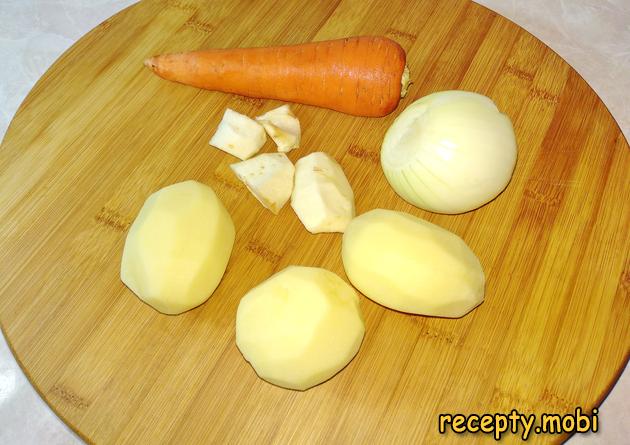
I prepare all the vegetables for the Italian vegetable soup minestrone. Minestrone is a "democratic" soup: the selection of vegetables can be varied by season and preference. The main thing is to keep the overall vegetable profile – root vegetables, tomatoes, cabbage and pulses.
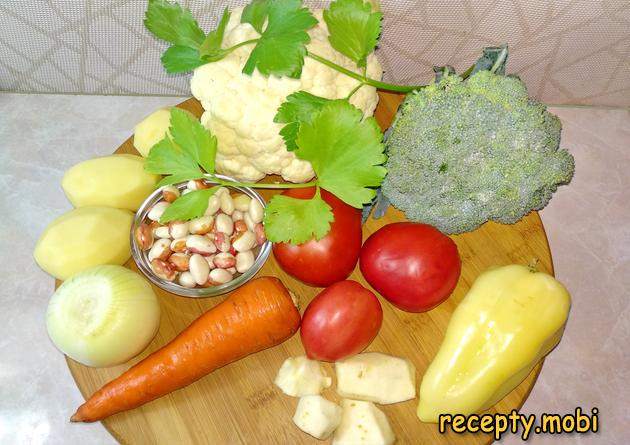
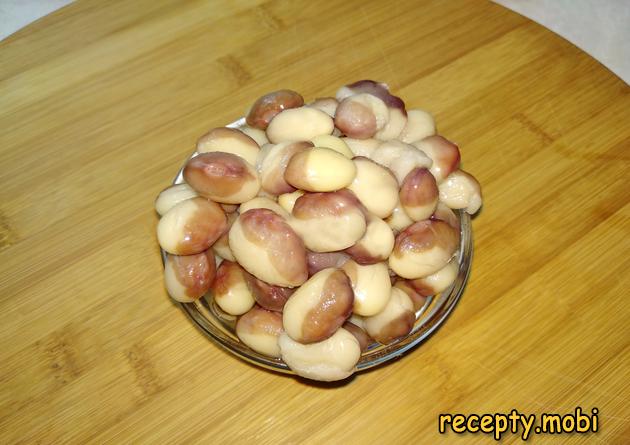
If the beans are fresh, I boil them in advance until done (35–40 minutes). Canned beans need no boiling – I simply drain the liquid and add them at the end of cooking. I also prepare the chicken broth in advance, if I plan to add it. The base will be made up of potatoes, carrot, celery and onion.
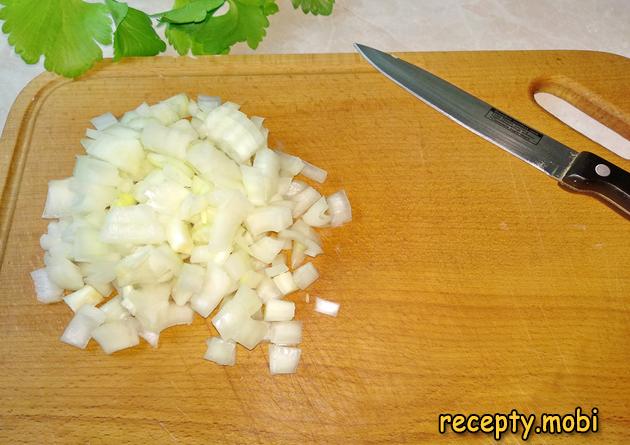
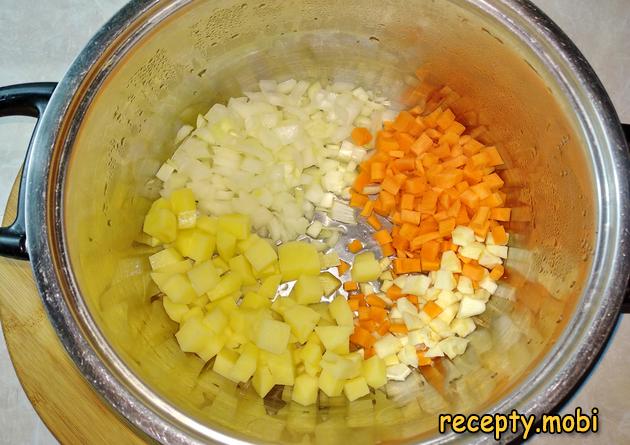
I cut the onion into medium-sized cubes. A medium size is best: large pieces will "wander" about in the soup, while pieces that are too small will dissolve completely during cooking.
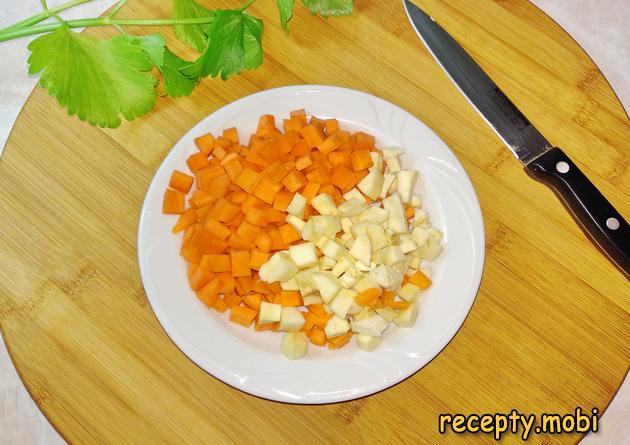
I cut the carrot and celery root into the same-sized cubes as the onion. A uniform cut size is an Italian tradition: it makes the soup look attractive in the bowl and cook evenly.
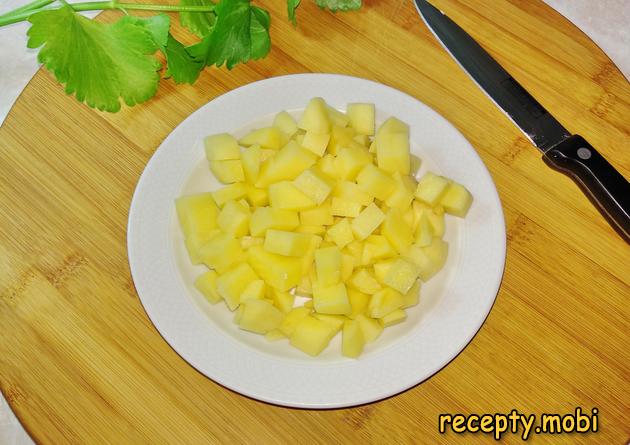
I cut the potatoes into cubes a little larger than medium – they take longer to cook than the other vegetables, so the larger size makes up for the cooking time.
I pour a little olive oil into a thick-bottomed pot (or a frying pan) and heat it. I add the chopped vegetables to the pot and brown them, bringing them to "al dente" – that is, half-cooked, so that they keep a pleasant texture and do not turn mushy in the finished soup.
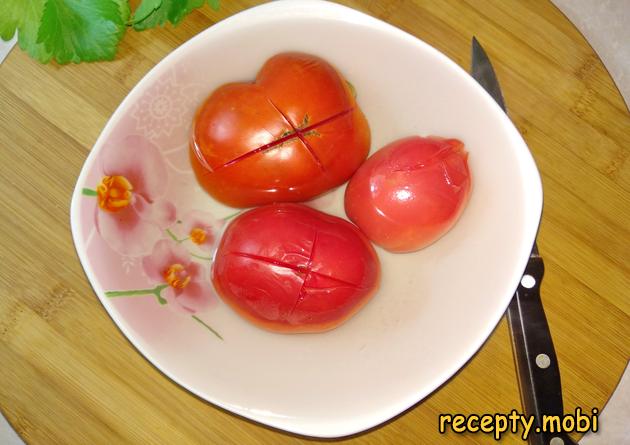
While the vegetables are frying, I blanch the tomatoes. I make a cross-shaped cut on the top of each tomato and pour boiling water over them. I leave them for 5–7 minutes – in that time the skin comes off easily.
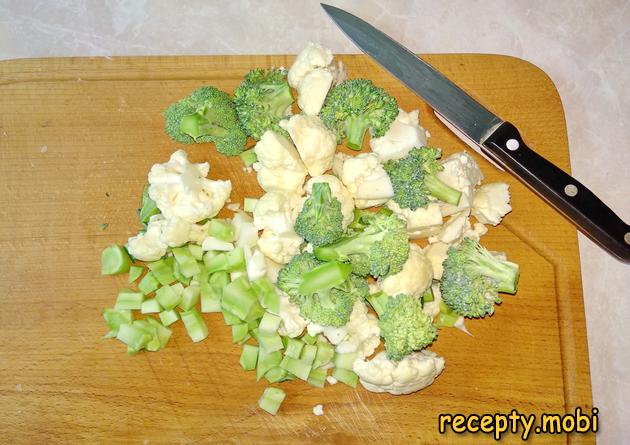
I divide the cauliflower and broccoli into florets. I do not throw away the stems – I cut them into medium-sized pieces and add them to the soup. They have plenty of fibre and flavour.
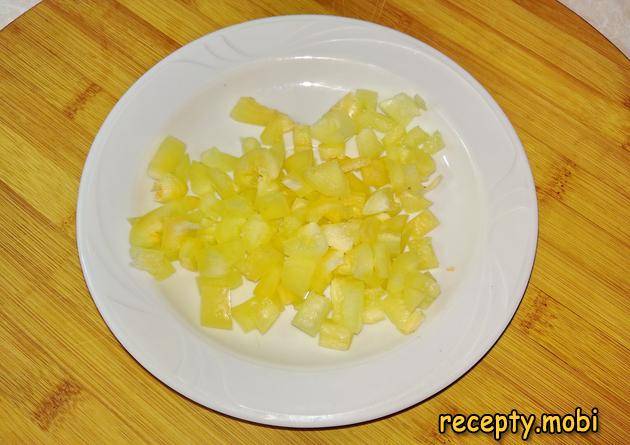
I cut the bell pepper into medium-sized cubes – the same as the root vegetables. The pepper gives the soup a sweetish aroma and a pleasant colour.
Classic minestrone includes celery stalks. If you do not have them, celery root and leafy greens will do, and the effect will be close.
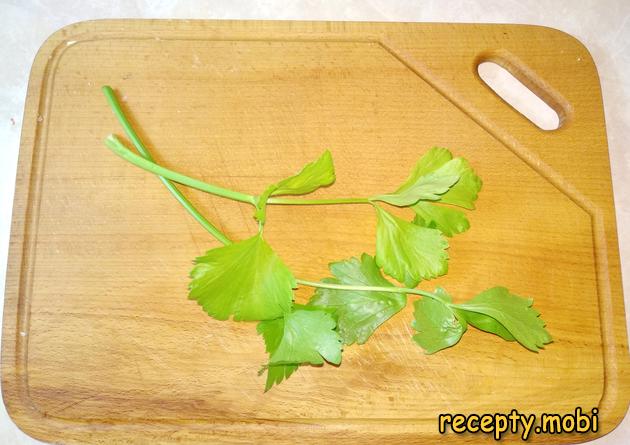
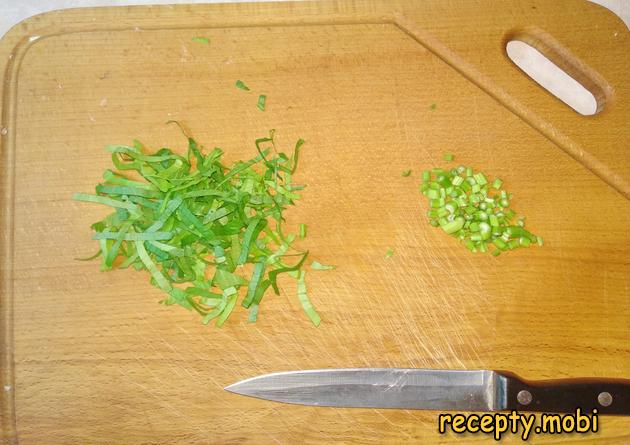
I chop the celery stalks and leaves finely – unlike the other vegetables, which are cubed. Finely chopped greens give aroma without a "crunchy" texture in the soup.
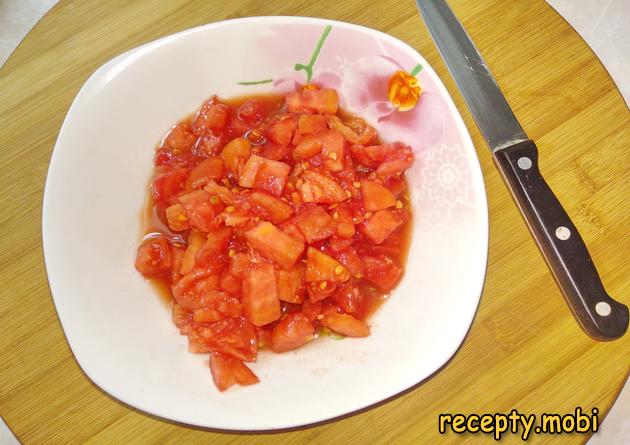
I take the tomatoes out of the boiling water – the skin now peels off easily by hand. I cut the peeled tomatoes into cubes to my preference: large (so there are pieces) or small (for a more uniform soup texture).
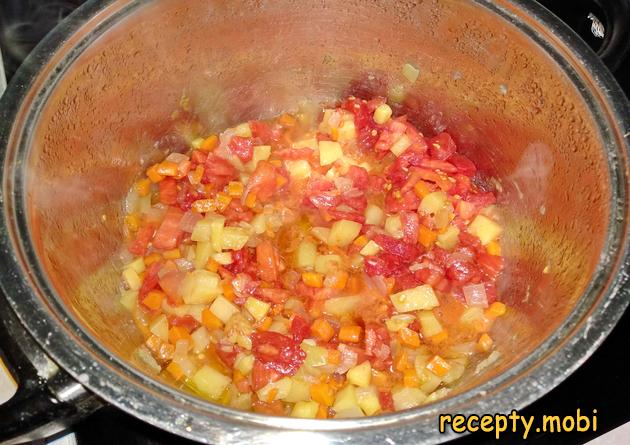
I add the prepared tomatoes to the pot with the vegetables and simmer everything together for 5–7 minutes. In that time the tomatoes release their juice and create the base for the soup's broth.
After 7 minutes I add the bell pepper, broccoli, cauliflower and finely chopped celery. I pour in water or chicken broth to the thickness I want. I cook for about 15 minutes until the vegetables are done – they should become soft but not fall apart.

A couple of minutes before the end I add the boiled beans and the chopped celery leaves. The beans are already cooked – they only need to be warmed through, otherwise they will fall apart and lose their shape.
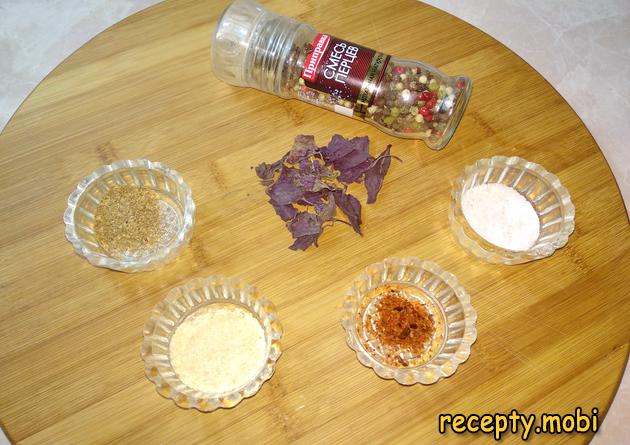
I add the spices from the list (basil, coriander, chili pepper, pepper mix) and salt to taste. I put the basil in right at the end – its aroma is best preserved when it is fresh and not overcooked.
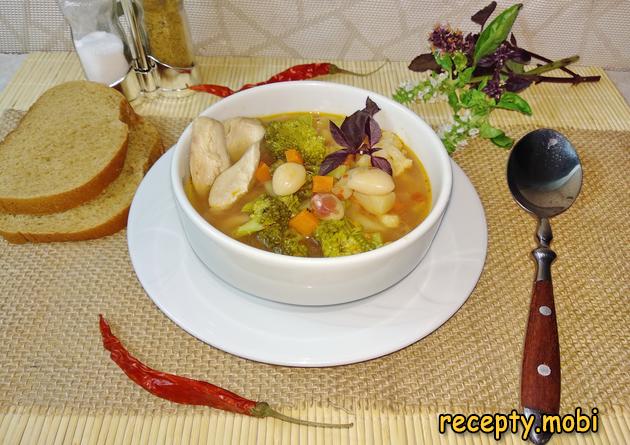
According to the classic recipe, the minestrone soup is ready. I serve it in a deep bowl or an Italian dish. If you like, add pieces of boiled chicken – this makes for a more filling first course. The vegetable soup is light and satisfying, and fits perfectly into a diet menu.


Tips
- 1
Cut the vegetables into cubes of the same size – this is an Italian tradition that makes the soup not only attractive but also evenly cooked.
- 2
Add basil only at the end or after taking the soup off the heat – its aroma is destroyed by boiling. Fresh basil can be put straight into the bowl.
- 3
For a "thicker" soup, you can purée part of the vegetables with a blender at the end – this works especially well with the beans and potatoes. I use a similar technique in other thick vegetable soups.
- 4
The next day minestrone tastes even better – the vegetables fully give up their aromas to the broth. Cook a batch large enough to last 2 days.
Video

FAQ
How is minestrone different from an ordinary vegetable soup? +
Minestrone is the "soup of everything" of Italian cuisine. Its distinctive features are: the mandatory presence of pulses (beans, chickpeas, broad beans), olive oil for frying, a tomato base, a medium-sized dice for all the vegetables, and the addition of pasta or rice in some regions. An ordinary Russian vegetable soup is more often based on meat broth, without pulses and with a coarser cut. Minestrone is served both hot and warm, often with grated Parmesan on top and a drizzle of olive oil.
Can I add pasta or rice to minestrone? +
Yes, the classic Italian version often includes small pasta (orzo, ditalini) or short macaroni – 100–150 g added at the end of cooking. Rice will also do – 80–100 g, but then you need to increase the amount of broth. Pasta or rice make the soup more filling – it becomes practically a complete first course. Pasta should be cooked right in the soup (not separately) – it releases starch and makes the broth "thicker" and more aromatic.
Which vegetables can be left out or replaced? +
Minestrone is a flexible recipe. The essentials are: onion, carrot, celery (the "minestrone trio"), tomatoes and pulses. The rest is by season. Cauliflower and broccoli can be replaced with young spinach, chard or kohlrabi. Bell pepper can be replaced with marrow or courgette. In winter, diced pumpkin works wonderfully. The main rule is that there should be plenty of different vegetables – they give a complex, rich flavour without the need for meat broth.
How long does the finished soup keep? +
Minestrone keeps for 3–4 days in the refrigerator in a covered pot. The next day it tastes better – the vegetables soak up the aromas of the broth. It is best reheated on the stove to a boil (3–5 minutes) rather than in the microwave – it heats more evenly. It can be frozen for 1–2 months in portions in containers – on thawing the texture barely changes. Add fresh herbs (basil, parsley) only after reheating – that way the aroma is brighter.
- Comment
or post as a guest
Be the first to comment.