avg —
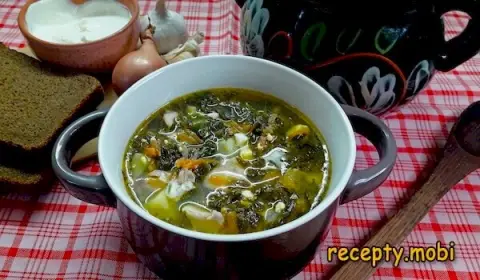
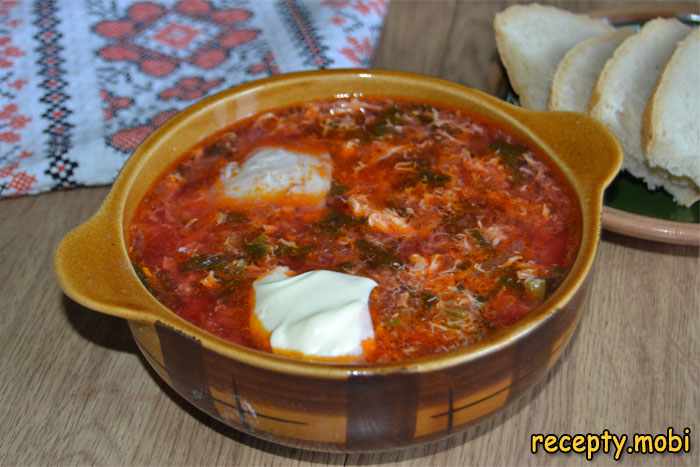
Green Borscht with Chicken, Sorrel, and Egg in Chicken Broth

Instructions
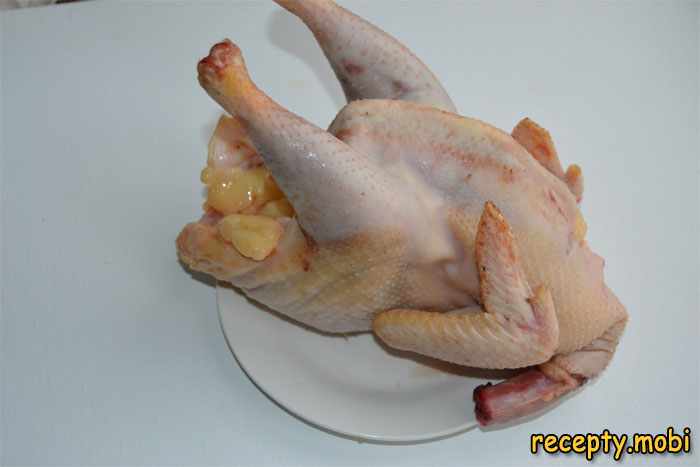
Wash a piece of homemade chicken in cold water. Then send the chicken into boiling water. While cooking the meat, foam forms, which we remove with a slotted spoon. Boil the chicken broth for the green borscht with sorrel until the meat is cooked. Take the cooked chicken out of the broth, place it in a separate plate, covering it with a lid.
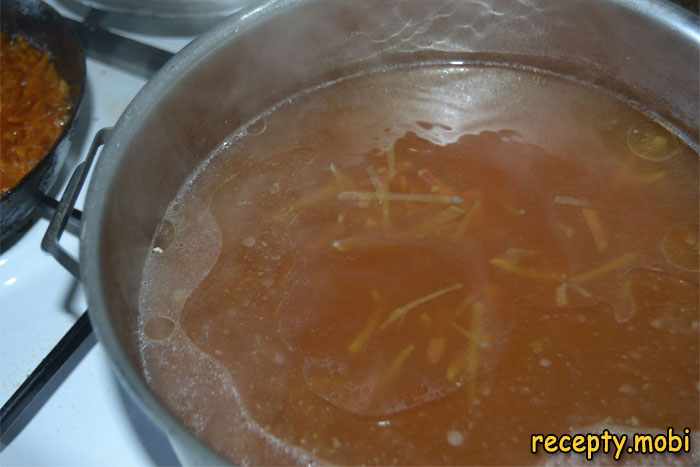
Wash and peel the beetroot. After rinsing the peeled beet, cut it into fine strips. Place the chopped vegetable strips into the boiling chicken broth. Boil the beet until the broth lightens with the beet. This will take about 30 minutes.
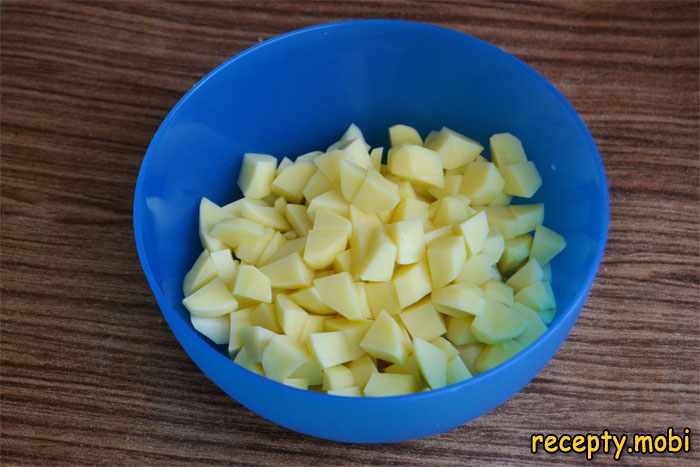
While the beet is boiling in the broth, we peel the potatoes for the green borscht. Wash 4-5 tubers. Peel the tubers, rinse them again, and cut them into small cubes. Wait for the broth to change from red to yellow. After that, add the potato cubes to the broth. The potatoes will boil for about 15 minutes. At this stage, we salt the borscht.
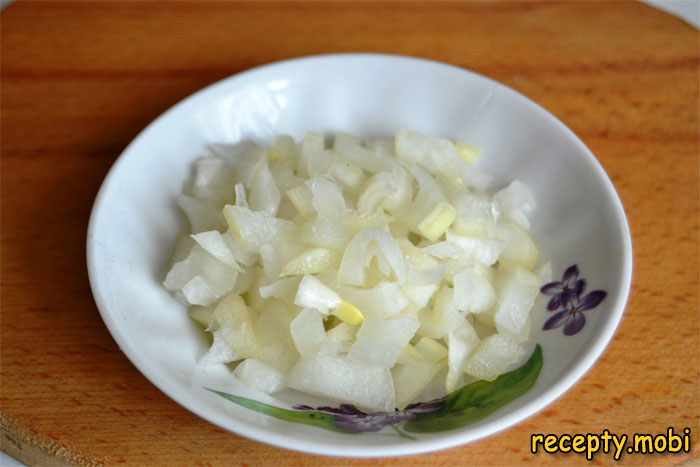
While the potatoes are boiling, we prepare the sauté for the borscht. Peel the onion, finely chop it, and send it to the pan. Sauté over low heat.
Peel the carrot and grate it.
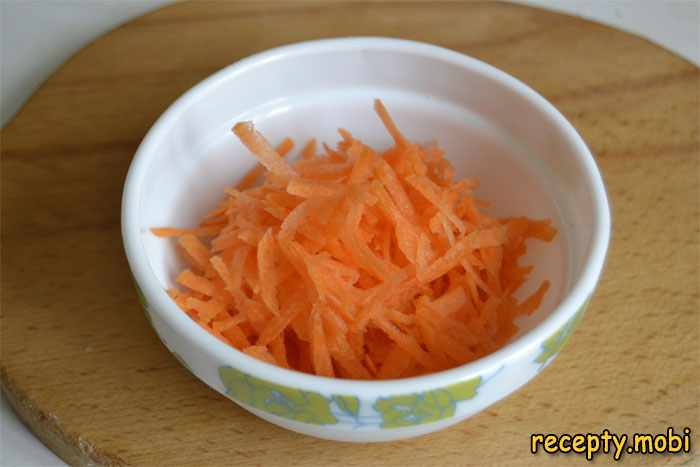
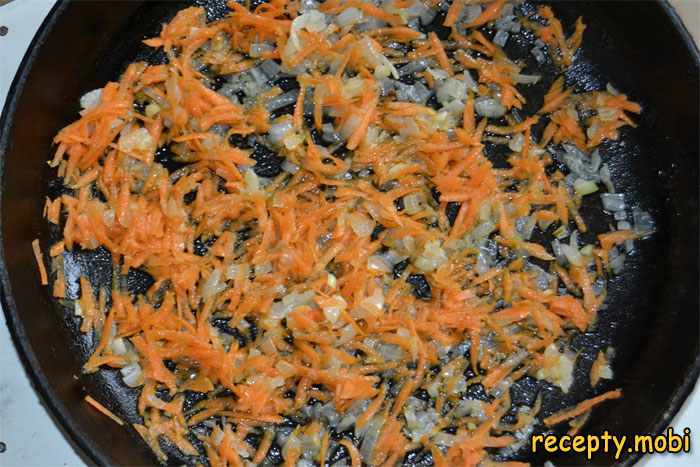
Add the grated carrot to the onion and sauté together until golden for proper finished aromatic depth.
Dilute the tomato paste with water to a slush-like consistency, pour the tomato mixture into the sauté. Simmer the vegetable sauté with the tomato for a few minutes.
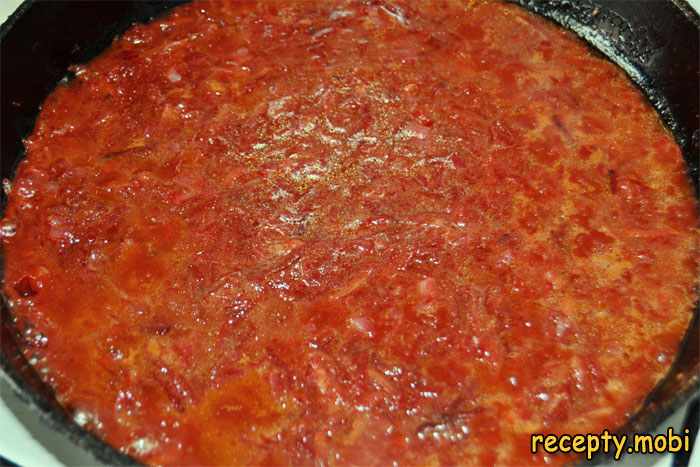
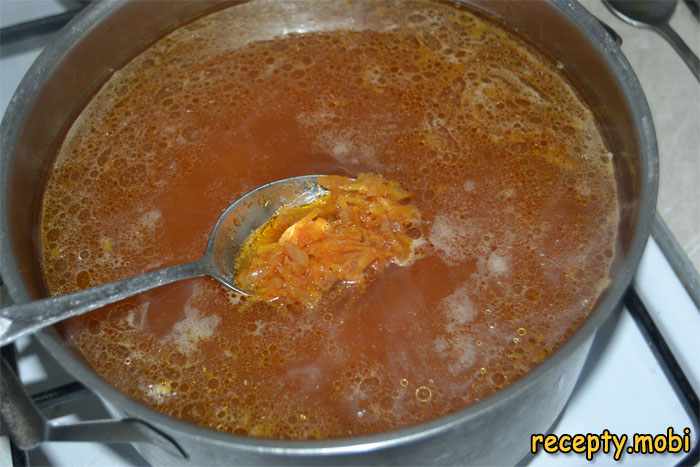
When the potatoes in the broth become soft and almost cooked, add the sauté to the broth. The broth will cook for another 5 minutes with the sauté and potatoes.
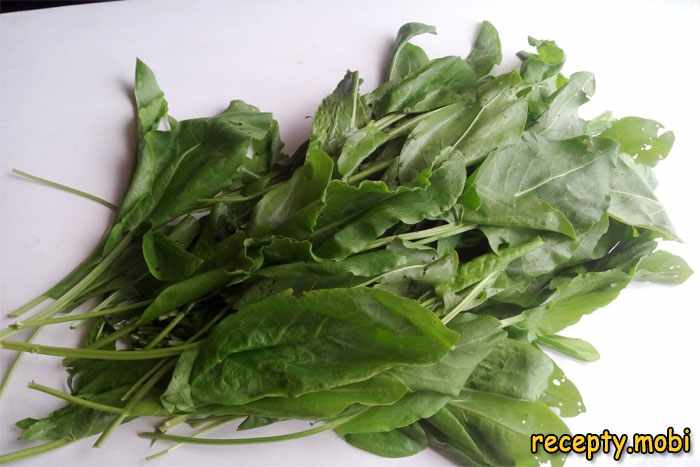
In the meantime, let's prepare the sorrel. Sort the sorrel leaves from the bunch, so that no damaged leaves are included.
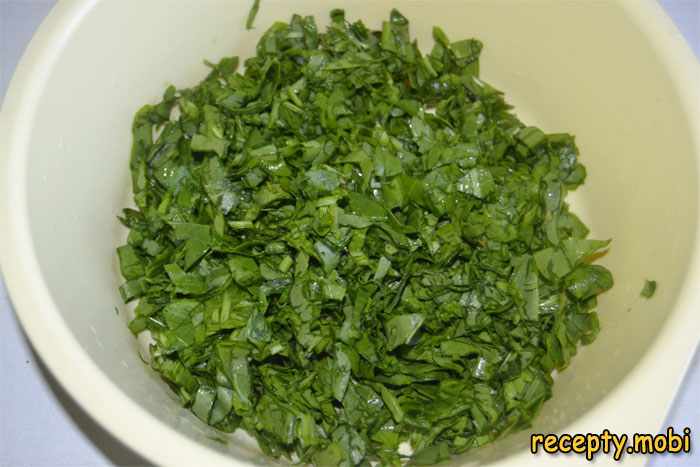
Wash the sorrel and finely chop it for proper finished signature green character.
Wash the 0.5 bunch of dill and finely chop it.
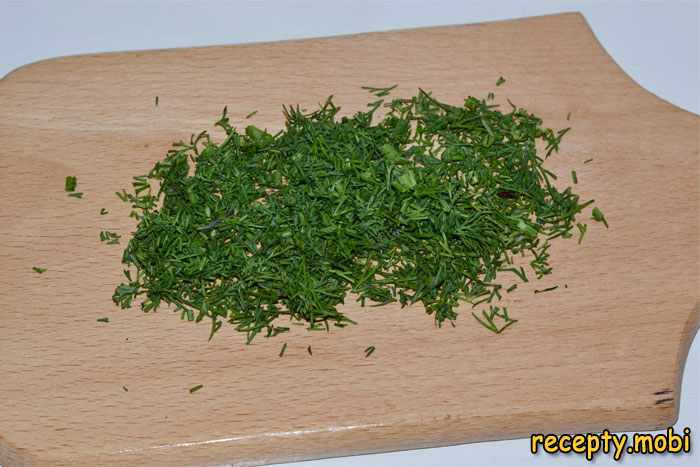
Add the chopped sorrel and dill to the boiling broth. Mix the greens well in the borscht. Boil the sorrel in the borscht for a couple of minutes until its greens turn brownish.
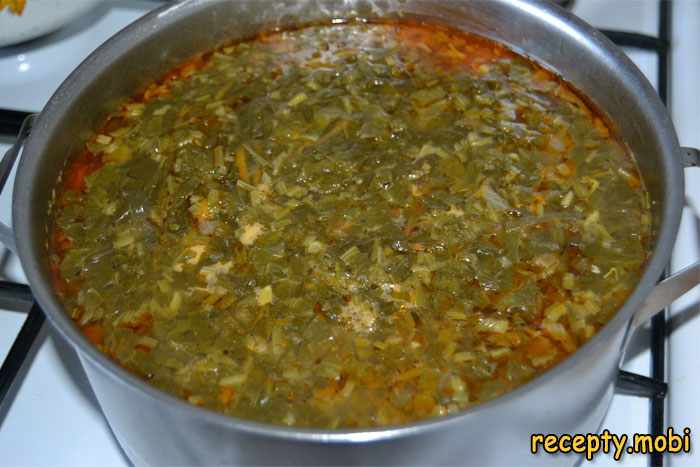
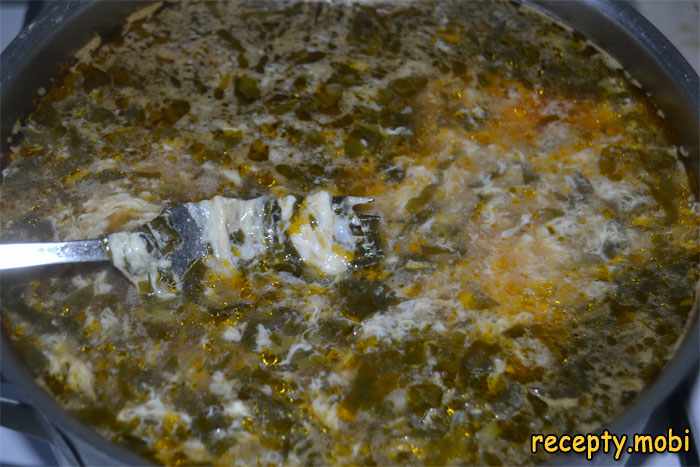
Crack raw chicken eggs into a bowl. Beat the raw eggs in the bowl with a fork. Pour this egg mixture into the boiling borscht, quickly stirring the raw eggs that have curdled in the boiling water.
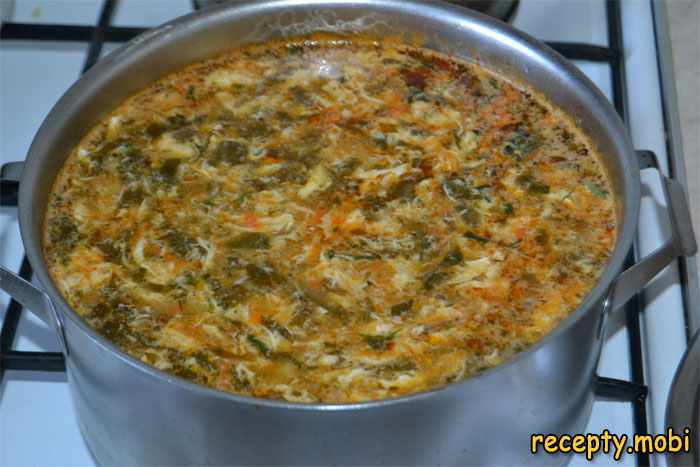
Now cut the boiled chicken that we removed from the broth at the very beginning into pieces. Add the small pieces of homemade chicken meat to the borscht. As soon as the green borscht boils again with the meat, turn off the heat. Cover the pot of borscht with sorrel loosely with a lid so it can infuse.
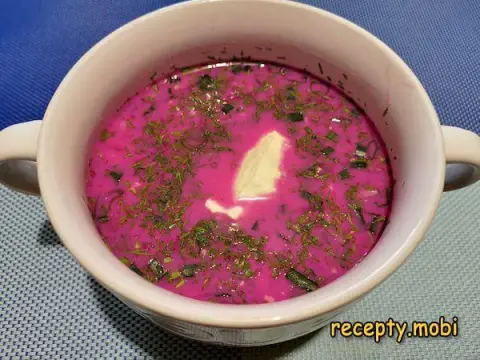
After 5-7 minutes, pour the green borscht into bowls, placing a piece of chicken in each bowl. Season the borscht with sorrel in the bowl with sour cream. Enjoy your meal!
Tips
- 1
Use homemade (free-range) chicken for the best finished rich broth flavor. Factory-farmed chicken produces flat thin broth; properly homemade chicken produces the proper signature deeply-flavorful character authentic to traditional Ukrainian-Russian green borscht preparations. Wash chicken thoroughly before cooking. The chicken quality matters more than home cooks typically realize for finished borscht quality and overall family-meal success consistently across batches reliably across various Slavic spring cooking occasions throughout the year for proper traditional results.
- 2
Boil beets in chicken broth for proper finished color development. Skipping the beet-broth-pre-boiling step produces pale results; properly beet-tinted broth that lightens to yellow produces the proper signature color development authentic to traditional Ukrainian green borscht preparations. The same beet-broth principle elevates many borscht preparations including borscht with beans, beets, cabbage, and pork liver and similar Russian-Ukrainian borscht preparations across various traditional Slavic culinary occasions throughout the year reliably.
- 3
Add sorrel at the very end (last 2-3 minutes) for finished proper signature greenness. Adding sorrel too early produces brown over-cooked results; properly end-added sorrel produces the proper signature bright tangy green character authentic to traditional Ukrainian-Russian spring borscht preparations. The patient end-sorrel principle pays back significantly in finished borscht-quality consistently across batches and various spring-season preparations throughout the year for proper traditional results worth showcasing reliably across various Slavic family-meal occasions throughout the year for proper home-cooking results.
- 4
Pair the finished green borscht with traditional Ukrainian-Russian accompaniments for proper presentation. Top with sour cream dollop, garnish with fresh dill, alongside hard-boiled egg halves, with rye bread, or with garlic-rye croutons for proper finished family-meal applications. Pair with crusty homemade bread for substantial spring meal spreads, alongside green onions for traditional accompaniment, or with chilled vodka for elegant Ukrainian-Russian style spring dinner presentations worth showcasing.
FAQ
Can I use spinach instead of sorrel? +
Yes, spinach works as substitute but lacks the signature tangy character. Each option produces distinct character: sorrel is most traditional Ukrainian-Russian-style and naturally tangy, spinach is mildest and most available, nettle leaves are most spring-foraged and traditional. Add a tablespoon of lemon juice or vinegar to spinach version for tangy approximation. Choose based on seasonal availability and preference for proper finished borscht variations consistently throughout the year reliably for proper personalized finished results.
How long does green borscht keep? +
Stored covered in the refrigerator, the borscht keeps for 3-4 days at peak quality. The flavors meld and improve over the first 24 hours. Reheat gently to preserve sorrel color and egg texture. The borscht freezes adequately for up to 2 months — thaw in refrigerator overnight before reheating. Best consumed within 3 days for the brightest most appealing finished results across multiple spring meal applications throughout the season reliably across various Ukrainian-Russian family-meal occasions.
Can I use other meat? +
Yes, pork ribs, beef, lamb, or fish all work as substitutes producing distinct character. Each meat produces distinct character: chicken is leanest and most traditional spring-style, pork ribs are richest and traditional Ukrainian-style, beef adds depth, fish creates lean Orthodox-fasting version. Adjust cooking time accordingly — beef needs longer (2-3 hours) than chicken (1 hour). Choose based on dietary preferences and traditional choices for proper finished variations consistently throughout the year reliably.
Why is my borscht too sour? +
Three usual causes: too much sorrel, sorrel cooked too long, or insufficient sweetness balance. Address proper measured sorrel amount, brief end-cooking only, and adding pinch of sugar to balance acidity. The combination of measured sorrel, brief cooking, and sweetness balance produces dramatic flavor-quality reliably across various Ukrainian-Russian green borscht preparation sessions throughout the year for proper traditional balanced results consistently.
- Comment
or post as a guest
Be the first to comment.