avg —
Pumpkin Cream Soup

Instructions
I get all the necessary ingredients ready. We need 600 g of pumpkin that has already been peeled and seeded.
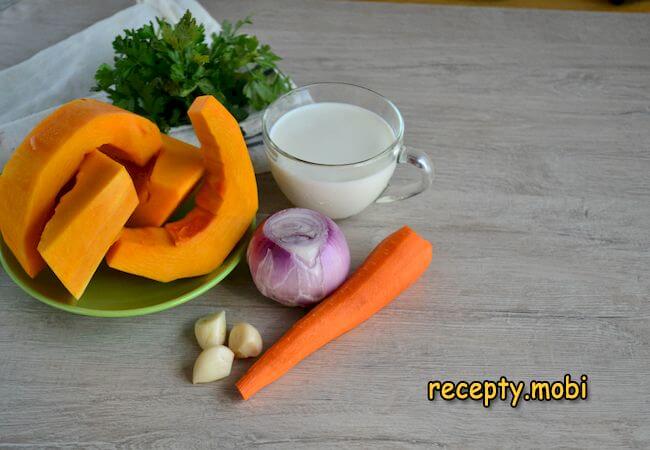
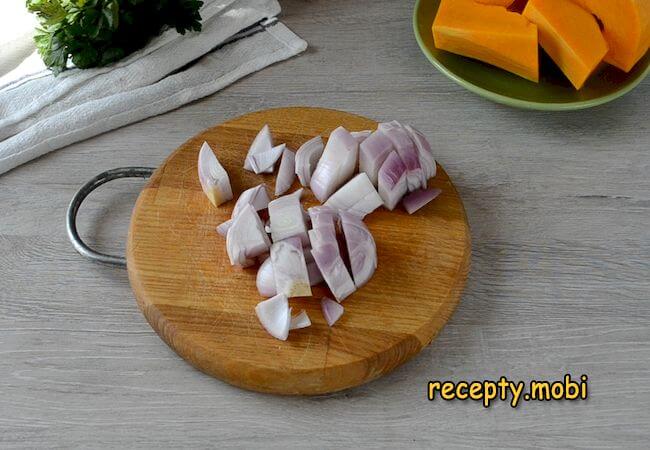
I cut the onion into fairly large pieces. The size does not matter – the soup will be blended to a puree in the end. The only important thing is that all the ingredients are cut roughly the same size, so they take an equal amount of time to cook.
I cut the carrot into medium-sized rounds.

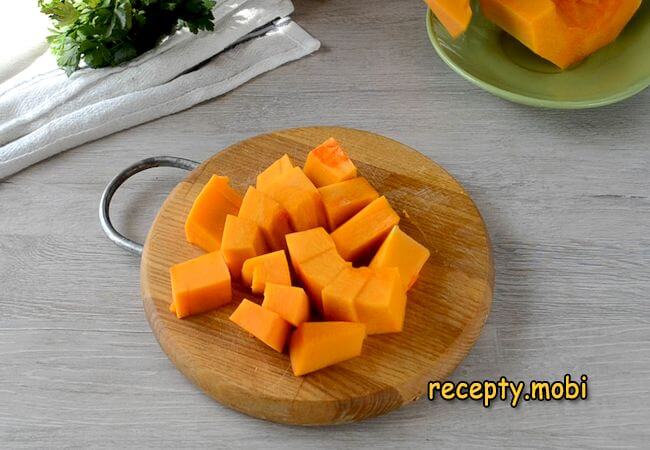
I cut the pumpkin into small cubes.
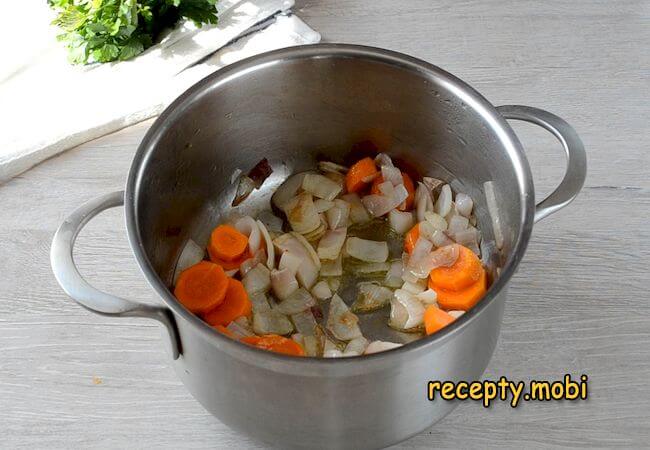
I pour some vegetable oil into a thick-bottomed pot, add the carrot and onion, and sauté lightly over medium heat. It is enough for the vegetables to turn slightly golden.
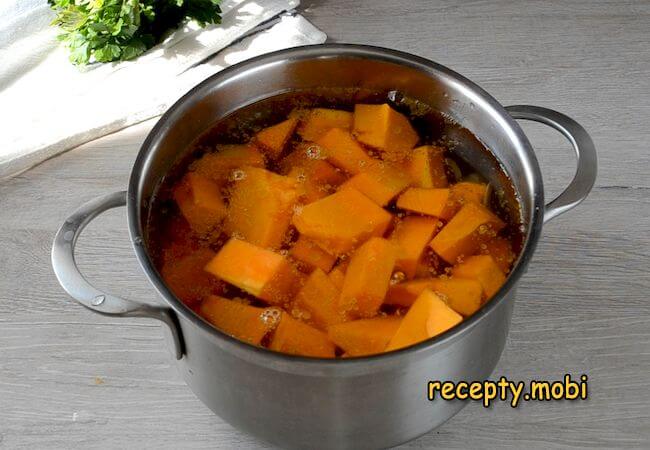
I add the diced pumpkin to the pot, pour in the water and cook for half an hour over medium heat. At this stage the vegetables need to cook and become soft. If the pumpkin is still firm, I cook it for another 10–15 minutes.
I take the pot off the heat and add the garlic, passed through a press, to the soup.
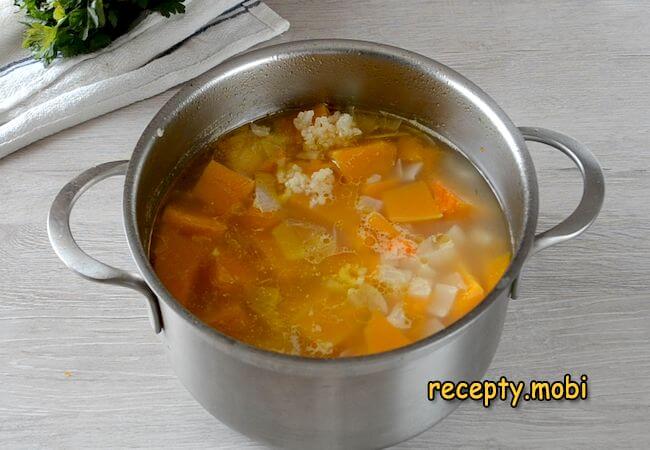
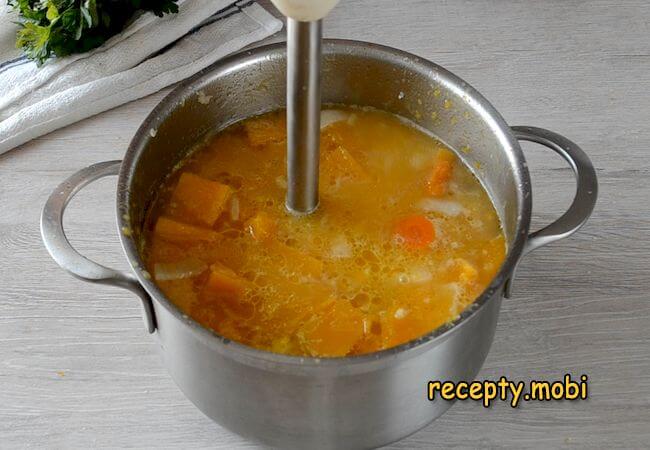
I blend the soup to a puree with an immersion blender.
I pour the cream into the pot, add salt and black ground pepper. I put it back on the heat and let it reduce for 3–5 minutes. If the soup is a little thin, I cook it for 10 minutes without covering it with a lid.
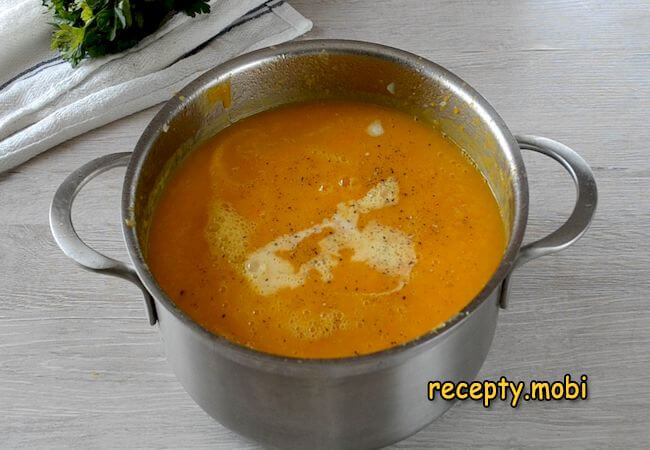
The pumpkin cream soup is ready – I serve it hot with homemade garlic croutons.



Tips
- 1
MUSCAT PUMPKIN is the best choice for a cream soup. It has a slightly sweet taste and orange flesh, and it cooks quickly. The butternut variety is the most popular.
- 2
ADD THE GARLIC AFTER taking the pot off the heat – this way all its beneficial phytoncides are preserved. Boiled garlic loses its aroma.
- 3
AN IMMERSION BLENDER is the ideal tool. A countertop blender will also work, but you have to pour the hot soup back and forth, which is inconvenient and unsafe.
- 4
FRESHLY GROUND PEPPER at the end dramatically changes the flavour. Pepper that was ground in advance has already lost its aromatic oils. The same trick works in other pureed vegetable soups.
Video

FAQ
Which pumpkin should I choose? +
For a cream soup the best options are: muscat (butternut) – the sweetest, cooks quickly, with bright orange flesh; Hokkaido – red skin, sweet, and you do not even have to peel it; the giant Atlantic – large, with fibrous flesh, suitable for soup but a little drier. Avoid decorative pumpkins (the small orange balls) – they are inedible. The most "budget-friendly" ordinary pumpkin also works, but it takes longer to cook and is less sweet. Baked pumpkin (30 minutes in the oven at 200 °C) gives the richest flavour.
What can I use instead of cream? +
Alternatives include: milk with butter (50 ml of milk + 1 tbsp of butter, mixed together) – a classic of Soviet-era cooking; coconut milk (for vegans, with a tropical note); 20% sour cream (more sour, but more interesting); processed cheese (50 g of cheese + 50 ml of water = a creamy effect plus body). Cream of 10–15% is optimal: not too rich and not too watery. Rich 33% cream will make the soup "heavy". For a lighter version, use 1.5% milk.
How long does the soup keep? +
In the fridge it keeps for 2–3 days in a covered pot. The next day the flavour is brighter – the spices have had time to develop and the garlic "opens up". Reheat it on the hob until it boils, with 1–2 tbsp of water. You can freeze it (for up to 2 months), but after thawing the cream may "curdle" – it is better to freeze the soup BEFORE adding the cream and then stir the cream into the finished, reheated soup. In the freezer it is stored in plastic containers or freezer bags. For convenience, divide it into portions.
What to serve it with? +
The classics: with garlic croutons (fry dark bread with garlic and oil), with bacon (a few fried slices on top), with sautéed mushrooms, with pumpkin seeds (toasted in a dry pan). For a "restaurant" presentation – a spoonful of cream + a drop of olive oil + some herbs on top. A baguette or ciabatta goes well with the soup. For children – add a spoonful of sour cream and a "cloud" of grated cheese. For a "hearty" version – add 2–3 slices of fried bacon or some prawns to the bowl.
- Comment
or post as a guest
Be the first to comment.