RU EN
Pilaf with beef in a multicooker
difficulty Hard
0 views this month
0 saved by readers
0 ratings
avg —
Dishes in a Multicooker

Pilaf with beef in a multicooker

It is hard to find a more popular dish made from grains and meat than pilaf. The traditional preparation produces remarkable family-meal-quality results that elevate basic beef into sophisticated multicooker-style pilaf applications worthy of family tables and weekday family applications throughout the entire year for…
Time 2 hours 30 minutes
Yield 6 servings
Calories 141 kcal
Difficulty Hard
Jump to recipe

Instructions

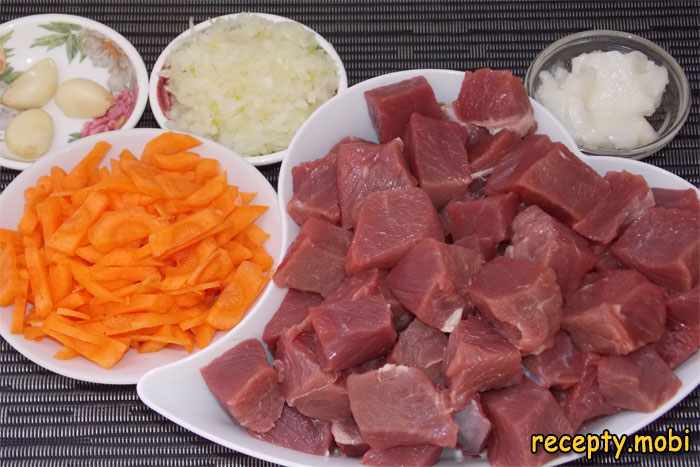
  1. First, prepare all the products for cooking beef pilaf in a multicooker. Wash the meat thoroughly, pat it dry (preferably until it is completely dry), and cut it into small pieces. They can be cubes or strips, thin slices in square or rectangular shape (the thinner the meat is cut, the less time it will require for cooking). Peel the carrot and rinse it, then cut it into not very thick strips. If you don't want to bother, grate the vegetable on a coarse grater. Remove the peel from the onion and finely chop it. Peel and rinse the garlic (do not crush it).

    Step 1
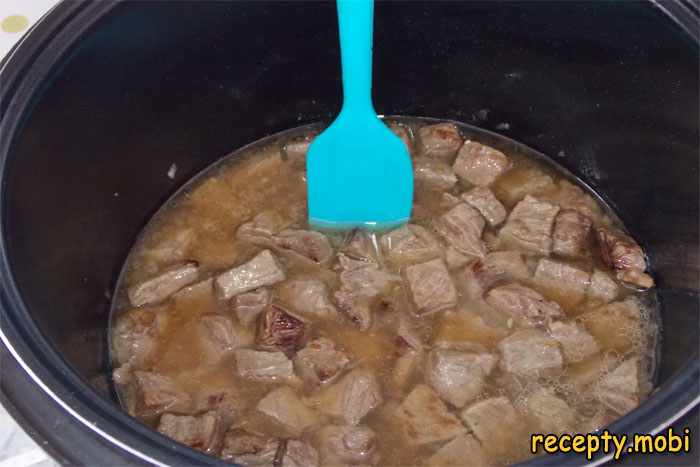
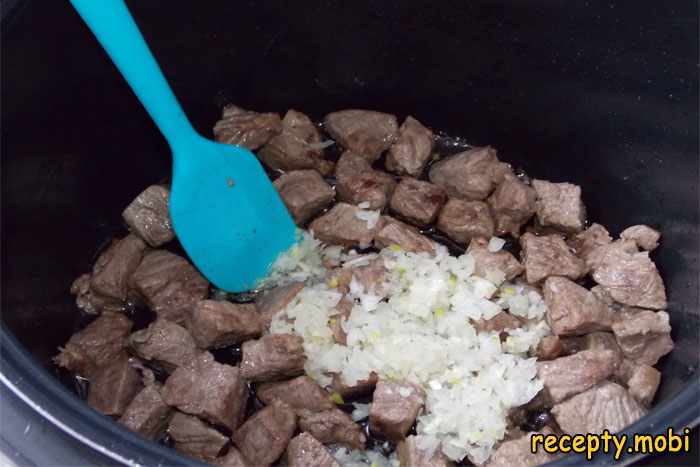
  2. Turn on the multicooker, set the "Frying" program for half an hour. Melt the pork fat in the bowl and fry the pieces of meat until lightly browned. Then add the onion to the meat, fry for another 5-10 minutes. Do not close the lid of the appliance.
    Step 2
  3. Pour some broth into the bowl with the meat and onion (enough to just cover the meat), switch the multicooker to "Stewing" mode, close the lid of the appliance, and set the cooking time for 1 hour.

    Step 3
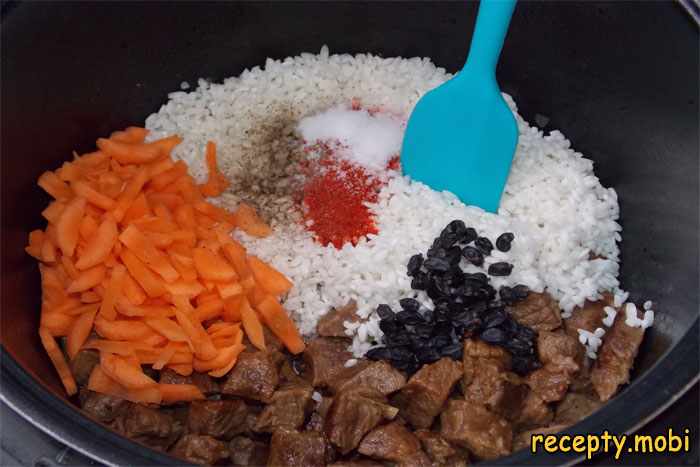
  4. After the signal from the multicooker indicating the end of work, add the chopped carrot, spices, thoroughly washed rice, and barberry berries to the bowl, and mix well.

    Step 4
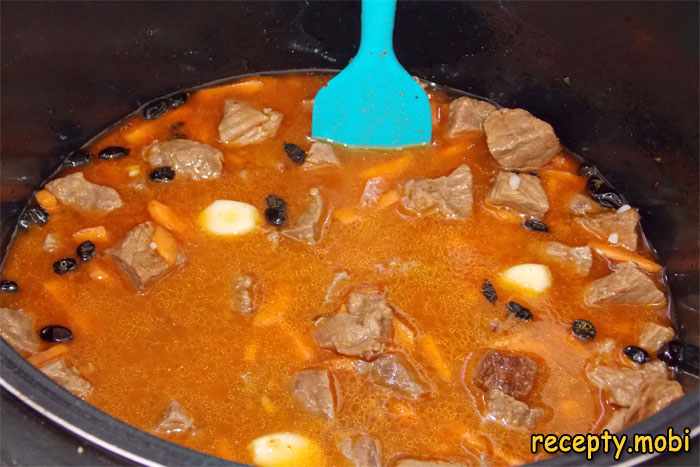
  5. Pour everything with broth so that it just barely covers the ingredients, mix again. Scatter garlic cloves on top (or poke them into the rice with meat) and close the lid of the appliance. Now switch the multicooker to the "Pilaf" program, and set the time for 45 minutes.

    Step 5
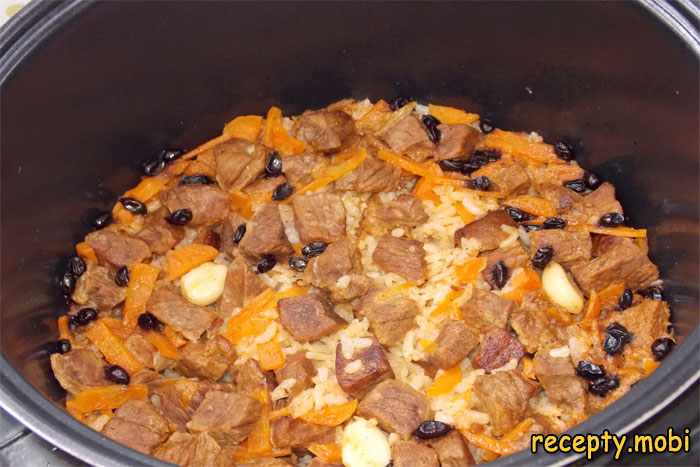
  6. As soon as the multicooker notifies you that it has finished its work, you can open the lid, take out the bowl with the finished dish, serve the pilaf with barberries on plates, and enjoy your meal.

    Step 6

Tips

  • 1

    Use proper multi-stage cooking program for best finished results. Single-stage cooking produces undercooked meat or overcooked rice; properly multi-stage approach (Frying → Stewing → Pilaf) produces the proper signature tender meat and fluffy rice character authentic to traditional Central Asian pilaf preparations. The staging technique matters more than home cooks typically realize for finished pilaf-quality and overall family-meal success consistently across batches reliably across various weekday meal occasions throughout the year for proper traditional results consistently.

  • 2

    Add barberries for proper finished authentic flavor profile. Skipping barberries produces flat one-dimensional pilaf; properly barberry-supplemented preparations (just a small handful) produce the proper signature tart-sweet authentic Central Asian character authentic to traditional pilaf preparations. The same dried-fruit principle elevates many pilaf preparations including dried tomatoes-style additions across various traditional Central Asian culinary occasions throughout the year reliably.

  • 3

    Wash rice thoroughly for proper finished texture. Unwashed rice produces gummy sticky results; properly thoroughly-washed rice (until water runs clear) produces the proper signature fluffy distinct grain character authentic to traditional Central Asian pilaf preparations. The patient rinsing principle pays back significantly in finished pilaf-quality consistently across batches and various rice-meat preparations throughout the year for proper traditional results worth showcasing reliably across various family-meal occasions for proper home-cooking results.

  • 4

    Pair the finished beef pilaf with traditional accompaniments for proper presentation. Serve hot with fresh herbs, alongside fresh vegetable salad, pickled vegetables, or with warm flatbread for elegant Central Asian-style meal presentations worth showcasing across various entertaining occasions reliably. Pair with crusty homemade bread for substantial dinner spreads throughout the year for proper traditional results worth showcasing reliably across various family-meal occasions throughout the year.

FAQ

Can I use other meats? +

Yes, lamb, pork, chicken, or mixed meats all work beautifully as substitutes for beef. Each option produces distinct character: beef provides hearty rich flavor, lamb adds traditional Central Asian authenticity, pork adds juicy richness, chicken provides lighter quicker-cooking option. Adjust cooking time slightly — chicken needs less stewing time, lamb may need more. Choose based on personal preference and dietary needs for proper finished pilaf variations consistently throughout the year reliably across various meal occasions across various preparation sessions throughout the year.

How long does pilaf keep? +

Stored covered in the refrigerator, the pilaf keeps for 3-4 days at peak quality. The flavors meld and improve over the first 24 hours as components marry beautifully. Reheat gently in microwave or covered in pan with splash of water to preserve texture. The pilaf freezes adequately for up to 2 months — thaw in refrigerator overnight before reheating. Best consumed within 2-3 days for the brightest most appealing finished results across multiple meal applications throughout the year reliably across various family-meal occasions.

Can I make pilaf without multicooker? +

Yes, traditional cauldron or heavy-bottomed pot on stovetop works beautifully producing more authentic Central Asian results. Each option produces distinct character: multicooker provides hands-off convenience, traditional cauldron produces deeper smoky character with crispy bottom layer (tahdig). Adjust technique — fry meat first, add liquid and stew, then add rice with broth. Cook covered on low heat for 30-40 minutes. Choose based on equipment availability and time for proper finished pilaf variations consistently throughout the year reliably.

Why is my pilaf mushy? +

Three usual causes: too much liquid relative to rice, rice not thoroughly washed before cooking, or wrong rice variety used. Address proper liquid-to-rice ratio (4-4.5 multicups for 2 multicups rice), thoroughly washed rice (until water runs clear), and proper "Baldo" or parboiled long-grain rice variety for consistently fluffy results. The combination of proper liquid, washed rice, and right variety produces dramatic texture-quality reliably across various Central Asian preparation sessions throughout the year for proper traditional results consistently across various family-meal occasions reliably.

Cook beef pilaf in a multicooker with pleasure. Bon appetit!

Write comments...
symbols left.
or post as a guest
Loading comment... The comment will be refreshed after 00:00.

Be the first to comment.