avg —
Compote of Red Currants and Apples for Winter

Instructions
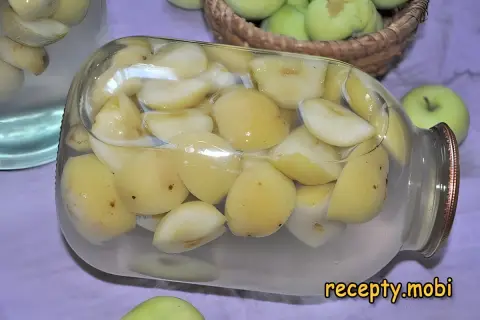
Wash the red currants (0.5–0.8 kg) and apples (0.5–0.8 kg) thoroughly under running water in a colander. There is no need to remove the stems from the currants – they will give the drink an extra tart aroma. Sort the berries, removing any debris and damaged ones. Cut the apples into small slices (8 slices from one medium apple), making sure to remove the core with the seeds and any damaged spots. If the apples darken quickly, put the slices into cold water with a pinch of citric acid for 5 minutes – this will keep them light in colour.
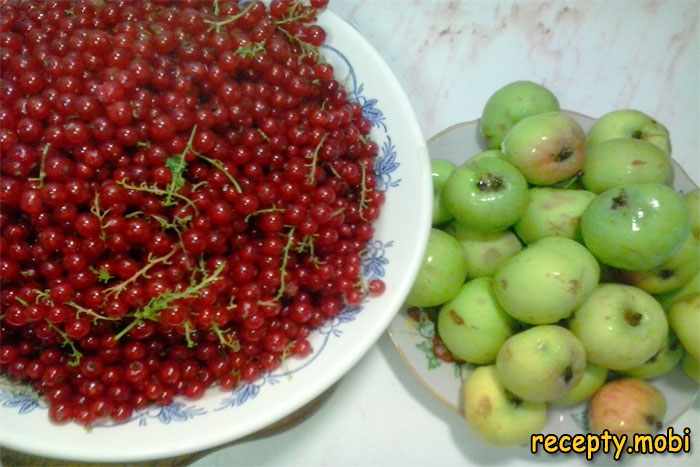
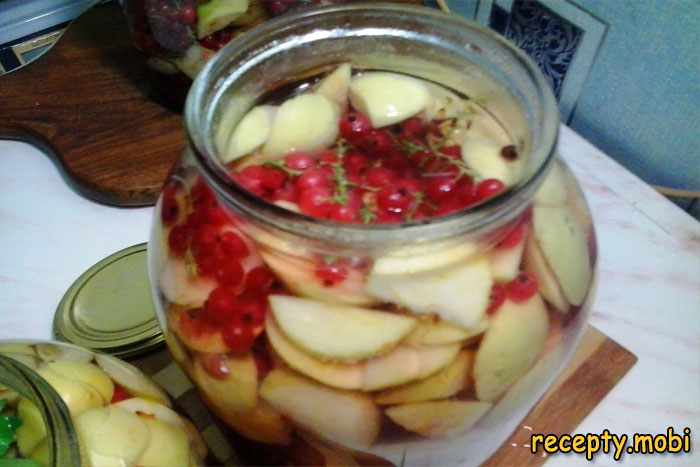
Sterilise clean two-litre jars by any convenient method: over steam for 15 minutes, in the oven at 120 °C for 10 minutes, or in the microwave with 50 ml of water for 5 minutes. Boil the metal lids for 5 minutes. Fill each sterilised jar about one third full with the prepared currants and the cut apple slices. Pour boiling water (freshly boiled from the kettle) into the jars right to the top, so that the berries and fruit are steamed through. If you like, add a sprig of fresh mint and lemon basil to each jar – they will give a refined aroma. Leave the jars, covered with the sterilised lids (but not sealed), for 5–10 minutes – during this time the boiling water gives up its heat to the fruit and berries.
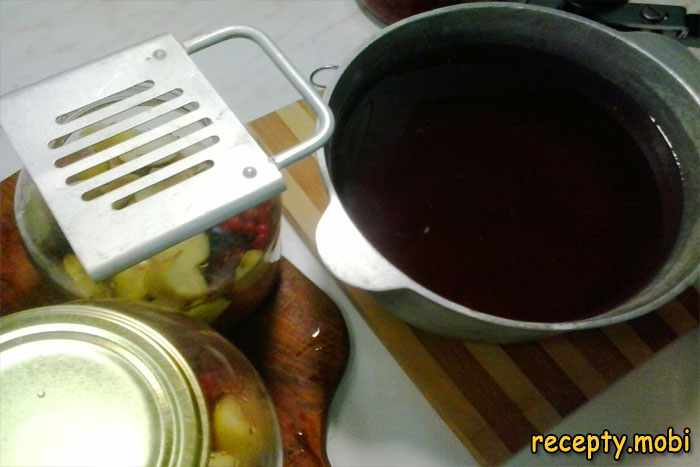
Drain the water from the jars into a saucepan through a sieve (so the berries stay in the jar), put it on the heat and bring to the boil over high heat. Once the liquid boils, add 2 tablespoons of sugar per litre of water (6 tablespoons in total for the 2.5 l of liquid you have), and stir well with a spoon until the sugar is fully dissolved. Take it off the heat – the syrup is ready.
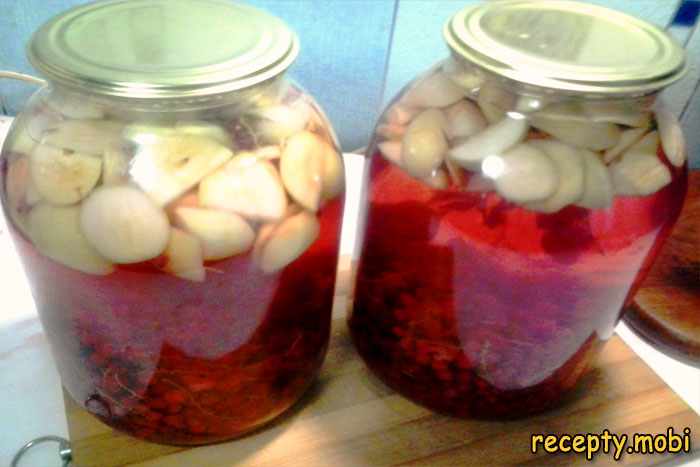
Pour the hot, ready syrup back over the currants and apples in the jars, right up to the top of the neck. Add 1/4 teaspoon of citric acid to each jar to keep the bright colour of the berries and add a little extra tartness – currants stay ruby-red with citric acid, while without it they darken and turn brownish.
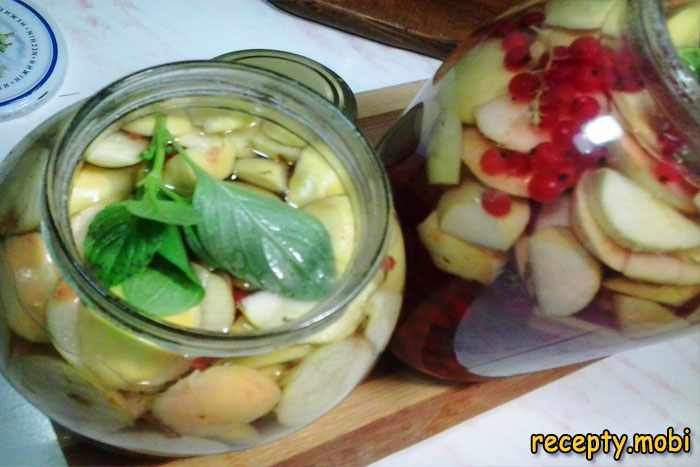
Straight away cover the jars with sterilised metal lids with rubber seals and quickly seal them with a canning tool (for screw-on lids, tighten firmly by hand). Wipe the necks of the jars with a dry, clean cloth or paper towel to remove any drops of syrup. Carefully turn the jars upside down or onto their side to check that the seal is tight – there should be no leaks. Cover them with a warm blanket or towel and let them cool slowly for 12 hours – this is extra "sauna" sterilisation for reliable storage. Once completely cool, put the preserves away in a cool, dark place for storage (a cellar, a pantry, or a lower kitchen cupboard). Your homemade compote is ready for winter!


Tips
- 1
When cutting the apples, be sure to remove any damaged or rotten spots, along with the core and seeds – they make the finished compote bitter and can cause fermentation during storage.
- 2
If the apples darken quickly in the air, cover the cut slices with cold water and a knife-tip of citric acid for 5 minutes – this keeps them light in the finished compote and stops them turning dark.
- 3
To preserve the bright ruby colour of the currants, be sure to add 1/4 teaspoon of citric acid to each jar before sealing – without it the red colour fades over time and the berries turn brownish.
- 4
Turn the sealed homemade jars upside down and cover them with a warm blanket so they cool gradually – this provides extra sterilisation and reliable storage for a year or more.
FAQ
Can I use frozen berries for the compote? +
Yes, frozen berries are excellent for making compote in winter. Important: there is no need to defrost the berries – pour boiling water over them straight from the freezer. Thawing them first leads to a loss of some of the juice and aroma. The compote will be just as tasty as one made from fresh berries, although the colour may be a little paler. Use frozen currants, strawberries, raspberries or cherries – any summer berries. It is a great way to save time and use up the supplies in your freezer. A homemade recipe in the winter season is a real boost for the immune system.
How long does compote of currants and apples keep? +
Properly sealed in sterile jars with airtight lids and kept in a cool, dark place (a cellar or pantry), it keeps for up to 1 year without losing its taste or beneficial properties. At room temperature in a shaded cupboard it keeps for 6–8 months. Once opened, keep the jar of compote in the fridge for up to 3–5 days – it spoils quickly without an airtight seal. Signs of spoilage: cloudy syrup, berries floating up, gas bubbles, a sour smell, a bulging lid. If you notice any of these, throw the compote away. Homemade compote is completely natural and safe when the method is followed.
Can I reduce the amount of sugar in the compote? +
Yes, you can, but there are some important points to bear in mind. Sugar in compote plays a double role: it adds flavour (making the drink sweet) and acts as a preservative (preventing fermentation). Reducing the sugar will lead to: a less sweet taste (which is often desirable for those watching their weight or with diabetes), a storage life cut by half (down to 6 months instead of a year), and a higher risk of fermentation if sterility is not maintained. The minimum for standard canning is 1 tablespoon of sugar per litre of water. For a diabetic version you can use stevia instead of sugar, but only for compote meant to be drunk soon. The step-by-step recipe can be adapted.
What other fruit and berries can I add to the compote? +
Great combinations are: strawberries + apples (a classic summer pairing), raspberries + white currants (a delicate, fragrant option), cherries + apricots (a southern, spicy accent), pears + plums + grapes (an autumn harvest mix), sea buckthorn + rowan + rosehip (a healthy vitamin blend for the immune system). You can add spices: 1 cinnamon stick, 2–3 cloves, or 3–4 allspice berries per jar. For a citrus accent, add 2 thin slices of lemon or orange. Fresh mint, lemon balm or tarragon will give unexpected aromatic notes. A homemade recipe leaves plenty of room for culinary creativity.
- Comment
or post as a guest
Be the first to comment.