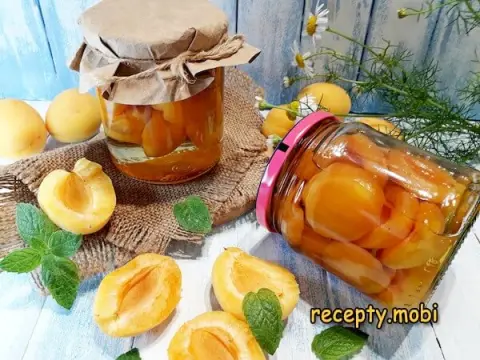
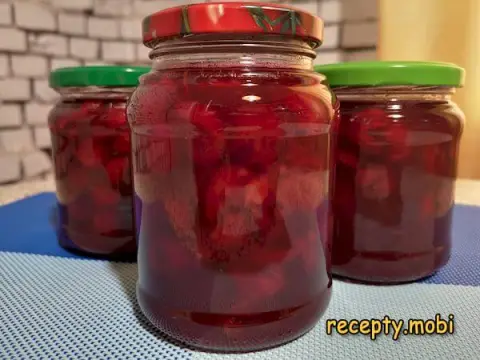
avg —
Apricot Jam for Winter in Five Minutes (+Cooking Video)

Instructions
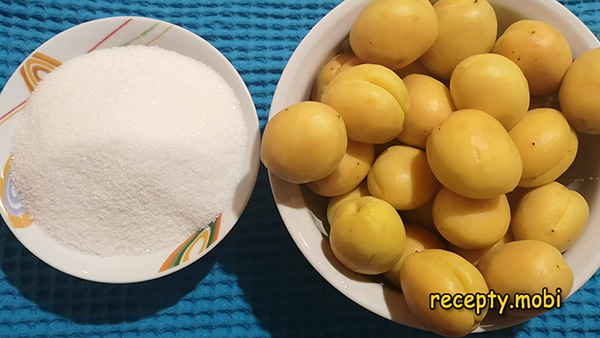
I prepare the ingredients for the five-minute apricot jam. Wash the apricots well under running water.
Halve the apricots, remove the pits, and cut them into pieces. Scatter a little sugar over the bottom of the pot, then lay the apricot pieces on top in a layer.
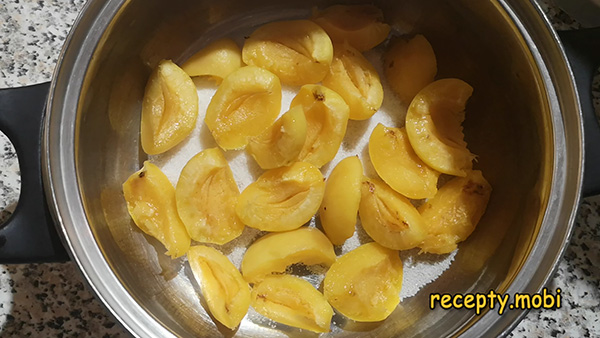
Sprinkle sugar over the layer of apricot pieces in the pot.
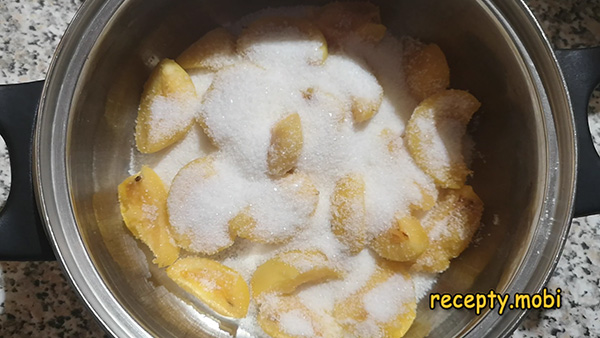
Lay the next layer of apricot pieces over the sugar and sprinkle everything with sugar again. Carry on this way, layer by layer, filling the pot with apricot pieces and sugar all the way to the top.
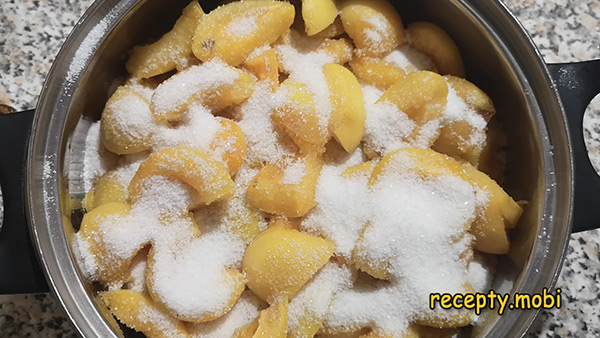
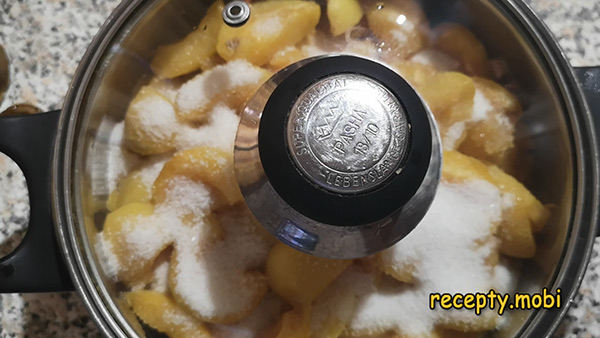
Cover with a lid and put the pot in the fridge overnight.
The next morning, take the preserve out of the fridge.
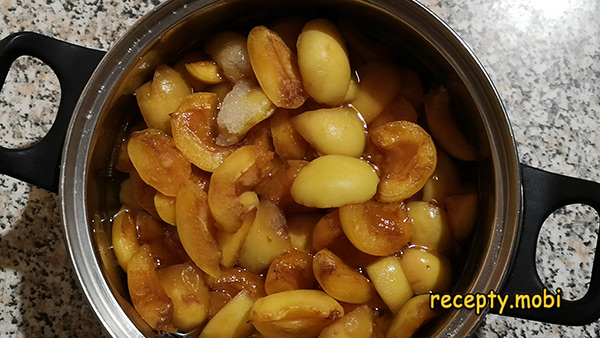
Set the pot on the stove over low heat. Gently lift the sugar from the bottom of the pot with a wooden spatula. Bring the mixture to a boil and cook for 5 minutes, skimming off the foam as it forms. Then take it off the heat.
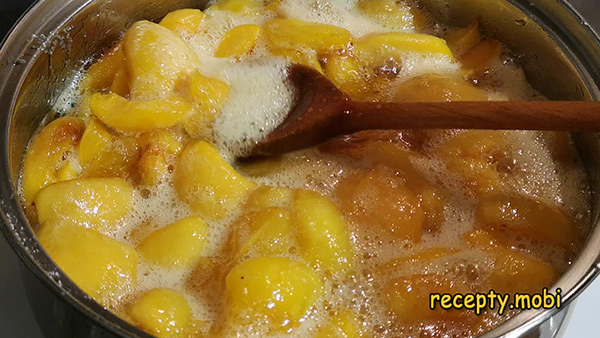
Fill sterilised jars with the hot jam.
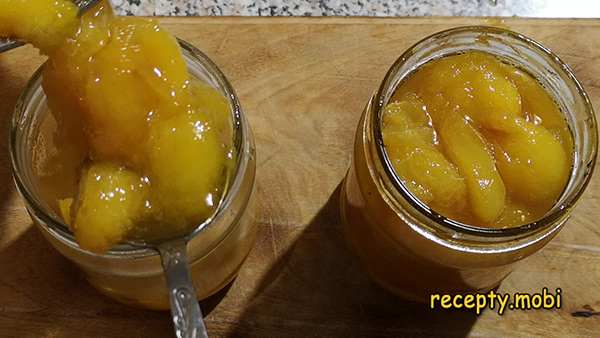
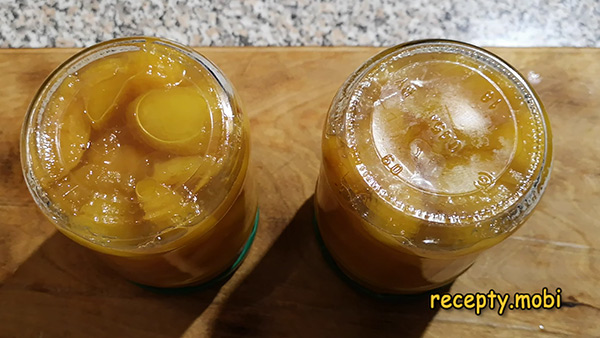
Screw the sterilised lids on tightly. Then turn the jars upside down onto the lids and leave them until completely cool.


Tips
- 1
The overnight sugaring is the secret to keeping the fruit's shape. If you boil the apricots straight away, they cook down to a pulp. Resting them with sugar for 8 hours in the fridge lets the fruit release its juice and hold its shape during boiling.
- 2
The five-minute boil is the secret to the flavour. A long boil kills the vitamins and the aroma. Just 5 minutes keeps the jam fragrant and tasting fresh.
- 3
The wooden spatula is the secret to keeping quality. A metal spoon scratches the pot and oxidises the fruit. A wooden spatula helps the jam keep its colour.
- 4
Turning the jars onto their lids is the secret to sterilising. Without this, a lid may not seal tightly and mould can appear; turning the jar over pasteurises the lid. The same principle works in other five-minute winter jams and preserves.
Video

FAQ
Which apricots should I choose? +
The best choice is firm, fleshy apricots of medium ripeness with a good aroma. Home-grown apricots from your own garden are ideal. You can also use peaches, nectarines, mirabelle plums, or a mix of apricots with plums or peaches. Do not use overripe, soft fruit, which will fall apart, or fruit that is rotten or spotted.
How much sugar do I need? +
This recipe uses a light proportion of 400 g of sugar to 1 kg of apricots, which gives a more fruit-forward jam. The classic ratio is 1:1 (1 kg of sugar), which keeps longer; a 1:0.7 ratio (700 g) is fruitier, while 1:0.5 (500 g) gives a lighter result. You can also replace part of the sugar with honey, or use brown sugar for a caramel note. Use plain white sugar to taste for the classic version.
How long does five-minute jam keep? +
In a cellar or a cool, dark place at 5–15°C it keeps for up to 1 year (less sugar means a shorter shelf life). At room temperature, up to 25°C, it keeps for 6 months. Once opened, store the jar in the fridge and use it within 2–3 weeks. Keep the jars out of direct sunlight, or the jam will darken. If a lid bulges or you see mould, do not eat the jam – throw it out.
What do you serve apricot jam with? +
It is lovely with a cup of black tea, with pancakes and fritters, with cottage-cheese fritters and sour cream, or simply spread on toast or a croissant for breakfast. It also goes well with cheesecake, a scoop of vanilla ice cream, a cottage-cheese bake, or stirred into a child's porridge such as oat or semolina. You can use it as a filling for pies and cakes, or serve it with coffee, cold milk, or Greek yoghurt.
- Comment
or post as a guest
Be the first to comment.