avg —
Beetroot Borscht Preparation for Winter

Instructions
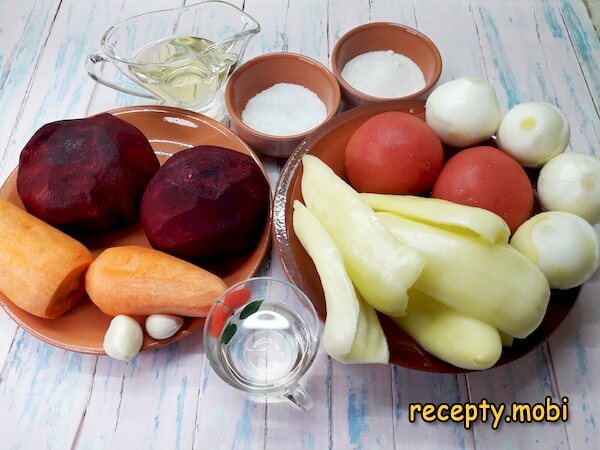
I get the listed ingredients ready.
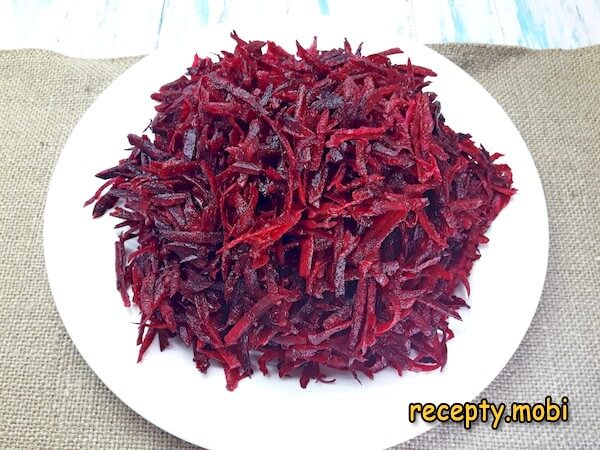
Grate the beetroot coarsely.
Do the same with the carrot.

Chop the onion.
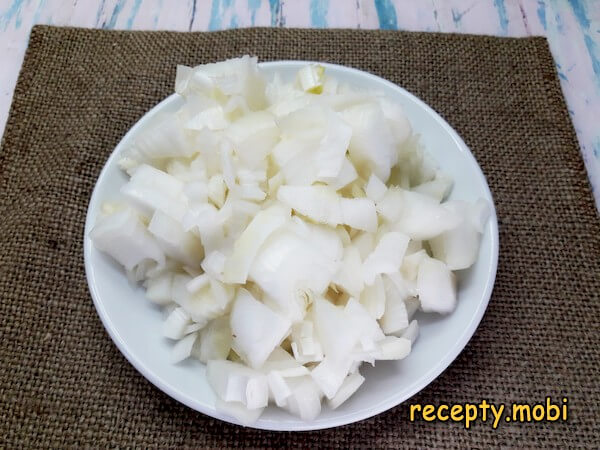
Cut the pepper to a similar size.
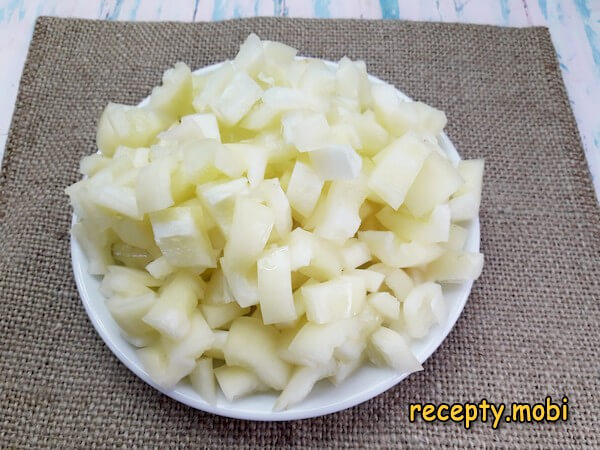
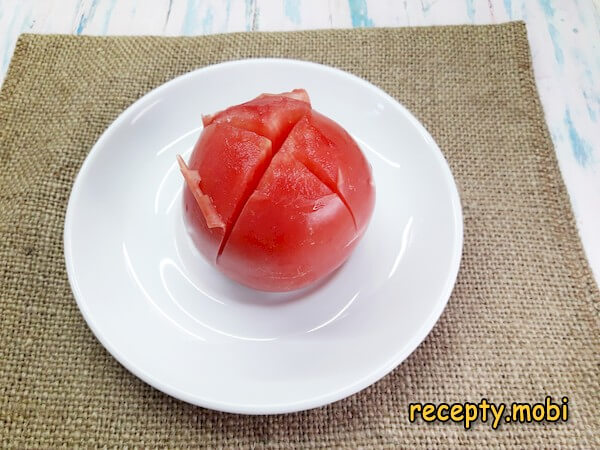
Peel the tomatoes: score a cross in the middle of each and slip off the skin.
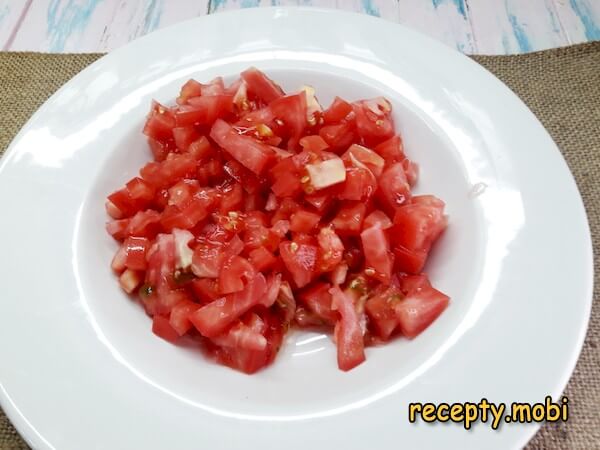
Cut the tomatoes into cubes.
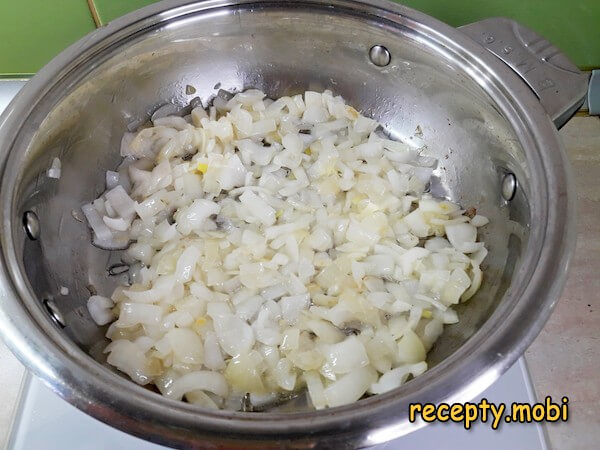
Pour half of the oil into a deep skillet and sauté the onion until it turns translucent and the moisture has evaporated.
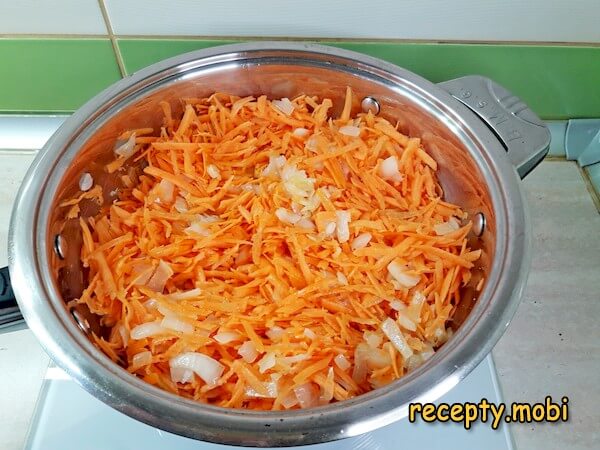
Without taking the skillet off the heat, add the carrot and stir.
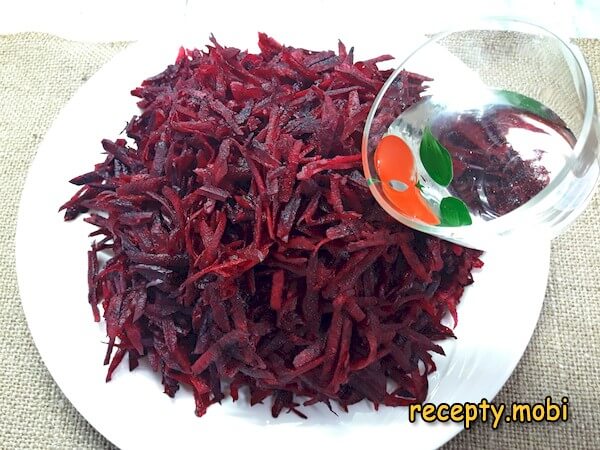
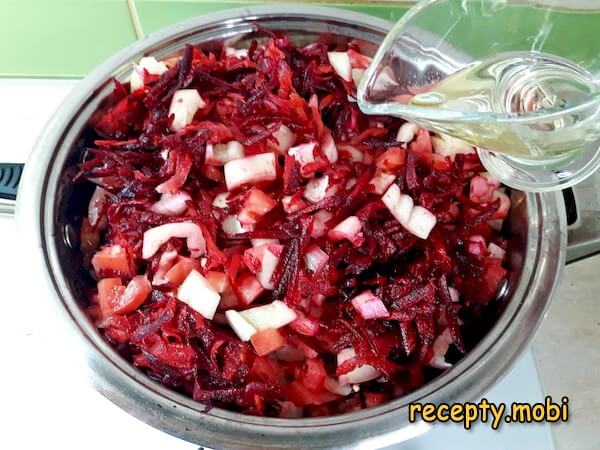
In a separate bowl, combine the beetroot with half of the vinegar; thanks to this, the root vegetable will not lose its lovely colour during cooking.
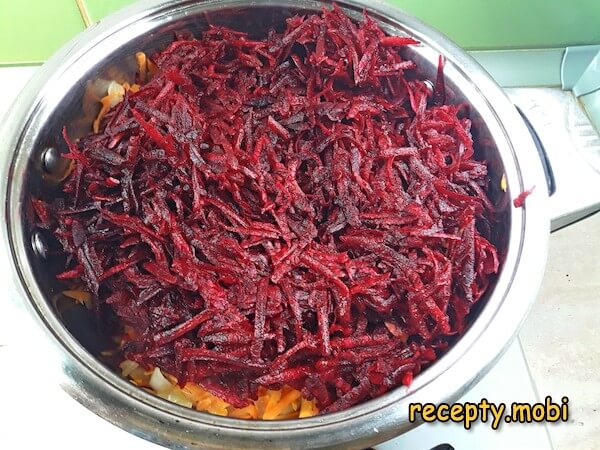
Transfer the beetroot to the skillet.
Add the pepper and tomatoes right away.
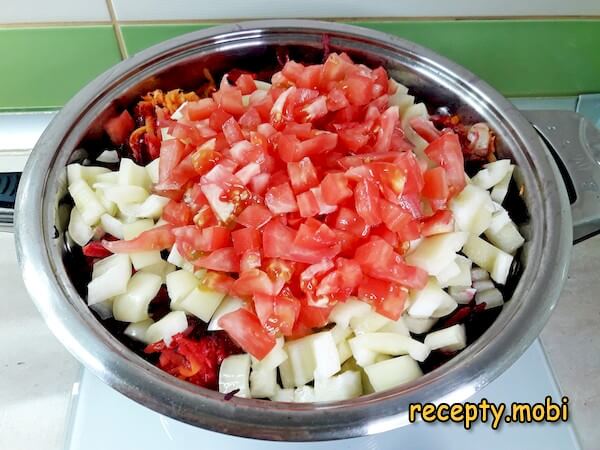
Pour in the remaining half of the oil.
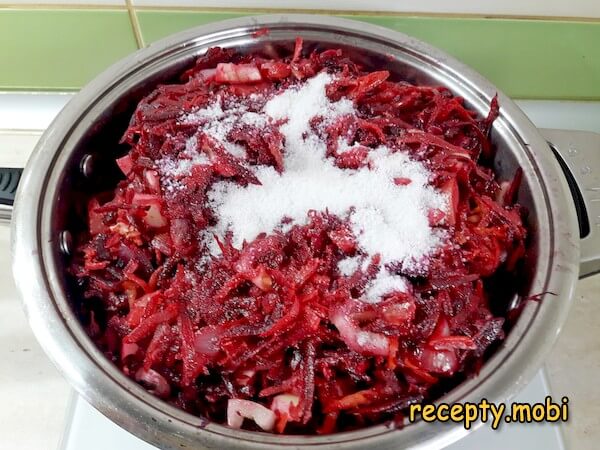
Season everything with the salt and sugar, which immediately makes the vegetables release more juice. Stir the dressing.
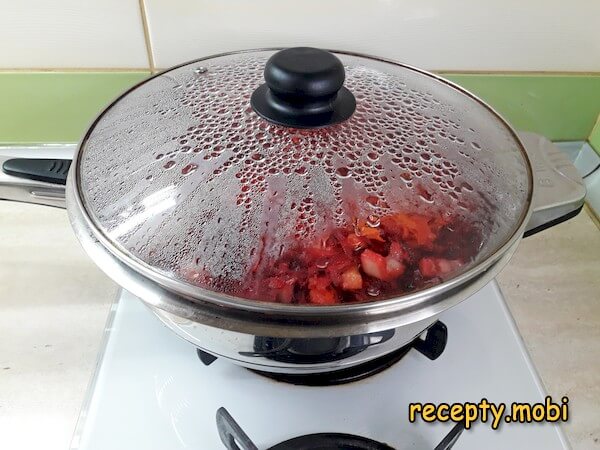
From the moment it comes to a boil, simmer the vegetable mixture under a lid for half an hour, stirring it now and then.
Then crush the garlic through a press.
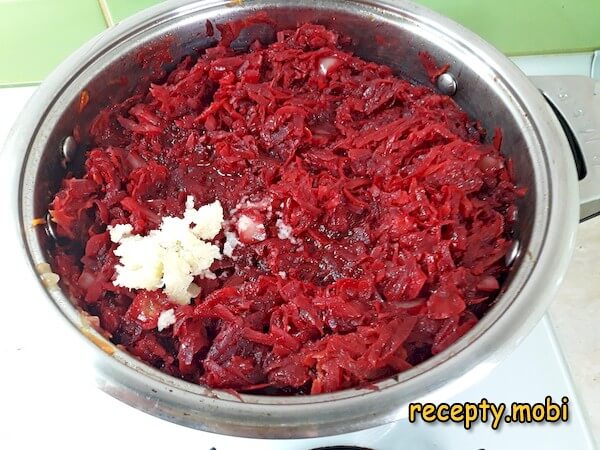
Pour in the remaining vinegar. After stirring thoroughly, simmer the vegetables on the hob for another 5 minutes.
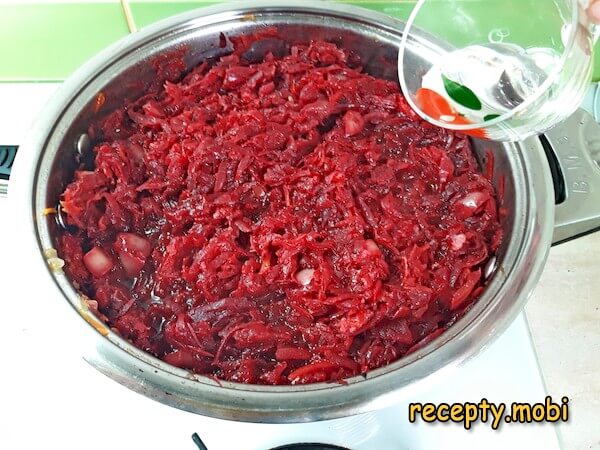
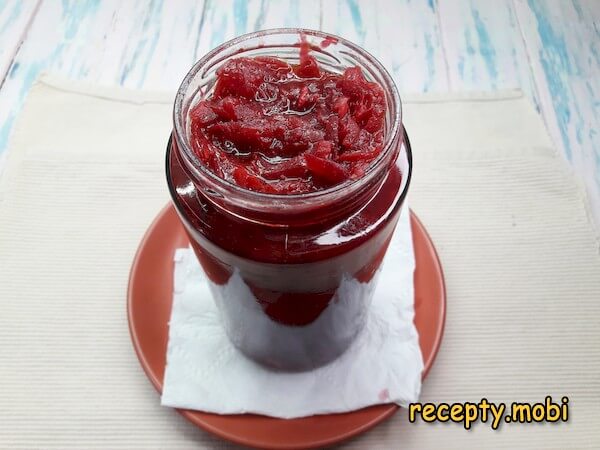
Carefully fill the jars, pressing the mixture down with a spoon from time to time so that the tiniest air bubbles come out.
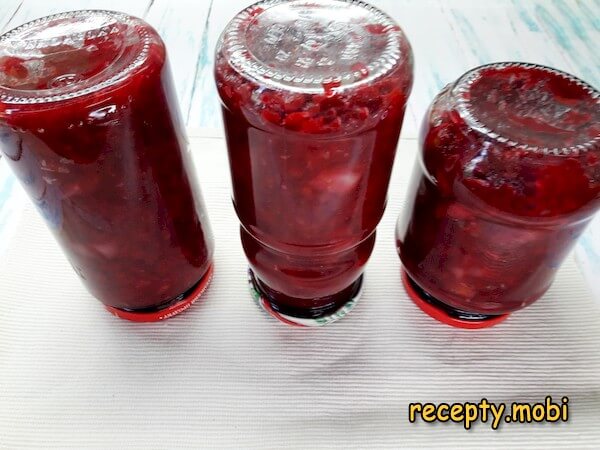
Screw the lids on and turn the jars upside down. Wait for them to cool.


Tips
- 1
Vinegar on the beetroot separately is the secret to the colour. Adding half of the vinegar to the beetroot in advance means it will not fade and stays a deep burgundy during stewing.
- 2
Dark burgundy beetroot is the secret to the right colour. Light varieties give a dull, pale borscht. Use only dark ones.
- 3
Tamping with a spoon is the secret against bubbles. Air in the jars means a risk of spoilage, so compact each layer.
- 4
One jar per 3–4 litres of borscht – know your dosage. Bear in mind that the dressing is already salted, so don't over-salt. The same principle works with other kinds of soup dressings for winter.
FAQ
How do I use the preparation? +
It is very simple: cook a broth with meat and potatoes (40–60 minutes), add one half-litre jar of the preparation per 3–4 litres of borscht, simmer for 5–7 minutes, and the borscht is ready. There is no need to chop, grate or sauté vegetables in winter. It also works for beetroot soups, cold borscht and as a base for other soups. You can serve it as a stand-alone snack with bread. For a lean version, use it without meat, with vegetable broth only. For a premium borscht, use the preparation together with home-made meat patties. You can also use the preparation as stewed vegetables (without the soup), to go with meat or potatoes.
Which beetroot should I choose? +
Ideally, dark burgundy table beetroot without white rings on the cut. Popular varieties include Bordo 237, Cylindra, Nesravnennaya A-463 and Detroit. A size of 200–300 g is best (large ones are fibrous, small ones have little flesh). Fresh beetroot is firm, without dents or rot. Do not use fodder beetroot (pale) or overgrown beetroot (with white rings, which is woody). Young beetroot (250–350 g) is the premium option. Before grating, wash it and clean off any soil. Grate it on a coarse grater for the right borscht texture.
How long does the preparation keep? +
In sealed jars at any temperature, up to 1 year (on the author's advice). In a cool cellar, up to 2 years. Once opened, 5–7 days in the fridge. Do not store it in the sun, or the colour will fade. If the lid bulges, do not open it – throw it away (bacteria). Write the canning date on the jars. Use small 0.5 L jars – they are more convenient (one jar makes one pot of borscht). Do not freeze it, as the jars will burst. It is best used within the first 6 months, when the aroma is brighter. A preparation made with young summer vegetables is tastier than a lazy winter one.
What should I serve borscht from the preparation with? +
The classics: with sour cream (thick), fresh garlic, black bread and garlic pampushki. With a bowl of thick sour cream and herbs. With a shot of cold vodka, the Ukrainian way of serving. With a fresh vegetable salad. With Borodinsky or rye bread. For a family dinner, it is a must. With a glass of red semi-sweet wine (Kagor), a rare pairing. With pelmeni or vareniki, a winter meal. For a lean version, without sour cream, with vegetable oil. With a garlic sauce made from sour cream and garlic. A universal dressing for Russian-Ukrainian borscht.
- Comment
or post as a guest
Be the first to comment.