Write a comment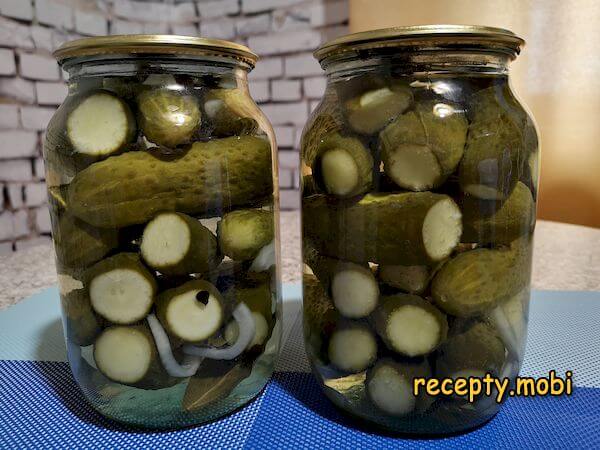
Bulgarian Pickled Cucumbers for Winter
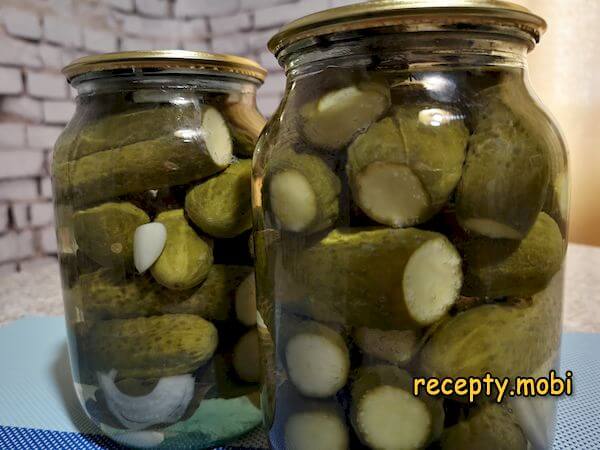
For several decades, Bulgarian-style pickled cucumbers have earned a permanent spot in the well-stocked Russian pantry as one of the very best ways to preserve cucumbers for winter. The recipe produces tasty crispy moderately sweet cucumbers with a piquant flavor profile thanks to a thoughtful spice blend that lifts the basic vegetable into something genuinely special. Use this recipe and discover that no household can ever stock too many jars of Bulgarian-style cucumbers; they disappear quickly throughout the winter as a beloved accompaniment to potatoes, meat dishes, sandwiches, and any meal that benefits from bright tangy crunch on the side at the family table.
Preparation time: 45 minutes.
Ingredients
Show ingredients
- fresh cucumbers — 1600 g (per 1 litre jar);
- garlic — 3 cloves (per jar);
- bay leaf — 2 pieces (per jar);
- onion — 1/2 piece (per jar);
- black pepper — 12 pieces (per jar);
- allspice — 6 pieces (per jar);
- sugar — 4 tsp (per jar);
- salt — 2 tsp without a heap (per jar);
- 9% vinegar — 4 tbsp (per jar);
- water — 1 litre (per jar).
Preparation
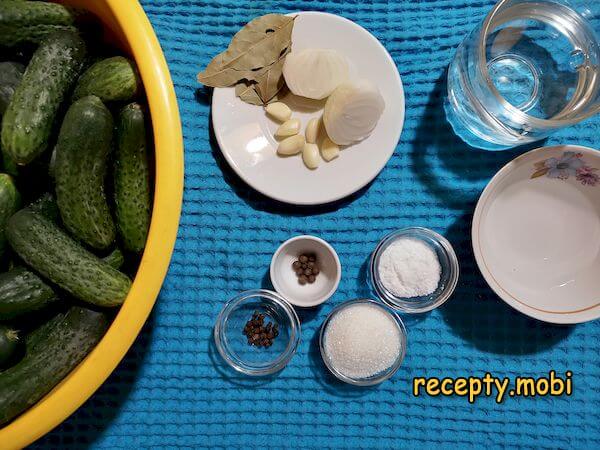
- Lay out every ingredient before starting the preserve project. Peel the onion and the garlic. Cut the onion in half. Wash the cucumbers under cool running water and soak them in a deep bowl of cold water for three to four hours before assembly; the cold-water soak refreshes the cucumbers and removes any field dust that survived the initial rinse.
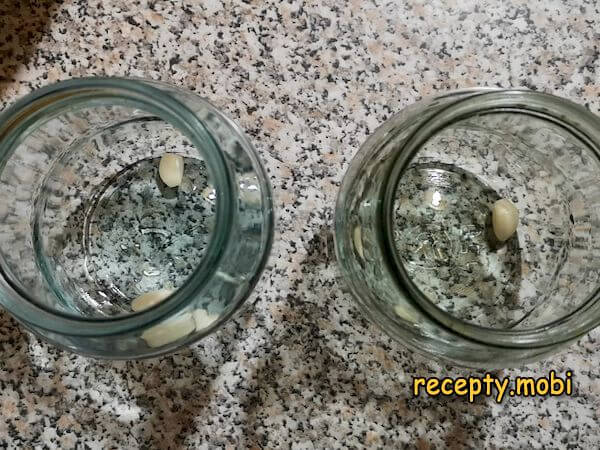
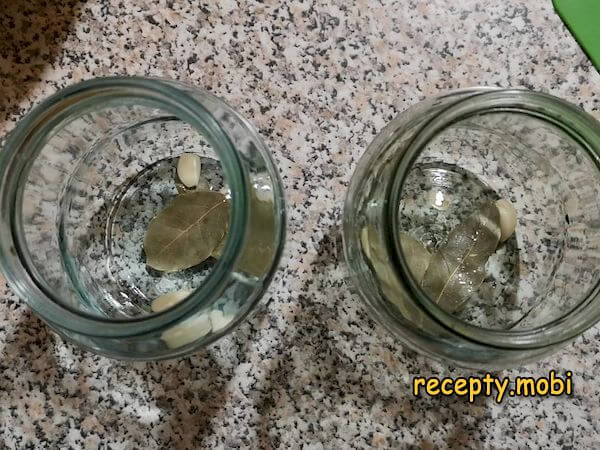
- Place three cloves of garlic into the bottom of each sterilized jar. The garlic forms the aromatic foundation that infuses every cucumber stick during the long storage period.
- Add two bay leaves to each jar on top of the garlic. The bay leaves contribute the characteristic herbal note that defines Bulgarian-style pickles and distinguishes them from the simpler Russian version.
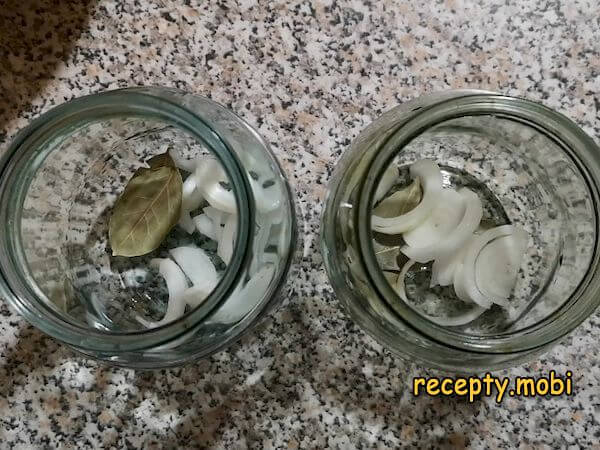
- Slice half an onion into thin half-rings and divide between the two jars. The thin onion slices distribute their flavor evenly throughout the brine without overwhelming the cucumber character at the centre of the dish.
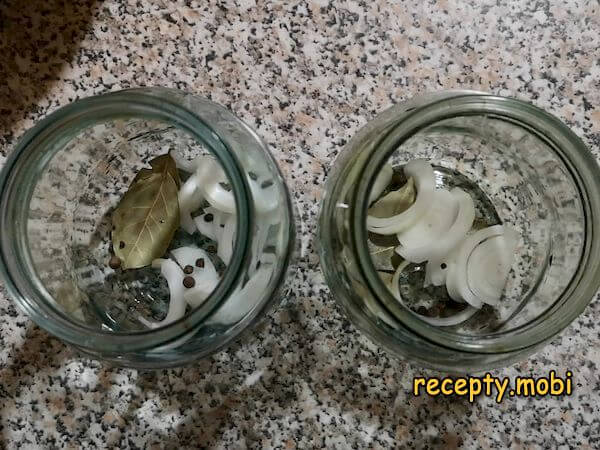
- Add six allspice berries and twelve black peppercorns to each jar. The two peppers work in beautiful harmony: black pepper provides sharp heat while allspice contributes warm sweet aromatic notes that lift the entire pickle into more sophisticated territory than plain peppered versions.
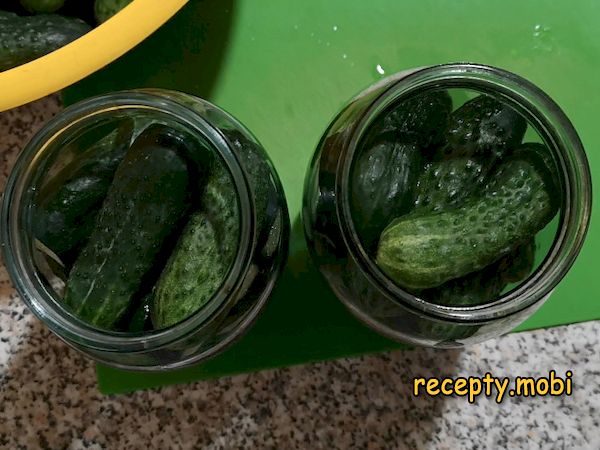
- Cut the stem ends from each cucumber and pack them into the jars on top of the spice bed. Pack the cucumbers tightly without crushing them; tight packing leaves the perfect amount of space for the marinade to surround each cucumber during the storage period.
- Prepare the marinade in a separate saucepan. For two litre jars, bring one litre of water to a vigorous boil. Add eight teaspoons of sugar and four teaspoons of salt and stir thoroughly to dissolve. Bring the marinade back to a boil, then add eight tablespoons of nine percent vinegar. Stir again and let the liquid boil for two to three more minutes to integrate the vinegar fully.

- Pour the prepared hot marinade into the jars over the cucumbers. Cover the jars loosely with sterilized lids without sealing them yet; the loose cover allows steam to escape during the sterilization step that follows.
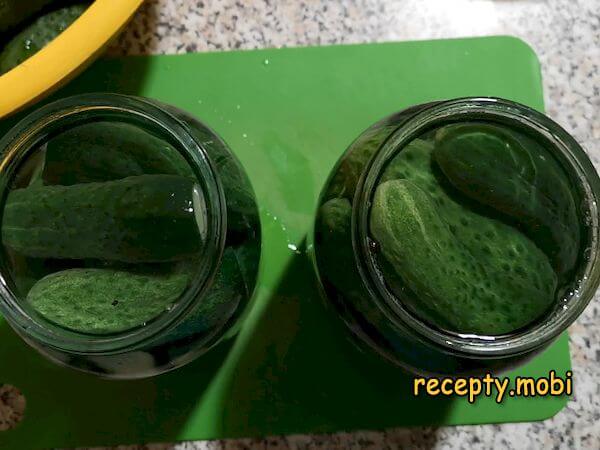
- Place a clean cotton cloth or kitchen towel at the bottom of a wide pot to prevent the jars from cracking against the metal during heating. Place the filled jars on the cloth and pour warm water around them up to the shoulders. Set the pot on the stove and heat to a gentle boil.
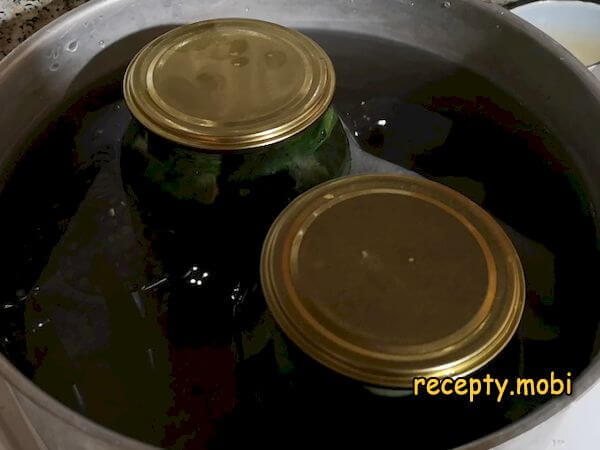
- After the water boils, sterilize the jars for ten to fifteen minutes. During this time the cucumbers should change color from bright green to a more olive shade, signaling that the pickling has begun. Carefully remove the hot jars from the pot using special canning tongs.
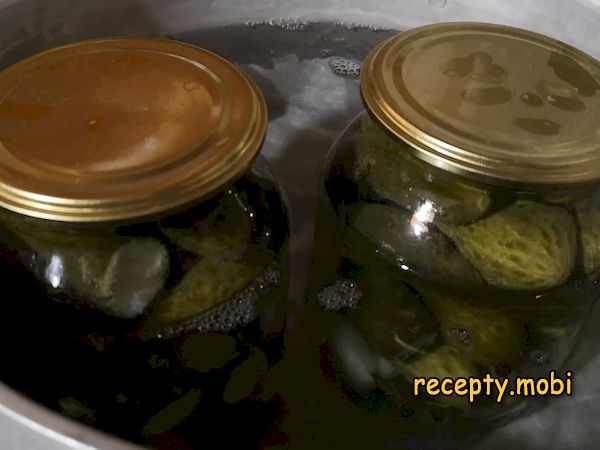
- Seal the jars tightly with the lids and turn them upside down on a heat-safe surface. Leave the inverted jars to cool completely for five to seven hours; the slow cooling under inverted pressure creates the strong vacuum seal that keeps the contents safe through months of cellar storage.
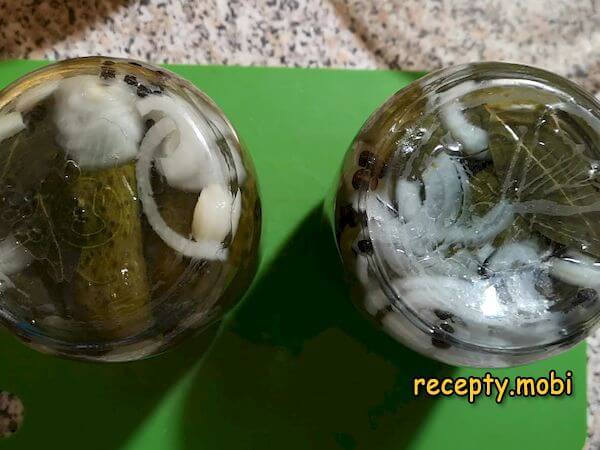
- The Bulgarian-style pickled cucumbers for winter are ready to send to long-term storage. Keep the sealed jars in a cool dark cellar or pantry for up to one year. Once opened, refrigerate and consume within two weeks. Bon appetit alongside good company through the long winter months ahead.
Tips and Tricks
Tip 1. Choose firm small cucumbers (about ten centimetres long) with bumpy skin and minimal seeds for the best results. Soft overripe cucumbers turn mushy during pickling and produce a disappointing finished product. Smooth-skinned salad cucumbers also work but produce slightly different texture; the bumpy "pickling" varieties absorb brine more effectively and stay crisper. Look for cucumbers labeled "pickling" or "Kirby" at the market for the most reliable results.
Tip 2. Use only non-iodized salt for any home-canning project. Iodized table salt clouds the brine permanently and can leave a faintly bitter aftertaste in the finished pickles. Look for kosher salt, pickling salt, or coarse sea salt without anti-caking additives. Pair the finished cucumbers with the related Lightly Salted Cucumbers in Mineral Water.
Tip 3. Soak the cucumbers in cold water for the full three to four hours before assembly. The pre-soak refreshes the cucumbers and produces noticeably crispier finished pickles than skipping the step. The water absorption also fills the cucumber cells, preventing them from collapsing later during the pickling and producing the satisfying crunch that defines a properly made Bulgarian pickle. The simple step costs nothing and pays off generously in texture.
Tip 4. Add a horseradish leaf or two cherry leaves to each jar along with the bay leaves for extra crisp pickles. Both leaves contain natural compounds that prevent the cucumbers from softening during the long storage period. The trick is widely used in traditional Slavic pickling and produces noticeably crispier finished pickles than the basic version. Pair the cucumbers with another reliable winter pantry staple like the comprehensive jar sterilization guide.
Frequently Asked Questions
How long do the Bulgarian pickled cucumbers keep on the shelf?
Properly canned and sealed Bulgarian pickles keep for up to one year in a cool dark cellar or pantry shelf without significant loss of flavor or texture. After one year, the cucumbers may soften slightly and the brine can become slightly cloudy, though the pickles remain safe for another six months. Always check the seal before opening: a properly sealed jar shows a slightly concave lid that does not pop when pressed. Once opened, refrigerate and use within two weeks. Always use clean utensils when scooping out portions to prevent contamination.
Can I substitute the bay leaves with another spice?
Yes, several alternatives work beautifully in this recipe. Cherry leaves add a subtle almond-like note and excellent crispness-preserving qualities. Oak leaves serve the same crispness purpose with a slightly more tannic flavor. Mustard seeds contribute warmth and texture. Coriander seeds bring citrusy aromatic notes. Whatever substitution you choose, the basic Bulgarian-style spice profile (sweet, peppery, slightly tart) should remain recognizable in the finished pickle. Avoid heavy aromatic spices like rosemary or thyme that would push the flavor into entirely different territory.
Why are my finished pickles soft instead of crisp?
Soft pickles result from one of three common issues. The most frequent cause is using overripe soft cucumbers; only firm fresh cucumbers produce crisp pickles. The second cause is over-sterilization; ten to fifteen minutes is the maximum, longer cooking softens the cucumbers permanently. The third cause is omitting the pre-soak in cold water; the soak hydrates the cucumber cells and helps them stay firm during the heat treatment. Address all three issues for the next batch and the soft-pickle problem usually disappears completely on the next attempt.
What can I serve alongside Bulgarian pickled cucumbers?
The bright tangy pickles pair beautifully with several classic dishes. Boiled potatoes with butter and dill create a perfect simple winter meal. Grilled meats (pork chops, chicken thighs, beef sausages) benefit from the fresh acidic contrast that the pickles provide. Cold cuts and crusty bread make a quick lunch platter centered around the pickles. Borscht and other hearty winter soups welcome the cucumbers as a side dish that brightens the overall meal. For drinks, chilled vodka, dry white wine, or a crisp lager all pair traditionally with these classic pickles at any winter table.