Write a comment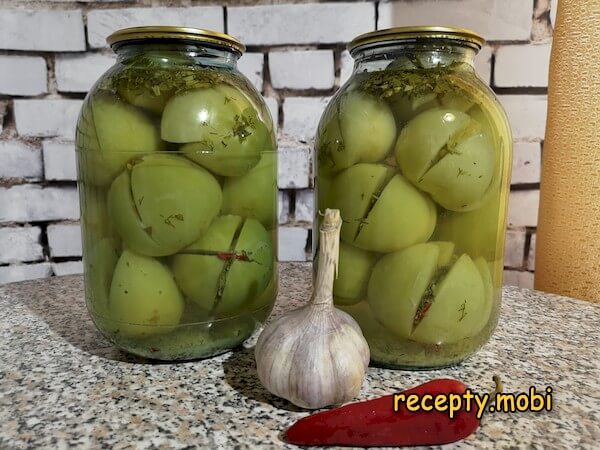
Green Tomatoes in Georgian Style for Winter
Green Tomatoes in Georgian Style for Winter is the spicy preserved-vegetable preparation — green tomatoes filled with herb-garlic-chili paste, then marinated and water-bath-processed for shelf-stable winter storage. Two preparation traditions exist: PICKLED (this recipe) + FERMENTED (older traditional method). The marinade version produces MORE PIQUANT result. Georgian cuisine's signature characteristic: ABUNDANCE of spicy seasonings — abundantly applied in this preserve. The 60-minute total preparation produces 2 two-liter jars — substantial winter pantry stock. For variety, also try pickled green tomatoes for winter.
Ingredients
Show ingredients
- For the tomatoes: green tomatoes – 2 kg;
- For the tomatoes: garlic – 1 head;
- For the tomatoes: parsley – 20 g;
- For the tomatoes: dill – 20 g;
- For the tomatoes: cilantro – 20 g;
- For the tomatoes: basil – 20 g;
- For the tomatoes: chili pepper – 1 pc;
- For the marinade: water – 2 L;
- For the marinade: sugar – 190 g (or 9.5 tbsp without heap);
- For the marinade: salt – 80 g (or 4 tbsp without heap);
- For the marinade: vinegar 9% – 200 ml.
Preparation
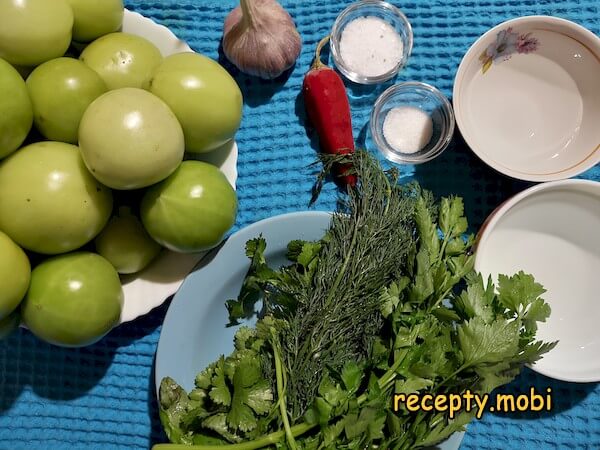
- I prepare and lay out the necessary ingredients on the table. Wash + dry green tomatoes + herbs. Peel garlic. PRE-STERILIZE jars + lids (water-bath, oven, or microwave method).
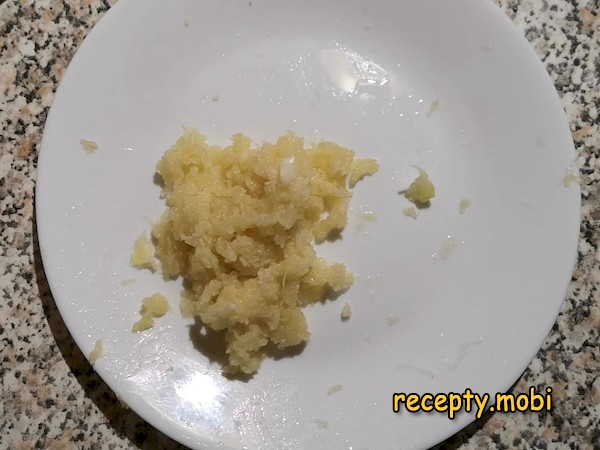
- Grate ALL garlic cloves on FINE grater (or pass through garlic press).
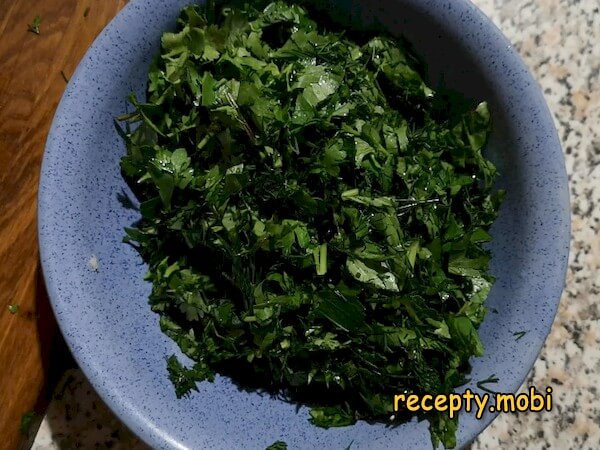
- Finely chop: dill + parsley + basil + cilantro (4-herb blend = Georgian aromatic signature).
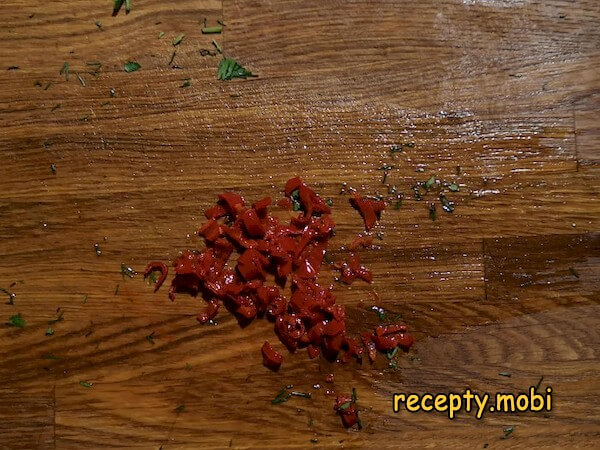
- Cut chili pepper finely; remove seeds + stem first (controls heat level — keeping seeds = much hotter).
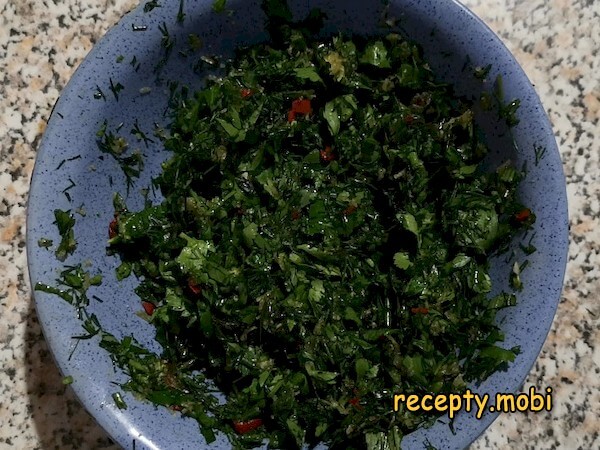
- In deep plate: mix prepared herbs + garlic + chili pepper. The FILLING is ready (forms the spicy-aromatic stuffing).
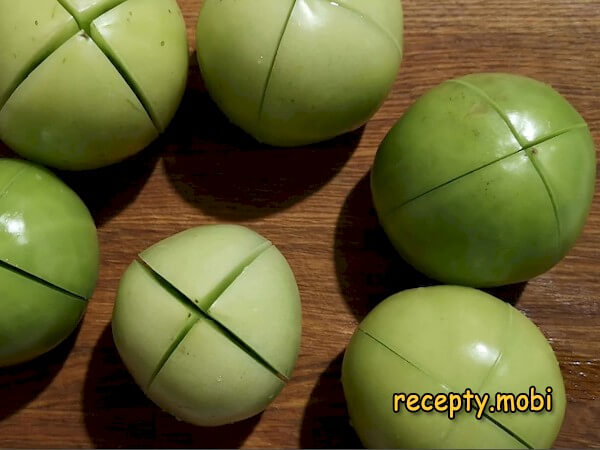
- Make 1-2 deep CROSS CUTS on each tomato — DON'T cut all the way through (tomatoes must remain intact for filling).
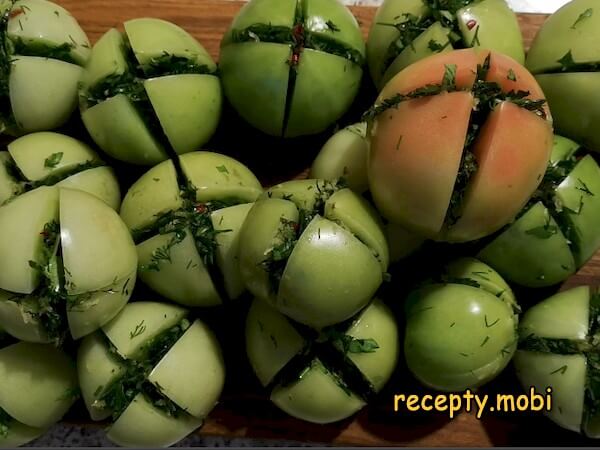
- Fill the cuts with prepared herb-garlic-chili filling (gently push filling into pockets).
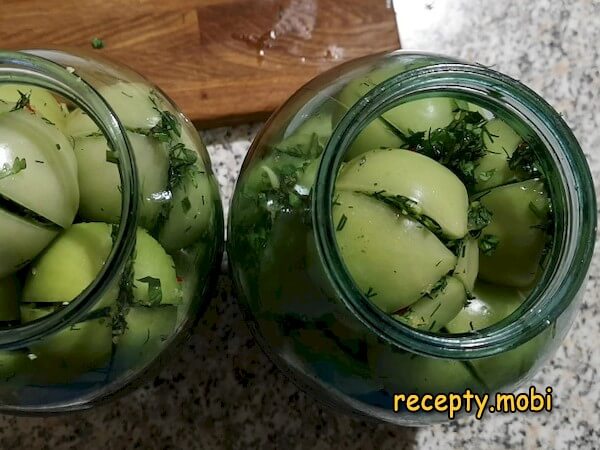
- Pack stuffed tomatoes TIGHTLY into jars (eliminates air pockets).
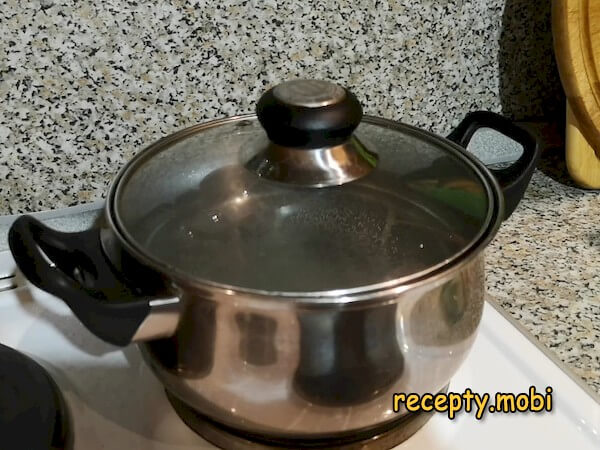
- Make marinade: pot with 2 L water on heat. As water heats: add 80 g salt + 190 g sugar; mix. After water boils: add 200 ml vinegar 9%; mix. Boil marinade few more minutes; remove from heat.
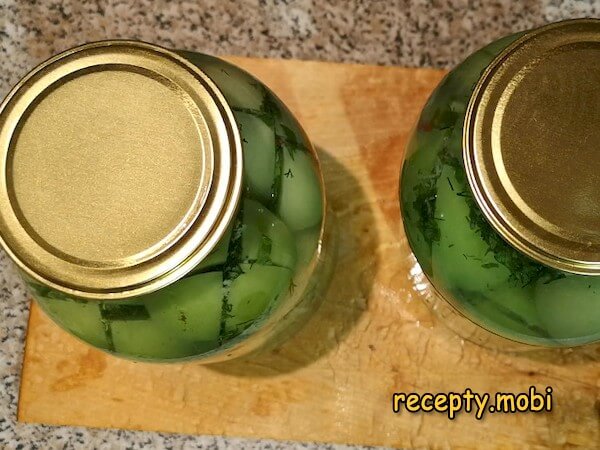
- Fill jars containing tomatoes with BOILING marinade up to neck-brim. Cover with sterilized lids (don't seal yet).
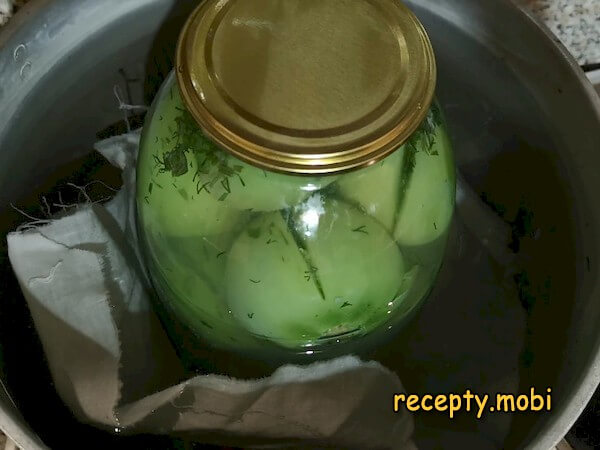
- Place CLOTH at bottom of deep pot; place jars on cloth. Fill pot with WARM water up to jar-shoulders. Place pot on heat.
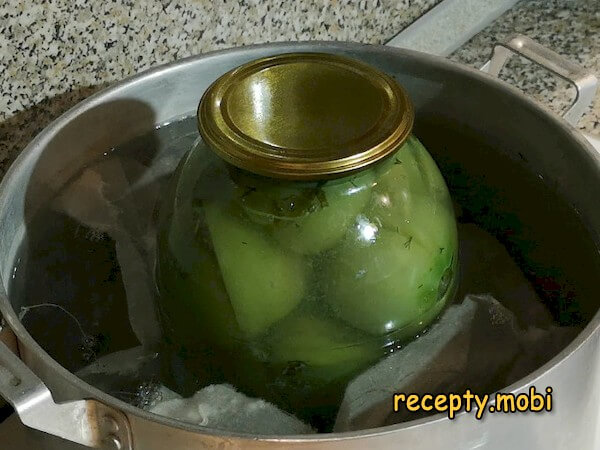
- After water boils: STERILIZE jars 30 minutes; remove from pot.
- Roll up jars with lids (seal tightly).
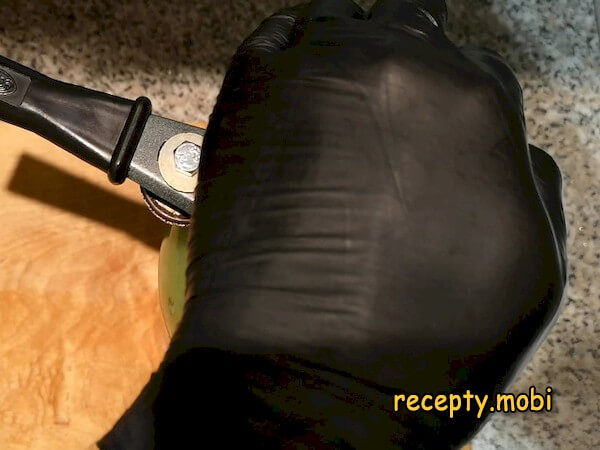
- Turn jars UPSIDE DOWN; leave at room temperature until COMPLETELY cool (creates vacuum seal verification).
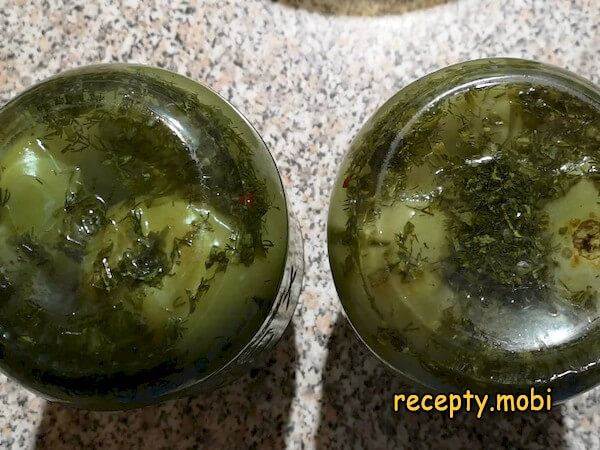
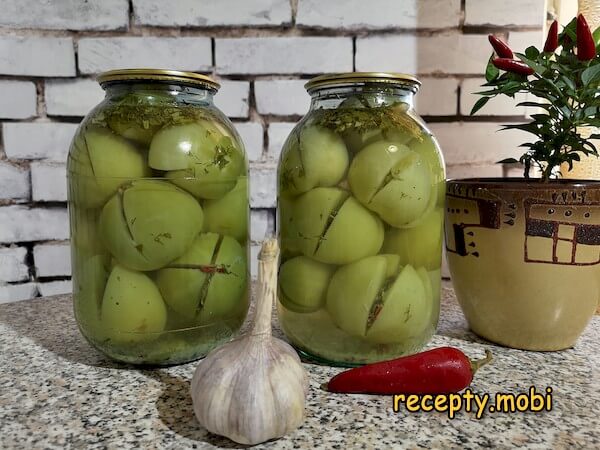
- Green Georgian tomatoes for winter are ready. Store in cool dark place. Best at peak quality 4-6 weeks after canning (flavors fully develop). Delicious + successful preparations!
Cooking video
Tips and Tricks
Tip 1. THE 4-HERB BLEND IS GEORGIAN SIGNATURE. The dill + parsley + basil + cilantro blend (each 20 g) is Georgian-cuisine signature herb mix. Each contributes distinct character: DILL (delicate fresh aromatic), PARSLEY (clean grassy base), BASIL (sweet-warm Mediterranean), CILANTRO (citrus-pungent Georgian-essential). Removing any one herb shifts the dish identity. Substitute possibilities: tarragon, fenugreek leaves, savory (regional Caucasian variations). The ratio 1:1:1:1 ensures balanced complexity.
Tip 2. THE CROSS-CUT-NOT-THROUGH RULE. Step 6's "deep cuts but DON'T cut through" is structural advice. Cuts ALL THE WAY: tomatoes split into wedges, filling falls out, packing impossible. PROPER deep-but-partial cuts: tomato remains intact, holds filling internally, packs nicely. The cuts open during marination (acid softens tomato), filling integrates into tomato flesh during long storage. Same partial-cut technique used for: stuffed peppers, baked stuffed onions, traditional Georgian "tolma" preparations. For another Georgian-herb-forward preparation worth comparing, see Marinated Tomatoes with Celery.
Tip 3. THE 30-MIN STERILIZATION TIMING. Step 12's "sterilize 30 minutes" is preservation calibration. The 2-liter jars NEED LONGER processing than smaller jars (heat penetrates slower). 30 min ensures center of jar reaches sterilization temperature. Smaller jars (1 L): 20 min. Half-liter: 15 min. Larger 3 L: 40 min. The combination of: jar pre-sterilization + boiling marinade + 30-min water-bath + tight sealing produces 1+ year shelf-stable preserve. Don't shortcut sterilization — under-processing risks botulism (deadly serious).
Tip 4. THE 4-6-WEEK FLAVOR-DEVELOPMENT RULE. Step 15's note about "best 4-6 weeks after canning" is timing wisdom. Just-canned: edible but herbs not yet integrated, vinegar still aggressive, garlic raw-pungent. After 4 weeks: peak quality — herbs fully infused into tomato flesh, vinegar mellowed, garlic-mellowed-aromatic. After 6+ weeks: continues at peak. After 6+ months: still excellent. After 1 year+: still safe but slight texture softening. PLAN AHEAD: prepare in early autumn for winter holiday consumption. For another Georgian-tradition preserve worth trying, try Marinated Tomatoes with Honey.
Frequently Asked Questions
What if my tomatoes are very firm?
Very firm green tomatoes (just-picked, very unripe) are PERFECT for this recipe — hold shape best during canning. Slightly riper (with hint of yellow): release more water during processing, soften more during storage, slightly less crisp final result. Too-ripe (red): wrong recipe entirely. Optimal selection: tomatoes with NO color change yet, firm to gentle squeeze, no soft spots. Storage of green tomatoes pre-canning: refrigerator 2-3 weeks (slows ripening). The recipe specifies green tomatoes for SPECIFIC reason — they hold structure during 30-min sterilization + months of storage.
Can I make it less spicy?
Yes — easily adjust heat level. REDUCE chili to 1/2 pod (mild Georgian heat). REPLACE chili with bell pepper (1/2, finely chopped — adds character without heat). OMIT chili entirely (loses traditional Georgian spicy identity but still excellent preserve). For SPICY-LOVERS: increase to 2 chilis OR keep chili seeds in. The recipe's 1 chili (seeded) produces moderate Georgian-tradition heat. Calibrate to family tolerance. Same heat-control technique works for any chili-using preserve.
How long does it keep?
Properly canned (water-bath processed 30 min): 1+ YEAR at room temperature unopened. After opening: refrigerate; consume within 2-3 weeks. The 4-6-week initial fermentation/integration is internal; external safety is established at canning. Visual signs of spoilage: bulging lid (fermentation — discard), mold on top after opening (discard), off-smell (discard). Storage requirements: dark cool place (cellar, pantry away from sunlight + heat fluctuations). Avoid temperature variations (causes seal stress). The recipe is genuinely shelf-stable winter preserve.
What's the best way to serve it?
Multiple traditional + modern uses. CLASSIC GEORGIAN: side dish to grilled meat (mtsvadi), khinkali (Georgian dumplings), khachapuri. SOLO APPETIZER: with crusty bread + Georgian wine. MEZE PLATTER: alongside other Caucasian appetizers. SANDWICH FILLING: chop coarsely, spread on rye bread with cheese. SALAD COMPONENT: chop into vegetable-rice salads. The bright herbal-garlic-spicy character pairs with: rich meats (cuts richness), grain dishes (adds aromatic dimension), creamy dishes (adds tang + freshness). The dish IS the condiment in many Georgian meals.