Write a comment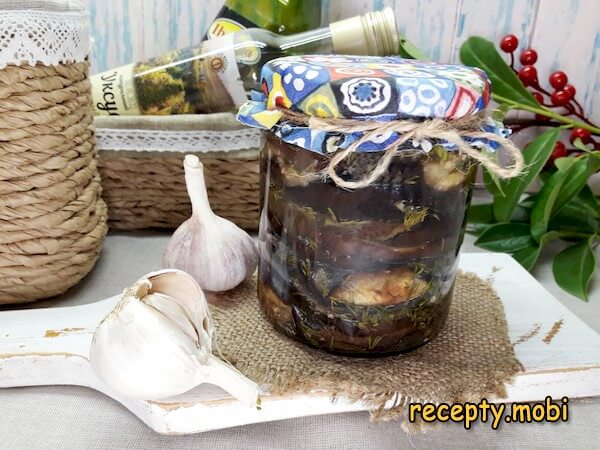
Marinated Eggplants with Garlic
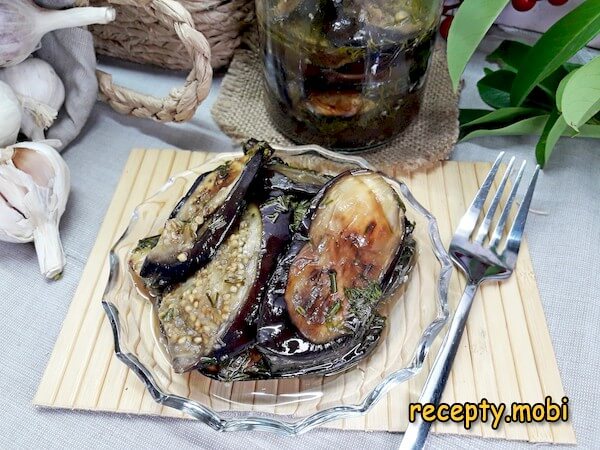
Marinated Eggplants with Garlic is the spicy + sour-spicy preserve perfect for both sealed winter storage AND immediate consumption. KEY DIFFERENCE from typical eggplant recipes: BAKED in oven (not fried in oil) — eliminates excessive fat absorption that eggplants love. Result: lighter + more flavorful preparation. The 60-minute total preparation produces 1 jar (0.5 L). Two storage options: sealed for winter (1 year) OR refrigerated unsealed (several months). Wonderful addition to any dish — eaten with bread alone is delicious.
Ingredients
Show ingredients
- young eggplants – 600 g;
- garlic – 1 medium head;
- 9% vinegar – 75 ml;
- water – 75 ml;
- neutral oil – 75 ml;
- dill – medium bunch;
- rock salt – 7 g + large pinch for pre-salting eggplants.
Preparation
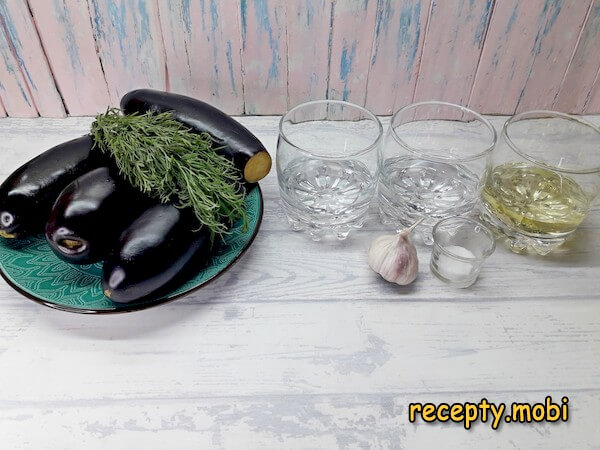
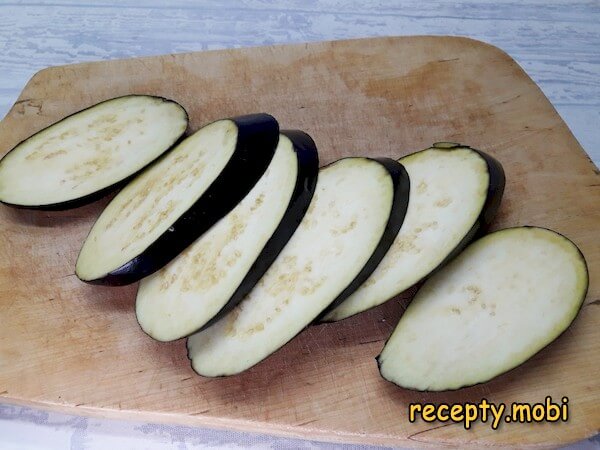
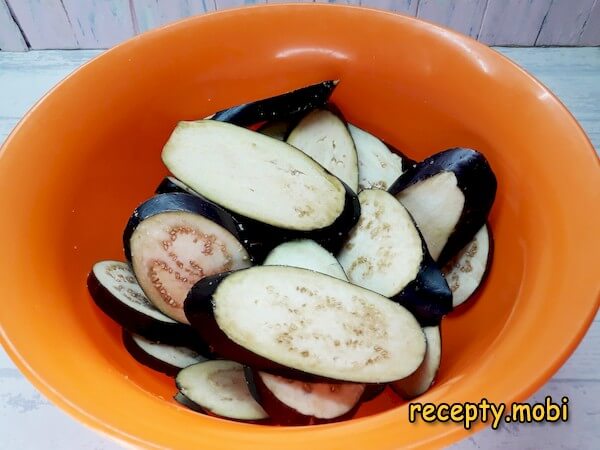
- I prepare indicated ingredients. Sterilize glass jar + lid. Cut eggplants into ELONGATED CIRCLES (ovals) ~8 mm thick. Shape flexible — rounds OR cubes also work. Place cut pieces in wide bowl; sprinkle with SALT. After ~15 minutes: bitter liquid releases. Preheat oven to 200°C.
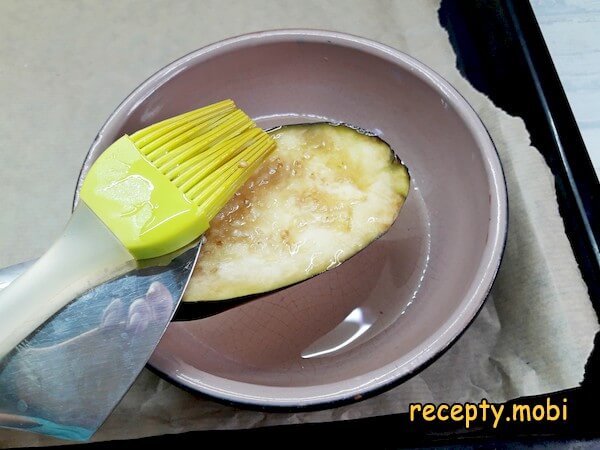
- Gently SQUEEZE each oval; blot with napkin; brush with OIL on both sides.
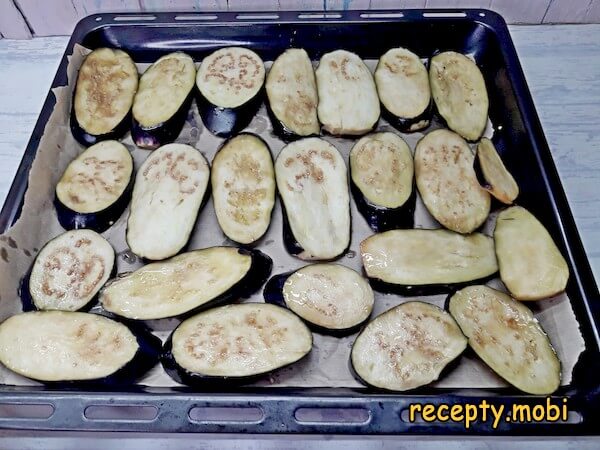
- Place prepared pieces on baking tray lined with kitchen PARCHMENT. Send to preheated oven; activate convection.
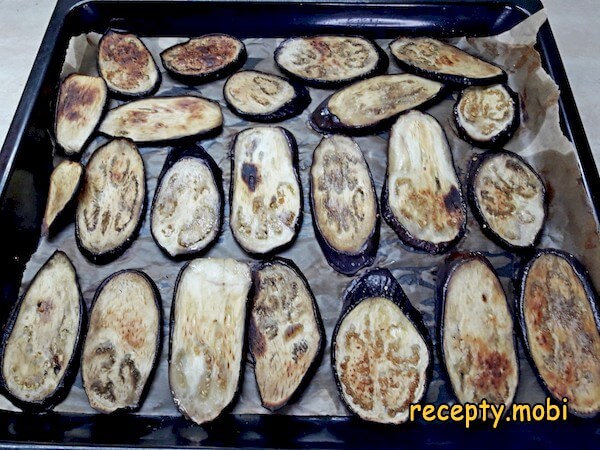
- After 20 MINUTES: pieces beautifully BROWNED + completely ready.
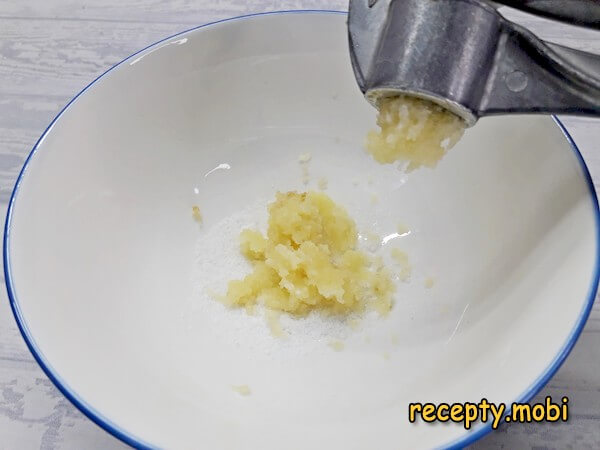
- In small bowl: place SALT + crush GARLIC with press.
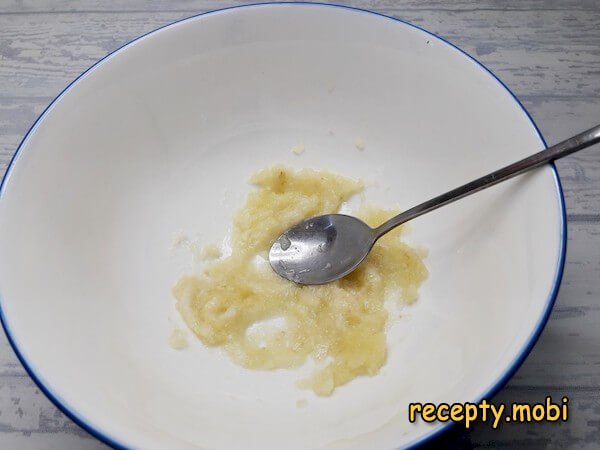
- Mash mixture until SMOOTH.
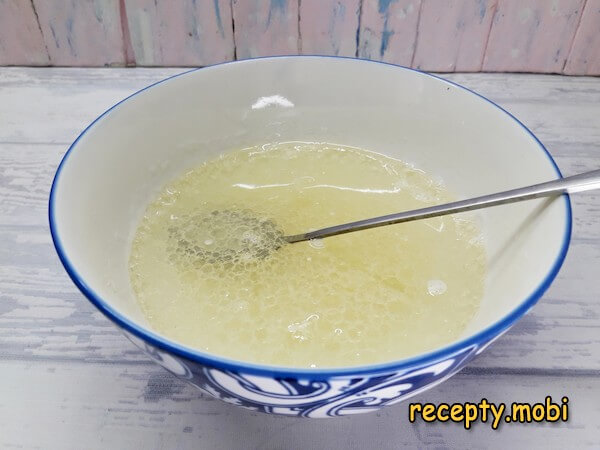
- Pour in VINEGAR + WATER + OIL. Stir with spoon.
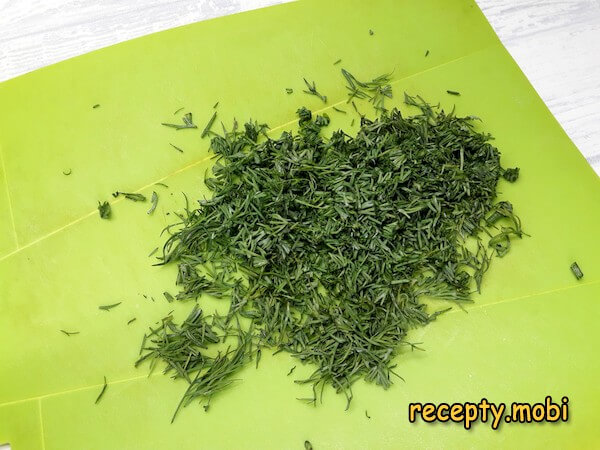
- Finely chop DILL.
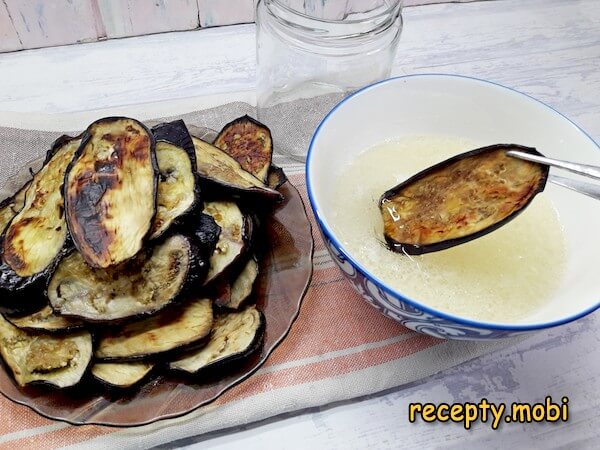
- DIP each eggplant piece into garlic dressing.
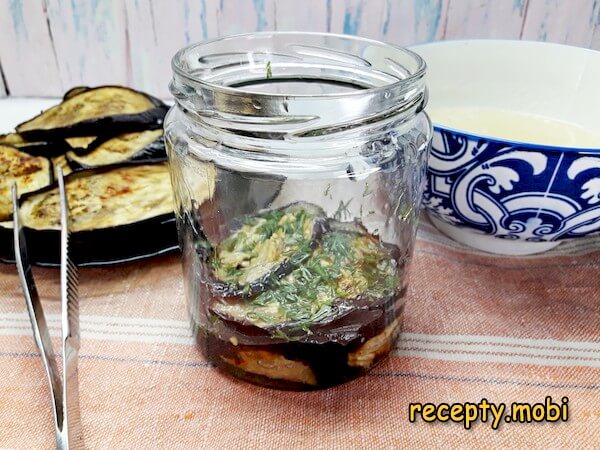
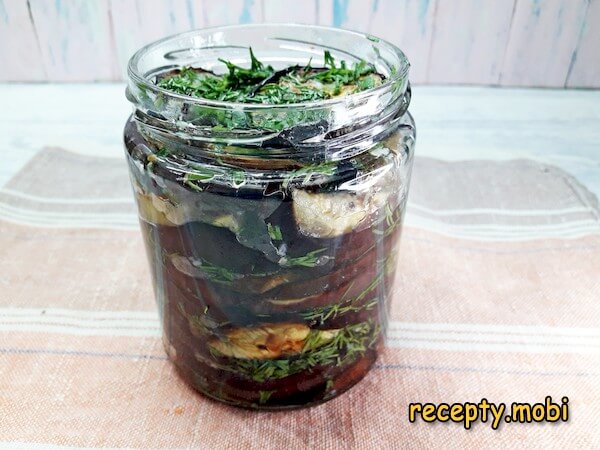
- Place in JAR. For non-storage: plastic or glass container with lid works. SPRINKLE LAYERS with dill.
- Occasionally TAMP eggplants with small spoon (carefully — don't break). When container filled: pour remaining garlic dressing on top.
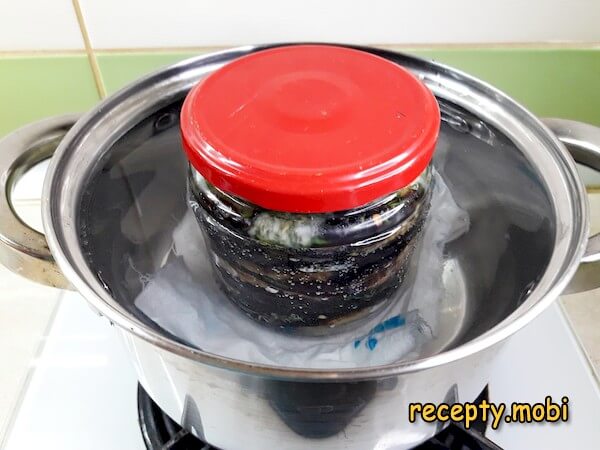
- Short-term storage: place in refrigerator 20 MINUTES, then ready to eat. WINTER PRESERVATION: slightly cover jar with metal lid; place in pot on cloth; pour water (not reaching 2 cm to lid). After boiling: STERILIZE 7 MINUTES.
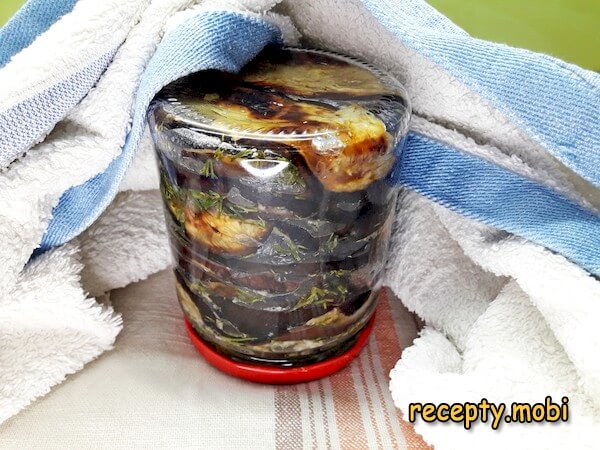
- Tightly screw jar; turn UPSIDE DOWN; wrap in thick towel for additional thermal processing. After 10 HOURS: transfer to cupboard. Lasts up to 1 year at room temperature. Without sterilization: nylon lid + REFRIGERATED storage = several months keeping. Wonderful addition to any dish — sharp spicy taste leaves no one indifferent. Bon appétit!
Tips and Tricks
Tip 1. THE BAKE-DON'T-FRY HEALTHIER METHOD. Recipe's "bake in oven" specification (vs traditional fry) is genuine recipe-defining innovation. EGGPLANT FRYING (traditional Russian/Slavic): pieces absorb 50-100% oil by weight (eggplants are sponges), greasy result, ~250 kcal/100g. OVEN-BAKED (200°C, 20 min, brushed with oil): minimal oil absorption (~10% by weight), lighter result, ~150 kcal/100g. The CONVECTION setting: ensures even browning + quicker cooking. Same healthy-baking principle: French ratatouille modern version, Mediterranean grilled eggplant. Don't fry — recipe specifically modernized for healthier preparation.
Tip 2. THE SALT-AND-DRAIN PRE-TREATMENT. Step 1's "salt 15 minutes + squeeze" is texture + flavor essential. Eggplant raw bitter compounds (solanine + cucurbitacins) + spongy water-rich flesh: produce mushy + bitter result without treatment. SALT (15 min): draws out bitter liquid via osmosis. SQUEEZE: removes bitter liquid before cooking. Skip salting: finished dish has unpleasant bitter undertone + sogginess. The 15-min duration is calibrated for efficient extraction. Same salting technique: French ratatouille, Italian melanzane, Greek moussaka. Don't skip — defines proper eggplant cooking. For another classic Russian/Slavic eggplant preparation worth comparing, see Eggplant Caviar Classic.
Tip 3. THE GARLIC-DRESSING FROM PRESS-CRUSHED. Step 5's "crush garlic with press" is flavor-essential. Hand-chopped garlic: pieces remain visible + chunky in dressing, uneven flavor distribution. PRESS-CRUSHED garlic: releases full essential oils + creates smooth paste consistency, even flavor distribution + signature pungent character. The medium-head garlic amount (~50 g): substantial spicy character that defines recipe identity. The DRESSING APPROACH (vs adding garlic separately): each eggplant piece coated uniformly = consistent flavor in every bite. Same garlic-dressing principle: Caucasian preparations, Mediterranean tapenades.
Tip 4. THE TWO-STORAGE-OPTIONS DESIGN. Step 12's "20 min refrigerator OR 7-min sterilization" is genuine recipe flexibility. SHORT-TERM (refrigerator, no sterilization): consume within several months, fresher character, no canning equipment needed. LONG-TERM (sterilized, 1 year storage): pantry-stable, year-round availability, traditional winter preservation. The recipe-canonical method offers BOTH paths — choose based on need. For abundant harvest: sterilize for winter. For weekly meal-prep: refrigerator method. Same flexible-preservation principle: French confits, Italian sott'olio. For another classic vegetable winter-preserve worth trying, try Marinated Zucchini Classic.
Frequently Asked Questions
Why bake instead of fry?
Baking is genuine recipe modernization for healthier preparation. EGGPLANT FRYING traditional issue: eggplants are 90% water + spongy structure = absorb DRAMATIC amounts of oil during frying (often 50-100% by weight = excessively greasy). BAKING approach: minimal oil (just brushing both sides) + 200°C oven + 20 min = perfectly browned without oil saturation. RESULT: lighter dish, less calories, more eggplant flavor not masked by oil. The convection oven setting accelerates browning + ensures even cooking. Some cooks prefer traditional fried (different character + texture); recipe-canonical baked version is healthier without sacrificing flavor.
How spicy is it?
Recipe is MODERATELY SPICY but with prominent garlic character. Heat sources: GARLIC head (front-tongue + lasting pungency), VINEGAR (sharp acidic note + supports preservation). NO chili pepper in recipe — "spicy" refers to GARLIC-PUNGENT character not capsaicin heat. SPICIER VARIATIONS: add 1 chopped chili pepper (chili-heat layer), add 0.5 tsp hot paprika, add 1 tsp prepared horseradish. MILDER (kid-friendly): reduce garlic to half-head + reduce vinegar to 50 ml. The recipe-canonical version: balanced spicy-sour-savory with garlic dominance. Better second-day after marination — flavors integrate.
How long does it really keep?
Two storage methods give different timelines. SEALED + STERILIZED (Step 12 winter method): UP TO 12 MONTHS at room temperature, 18 months in cool cellar. UNSEALED + REFRIGERATED (nylon lid): 2-3 MONTHS at peak quality (4 months maximum). The sterilized version is recipe-canonical for long-term storage. The refrigerated version: fresher character but limited keeping. Once OPENED (sealed jar): refrigerate, consume within 2-3 weeks. Storage tips: clean dry fork between uses, tight lid, dark place. Spoilage signs: bulging lid, fermentation bubbles, off-smell — discard.
What sides go best?
Russian/Eastern European tradition has specific eggplant-marinade companions. CLASSIC: alongside boiled potatoes (with butter or sour cream), grilled meats, fish dishes. ZAKUSKA: served as cold appetizer with vodka, beer (traditional drinking-snack pairing). HEARTY: with grilled sausages, pelmeni dumplings. BREAD: dark rye bread alongside, sourdough, simple white bread. WARM DISHES: serve cold alongside hot stews, soups, roasts (acidic refresh balances richness). SAUCE: chopped fine + mixed with sour cream = quick dip. The marinade is fundamentally a side/zakuska — pairs with everything except other strongly-acidic dishes.