avg 5.0
San Sebastian cheesecake

Instructions
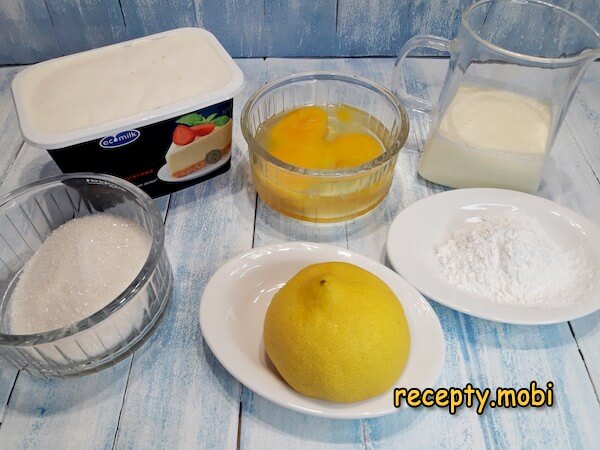
I prepare the ingredients. The egg quantity is given in grams – in this recipe it is very important to keep to the exact proportions, otherwise the texture will be either dense or runny. The starch must be corn, not potato – potato starch is heavier and gives a characteristic smell after baking. If you can get hold of natural vanilla paste, a few drops can be added to the mixture before baking. I take the cream cheese out of the fridge in advance so it softens – cold cheese whips poorly and leaves lumps. I switch the oven on straight away to preheat to 220-230 degrees with top and bottom heat and no convection – a fan is not needed in this recipe, as it dries out the top too soon.
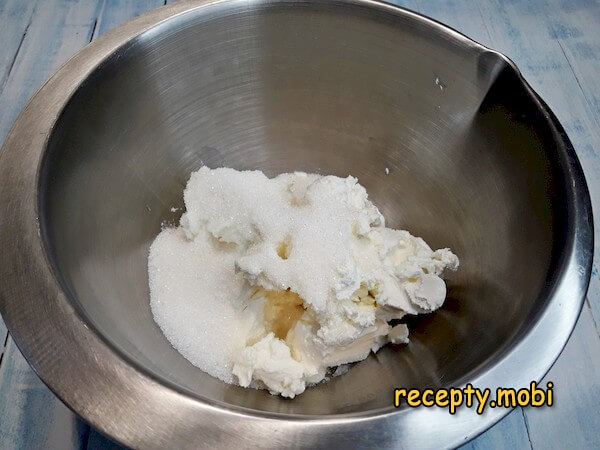
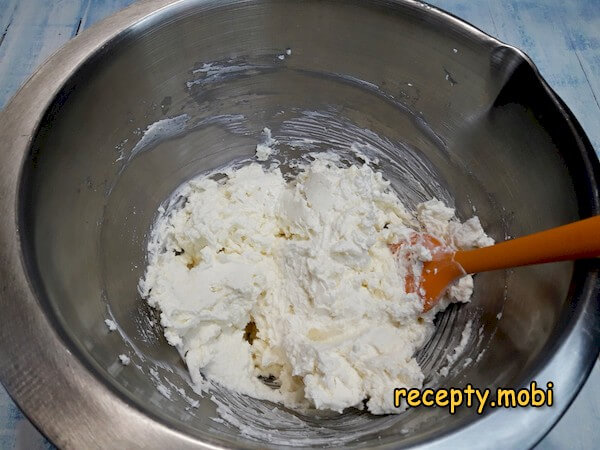
I put the cheese together with the sugar into a mixing bowl – in exactly that order, so the sugar gradually draws moisture from the cheese and helps it come together smoothly.
I mix them by hand with a spatula or with a mixer on the lowest speed. High speed saturates the mixture with air, and the finished cheesecake will have bubbles that destroy the silky texture.
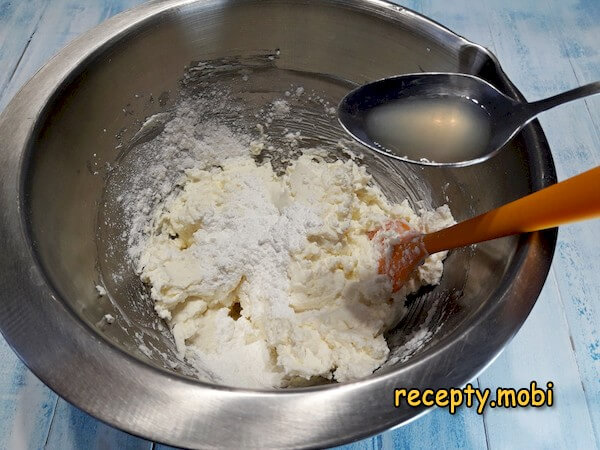
To the same bowl I add the starch and the lemon juice – the starch works as a binder and keeps the cheesecake from cracking in half as it cools, while the lemon's acidity stabilises the egg proteins and brings out the milky flavour of the cheese.
Next I add the eggs one at a time, stirring the mixture with the mixer after each one. Adding them gradually is needed for an even emulsion – eggs poured in all at once will not have time to incorporate and will cause the baked cheesecake to separate.
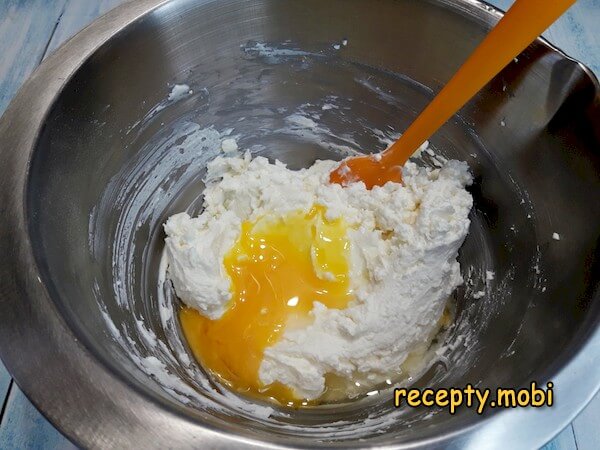
After each addition it will seem as though the mixture is separating – this is normal, the proteins and fats split apart for a short time. After thorough mixing it becomes smooth and uniform again.
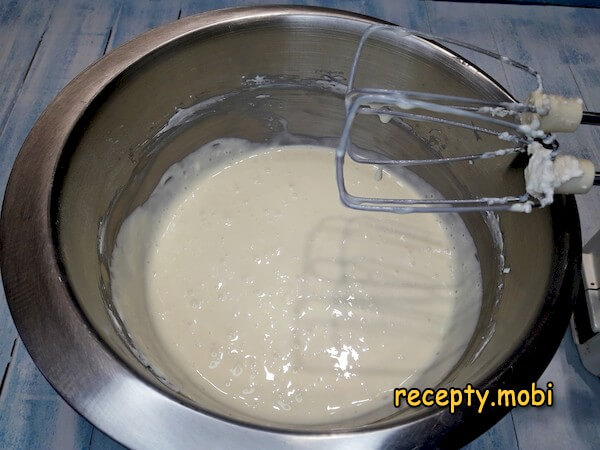
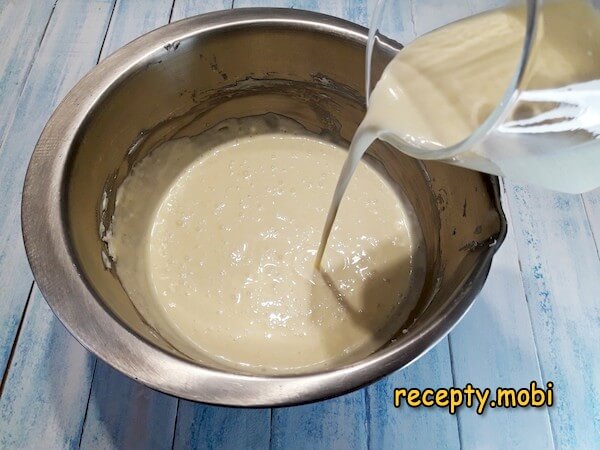
Now I pour the cream into this egg-and-cheese mixture and stir – it is the 33% cream that gives the characteristic richness and silkiness; low-fat cream will not do.
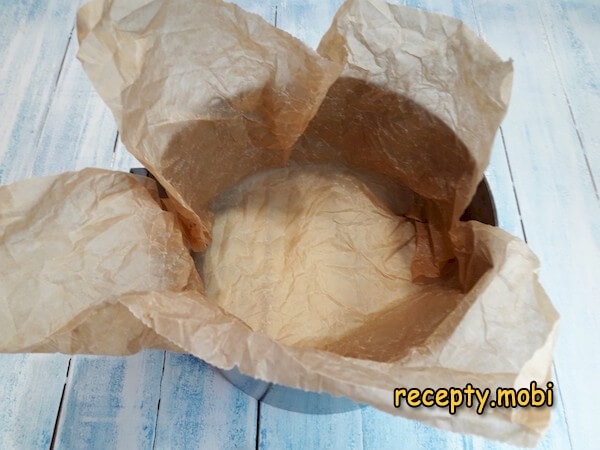
I line the whole pan with siliconised baking paper, otherwise the cheesecake will stick to it for good. The paper should extend beyond the edges of the pan – this gives the finished dessert its characteristic "charred" look, as in the Basque classic.
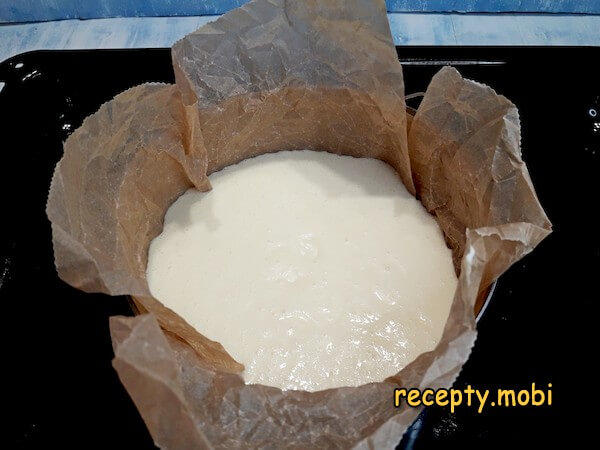
I pour the liquid mixture into the prepared pan and tap it on the table so the air bubbles come out – any bubbles left in the finished cheesecake will turn into holes. If by this point the oven has reached the required temperature, I put the pan inside.
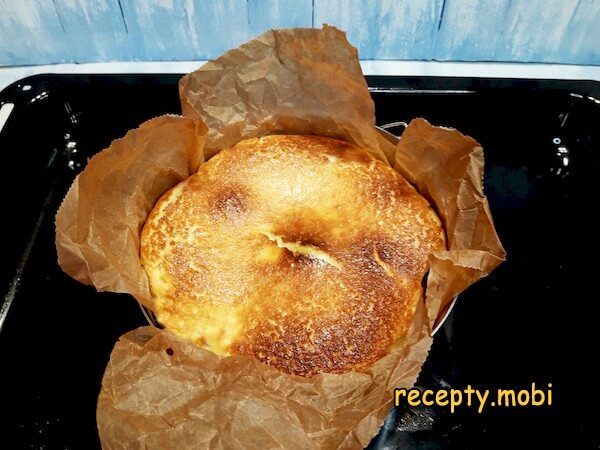
During baking the mixture will rise well and cracks will appear – this is normal and characteristic of this very type of cheesecake. After half an hour you can check for doneness: the top should be deeply browned, and the centre should wobble when you move the pan. Usually 30 minutes is enough for a dessert of this size. I cool it first at room temperature and then, without removing it from the pan, put it in the fridge for 3-4 hours – there it stabilises completely and settles a little.
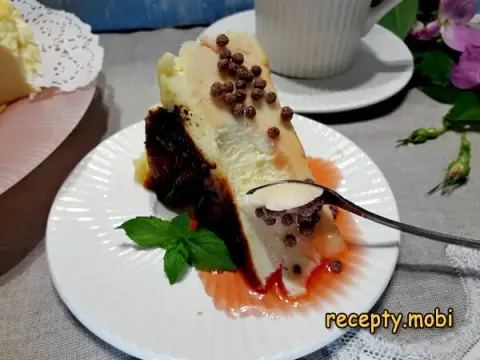
Once chilled, I free the San Sebastian cheesecake from the parchment and the pan. It may look unprepossessing, but the taste is simply stunning – that more than makes up for the appearance. These are exactly the desserts served in cafes all over the world, with a slice laid on its side to show off its tender structure. The cheesecake is served with various toppings – chocolate, berry – poured over its snow-white cut.



Tips
- 1
HIGH TEMPERATURE AND NO CONVECTION is the secret of the scorched top. Low temperature – the top will not have time to darken before the centre is done. Convection – the fan dries the top out before the centre bakes through. At 220-230°C with top and bottom heat, the crust caramelises faster than the centre cooks.
- 2
CREAM CHEESE AT ROOM TEMPERATURE is the secret of smoothness. Cold cheese leaves lumps that show in the finished cut. Cheese left out on the counter for 1-2 hours mixes into a perfectly silky mass within a minute. The same trick works in the cottage cheese and semolina cheesecake in the oven.
- 3
A WOBBLY CENTRE WHEN YOU TAKE IT OUT is the secret of correct doneness. A centre that is fully set in the oven means the cheesecake has dried out and become dense. One that wobbles like jelly when you move the pan will finish cooking in the fridge and will have a silky texture on the cut.
- 4
3-4 HOURS IN THE FRIDGE is the secret of the texture. A cheesecake just out of the oven is liquid and falls apart when sliced. After fully cooling in the fridge it stabilises into a silky cream that can be cut into even slices. The same principle is used in the chocolate "Zebra" cheesecake.
FAQ
Which cream cheese is best for San Sebastian cheesecake? +
The "classic" choice is Philadelphia Original (400 g, the benchmark for all cheesecakes). Alternatives: Almette classic (premium, with a slightly more sour taste), Hochland cream cheese (versatile, affordable), Violetta (a budget option), Lactica or Tysyacha Ozyor (Russian equivalents of Philadelphia that give a similar result). Do not use: curd cheese with herbs or spices (it will spoil the flavour of the dessert), mascarpone on its own (too rich, the cheesecake will not set), or processed cheese – it is not suitable in consistency and will give a rubbery texture.
What can replace cornstarch? +
The direct equivalent is rice starch (15 g), which gives an identical result and with no smell. Alternatives: tapioca starch (15 g, premium), wheat starch (15 g, slightly less elastic). I strongly advise against using potato starch – it is heavier and after baking gives a characteristic potato smell that is hard to mask even with a strong vanilla aroma. At a pinch you can do without starch altogether, but the risk of cracks as it cools increases. You can replace it with 1 tbsp of premium-grade flour – the result is slightly denser, but it is a workable option.
How do you tell the cheesecake is done and not overdried? +
The main test is the "wobbly centre": when you gently move the pan, the top should wobble like jelly. A fully set centre means it has already dried out. Additional signs: the top has darkened to a dark brown, cracks have appeared (normal), and the edges have pulled slightly away from the parchment. The time is about 30 minutes at 220-230°C for a 16 cm pan. If the pan is larger, bake for up to 35-40 minutes. Do not overbake – the cheesecake finishes in the fridge and reaches its ideal silky texture after 3-4 hours of chilling.
How long does San Sebastian cheesecake keep? +
In the fridge in a tightly sealed container – up to 4 days without loss of quality. On the second day the flavour becomes richer and the texture even denser and silkier. You can put a finished slice in the freezer: wrap it in film and store for up to 2 months. Defrost it in the fridge for 6-8 hours before serving. Signs of spoilage: a sour smell, the surface colour changing to yellowish or developing spots, and liquid separating out. Fresh, it is the "star" version, but even after 2-3 days it remains an excellent dessert for tea at home.
- Comment
or post as a guest
Be the first to comment.