avg —
Easter Kulich with Cinnamon and Nuts Made with Dry Yeast

Instructions
I start by sifting the flour – this is an important step for a fluffy dough. I sift the flour through a sieve twice, so that it is saturated with oxygen. I measure out 200 g of sifted flour into a deep bowl for the starter and add 1 tablespoon of sugar from the total amount.
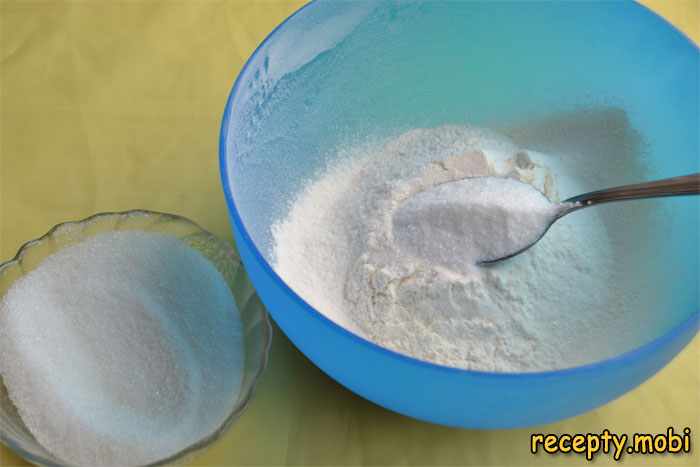
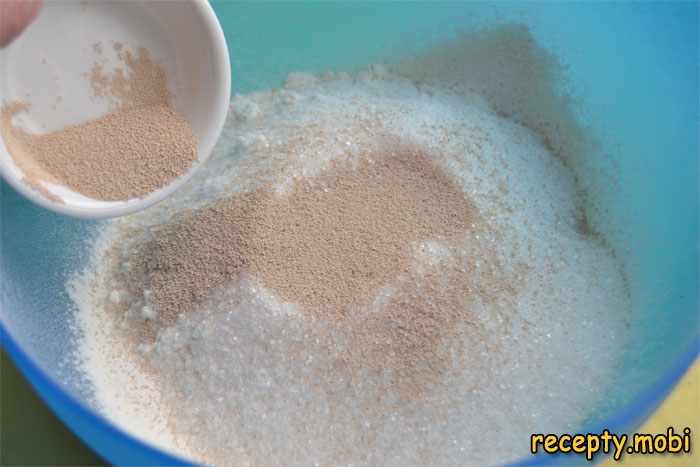
I pour the instant dry yeast (7 g) into the flour. Dry yeast is convenient precisely because it is added straight into the flour without dissolving it first. I mix the dry ingredients thoroughly.
I warm the milk until it is lukewarm (about 40°C). I use baked milk – it gives the kulichi a special creamy taste. I pour the warm milk into the flour and yeast mixture.
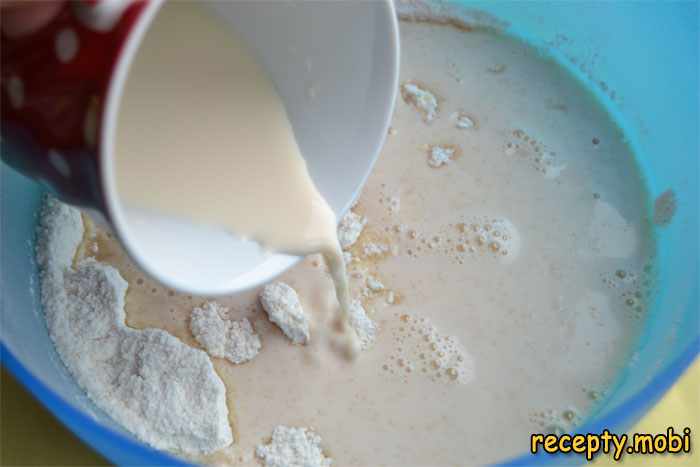
I mix the starter with a mixer until smooth and free of lumps. The starter should turn out like a thin batter – this is the base of the future kulichi.
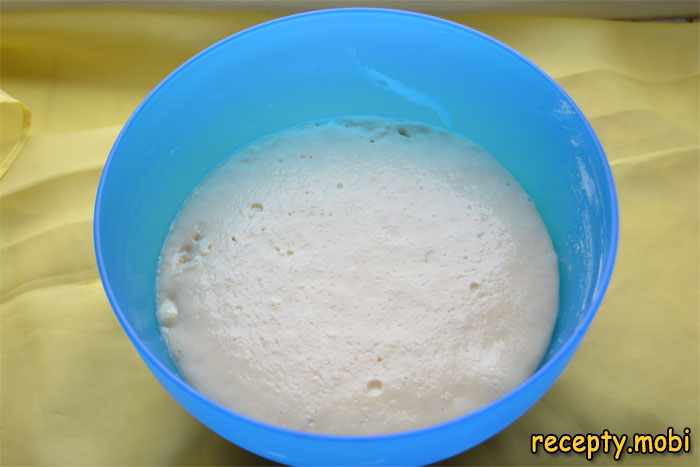
I cover the bowl of starter with a clean kitchen towel and put it in a warm, draught-free place for 30 minutes. During this time the yeast activates and raises the starter into a fluffy, frothy cap. While the starter is rising, I separate 2 eggs into yolks and whites – they will be needed separately.
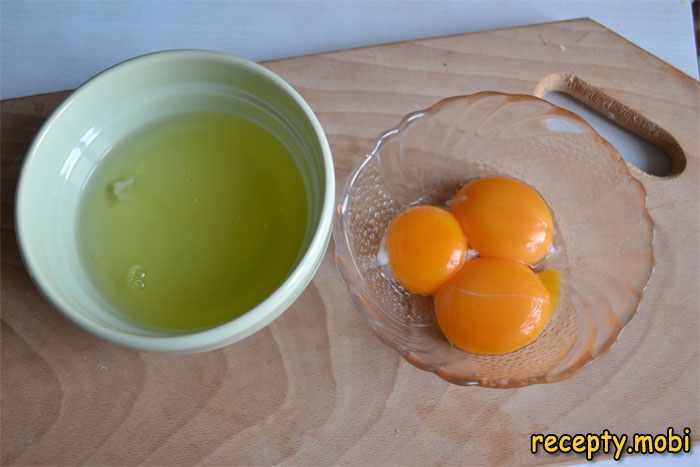
When the starter has risen, I begin adding the rest of the ingredients. I combine the yolks with the remaining sugar and beat them with a mixer until a white foam forms. I pour the beaten yolks into the ready starter.
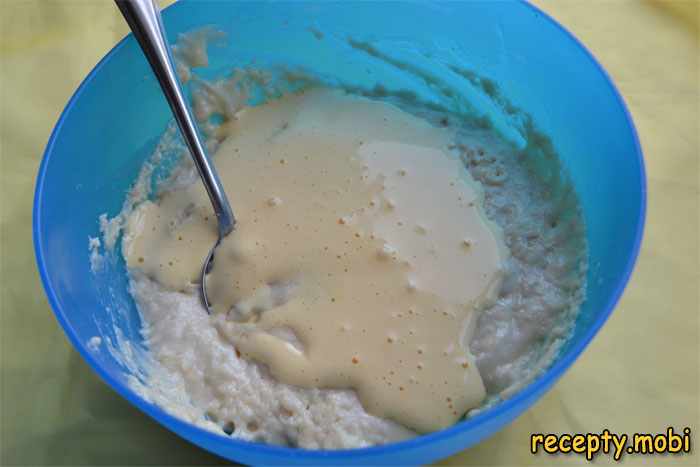
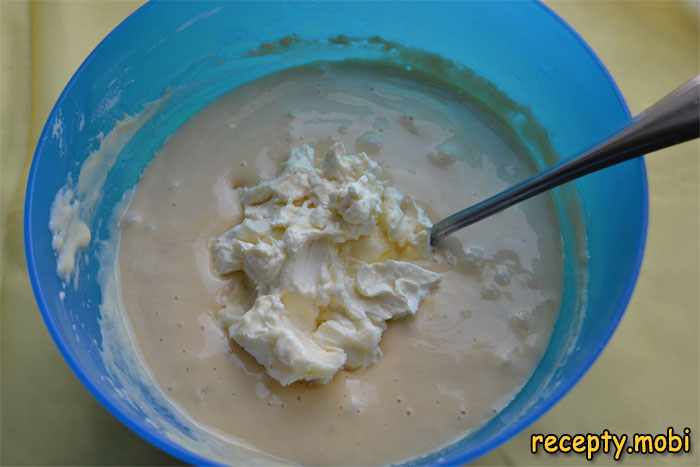
I soften the butter and margarine in a water bath – I don't melt them to a liquid state, only soften them. I add the softened fats to the dough and mix with a mixer until smooth.
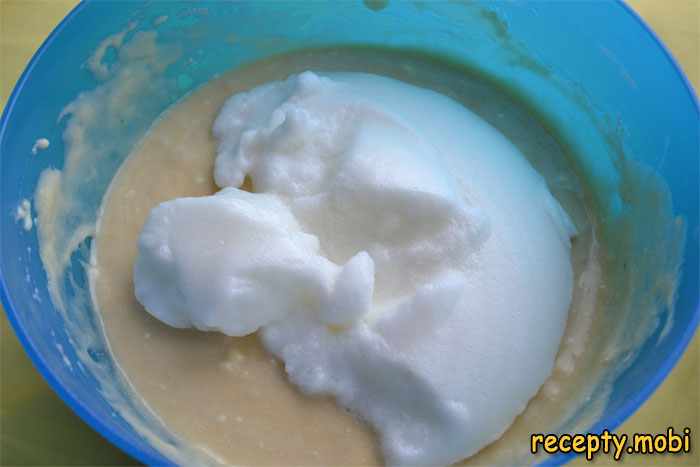
I beat the egg whites with a mixer and a pinch of salt until soft peaks form. I gently fold the beaten whites into the dough, mixing with a spatula from the bottom up to preserve the airiness.
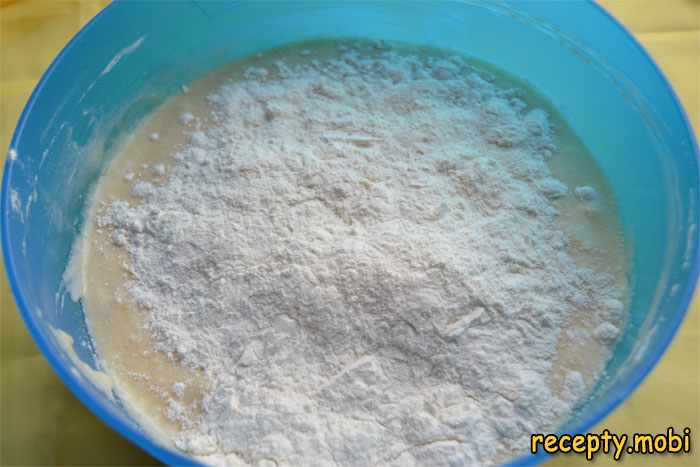
Gradually I add the remaining sifted flour. First I mix with a spatula, then I switch to kneading by hand. I add the flour not all at once but in portions, controlling the consistency.
I knead the dough by hand for a long time and thoroughly – about 15–20 minutes. The rich dough sticks to the hands a lot at first, so I periodically grease my hands with vegetable oil. The dough is ready when it becomes elastic and stretchy and stops sticking to the hands. I transfer it to a pot, cover it, and put it in a warm place for the first rise.
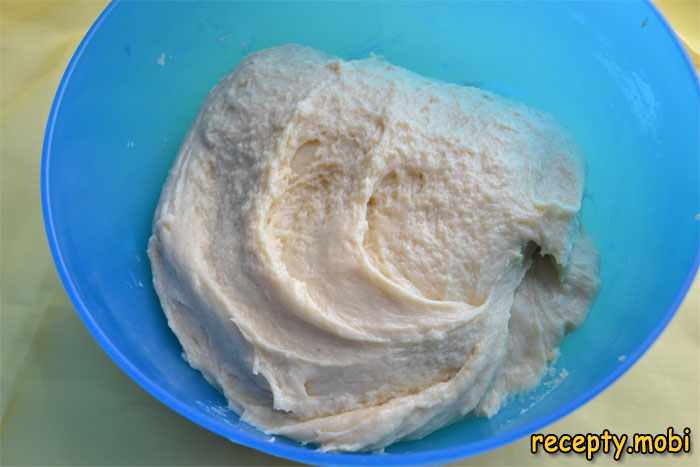
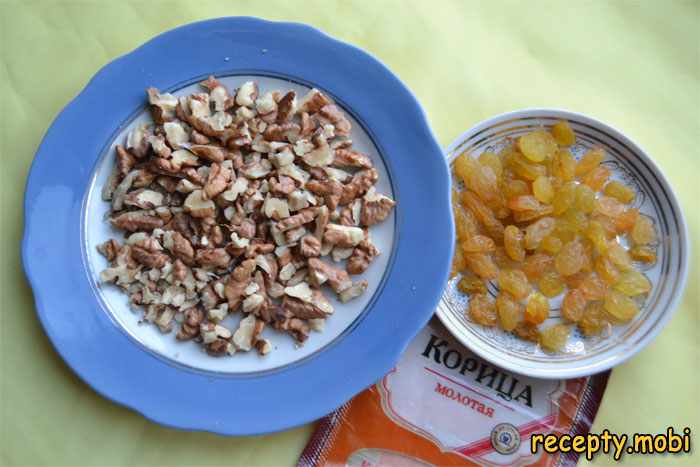
While the dough is rising, I prepare the add-ins. I rinse the raisins and pat them dry on a paper towel. I cut the walnuts into small pieces – not too fine, so that they can be felt in the finished kulichi.
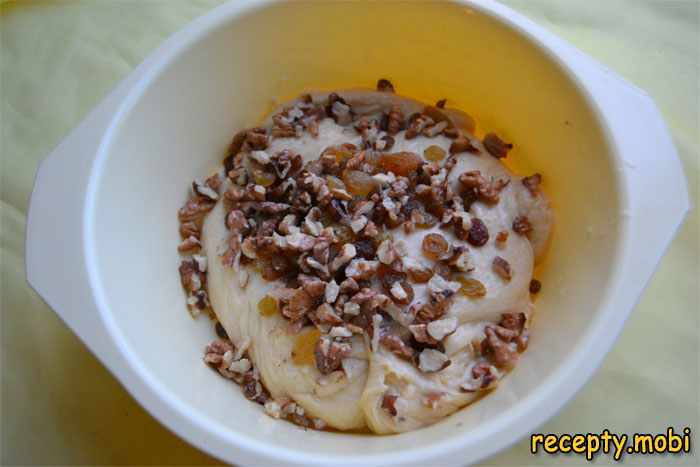
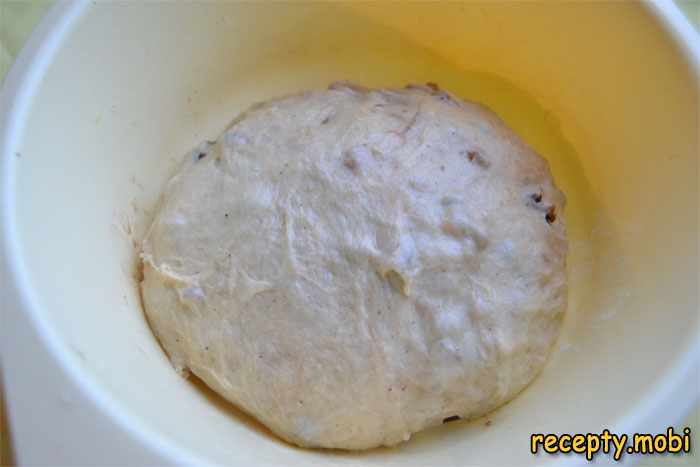
When the dough has doubled in size (in about 1–1.5 hours), I punch it down by hand. I add the prepared raisins and chopped nuts, distributing them throughout the dough.
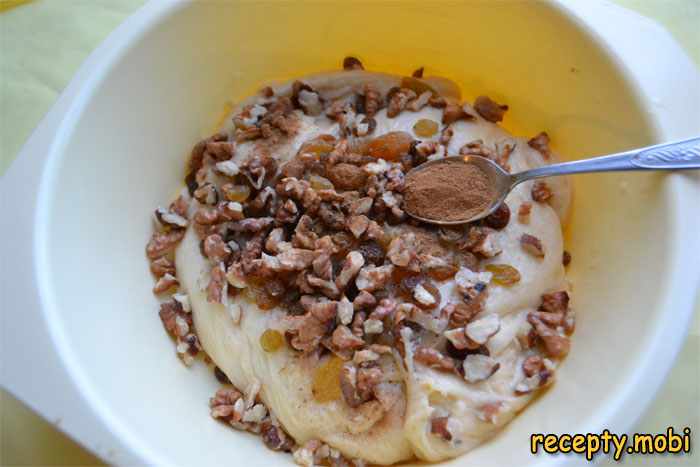
I scatter the ground cinnamon (1 tsp.) over the surface of the dough. Cinnamon is the main spice of these kulichi; it gives the characteristic warm aroma.
I knead the dough thoroughly, distributing the nuts, raisins, and cinnamon evenly. I put the pot back in a warm place for the second rise – for about 40–50 minutes.
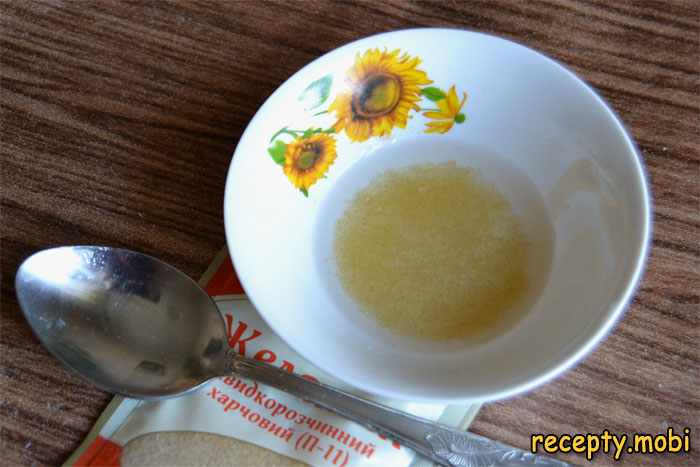
I make the gelatin glaze – it is ideal for kulichi, doesn't crumble, and has a beautiful shine. I pour 2 tablespoons of room-temperature water over the gelatin (1 tsp.) and leave it to swell for 20 minutes.
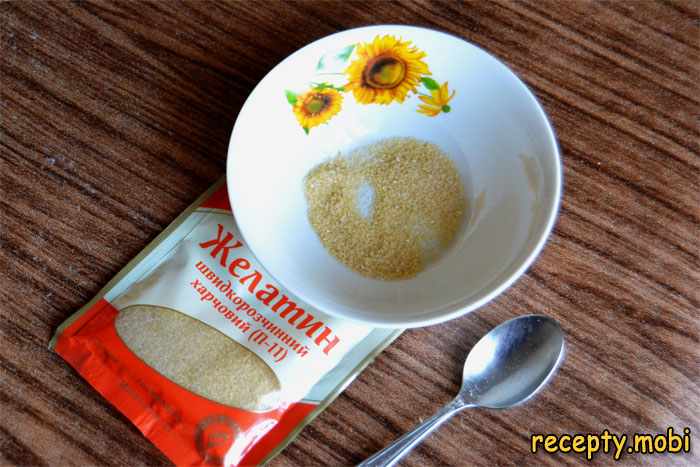
While the gelatin is swelling, I measure out the amount I need. I will add the gelatin to the finished glaze later, once it has fully swollen and thickened.
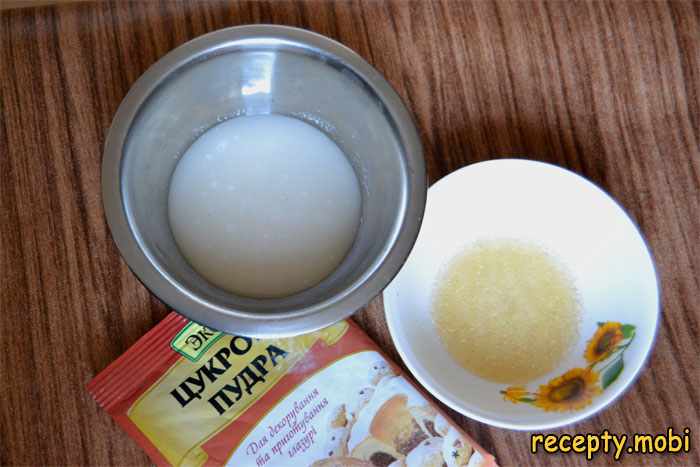
I pour the powdered sugar (100 g) into a metal bowl and add 2 tablespoons of water. I stir and place it over the heat, bringing it to a boil but not letting it boil. I take it off the heat, add the swollen gelatin, and stir until dissolved. I add a pinch of grated lemon zest for aroma.
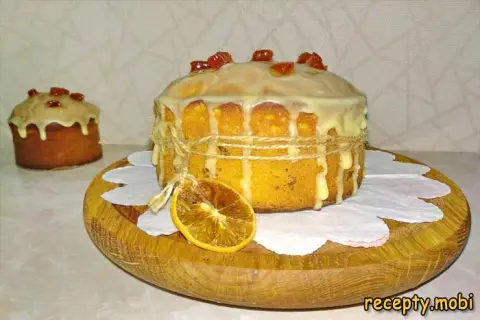
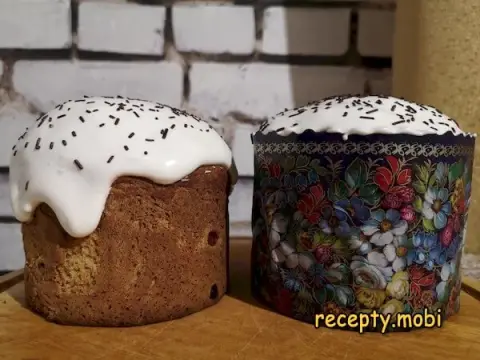
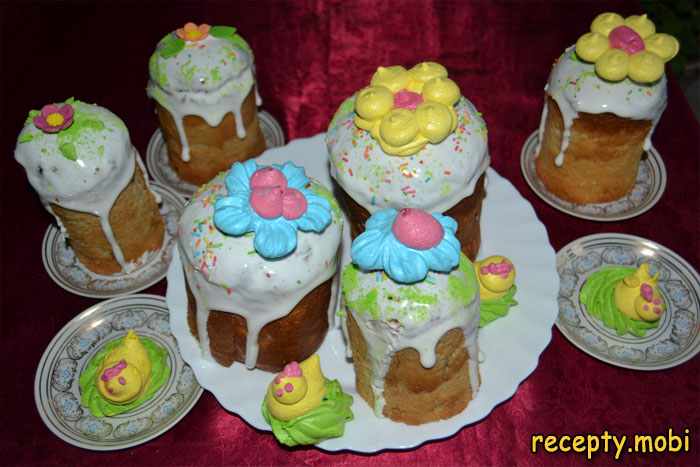
I cover the cooled kulichi with the gelatin glaze. I dip the top of each kulich into the glaze, twisting it slightly. Before the glaze sets, I decorate the kulichi with sprinkles, candied fruit, or sugar pearls. The gelatin glaze sets quickly, and the decorations hold on it very firmly. Happy Easter!


Tips
- 1
Always sift the flour twice – this saturates it with oxygen and makes the kulichi fluffier and more airy.
- 2
Baked milk gives the kulichi a special creamy taste. If you don't have it, use regular milk but increase the amount of butter slightly.
- 3
Gelatin glaze is the best choice for kulichi. It doesn't crack or crumble when sliced and has a beautiful shine. Decorations hold on it very firmly.
- 4
I lay the cooled kulichi on their side and turn them over from time to time – this way the tender sides don't deform under the weight of the top.
FAQ
Can I use fresh yeast instead of dry? +
Yes, fresh yeast also works. Instead of 7 g of dry yeast I take 20 g of fresh yeast. I dissolve it in warm milk with a spoonful of sugar, wait 10 minutes until foam appears, then add it to the flour.
Why doesn't the dough rise? +
The reasons can vary: expired yeast, milk that is too hot or too cold (it kills the yeast or fails to activate it), draughts, or a cold place for proving. The milk should be lukewarm (about 40°C), and the place warm and protected from draughts.
Can I replace the margarine with butter? +
Yes, you can use butter only (150 g instead of 75 g butter + 75 g margarine). The kulichi will have a more pronounced creamy taste but be slightly less fluffy.
How long do the finished kulichi keep? +
Wrapped in cling film at room temperature, the kulichi keep for 5–7 days and stay soft. They can be frozen – they keep in the freezer for up to 2 months. I thaw them at room temperature.
What can replace the gelatin glaze? +
You can make a meringue glaze: beat 1 egg white with 150 g of powdered sugar until stiff peaks form. But it is more fragile and may crumble when sliced.
- Comment
or post as a guest
Be the first to comment.