avg —
Korean Pigodi

Instructions
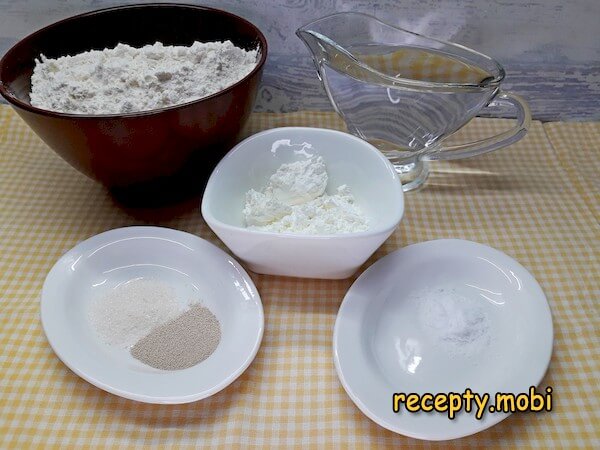
I prepare the dough ingredients. If you would rather not use cornstarch, make up its weight with more flour. You can also replace the 3 g of dry yeast with 15 g of fresh yeast.
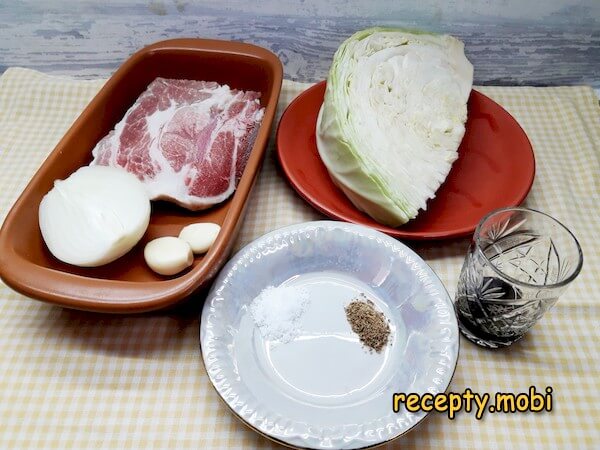
I prepare the filling ingredients. Instead of white cabbage you can use Beijing (Napa) cabbage, but then there is no need to mash it with salt by hand as described below – it is enough to shred it finely.
I start with the dough. To help it rise faster, I make a sponge: I dissolve the yeast and a pinch of sugar in 50 ml of water. After standing for about 5 minutes in a warm place, the mixture begins to foam, which means it is ready to work with.

From the total amount of flour I set aside 50 g for dusting.
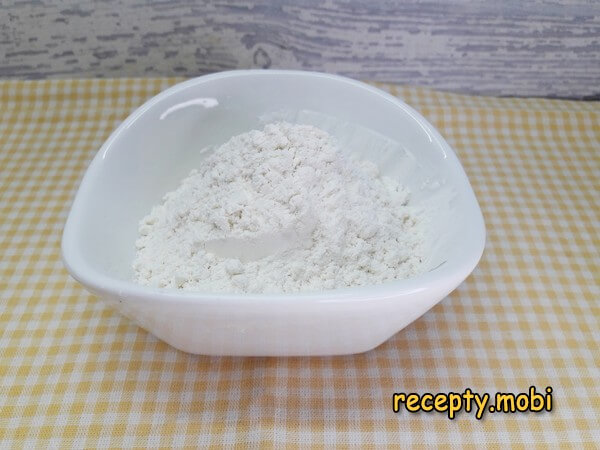
I mix the remaining flour with the cornstarch, the rest of the sugar and the salt.
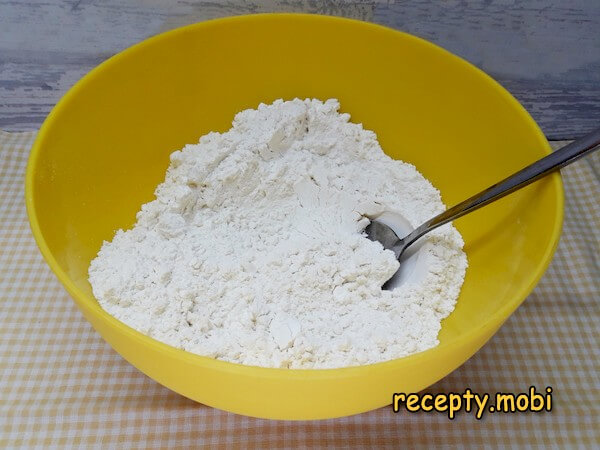
I pour the warm water together with the sponge into the flour mixture. I stir everything with a spoon so that no liquid pockets remain.
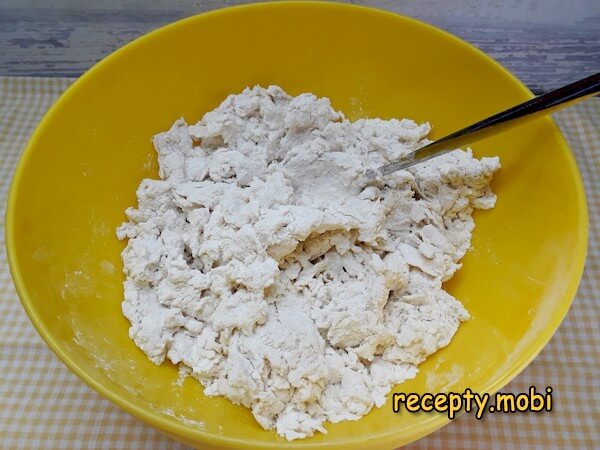
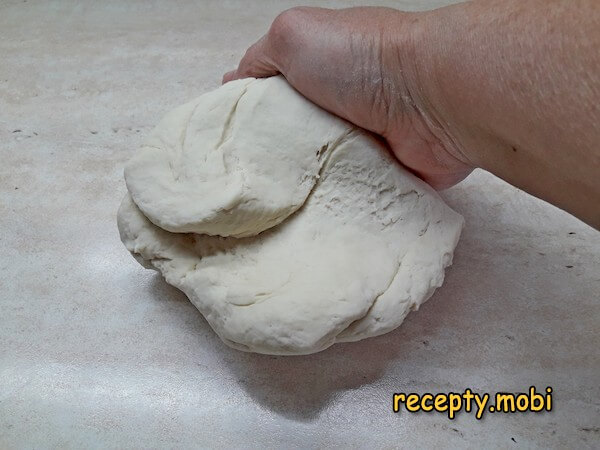
I turn the mixture out onto the table and start kneading it by hand, working and gathering it into a single mass. I gradually add the reserved flour, which the dough fully absorbs. The longer I knead (up to 10 minutes), the smoother and more even the dough becomes – it will only slightly stick to the hands.
I grease a clean bowl with vegetable oil. I put the dough, gathered into a ball, inside and oil it on all sides too. I cover the dough with film and place it in a turned-off microwave for 2 hours to rise. To improve the conditions, I set a cup of hot water next to it.
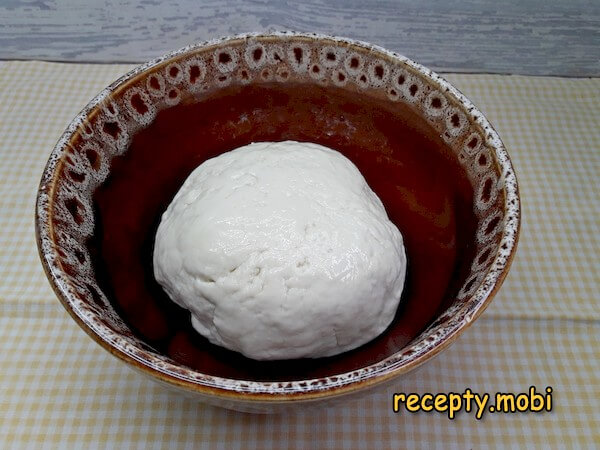
Meanwhile, I get on with the filling for the Korean pigodi. I chop the white cabbage as finely as possible.
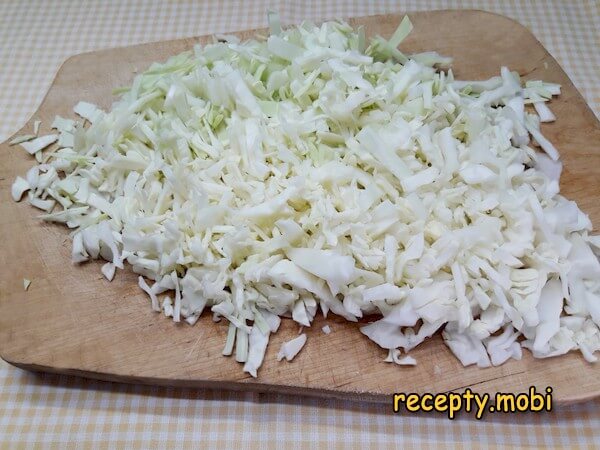
I salt it and mash it well with my hands so that it releases its juice. I let it stand for 5 minutes.
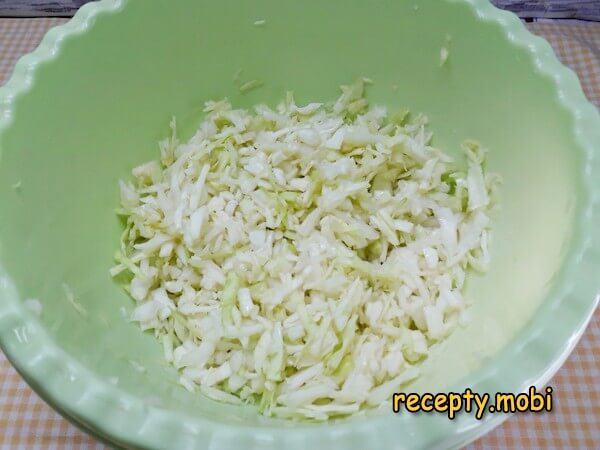
I pass the meat, onion and garlic through a meat grinder. I add the coriander and soy sauce to the filling.
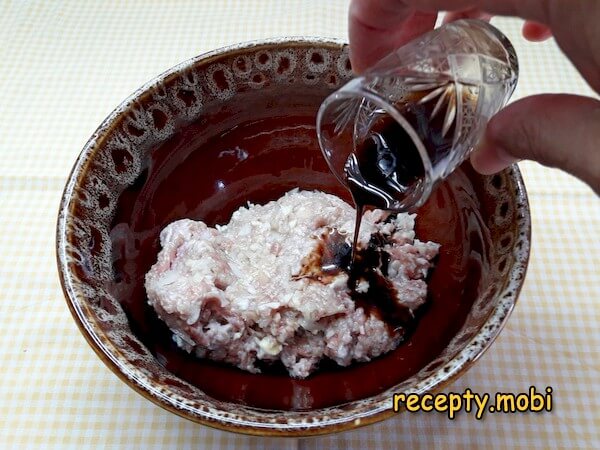
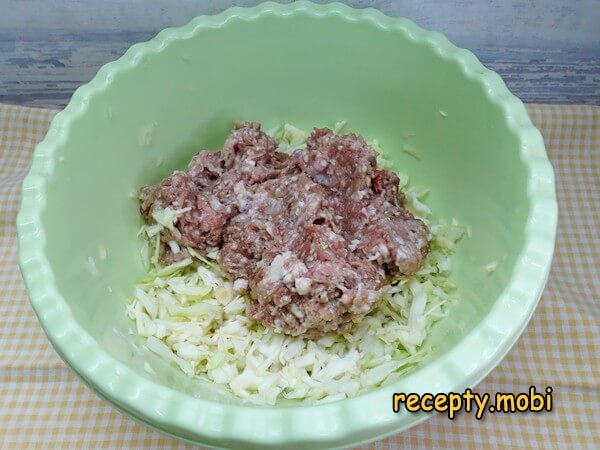
I combine the filling with the cabbage. For juiciness you can add 1 more tablespoon of water. I mix it. The filling should have a thick, viscous consistency. I cover it with film and leave it in the fridge until assembly.
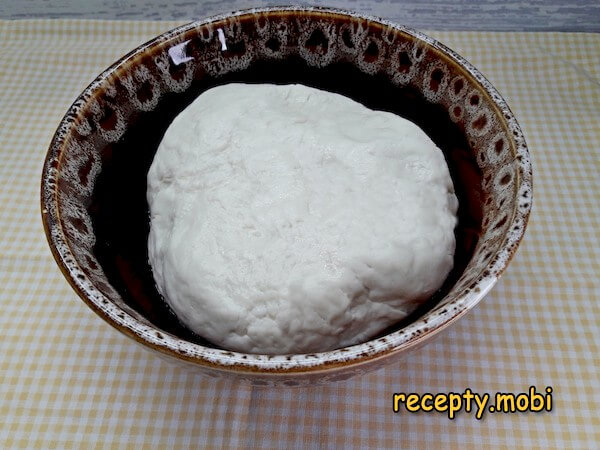
After the time is up, I take out the dough – it has visibly grown, increasing at least twofold.
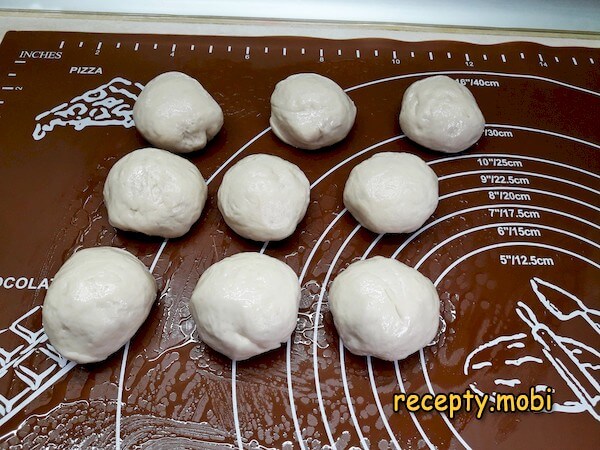
I punch it down and divide it into 9 pieces (about 50 g each). I grease the work surface with vegetable oil, roll the pieces into balls, oil them too, and leave them for 10 minutes so the gluten relaxes.
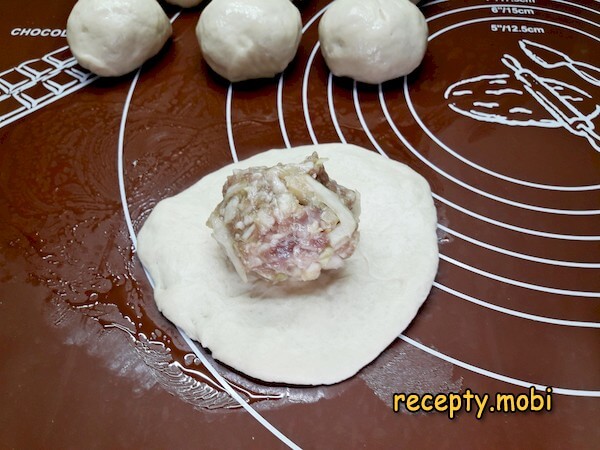
Next I flatten a ball by hand to a thickness of 2–3 mm and place a large spoonful of filling in the centre.
I pinch the edges shut, as for an ordinary pie. If you like, I twist the seam into a braid.
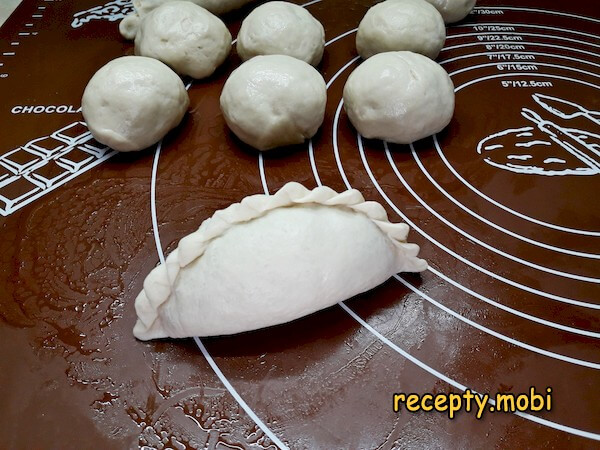
I place the pigodi on the greased surface.
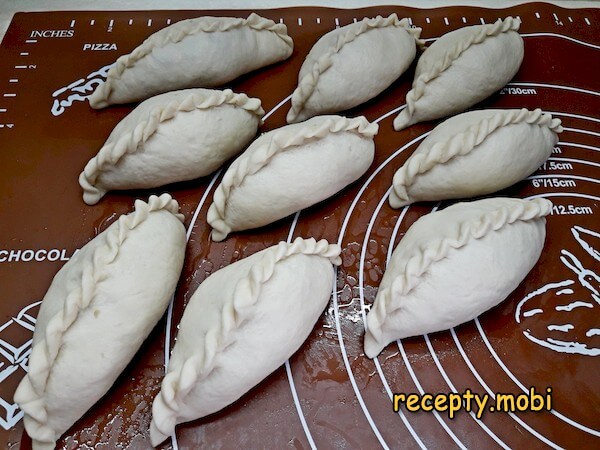
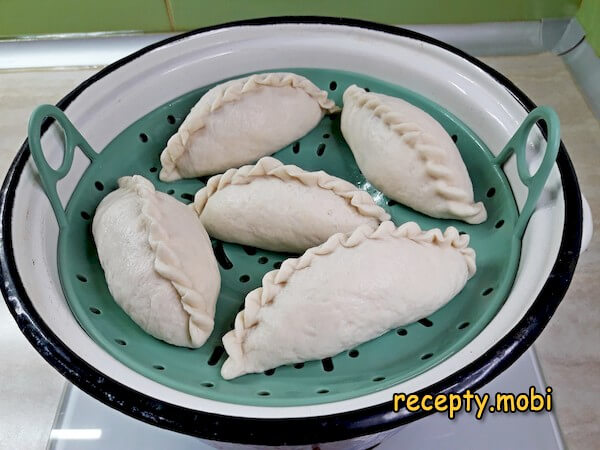
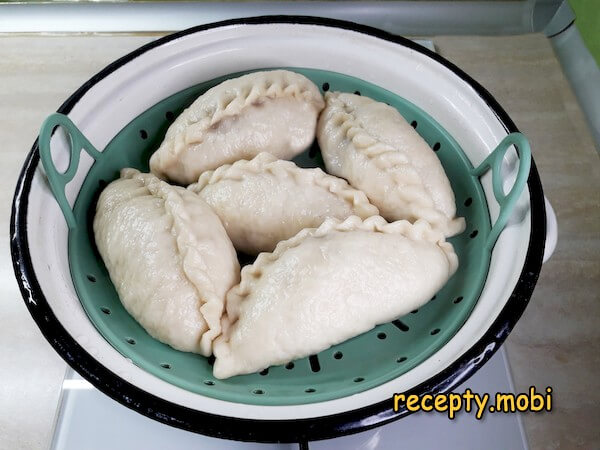
Next I use a manti steamer, a steamer basket or an ordinary sieve. The main thing is that the water does not touch their surface. I grease the bottoms of the pieces with oil once more and place them in the steamer with space between them, since the yeast dough will grow a little more during cooking.
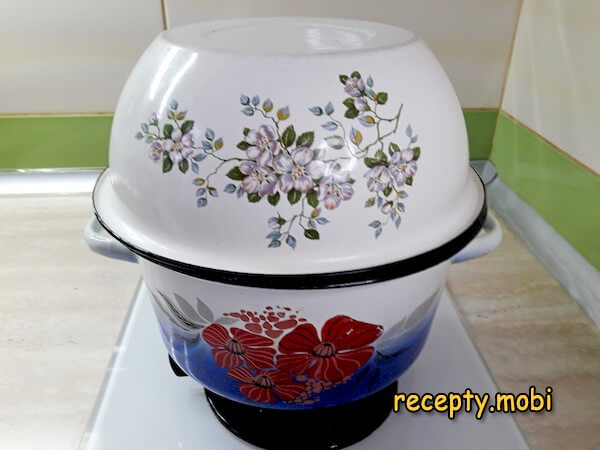
Once the water boils, I cover the pot with a deep bowl or a domed lid that the dough will not reach after rising.
After half an hour I remove the lid. The pigodi have taken on a glossy surface and are already done. I carefully transfer them to a plate and load the steamer with a new batch.
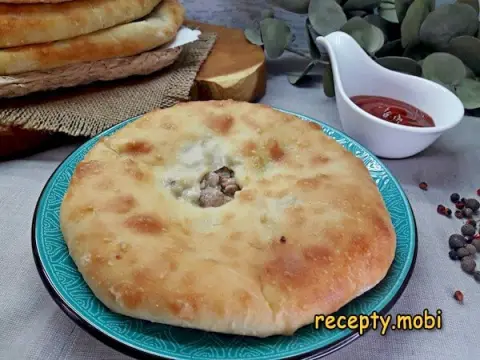
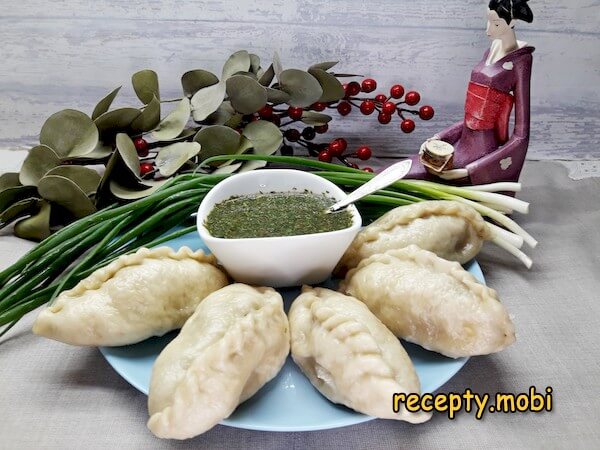
The Korean pigodi are ready. They are usually served with a spicy sauce made from soy sauce diluted with water and seasonings – garlic, herbs, hot pepper, coriander and others. These buns are eaten by hand: you dip them in the spicy seasoning or pour it inside the bun. Juicy, with no excess fat, very tasty, the pigodi are a real pleasure!


Tips
- 1
Salted cabbage is the secret to juiciness. Raw cabbage does not give up its juice on its own. Salt plus 5 minutes of mashing by hand makes it release that juice, and the filling turns thick and viscous.
- 2
A domed lid is the secret to the shape. With a flat lid the dough sticks to it. With a domed lid or a bowl, the steam rises and the pigodi are not crushed.
- 3
Two hours in the microwave is the secret to the rise. No draughts, plus warmth from a cup of hot water, makes ideal conditions.
- 4
A raw filling is the secret to flavour. Frying dries out the meat. A raw filling gives up its juice into the dough, and the pigodi come out at their juiciest. The same principle works in other Asian steamed dishes.
FAQ
Which meat should I choose? +
Ideally pork with a little fat (130 g – juicier), or lean beef with some marbling (130 g – the classic choice). Alternatives: a 50/50 mix of pork and beef (65 g of each), lamb (130 g, for an Eastern version), chicken fillet (130 g, lighter) or turkey (130 g, for a leaner option). Fresh, chilled meat is best. Avoid shop-bought minced meat of uncertain composition and very lean beef brisket, which comes out dry. For the Korean classic, use pork or a pork-and-beef mix.
What can replace cornstarch? +
Alternatives: potato starch (25 g, more neutral in taste), rice flour (25 g, for a more Korean character), premium wheat flour (25 g, though the dough will be denser), wheat starch (25 g, a mild equivalent) or tapioca starch (25 g, the most elastic). Use fresh starch from a sealed pack. Avoid modified starch, which is unsuitable for this dough, and coarse cornmeal. For classic Korean pigodi you really do want starch rather than more flour.
How long do pigodi keep? +
In the fridge, in a tightly closed container, 1–2 days. Any longer and the dough goes stale and the filling loses its juiciness. Before serving, reheat them over steam for 5–7 minutes to bring back their softness, or warm them in the microwave for 1 minute under a damp paper towel. Raw shaped pigodi keep in the freezer for up to 1 month (freeze them on a board, then transfer to a bag) and are steamed from frozen for 35–40 minutes. Pigodi are at their best fresh, straight after cooking; by the second day they lose some juiciness. Do not leave them at room temperature for longer than 4 hours, as the filling spoils quickly.
What do you serve pigodi with? +
The Korean classic is a spicy soy sauce (soy sauce plus garlic, herbs, hot pepper and coriander). They also go with kimchi (Korean spicy cabbage), a bowl of rice, marinated Korean vegetables such as carrot and daikon, and spring onion and fresh coriander. It is a versatile hot dish that is eaten by hand.
- Comment
or post as a guest
Be the first to comment.