avg —
Lacums Kabardian Style

Instructions
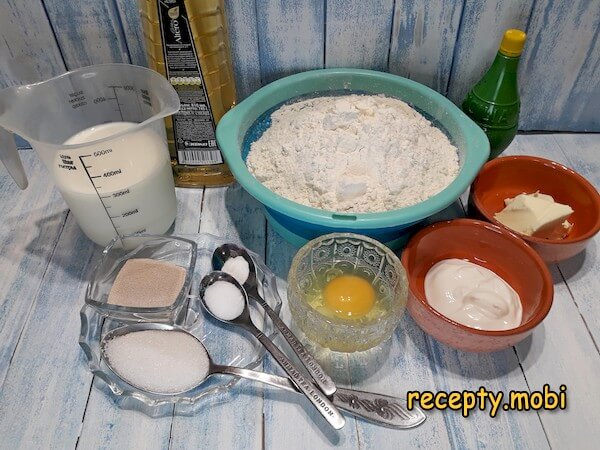
I prepare all the ingredients I need for the most delicious Kabardian lacums in advance. Dry yeast can be replaced with fresh pressed yeast – you will need 24 grams of it. Before using, I warm the butter so that it becomes soft. It is best to take all the products out ahead of time so they reach room temperature.
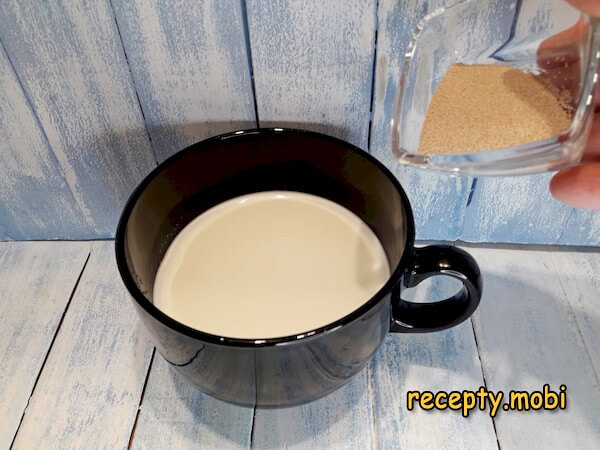
In a separate small bowl I dissolve the yeast in the milk. I add the sugar and 2 tablespoons of flour from the total amount. I stir and leave it in a warm place, covered with a lid. There is no need to break up the flour lumps that form – they will dissolve on their own during fermentation.
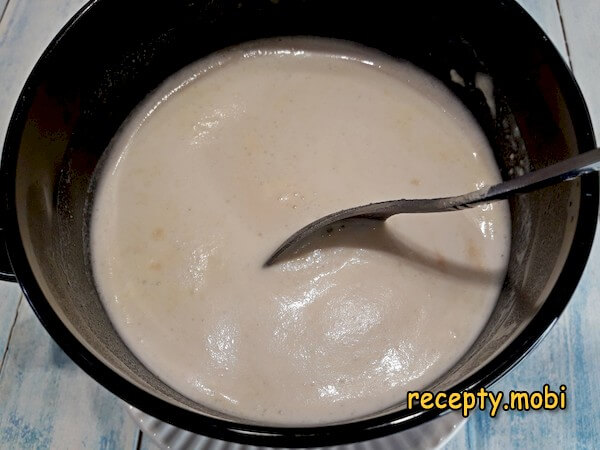
After 20–40 minutes (depending on the quality of the yeast) the starter will foam up – that means it is ready to use further. An active foamy cap is the "indicator" of good yeast.
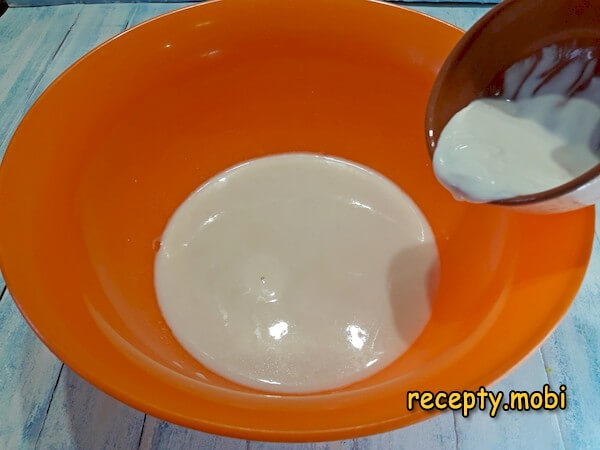
I pour the starter into a mixing bowl and add the sour cream – sour cream gives the rich dough the right "tenderness" and a characteristic "homemade" flavour.
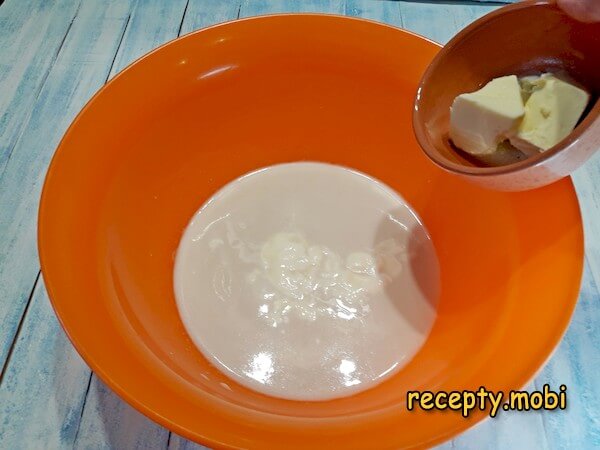
Next – the soft butter – it gives a rich milky aroma and a tender texture.
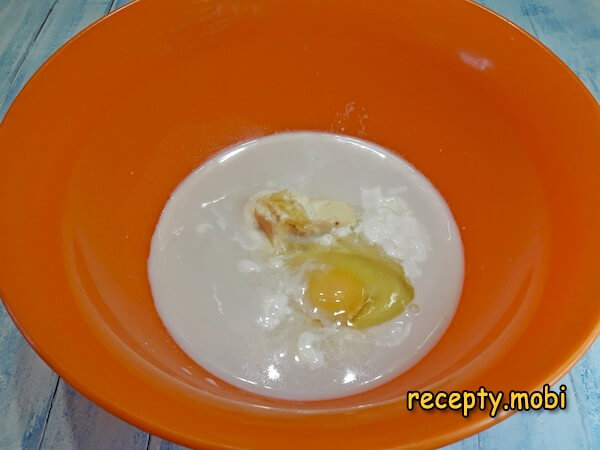
I beat in the egg – it binds the dough together and gives it a golden hue when frying.
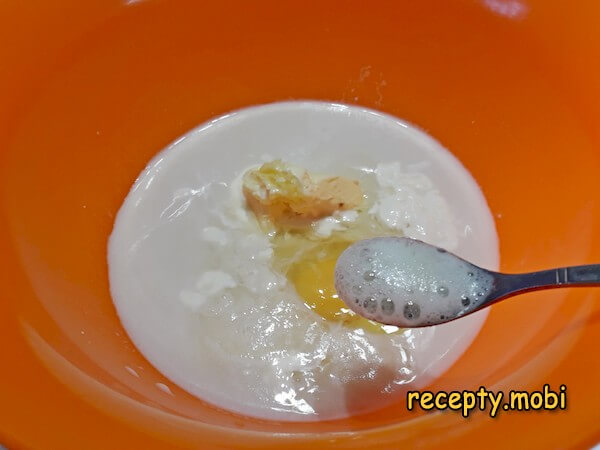
I combine the soda with the lemon juice and, once the reaction takes place, add it to the main bowl – this is the secret of extra airiness in the dough, on top of the work of the yeast.
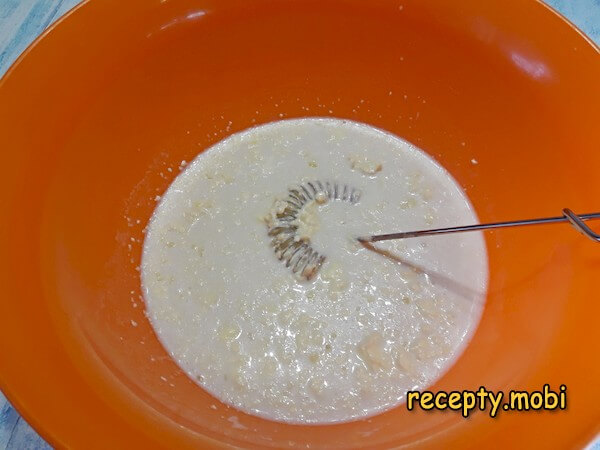
I add a little salt and stir with a whisk – salt balances the sweetness and helps the yeast work steadily.
I begin to sift in the flour little by little, mixing it into the liquid mixture in small portions – adding the flour gradually gives control over the thickness of the dough.
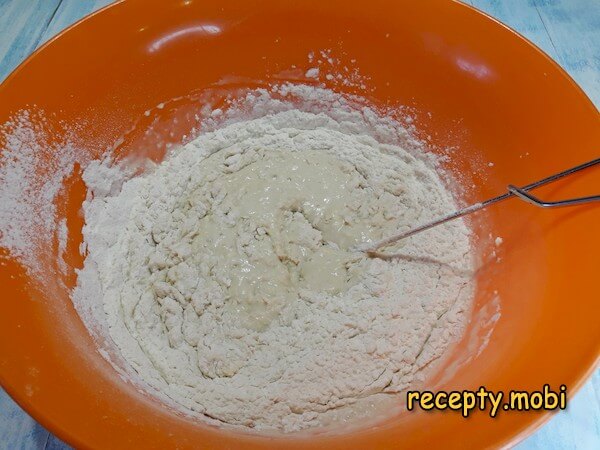
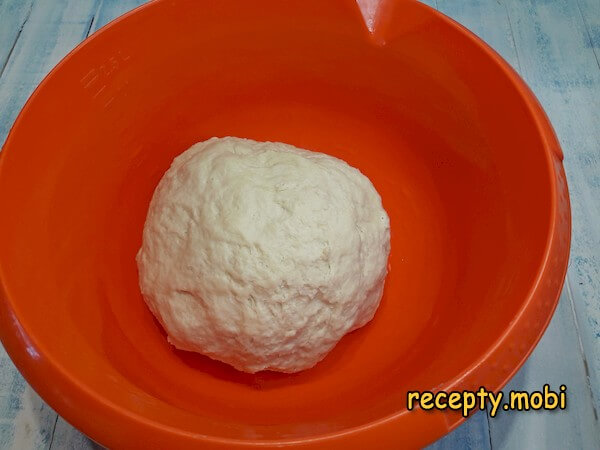
When the mixture thickens, I finish kneading it by hand. The dough should not be too tight, otherwise the lacums will turn out tough. I form a ball and place it in an oiled bowl.
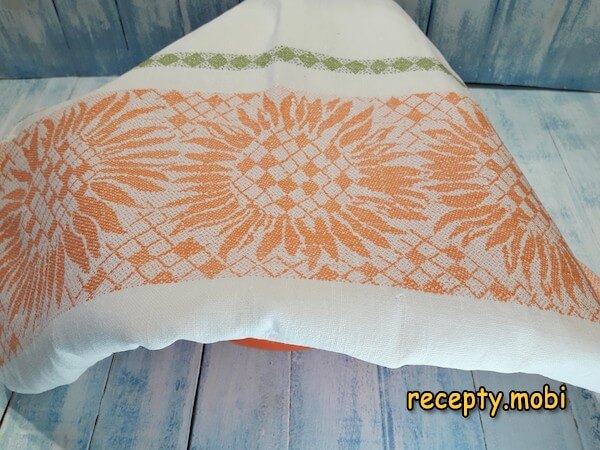
I cover the dough with a towel folded into several layers and leave it in a warm place to rise – a warm spot (near a radiator or by the stove) speeds up the work of the yeast.
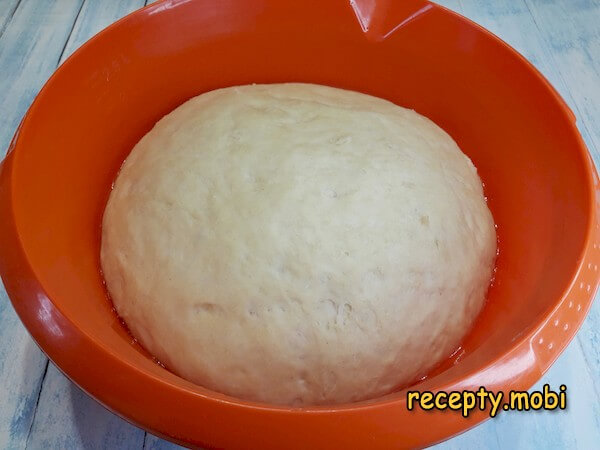
After about 1–1.5 hours the lacum dough will increase considerably in volume – at least two to three times.
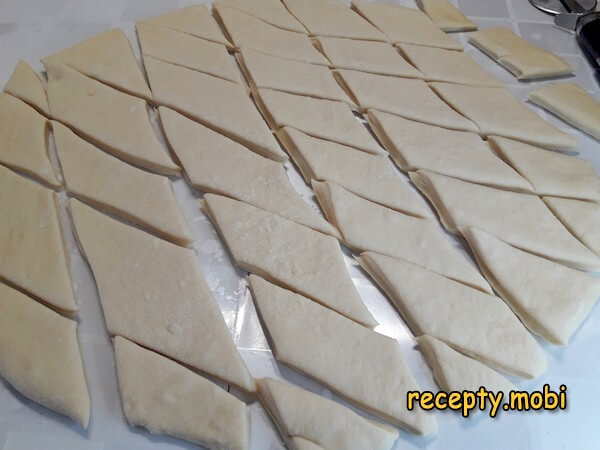
I knock it back and roll it out to a thickness of 1 centimetre. While doing this you can dust the table with a little flour, but just a single pinch, so as not to weigh down the tender structure of the dough. I cut the sheet into diamonds and triangles – these are exactly the shapes that are authentic for Kabardian lacums.
To reduce the amount of oil used, I take a cauldron or a small-diameter pot and heat 0.5 litre of oil in it. If you drop a crumb of dough in and it starts to bubble, you can put the prepared lacums in to fry. They should float freely in the hot oil. I keep the heat above medium.
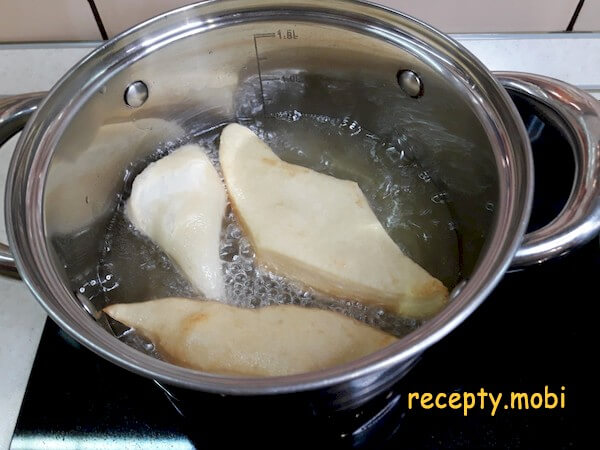
I keep turning the pieces all the time so that they brown evenly and become covered with a golden crust – this takes about 2 minutes.
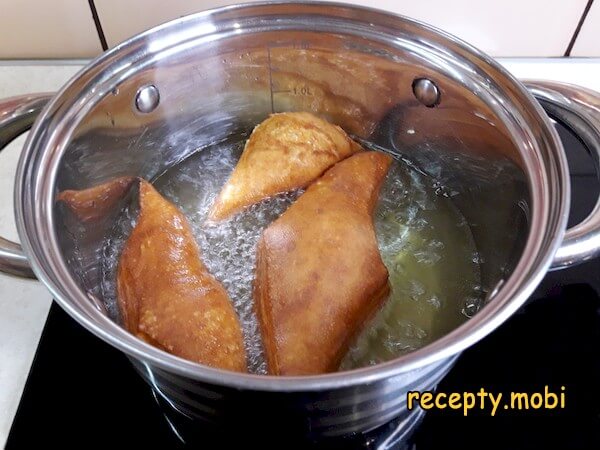
I place the finished lacums on a paper towel to remove the surface grease – this is the secret against an overly greasy end product.



Tips
- 1
YEAST + SODA – the secret of maximum fluffiness. With just yeast the lacums will turn out good, but not "super-fluffy". The extra reaction from the soda slaked during the kneading creates a double leavening effect – the fluffy "little cushions" gain that characteristic Kabardian "airy" look. This is the secret from the old Kabardian housewives.
- 2
WARM MILK + ALL PRODUCTS AT ROOM TEMPERATURE – the secret of the right yeast activation. Cold ingredients slow the yeast down and the dough rises poorly. Warm milk at 36–38 °C activates the yeast to its full strength, while the other room-temperature ingredients do not "smother" this reaction. A similar principle applies in fluffy fritters on yeast and kefir.
- 3
NO EXCESS FLOUR – the secret of tenderness. The main mistake when working with a soft enriched dough is to "stuff" it with flour during rolling. The flour should be only a pinch on the table, so that the dough does not stick, rather than being "rubbed" into the mass. Excess flour gives "tough" lacums instead of tender, airy ones.
- 4
A DUAL SERVING – the secret of versatility. One dough = two dishes. With salt and onion it is a hearty "bread-like" serving to go with meat. With icing sugar it is a sweet dessert serving to go with tea. A similar "dual" character belongs to khvorost on milk – also a sweet fried snack of Caucasian-Slavic origin.
FAQ
What are lacums and where are they eaten? +
Lacums are a national dish of Caucasian cuisine (of the Kabardians, Balkars, Karachais and Ossetians), consisting of pieces of rich yeast dough deep-fried in oil. They are common throughout the North Caucasus and in the Caucasian diaspora around the world. They are served as "bread" with meat dishes, as a standalone snack with sweet tea, and as a dessert with icing sugar. For major holidays they are prepared in large quantities by the whole family – it is both a social event and the cooking of food at the same time. They are similar to Ukrainian pampushki, Georgian chvishtari and Armenian gata.
Can the milk be replaced with another liquid? +
Yes, there are several good alternatives. Kefir – gives a "lighter" and fluffier dough (with the soda reduced to 1/8 tsp). Whey – a "lean" option with a similar result. Soured milk or ryazhenka – give a characteristic fermented-milk note. Plant milk (soy, almond) – for a vegan version. Plain water is not suitable – the dough turns out "bland" in taste and less tender. Milk is preferable for classic Kabardian lacums – it gives a creamy aroma.
How long do lacums keep? +
In an airtight container or tightly wrapped in cling film at room temperature – up to 2 days. In the fridge – up to 4 days. Before serving I reheat them in the microwave for 20–30 seconds (under a damp paper napkin) or in the oven at 150 °C under foil for 5–7 minutes. Frozen lacums keep for up to 2 months – I thaw them at room temperature for 1–2 hours, then reheat. The prepared dough can be kept in the fridge for up to 24 hours under cling film – before frying, let it come to room temperature for 30 minutes.
What to serve with lacums Kabardian style? +
A versatile "two-in-one" dish. As "bread" with meat: with shashlik, stewed meat, chanakhi, Caucasian-style lamb. With fresh herbs: a bunch of coriander, parsley, spring onion, basil. From sauces: homemade ketchup, tkemali, adjika, garlic-and-sour-cream sauce. As a dessert: with icing sugar, honey, condensed milk, berry jam. With drinks: hot black or green tea, the fermented-milk drinks ayran and tan. For a large Caucasian table: as part of an assortment with other dishes – chudu, chebureki, shashlik.
- Comment
or post as a guest
Be the first to comment.