avg —
New York Times Plum Torte: Original-Style Recipe

Instructions
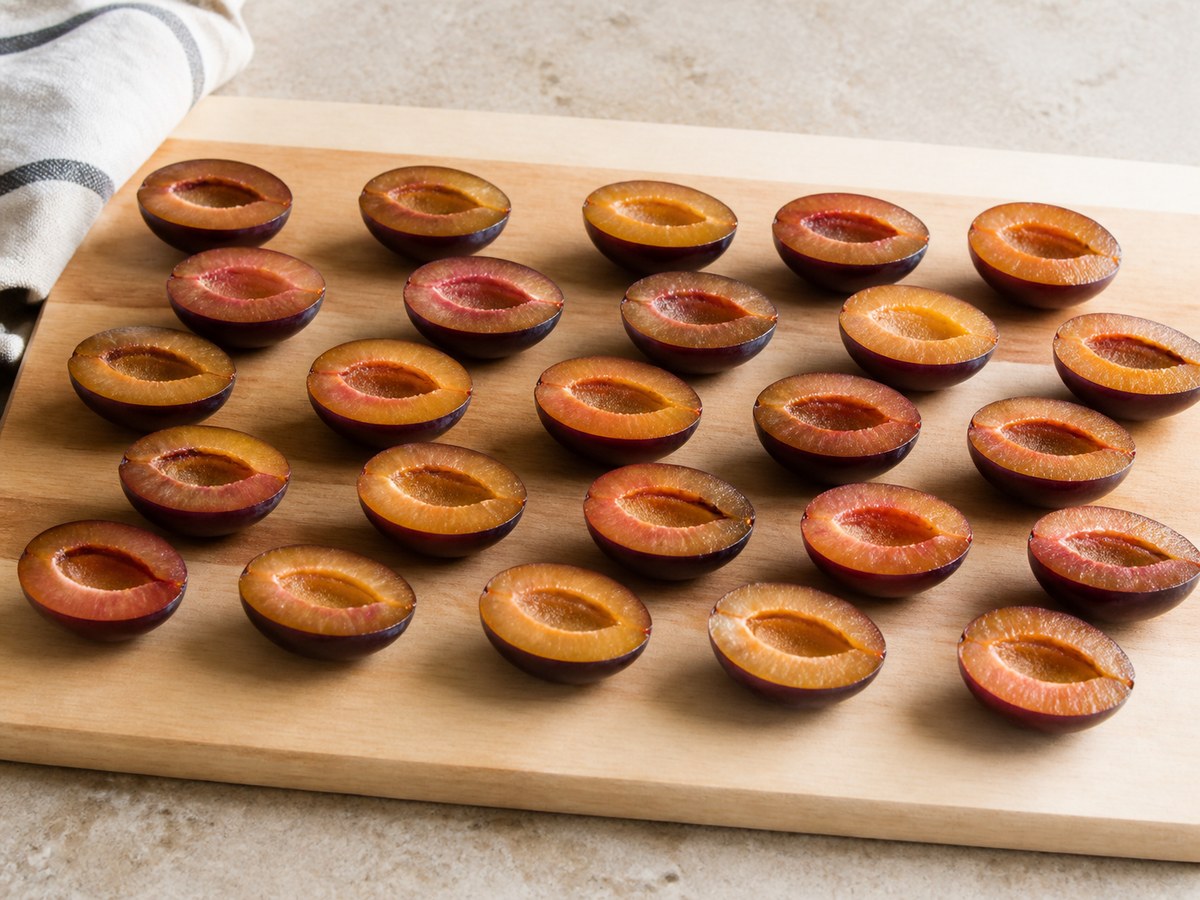
Prepare the tin and plums. Heat the oven to 175°C conventional, 155°C fan or gas 4. Line the base of the tin and lightly butter the sides. Wash and thoroughly dry the plums, halve them lengthways and remove the stones. You should have 24 halves.
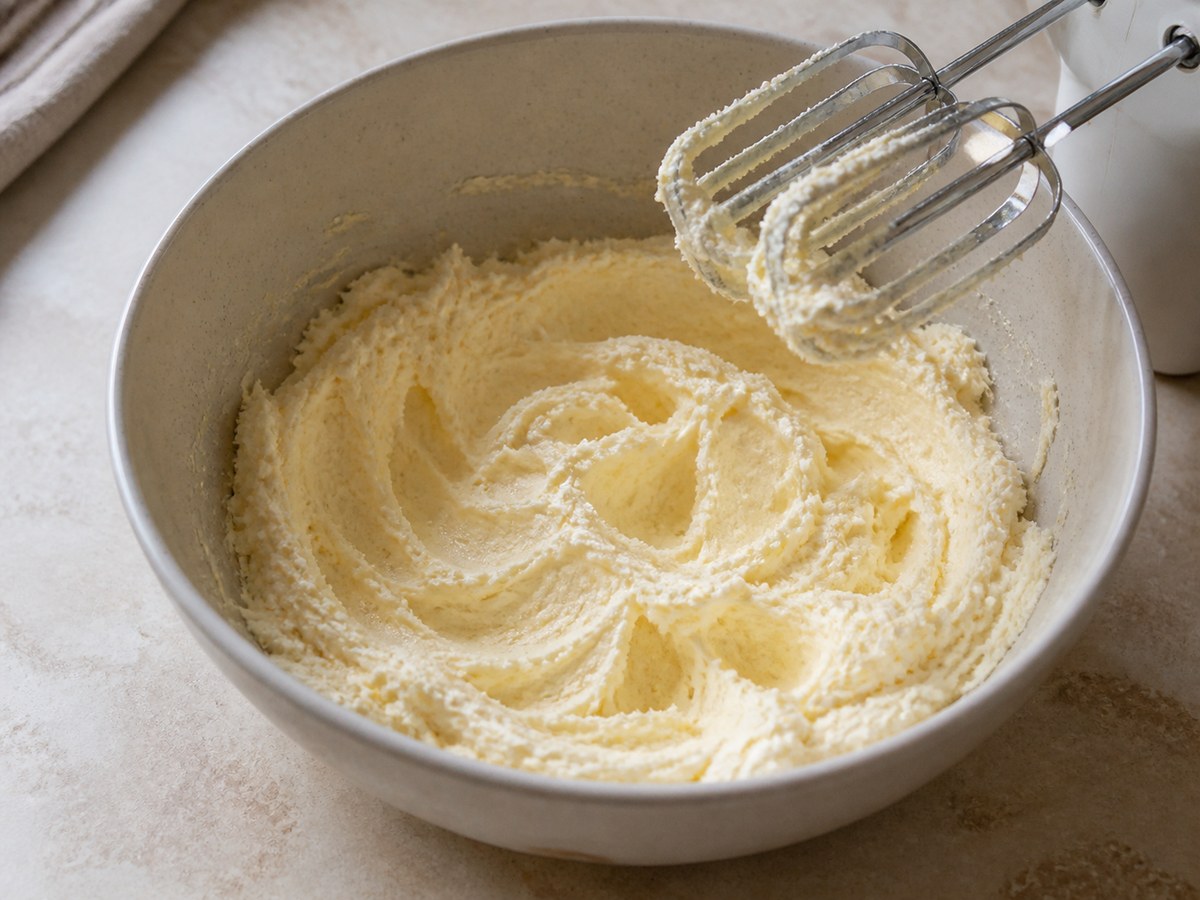
Cream the butter and sugar. Beat 115 g softened butter with 150 g caster sugar for 3–4 minutes. The mixture should become noticeably paler, increase in volume and look creamy. Scrape down the sides of the bowl.
Add the eggs. Beat in one egg at a time for 30–40 seconds after each addition. If the mixture begins to split, beat in one teaspoon of the measured flour. The finished base should be pale, smooth and creamy.
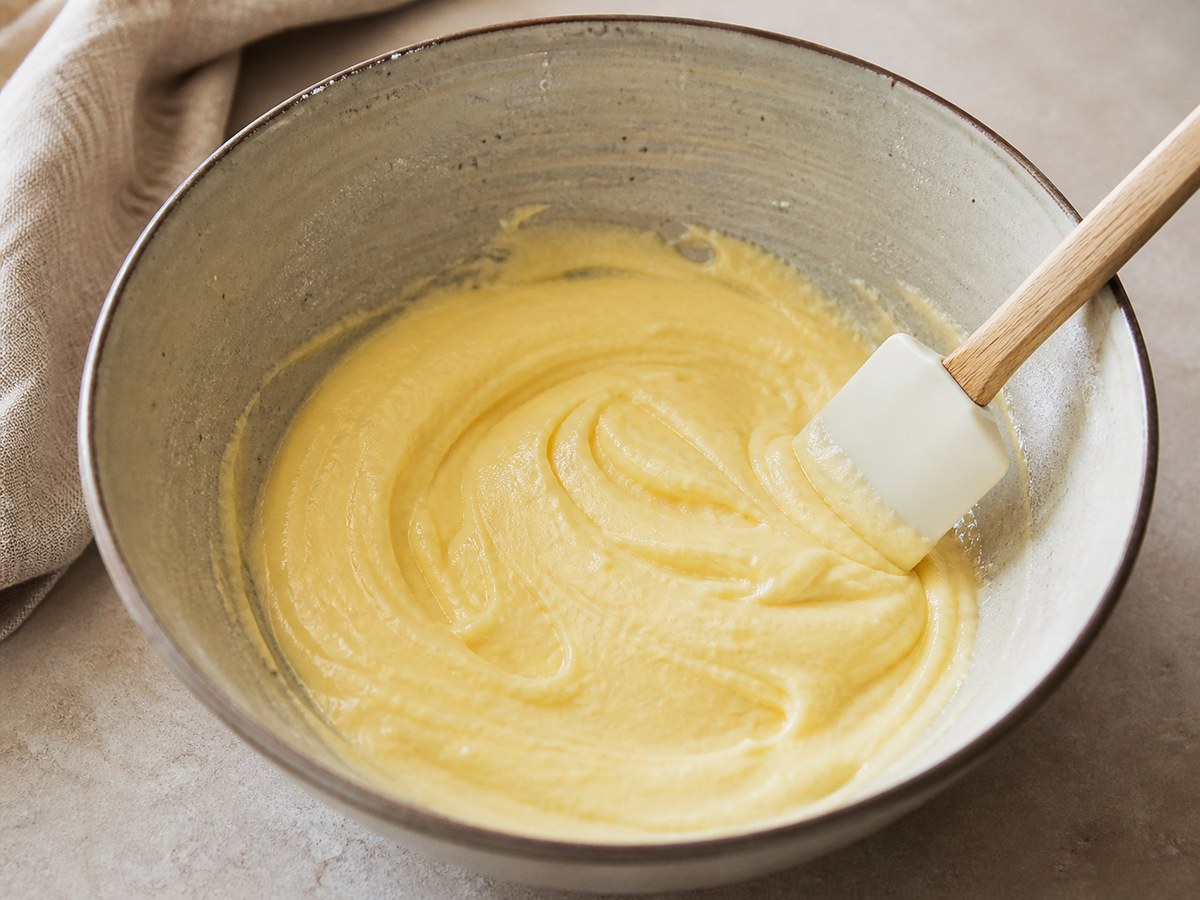
Fold in the dry ingredients. Combine the flour, baking powder and salt. Sift them over the butter mixture and fold with a spatula only until no dry flour remains. The batter is deliberately thick: it should hold ridges rather than pour.
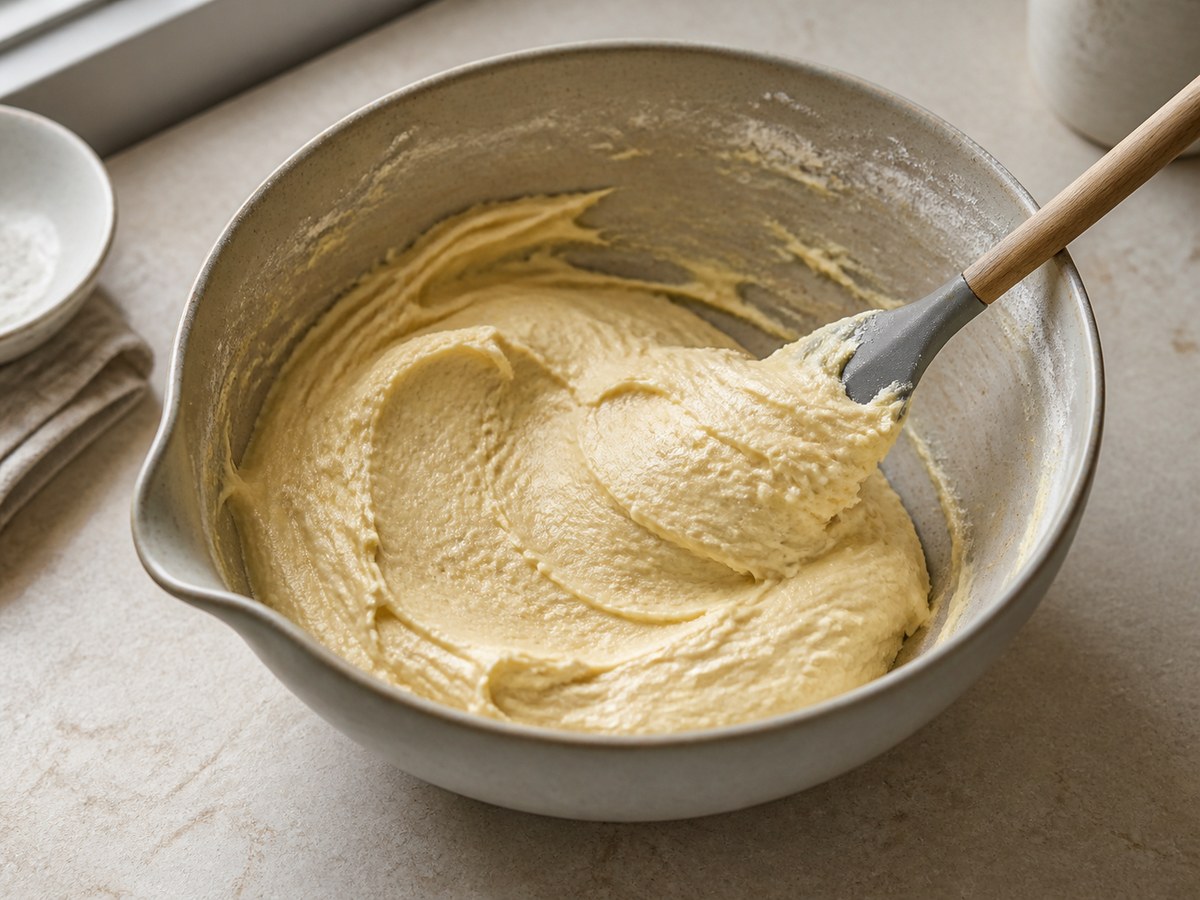
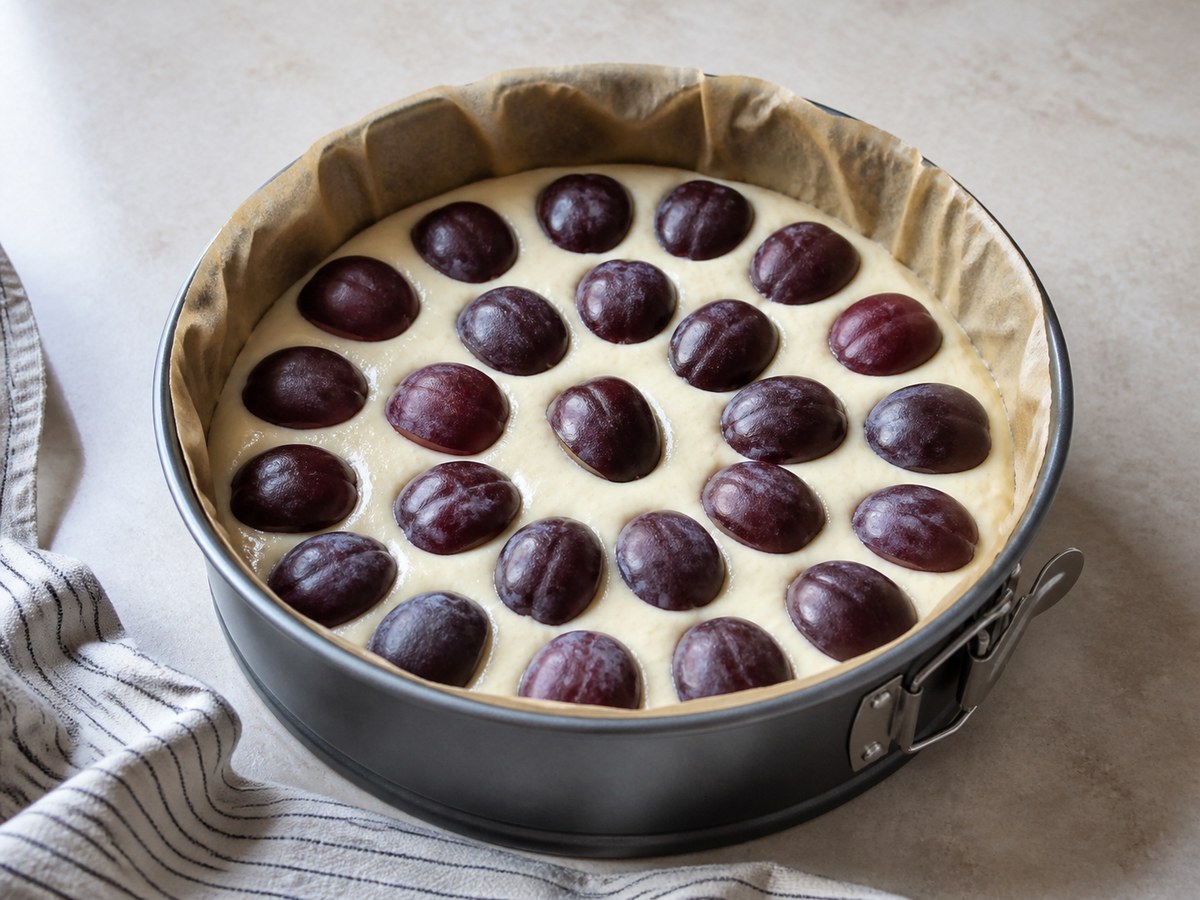
Assemble the torte. Transfer the batter to the tin and level it. Arrange the plum halves skin-side up, starting around the outside. Do not push them deeply into the batter; the sponge will rise around them. For large plums, use five or six fruits and quarter them.
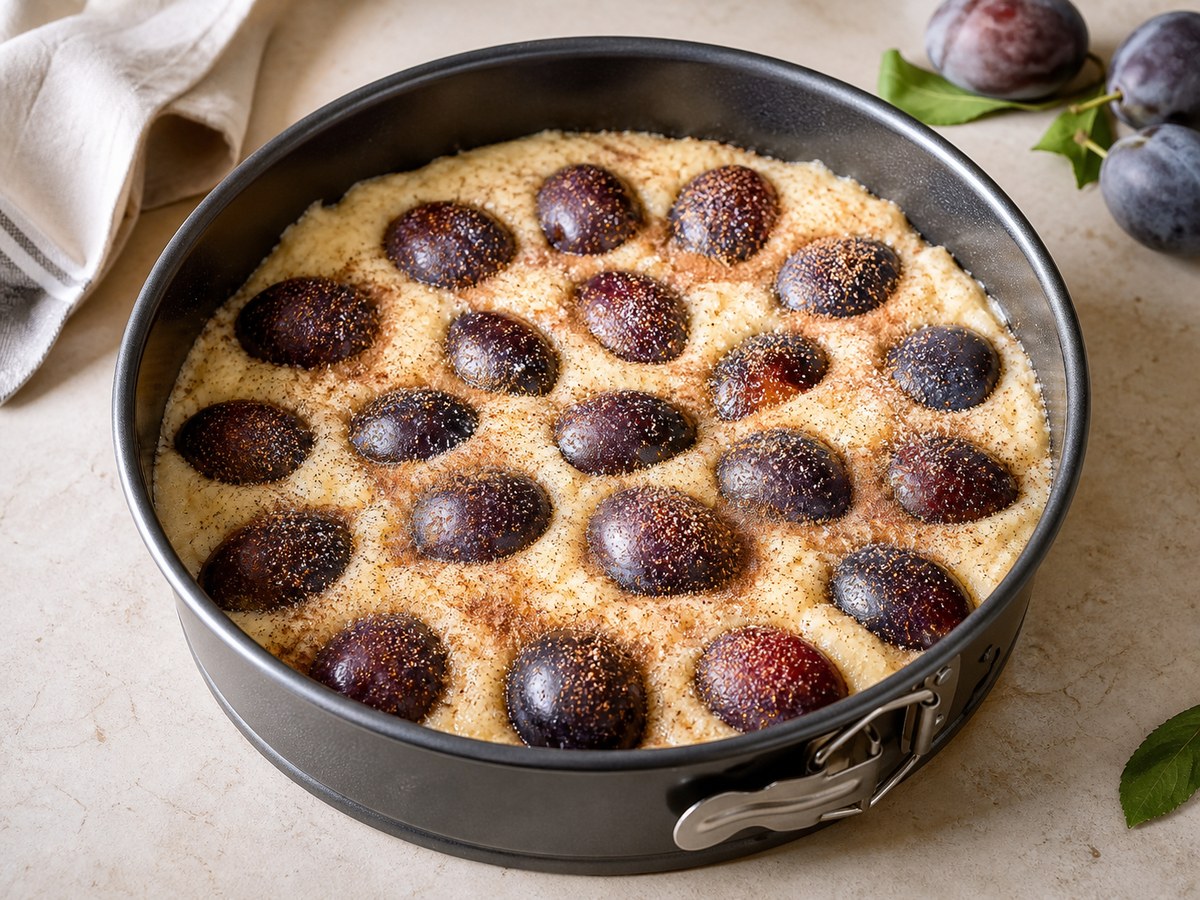
Add the topping. Drizzle the plums with lemon juice. Mix the tablespoon of sugar with the cinnamon, then scatter it evenly over the surface. Use half the topping for very sweet fruit and the full amount for tart plums.
Bake and cool. Bake on the middle shelf for 50–60 minutes. At 50 minutes, test the sponge near the centre without piercing a plum; the skewer should show no raw batter. Cool in the tin for 20 minutes, loosen the edge with a thin knife and remove the ring. Let the cake cool until at least lukewarm before slicing.
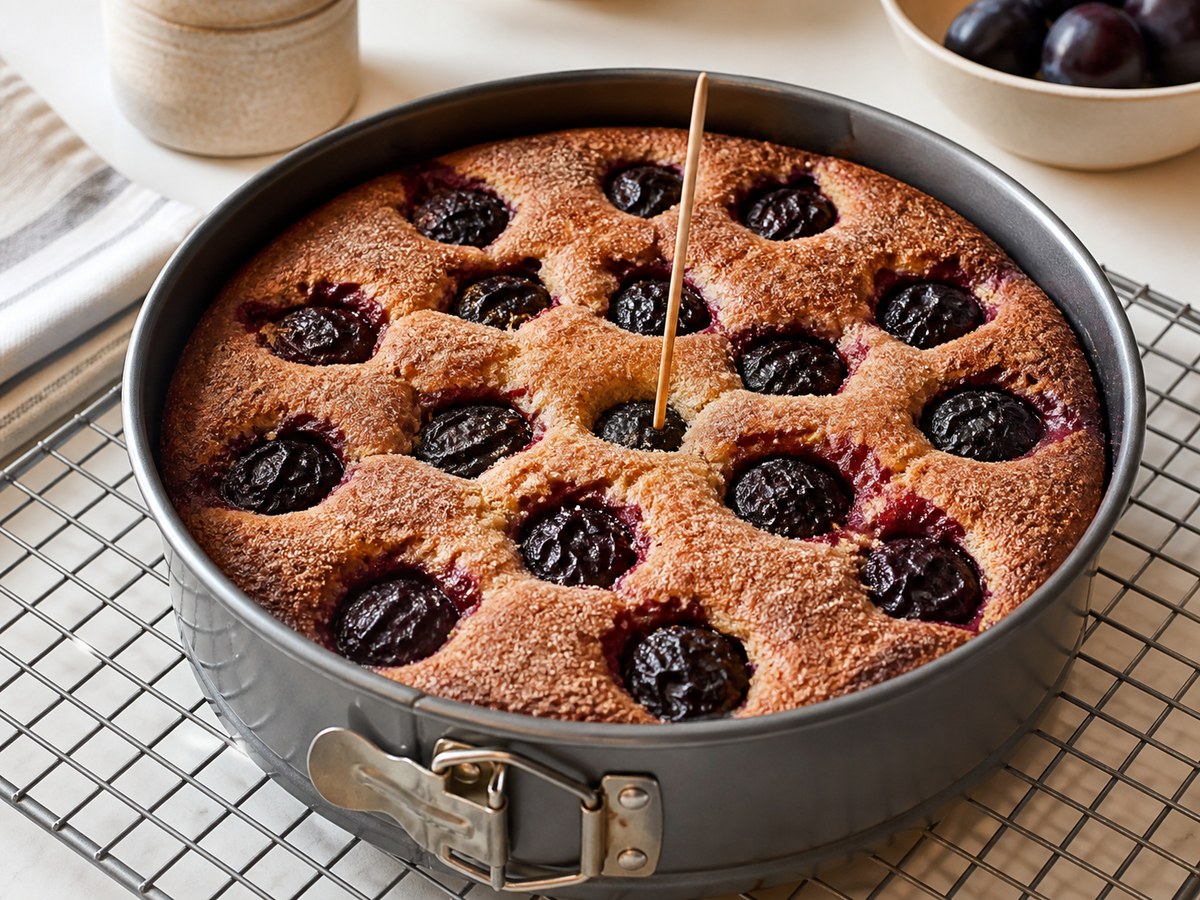


Why this plum torte became famous
The enduring appeal is more than a newspaper story. The formula uses relatively little flour and a generous amount of butter, creating a tender crumb. The plums begin on top and slowly sink as the batter rises. Their juice combines with cinnamon sugar to create moist fruit pockets without a separate filling.
The word torte can be misleading here: this is not a layered celebration cake with filling. It is a straightforward round fruit cake, also searched for as New York Times plum cake, original plum torte or Marian Burros plum torte.
Which plums work best?
Small oval Italian prune plums give the recognisable appearance. Their halves fit neatly in the tin, their skins hold together and their tartness balances the sweet butter cake. Choose ripe fruit that remains firm when cut.
| Plums | Amount | Preparation |
|---|---|---|
| Italian prune plums | 12 | Halve lengthways |
| Large round plums | 5–6 | Cut into quarters |
| Very tart plums | 550 g | Use all the topping sugar |
| Frozen plums | 450–500 g | Thaw, drain and dry |
How it differs from an upside-down cake
Here the plums sit on top of the batter from the beginning and the finished cake is never inverted. An upside-down cake starts with fruit and caramel on the base of the tin, covers them with batter and is turned over after baking. For a glossy caramel fruit layer, use the separate plum upside-down cake recipe.
Troubleshooting
- The cake is dense. The butter and sugar were not creamed long enough, or the batter was overmixed after adding flour. Switch to a spatula once the dry ingredients go in.
- The butter mixture split. The eggs were cold or added too quickly. Use room-temperature ingredients; one teaspoon of the measured flour helps restore the emulsion.
- The centre is underbaked. The plums were exceptionally juicy or the tin was smaller than 22 cm. Bake for another 5–10 minutes, covering an overly dark top loosely with foil.
- The plums stayed dry on top. Too much flour made the batter excessively stiff. Weigh it and do not exceed 125 g.
- The cake stuck. The tin was not lined or the cake was removed while piping hot. Cool for 20 minutes and loosen the edge before releasing the ring.
Nutrition
One of eight servings contains approximately 290 kcal, 4 g protein, 14 g fat and 39 g carbohydrate. The estimate includes 150 g sugar in the batter, the complete topping and 550 g plums. Fruit and egg sizes will change the actual value.
Serving and storage
Once fully cooled, the flavour becomes more balanced and the plum juice settles into the crumb. Serve the torte plain, with lightly whipped cream or with natural yoghurt. Icing sugar is unnecessary and hides the characteristic cinnamon crust.
Keep covered at room temperature for up to two days or refrigerate for up to five days. It freezes particularly well: cool completely, wrap the whole cake or individual slices and freeze for up to two months. Thaw in the refrigerator, then warm for 8–10 minutes at 150°C.
More plum bakes
Browse the complete pies collection, or make the easy plum upside-down cake for a caramelised fruit topping.
Recipe video: The New York Times plum torte
Important: The video complements this recipe. Use the exact quantities, temperature, timing and storage guidance in this article, as the creator's version may differ.
The hero and step photographs are AI-generated visual guides. The finished appearance varies with the plum variety, tin and oven.
FAQ
Who created the New York Times plum torte? +
The recipe was made famous by American food writer Marian Burros. It appeared in The New York Times in 1983 and returned in later years after repeated reader requests.
Can I reduce the sugar? +
Yes. With sweet plums, reduce the sugar in the batter to 130 g. Adjust the topping separately because it also creates the delicate crust.
What tin size should I use? +
A 22 cm tin is ideal. A 20 cm tin produces a taller cake and may need 10 extra minutes; a 24 cm cake will be shallower and bake faster.
Can I use frozen plums? +
Yes. Thaw, drain and dry them first. Use 450–500 g and expect the cake to need about five additional minutes in the oven.
Should the plums be skin-side up or down? +
Skin-side up. This creates the classic appearance while the flesh releases its juice into the sponge below.
Do I invert the cake after baking? +
No. This is not an upside-down cake. Release the springform ring and serve the torte with the plums facing up.
- Comment
or post as a guest
Be the first to comment.